1 free read left. Create a free account for unlimited reading + AI research.
Create free accountArticle a16z Games
1 free read left. Create a free account for unlimited reading + AI research.
Create free accountArticlea16z Games
Raising VC carries significant structural implications for a business. It is a powerful, high-stakes resource designed to accelerate companies with massive scale potential.
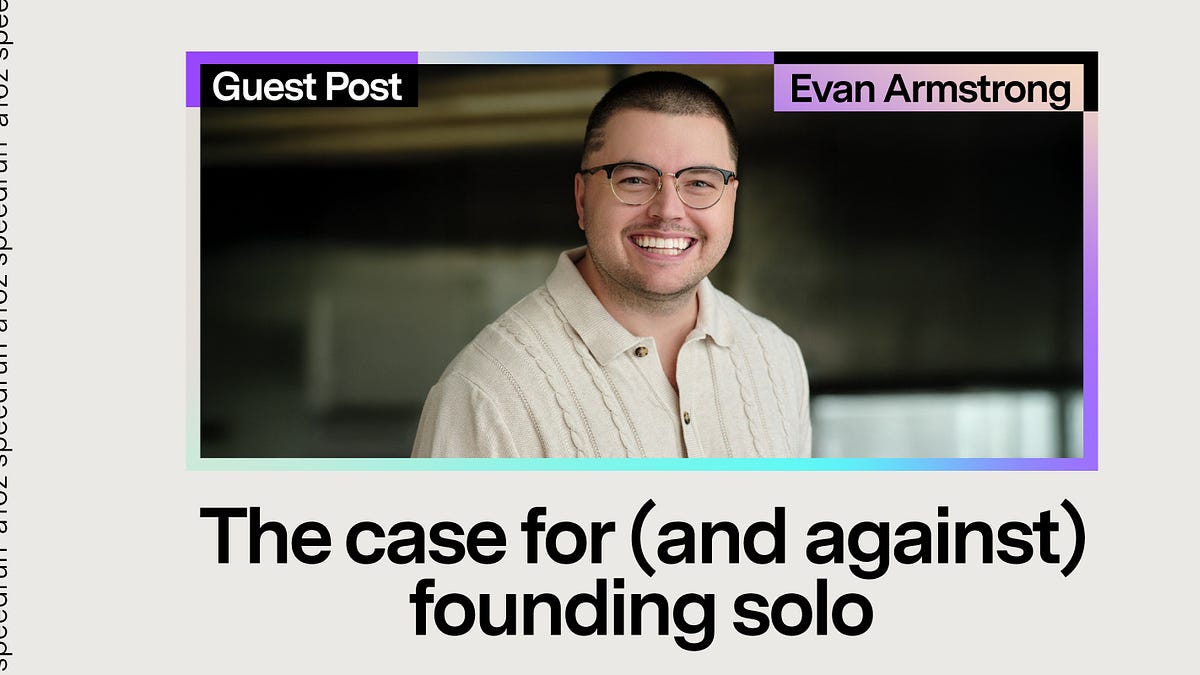
The decision to raise venture capital is a strategic choice that carries significant structural implications for a business, rather than a universal requirement for growth. The primary thesis is that venture capital functions as "jet fuel"—a powerful, high-stakes resource designed to accelerate companies with massive scale potential. When applied to businesses that are already stable, profitable, or operating on a smaller scale, this capital can be counterproductive or even destructive. Founders are encouraged to evaluate whether their business model aligns with the venture capital expectation of rapid, high-growth trajectories and an eventual exit through acquisition or public offering.
Key considerations for founders include the "ego tax" associated with fundraising, where entrepreneurs may seek capital for perceived credibility rather than actual operational necessity. The analysis highlights that the modern economic landscape has shifted; advancements in AI and lean operational tools now allow small teams to achieve significant revenue milestones without the need for external funding. Consequently, the traditional argument that capital is required for headcount or infrastructure is increasingly scrutinized.
The guidance emphasizes that venture capital is not a renewable resource but a high-pressure commitment that introduces new stakeholders—investors—to the company’s governance. Founders are advised to distinguish between building a sustainable, profitable business and building a venture-backed startup. Ultimately, the decision to raise should be predicated on a clear, long-term vision for a high-growth exit, as the structural requirements of venture funding are not suitable for every company or founder’s personal goals.

a16z Games · 2026

a16z Games · 2026

a16z Games · 2026
a16z Games · 2026

a16z Games · 2026
a16z Games · 2026

a16z Games · 2026

a16z Games · 2026
a16z Games · 2026

a16z Games · 2026

a16z Games · 2026

a16z Games · 2026
Deconstructor of Fun · 2026