More from Serious Games Society
View all
Article
Engagement and Perceived Applicability: Game Dev Story in Software Engineering
Serious Games Society · 2026

Whitepaper
Gamifying a Situational Judgment Test: Methods and Challenges
Serious Games Society · 2026

Article
User Experience in Board Games: An Agentive Semiotic Evaluation in Higher Education Settings
Serious Games Society · 2026
Article
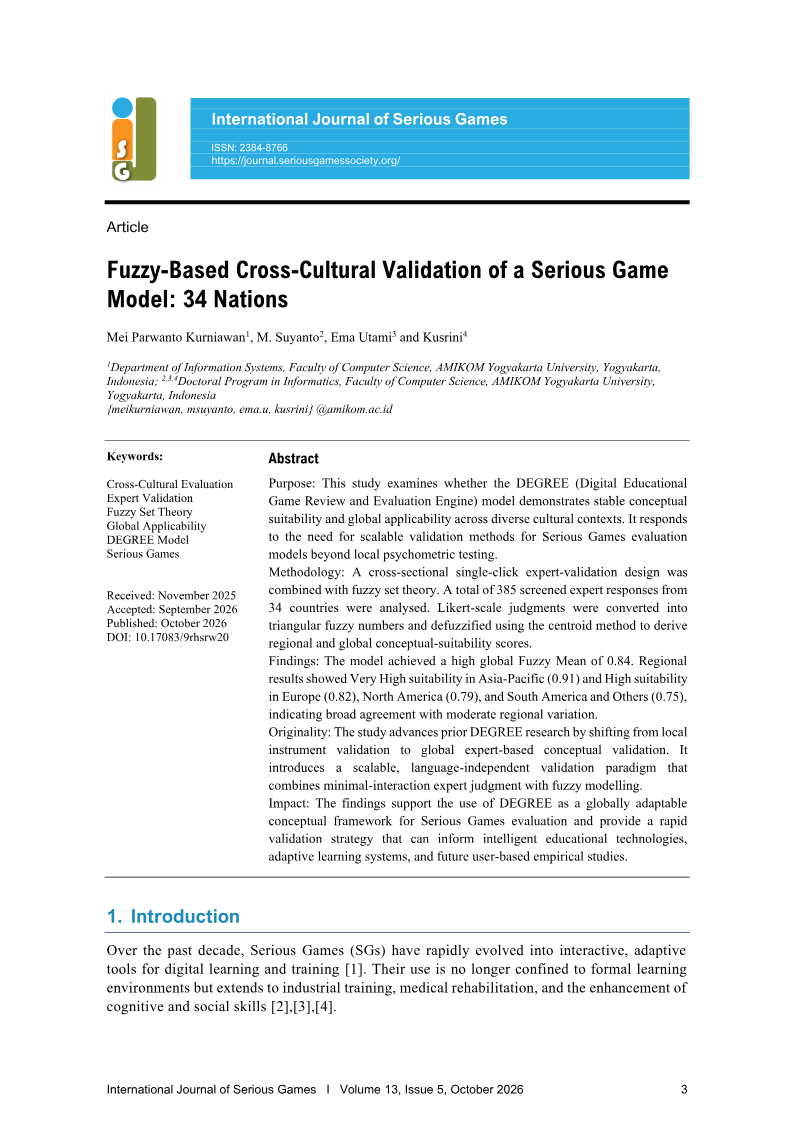
Fuzzy-Based Cross-Cultural Validation of a Serious Game Model: 34 Nations
Serious Games Society · 2026

Article
Unlocking Quantitative Skills: A Serious Game for University-Level Social Science
Serious Games Society · 2026



Whitepaper
V3NU5: Learning Beauty – The Quantum Game Promoting Cultural Heritage
Serious Games Society · 2026
Article
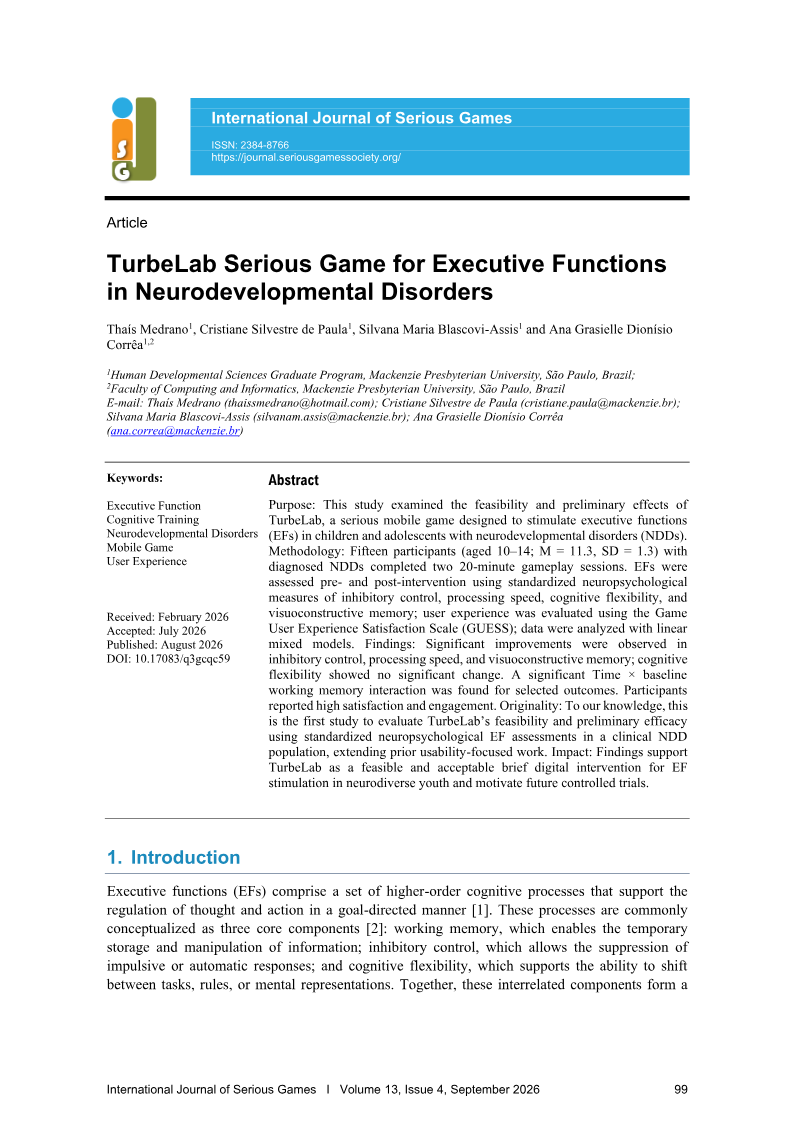
TurbeLab Serious Game for Executive Functions in Neurodevelopmental Disorders
Serious Games Society · 2026
Whitepaper
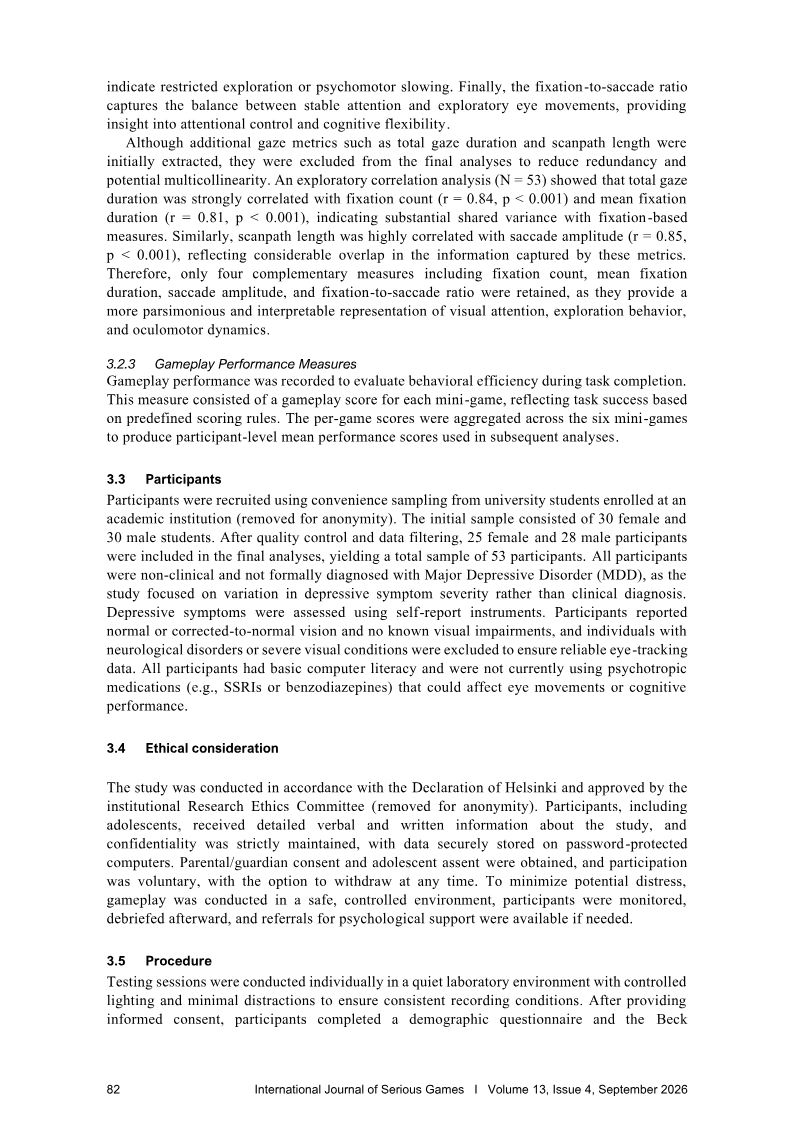
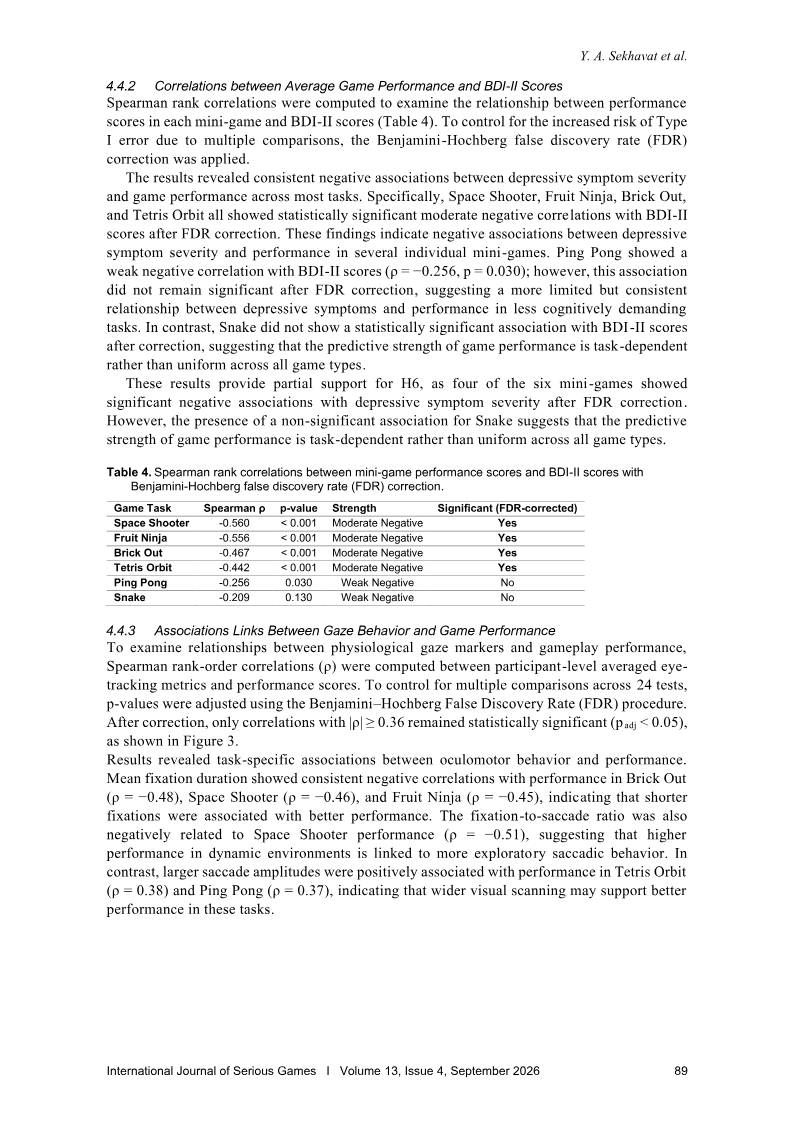
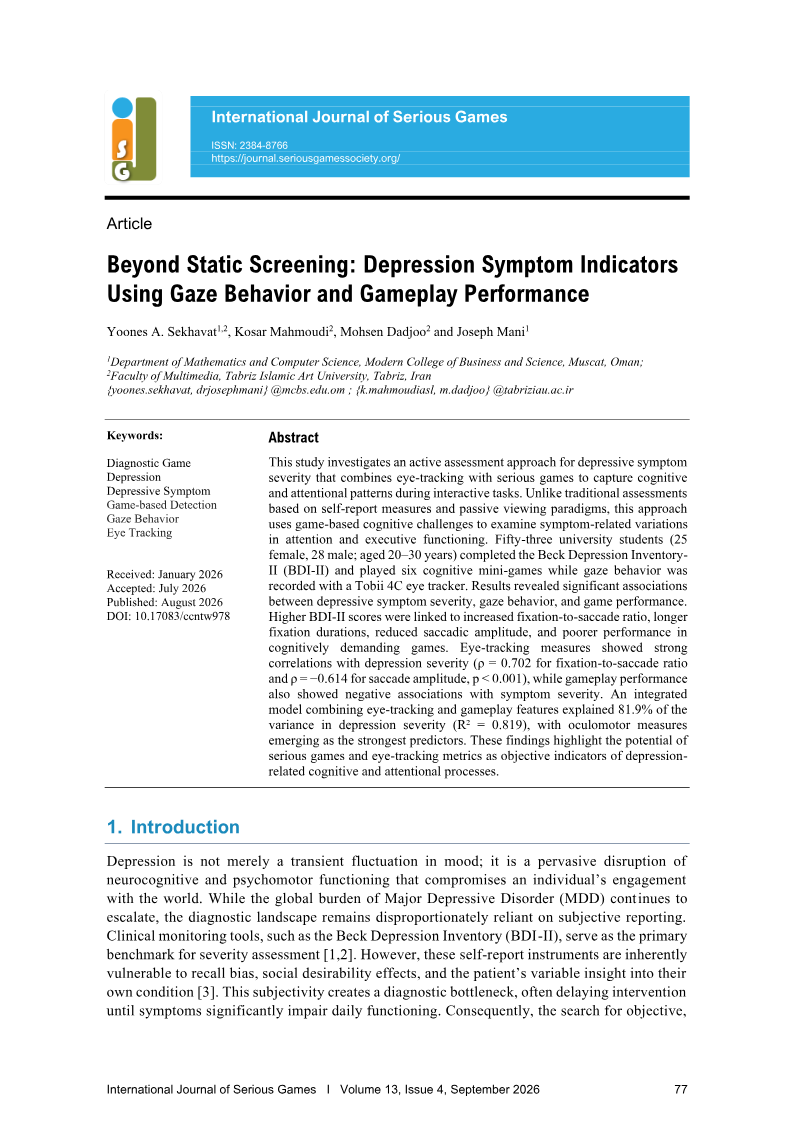
Beyond Static Screening: Depression Symptom Indicators Using Gaze Behavior and Gameplay Performance
Serious Games Society · 2026

Whitepaper
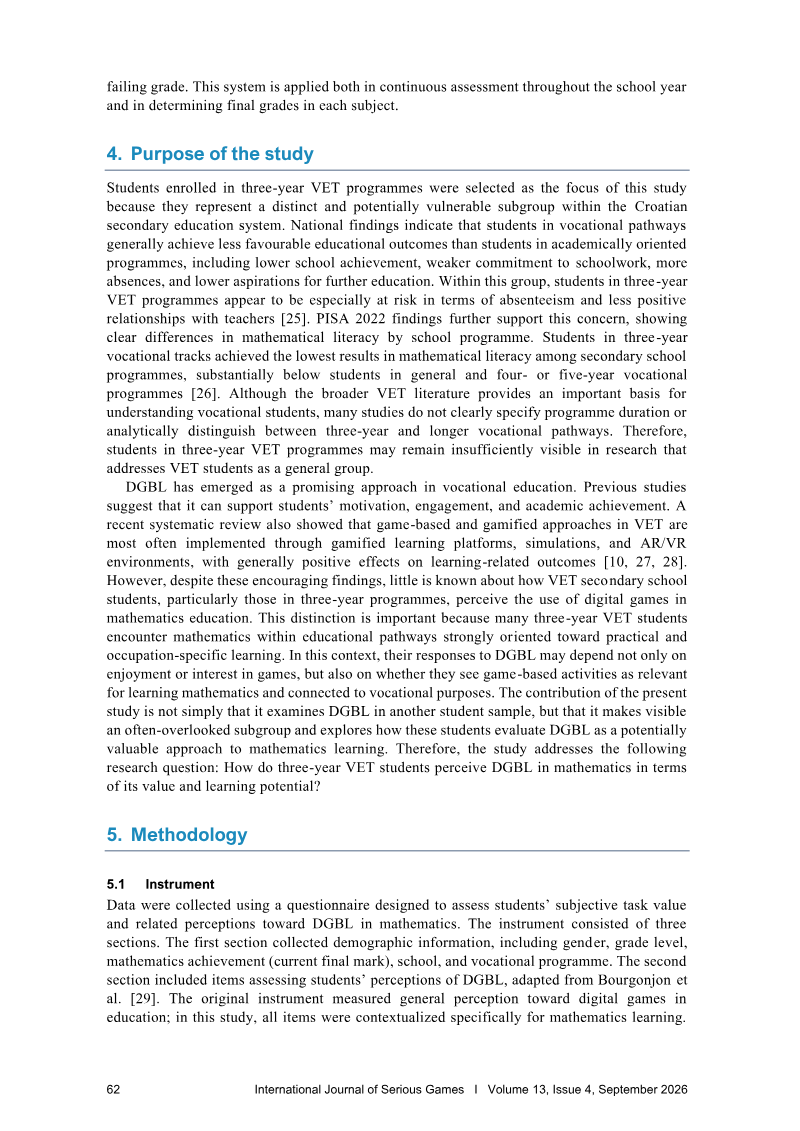
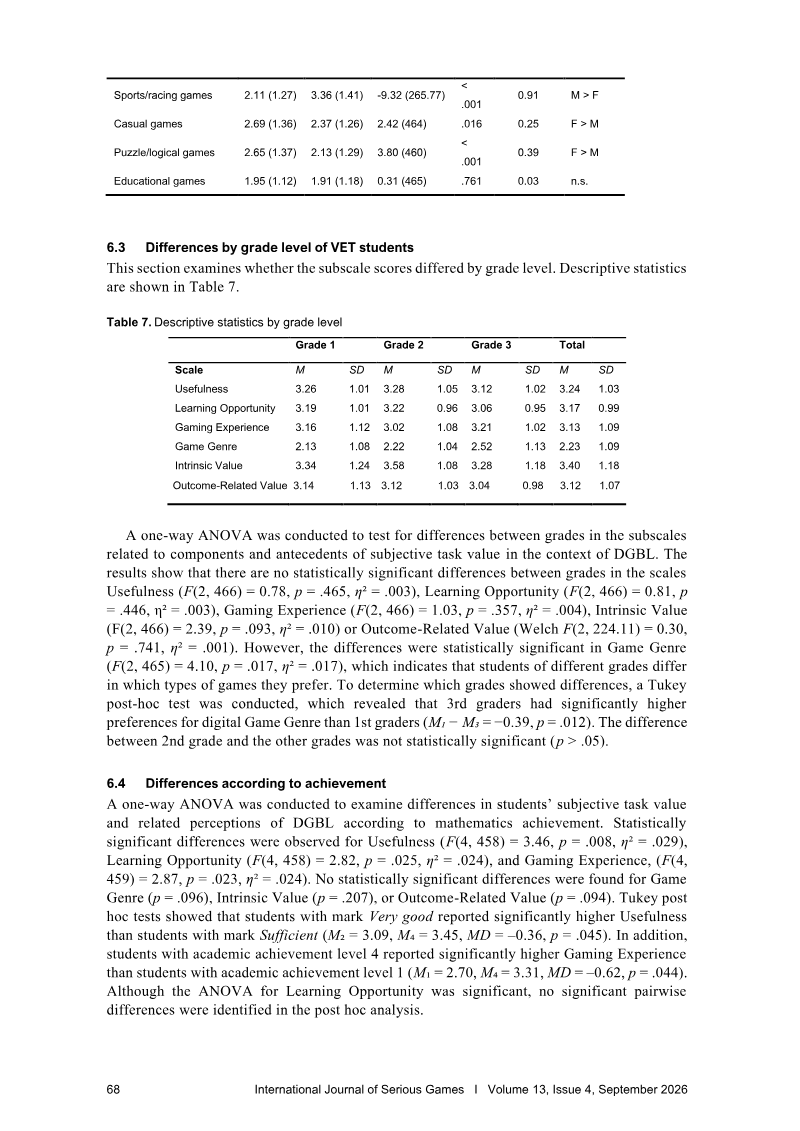
Potential of Digital Game-Based Learning in Vocational Mathematics Education
Serious Games Society · 2026
Whitepaper
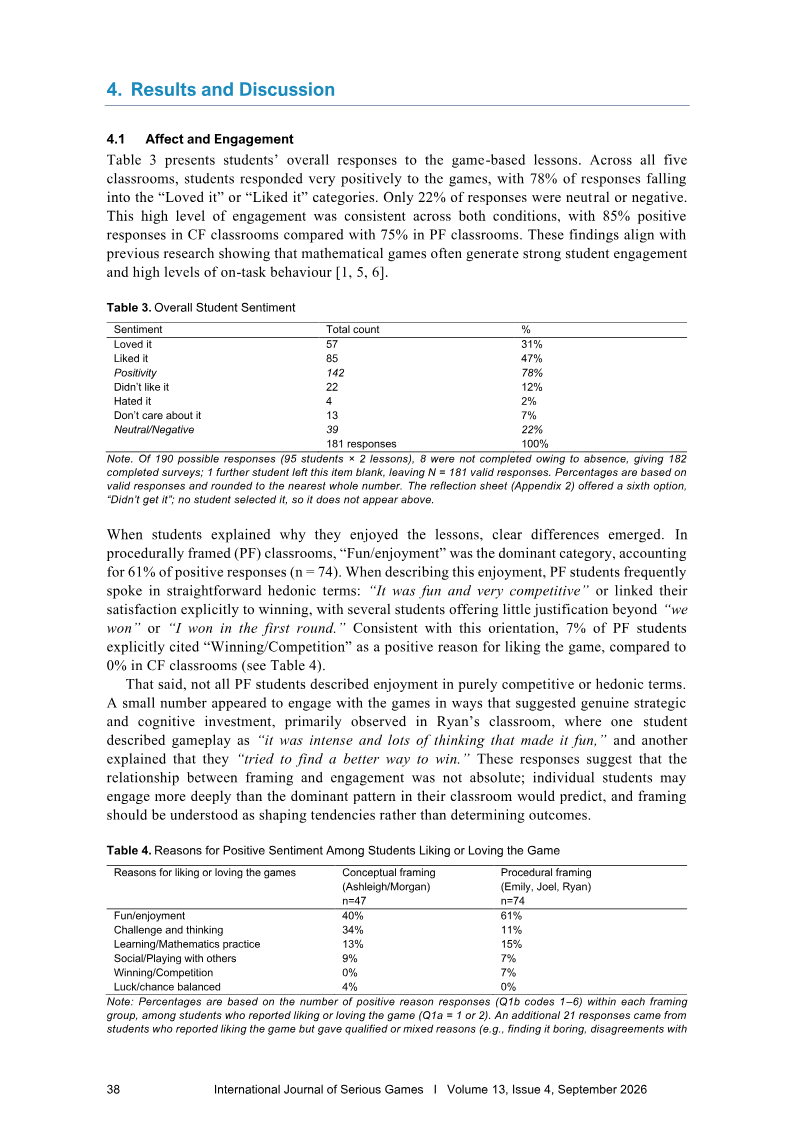
Teacher Framing and Student Mathematical Experiences During Game-Based Learning
Serious Games Society · 2026

Article
The Design of a Live Role-play Simulation Game for School Leader Professional Development
International Journal of Serious Games · 2026

Whitepaper
Game-based Balance Training in Older Adults: Systematic Review and Meta-analysis
Serious Games Society · 2026