1 free read left. Create a free account for unlimited reading + AI research.
Create free accountWhitepaperInternational Journal of Role-Playing
The genre also accounted for 19.6 percent of computer game sales that year, though it still lacks an agreed formal definition.
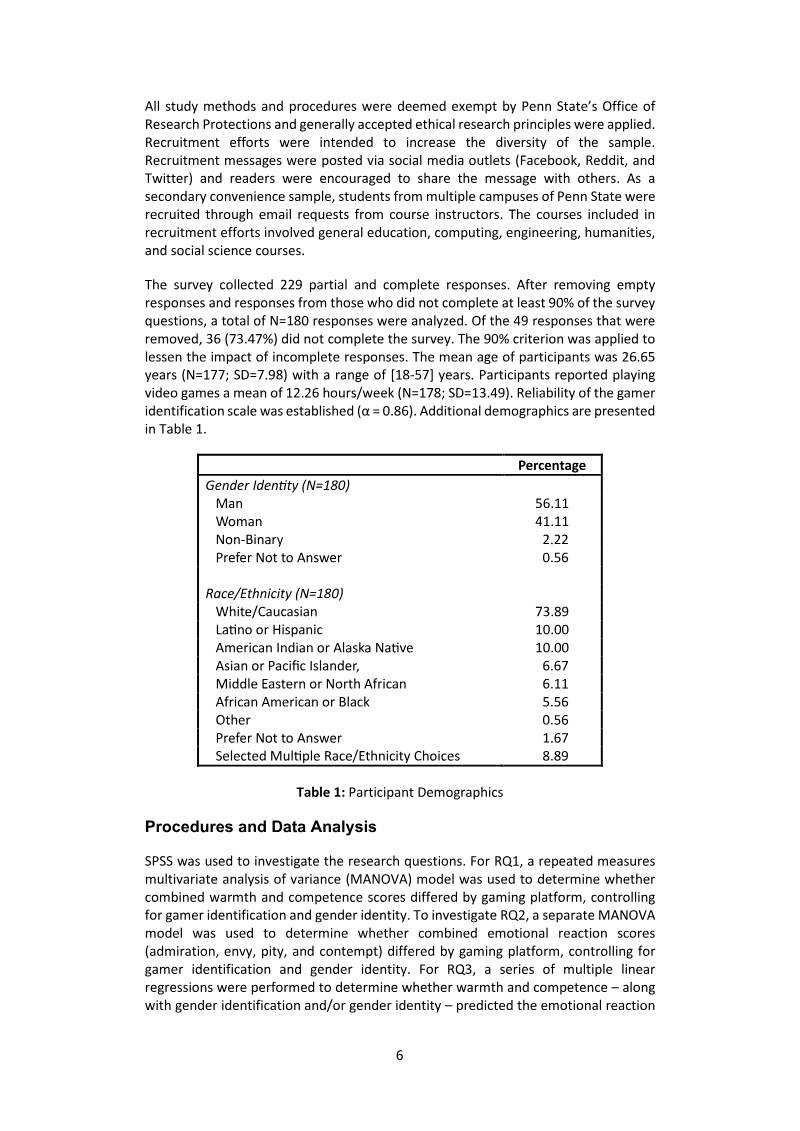
Research on role-playing gamers challenges the familiar image of players as young, socially awkward males prone to antisocial behavior. Drawing on industry data and academic studies, the evidence points to a far more varied population: according to Entertainment Software Association figures from 2007 and 2009, roughly 40 percent of players are women and the average age is about 35. With role-playing games accounting for 5.4 percent of US video game sales and 19.6 percent of computer game sales in 2008, the audience is substantial, though the genre still lacks an agreed formal definition.
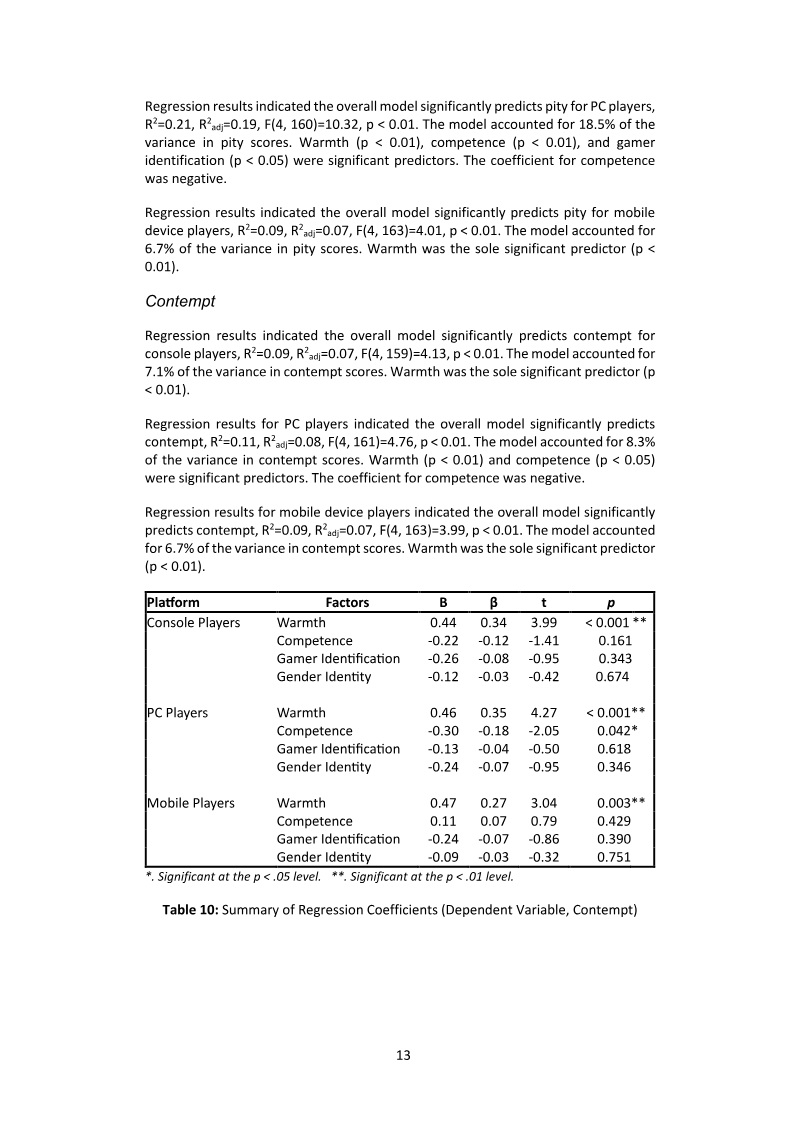
Personality research yields mixed but largely modest results. Several studies report that role-playing gamers score higher on openness to experience and some describe them as more introverted, yet investigations of neuroticism and psychoticism generally find no meaningful difference from control groups. Smaller, less consistent differences, such as slightly lower empathic concern, appear sporadically across the literature. Claims that role-playing games lead to crime, violence, suicide, or satanic involvement receive little empirical support; the few studies suggesting such links relied on small samples, and associations drawn from the Columbine era were never substantiated.
Work on identity development suggests that role-playing games more often support than undermine personal and social growth. Players may experience immersion and "drift" between real and game identities, and gender-swapping is a common phenomenon, yet most surveyed players report immersion as a positive experience. Some frequently cited figures, such as a reported lower-than-expected suicide rate among Dungeons & Dragons players, rest on questionable methodology.
Overall, the field's conclusions are tentative because the existing research is narrow, relying on repetitive designs, male-dominated samples, and a limited set of personality measures. The analysis calls for larger, more demographically balanced studies that examine a wider range of variables before firmer conclusions can be drawn.
DiGRA · 2026