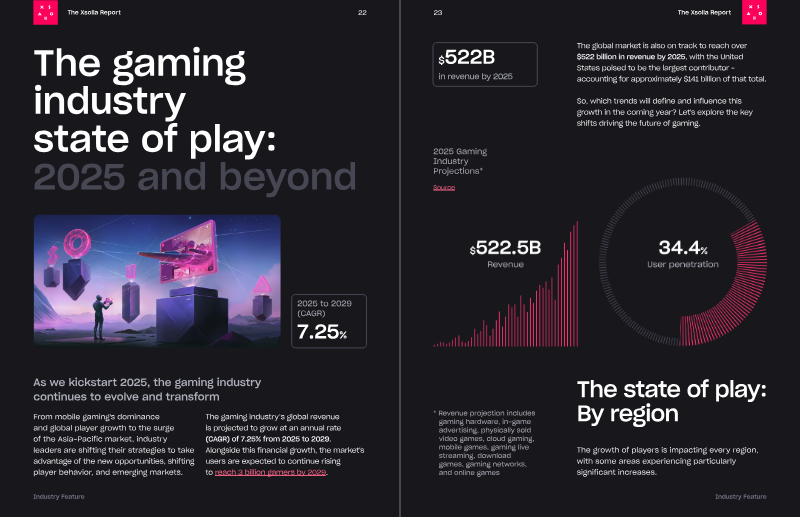
The industry is forecasted to grow at an annual rate of 7.25% through 2029.
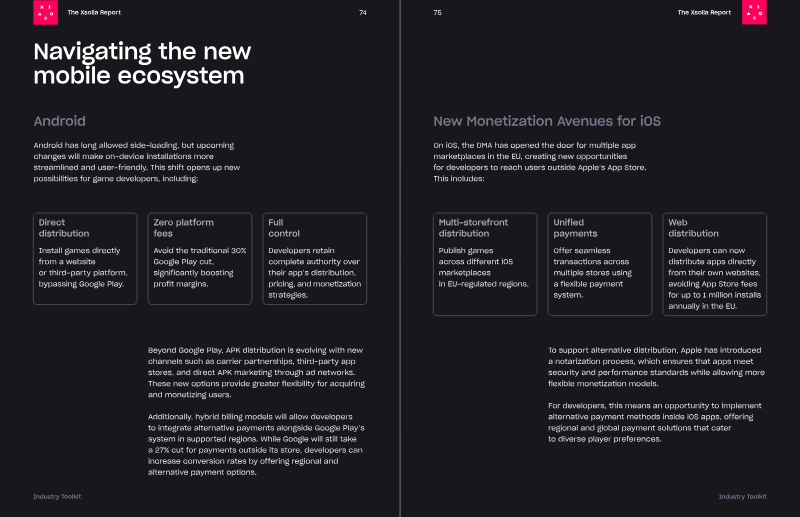
These strategies aim to bypass traditional platform fees and improve profit margins. They also foster deeper, more personalized relationships with player bases.
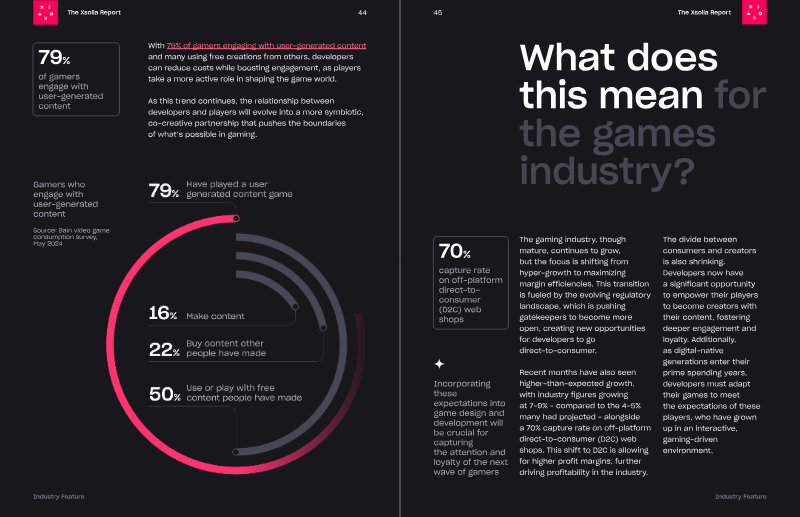
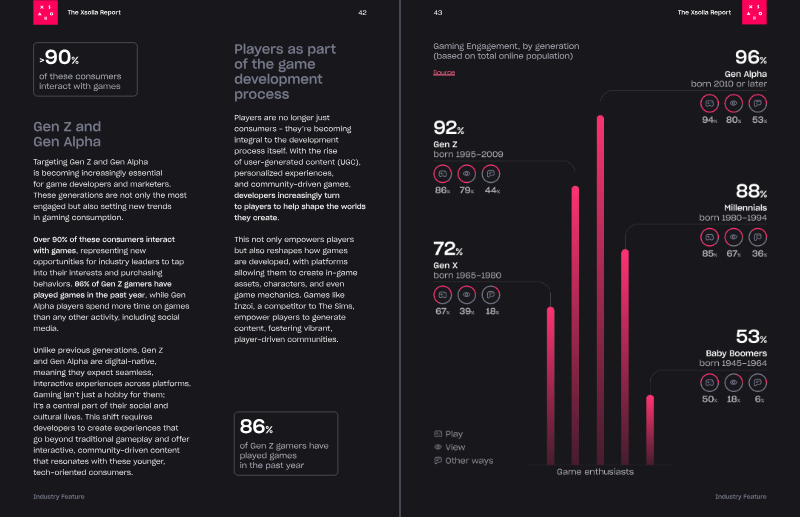
This shift is driven by Gen Z and Gen Alpha's preference for user-generated content and in-game development tools. These cohorts are transforming how content is produced and consumed.
These changes enable studios to diversify revenue streams. They also optimize monetization through mobile-specific tools like SDKs and offerwalls.
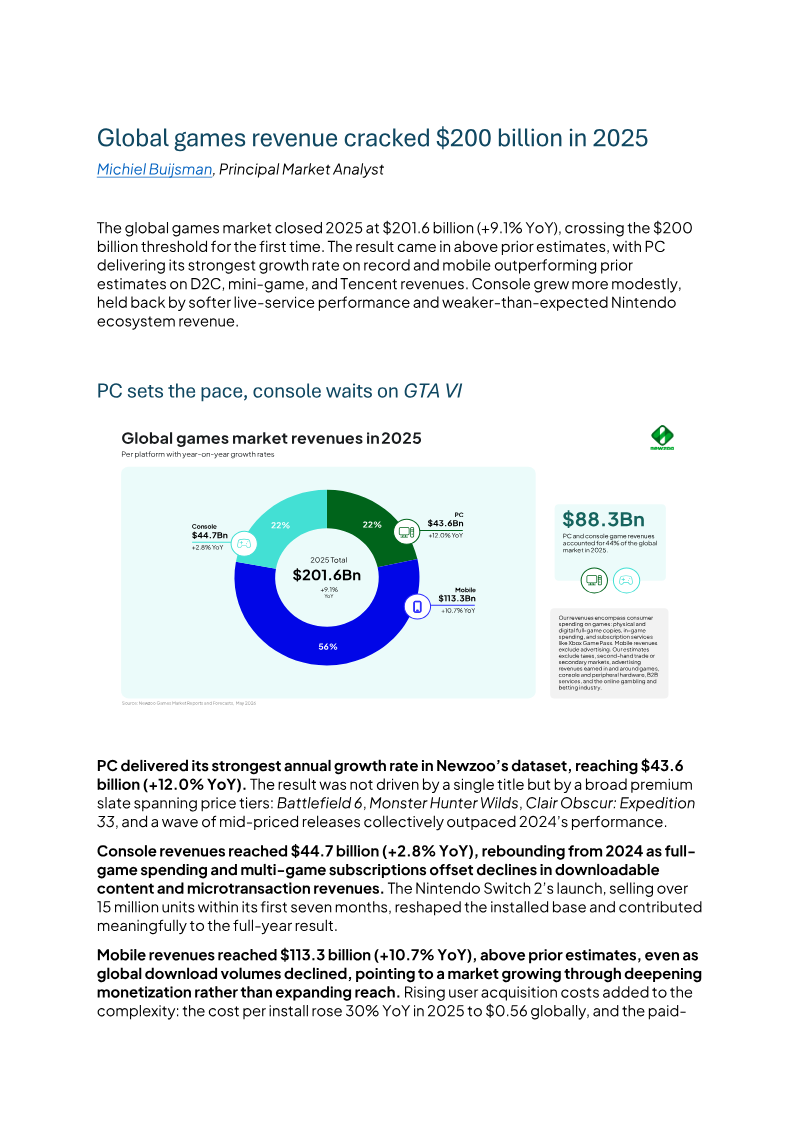
The global gaming industry is entering a period of sustained expansion, with total revenue projected to reach $522 billion by 2025 and a forecasted annual growth rate of 7.25% through 2029. This growth is underpinned by the maturation of the mobile sector and a robust rebound in PC and console software. As the market evolves, developers are increasingly prioritizing direct-to-consumer strategies and web-based storefronts to circumvent traditional platform fees, improve profit margins, and foster deeper, more personalized relationships with their player bases.
A fundamental transformation is occurring in how content is produced and consumed, driven largely by Gen Z and Gen Alpha. These cohorts are shifting the industry paradigm from passive consumption to active participation through user-generated content and in-game development tools. This transition toward player-driven ecosystems is supported by the integration of advanced data analytics, artificial intelligence, and blockchain technology, which collectively enhance digital authenticity and operational transparency. Furthermore, regulatory shifts allowing for alternative app stores and hybrid billing models are providing studios with the flexibility to diversify revenue streams and optimize monetization through mobile-specific tools like SDKs and offerwalls.
Long-term industry stability relies on the convergence of inclusive design, proactive community engagement, and technical innovation. By adopting hyper-personalized experiences and robust anti-fraud measures, developers are better positioned to navigate rising user acquisition costs and market saturation. Ultimately, the industry is moving toward a more symbiotic model where diverse leadership and player-centric distribution strategies serve as the primary catalysts for innovation, ensuring that developers can effectively capture the attention of digital-native generations while maximizing lifetime player value in an increasingly competitive global landscape.