1 free read left. Create a free account for unlimited reading + AI research.
Create free account
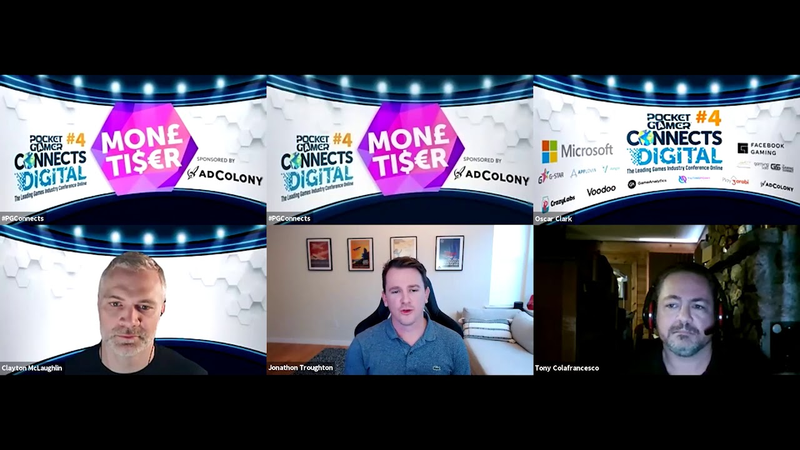
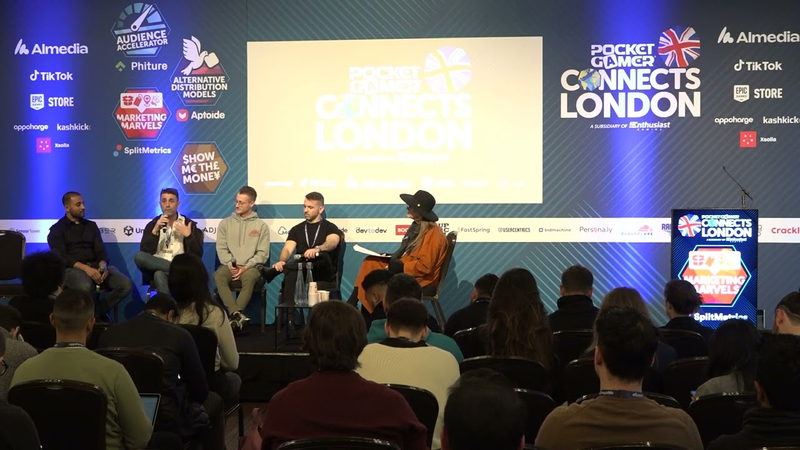
Speed Panel: The Death of IDFA & Cookies - Your Monetisation is at Risk
Key insights
6 takeaways- 01Successful intrinsic advertising depends on contextual alignment, where ad content must resonate with the game's setting and audience to maintain brand value.
- 02Brand lift studies are currently being used to validate in-game advertising, moving these placements from experimental budgets into evergreen, long-term investments.
- 03The deprecation of IDFA and third-party cookies requires a shift from intrusive, data-heavy targeting toward privacy-compliant, game-centric advertising models.
- 04Future monetization strategies are shifting toward a holistic model that balances advertising with in-app purchases to prioritize long-term player retention over short-term conversion metrics.
- 05The industry is prioritizing player value as the core success metric to ensure monetization remains compatible with the expectations of privacy-conscious users and brand advertisers.
- 06Intrinsic advertising, such as placing ads on in-game billboards, allows developers to monetize the entire player base rather than relying solely on a small cohort of spenders.
Ask AI about this video
Transcript
so next up uh we have a speed panel uh this time we've got jonathan trott and frame play um going to come up talk to us um he's gonna have tony from quickfire labs and clayton from eye crossing i believe as well so uh jonathan i think i'm going to be passing over to you are you all good yeah good morning it's uh it's very early morning for me is it really early for you guys i'm sure it is i'm so sorry about that that's the fun of doing international conferences isn't it yeah first first call was uh 4 45 this morning but uh good morning i'm jonathan trout and the ceo and co-founder of frame play and i'd like to invite the other panelists to introduce themselves
good morning i'm tony cola francesco the studio head for quickfire labs clayton i think you might need there we go try this again we've only done this a million times in the last nine months i can't figure it out yet i'm clayton mclaughlin um i oversee media investment for eye crossing in the us awesome and before we get started i wanted to i guess introduce the background of this panel and this is really around the depth of idfas and i guess you could say where that's going to lead to for adids and what that really means uh for the industry so recently as many of you be aware apple announced that wwdc that they're going to change let's say change how idfas and ids are going to be collected now what does that mean uh there's a massive shift and already as all of you are aware in the mobile space
that free to play is the main monetization but it's heading heavier and heavier in towards free-to-play monetization methods for all games so what is that going to do and how's that going to impact facebook warns its customers that ios 14 could have up to 50 percent impact from their network revenue in this space and when we start looking at cookies and different blockers for ads and so forth what is this going to do to the monetization of advertising in games but also for mobile games so i've asked the panelists to join me today here to speak about some of these things and give their perspectives so i think i'd like to probably hand over to tony first uh i'd love to sort of get the the gaming perspective of the the studios perspective uh from tony well uh let's see to to start off i think it's it's gonna challenge uh game developers
um to you know to not rely so heavily on uh you know ad monetization in the way that they have been um one of the dangers i see potentially is that instead of you know finding new and better methods especially ones that don't damage your retention uh you know because a lot of times what'll happen is oh this this particular monetization method is is you know not performing as well let's just double down on it right so that's that's a that's a big danger so oh wow jeez we're not getting as much uh you know revenue because it's not uh as targeted as had been let's just double up on ads that's gonna that has a potential for really ruining uh the player experience and then of course dropping other uh key performance indicators especially retention and as that happens uh you know it's i think it's gonna force uh
developers to think of better uh methods and techniques which at the end of the day is probably gonna be good for uh the end user create a better experience but it this is definitely going to open up some challenges and in my opinion it's going to you know challenge developers and publishers to either be creative and innovative or um you know you know or just try and do the same old same old and increase it which i think it would be terrible yeah let's shift gears for a moment so on the advertising side clayton how do you see uh the impact of these changes with the idea phase 80 ids and all of this the data compliancy portion how is this going to impact uh from an advertiser's perspective yeah well it's disrupting everything that we do right i mean as a digital agency everything that we've done for the last 15 years is based on cookies and those understandings and all
of the tools that we use the tech that we use everything is based on the same excuse me the same sort of technology and so ultimately we're going to have to figure out how to do this a little bit differently in a little bit more privacy compliant way in the u.s it's a pain because you've got california that has one privacy set and then the rest of the country has another and it's going to be done on the state level most likely so that makes things more confusing plus we have to be ready for gdpr so there's a lot of elements that we're trying to keep consistent and trying to find partners to help us do that i will say i think the one thing about our industry from an ad perspective historically we've been very nimble and you know that it sort of creates opportunities for certain tech platforms to pop up and become a little bit more centered to what we're trying to do you know my big fear is that we become too reliant in the future on huge walled gardens so the apples and amazon's google's facebooks of the world and so i think the more solutions that we can come up with
across the entire industry as opposed to just within a couple of partners it's gonna be really key for us as well and so you know that's part of sort of what i'm trying to do in my role is to figure out what those partners are who those partners are what the tech is how do we provide solutions to our clients how do we pull in their data and use those pieces and then ultimately make you know an ecosystem that's sort of frankenstein together which again we would become very good at but ultimately you know there's there's not going to be one good solid solution for this and i think gaming is actually in a really unique place because of its sort of niche and its ability to control the user on the most personal device and particularly mobile obviously but these devices are going to be in our hands in front of us all day long so it should be a little bit easier to connect some of these pieces and to have that single sign-in and those sort of elements that are really crucial to being able to identify who users are yeah watch the behaviors and attract a piece accordingly so
let's let's discuss what's really needed to ensure that we get uh advertising right for the gaming industry uh because i think there's a few things that are really core to ensure that we do do this right that it is not uh i guess you'd say taking the standards of the web and practices of the web and forcing those into the gaming environment at the end of the day we really do care about the player and their experience so let me let me just i just list off a couple of things and i'd love to get your reactions on these so game developers need to be in control of how things are placed to how things look uh admus fits into the core loop mechanics uh they cannot they absolutely cannot be interrupting and pulling players out of these environments and wrecking that experience for them they the new methods need to be privacy compliant and privacy compliant and data compliant practices the current rtb standards of
programmatic that you have for the web have zero place to do in anything that's in an immersive environment in the games it needs to be built and centered around the game and centered around gaming practices so programmatic direct yes that could potentially well not potentially it does it 100 works when you start taking into the nuances of genres and styles and platforms but at the very base of this and i'd love to see and feel your reaction on these from you guys as well is the creative the creative needs to be different it needs to be much higher quality it needs to be intrinsic and it needs to be authentic to the experience so i get best i guess based on what i just read i'd love to sort of get your uh reaction on that tony and see how that aligns to your thinking and what you're seeing in
the industry no i i agree i think that uh you know gamers overall are very you know caring about the experience when it comes to the ads that they're seeing where they don't feel like they're just being barraged especially with low quality stuff um they're one of the things i i was just laughing about the other day um was on uh and and forgive me for for you know talking about uh something outside of gaming but i was watching rick and morty and there was that love finders app and then the moment that uh they hit this paywall right um everyone quits the app right like and that's the kind of experience especially in gaming that it's it's much worse uh people are already tired of of seeing these terrible kind of experiences uh but when you're gaming you're you're looking for those endorphins to be released you're looking to have fun and the moment you get hit with some kind of uh terrible low quality
obtrusive experience you just want to go find something else that'll that'll actually complete your your feeling of fun and that's where you see retention numbers really start to drop so um yeah really i think the quality uh of what you're seeing really matters but then weaving that into the gameplay experience is absolutely paramount i think there's plenty of room for advertising to be a fantastic monetization method but you really have to tailor it um experience wise so that the end user isn't interrupted they can keep doing what they're doing they're still getting the message but it's it's not kicking them out or or stopping that uh the fun that they're having um in game so uh yeah and and i do think that the quality matters a lot and because there's there's also that potential for you to be in a high quality really fun experience and then see some kind of really terrible low-res crappy ad pop up and it kind of kicks you out uh
mentally as well like oh you know now i was just having fun and now this thing pops up so yeah i i completely agree yeah i guess uh same question uh clayton what do you think is truly needed here to authentically connect to the players without breaking that experience well i think everything that you laid out is perfect right as far as it has to match and it's the same sort of best practices we we should be using for everything that we buy right is make sure that it's not intrusive that it's authentic that it's endemic to the environment that it sits in but still has a little bit of that creativity and that that ability to capture some attention but not take away from the experience as a whole right and then if you are going to do that then the experience sort of post click or whatever that becomes which i know is still a little bit of the future but that has to match everything as well i think we're in a really crucial time because we've already
messed this up once from a digital advertising perspective and we went from web to mobile right we waited for 10 years for the year of mobile and it finally came and all we had was shitty little banner ads at the tiny at the bottom of tiny little mobile screens that just ruined everybody's experience advertisers agencies and game developers everything so i think we're at a time now where we can we can adjust that um and we shouldn't let that get out of control right it's a really pivotal time to make sure that we get this one right and i think we should be able to learn from that poor transition from web to mobile and so the things that you've laid out as well as best practices i think apply perfectly and probably tenfold and again i think that's the it's the similar approach to what we should be doing for everything that we buy digitally but i think it's even more important you think of that game environment because people don't want to be interrupted in those instances and so we have to make sure that we figure out how to to toe that line and and provide the value on top of the experience that they're already enjoying
yeah and i think it's really important for the game industry to sort of recognize that this is coming this is the perspective that's coming from advertisers they want the quality to be better they want the experience the player to be better because they're very cognizant of the impact that it's had over the last few years that they need to be doing a much better job if they want to be presenting themselves in the best possible way for any possible conversion or sale yeah yeah i'd say the more we can be creative and and how we do that right again speaking from the advertiser perspective we we love being able to create new things and put them in new environments and see how people react and and be able to make those a good fit for where they need to sit that that geeks us out right so i would say don't be afraid of of new opportunities or thinking of things a little bit differently because as advertisers we're excited to find those opportunities as well they obviously need to fit um but ultimately i think we can do this in a in a better
way than just trying to retrofit something that already exists into you know into this environment yeah exactly and i think this is really on the whole industry the whole gaming industry to actually embrace and understand that we're at a pivotal moment here that they can really drive towards a much better kind of intrinsic feel so that the advertising is really incorporated into the environment to really look after the players so i think just to summarize brands really want a way to advertise in high quality environments and but they also need to measure this and they need to be able to trust uh where that's going they need the data to support all of this and this definitely comes into idfas and the the ids i guess you can look at but what other ways can we have data that support this and this is what we focus on at frame play is actually supporting the data that is required to go
back to the advertisers to understand what they're buying so the next step to that obviously as well game developers are going to need new ways to monetize because like i said at the start uh with this shift away from idfas and the shift in i guess we'd say regulatory environments traditional i guess advertising monetization methods are changing you know are you going to see the same returns uh the same thing that facebook mentioned like 50 of all their network revenue may be disappearing so game developers are going to need new ways to monetize effectively and really care about the gamer's experience and see those high returns and this is where we're seeing a shift towards intrinsic advertising so it's actually part of the game and game developers do have that control but ultimately this is all in support of a massive cultural shift across the board and not just in mobile but primarily at the moment in mobile
where the whole industry is moving towards a free-to-play environment um so we definitely have our work cut out for us uh frankly uh really our creation frankly and what we're driving to push for here is really enforcing all of these values that we've mentioned here but also to your point tony and clayton uh from the the publisher's side really taking into account how they look at this from the advertiser side what they require um we really need to keep that in top of mind uh is there anything else you guys wanted to throw in there from what i just said well uh i did have one thought which was uh you know as there there's less individual targeting happening um one of the things i think publishers and developers need to take into account is their audience and uh and making sure that with their ad partners that they're feeding the right content to the right
audience it's it's at a you know higher level where but an example would be if you're building a kids game you're not going to be wanting to you know to uh you know feed you know uh aaa you know ads or anything like that to you know to a kid's audience and at the same time if you've got you know uh a middle-aged audience you're not gonna be wanting to do you know toys you know stuff like that so uh just making sure that you're connecting the right audience to the right type of content is going to be really big uh here and it's just one thing i'm going to encourage you know all publishers and developers to think about so that that is is one way they can get a higher return uh you know on on their uh ad inventory and their click-throughs and just make for a better experience for the audience so it's feeding them relevant uh you know ads and so okay to that point i think you bang on contextual alignment is one element of
it and understanding it your audience from a data perspective is is another but very much agree like you don't want to be putting these these types of creative that totally misaligned to your audiences because then that's inefficient use of media spend plain unsure you could probably speak to that all day long about the want of efficiency of media but uh absolutely yeah so i think we're coming up on our time uh i wanted to thank uh all of the panelists i want to thank you clayton tony uh for actually joining here to some talk about what we're doing and i would ask that any uh developers and publishers that are considering different uh methodologies for advertising in their games please reach out contact us or you can find me probably playing somewhere online i'm more than happy to take a meeting during the gameplay great stuff i think actually we've got a little bit of time left if people have
got um uh questions i think um this idea of intrinsic advertising i think i find a bit fascinating it might be interesting to sort of get a i mean again maybe it's my bias i mean i've been a while since i was involved specifically and talking about ad design but even back in like 2012 or so 2014 definitely though we were talking about the importance of game designers planning the engagement experience and in fact we covered some of that in the panel before i mean i'd be really interested to know sort of what you think are the best examples of that and also you know if we're moving away from specific targeting of individuals and instead looking at kind of uh communicating uh ideas and themes uh you know understanding what value looks like um what does that look like and how does that affect game design it'd be interesting to know what you think about that yeah definitely look i'm probably the first person to come out there and say that intrinsic advertising doesn't work for every game i don't care what other people say if they think it can work and everything
but can if you're thinking about something that's maybe yeah in the 13th century you're not gonna go and try and put uh this style of advertising in that game environment now how big is that market that you start thinking about well think of all the different types of games whether you're talking about sports racing uh open world uh any sort of casual game that isn't uh necessarily uh let's say for instance we're not going to candy crush it doesn't make sense the the monetization methodologies around that already work well for that however when you start talking about platformers or different styles of games hyper casual but not in the traditional sense of a candy crush game the intrinsic advertising fits seamlessly into these environments you can monetize in an extremely effective way and i think really that the publishers need to keep this on top of mind as well we're not pulling existing monetization
methods out this is complementary to what's already existing there now how this fits into level design how this fits into the world design i by all means reach out and we can coach people through we can work with teams on how to best integrate because there's a lot of different functionality and concepts that may not be apparent to a level designer or a game developer without actually having an experience in this space so we're very uh this would say supportive of how we'd like to see this at the end of the day uh we came from a gaming background and we really want to actually we do care about the player experience we really want to support the developer to make sure that a they can make money to continue on this journey but b that they remain true to what they're doing because i i know how much time goes into making a game i know the countless man hours and and the amount of money that goes into
making it or we can count them well you really want to respect do you really want to respect this and this is where we see and and i'm sure like us you mentioned things around 2010 uh there's been a lot of change since then i mean technically i mean i could go and talk about massive my friend barn used to be at massive so those of you who don't know what i'm talking about when i say massive uh that was one of the very first kind of in-world advertising experiences uh bought by microsoft was here around 20 it may be an early in there yeah yeah and um so i mean the one i think the issue that happened in that case so i think it was a splinter cell game they had a mountain dew um uh coke machine basically i had just i've just broken the famous rule it was a mountain dew can machine i shouldn't say coke machine but we all use the term coke machine but that inherently implies the fundamental issue they also i think had a papa john's pizza box and the issue is that the number of people who are going to go on to buy
the replacement coke machine or the pizza box it's actually quite limited and of course that's i think what's changed in this generation of looking at in-world ads uh i saw using world ads just because i find it easier to get my head around it um is that we are now i mean if you look at yourselves and adima and abba t another game um in world ad company i won't mention because i'm not big fans of them um i did some work for them and they they stuffed me over so i'm not going to mention their name um but there are some people out there who've got some really good interesting tech the biggest issue has always been they're getting the volume of uh you know ads so the the demand side has been an issue i think but exactly to that point i think clayton you can speak to this as well this is why we're really focused on what's required from the advertiser how do you actually provide that value how do you provide that data what integrations in them and
how is it done and actually translating that that value that brands require the game environment is fundamental and we we have an excellent team that's worked on this uh and that's how we're able to translate that brand dollars into these environments no exactly so i mean yeah clayton and tony i'd love to hear what you guys think i mean just the point of reference i actually think you can build a fantastic value for brands in this kind of experiences if they're placed right and there's some really good interesting examples um of implementation but i'd love to know if you guys have any kind of particular views on that aspect i think jonathan mentioned it once already really not every brand is going to make sense here so we have to understand first and foremost which brands are going to be making the most sense but i think if you think across the variety of games that do exist in the inventory that does exist now you can find those proper contextual opportunities you have to think of that piece first and then it's the the data conversation so what else do i know about this audience who are they
what can i because from our perspective it's just as important to make sure that we're blocking what we need to as it is to find the people that we want to yeah right there's there's a very definitive set of people we don't want to find two and that comes back to the data availability things that we traditionally have relied on cookies on moving forward would be a little bit of a different story but exactly that's a really key piece as we can do this as well because you've got to know to a certain extent that kind of the value that you're giving to the player but also the value of giving the advertiser as you say and i think getting the right balance exactly and actually to your point and again i'd love to know what tony thinks as well but i mean the difference between you know having a a racing game with a you know classic install is obvious you want to have that having um you know times square with ads absolutely you know they should be real world ads um should a fantasy world have them well actually to technically why not if you've got the right context for those ads and you've got the right in-game deceit um sorry tony i'm interrupting you i should let you no no no no uh it's i always chuckle when i
think of uh you know the medieval fantasy world with you know try joe's armor you know uh ad up there but um no like uh i'll give you one good example because uh with my right now i've got a shooter uh not trying to you know shamelessly plug it it's called plug away you can find it on you can find it on steam chrono shot uh but um you know we're we're utilizing that uh the in-game advertising right now and uh it took me a while to actually find um you know the the right method to monetize you know our player base it is a free-to-play game but at the same time advertising is a big part of it uh because it's it's non-intrusive uh you know it it fits really really well with the gameplay um and it's it's just a wonderful ways that that you can monetize uh you know one thing i also find super interesting
is that in free to play you know you've always got this small percentage of folks that carry a lot of the sales where with with in-game advertising you're advertising you're monetizing every play from every player which is which is also really really interesting um and a lot of times in in a online game you've got a lot of folks who are uh participating to keep uh the fun level um at a high you know high enough so that those people who are spenders keep coming back have other people to play with but you're not monetizing this vast group of uh people that are using a bandwidth and are coming into your game and this you know with intrinsic advertising i saw this as a way to uh to monetize everybody um at least at a minimum level um but also i you know uh in my particular testing we found that it has not uh hurt retention levels at all no it
doesn't absolutely yeah but uh you know we have you have to make sure again like i was saying earlier that the content matches the players um you know we're we're not doing adult diapers in a in a shooter other than you know uh levity you know what i mean yeah so um and and players will actually complain if you're feeding them the wrong the wrong content exactly i think this is why so when i was at sonia and working on playstation home we saw some interesting players spending the innovation budget in this kind of space so for example red bull and um audi actually did some amazing work as well uh there are a few others but uh in those cases they were happy to play games like maybe not adult diapers but you know there were some things that were a little close to the mark because they had a budget specifically for innovation i think the issue has always been transferring from that research budget innovation budget into their day-to-day budget and that generally happens through them understanding the reach and scale this is really the last question really
is for you jonathan which is do you think we're at the stage yet where we can start proving the reach and scale that games can deliver 100 and i think i think i'm going to tweak that a little bit because you what you actually nailed perfectly was how do you get from innovation budget to evergreen and that's something that clayton is is distinctly familiar with and we've been working on brand lift studies and so forth and i can't release this yet and we will release it very soon tell us but the impact to brand is significant yeah so i'll just put it out there now that this supported with the right data and the right integrations and can reaffirm this when that's done the way we're doing it that transition from exploration budget to evergreen budget is not hard yeah it's an interest my very interesting experience i ran the movie product back in the java mobile
days uh and we went fully ad funded first product in the uk that went fully ad funded i had a 35 year old increase in the amount of telephone calls that the uh digital inquiry service that did the sponsorship um did and um they still didn't do it on a regular basis they just spent the innovation budget so it can be a challenge but even when you get past that process and you understand what it is that drives those people forward i think this is going to be a major part of a lot of games but as you've said not every game but the important thing is we need to focus on the value to the player and that applies to every form of game every form of advertising every form of in-app purchase it's always got to be about how we get value to players yeah and on that note thank you guys so it is a panel rich environment for our monetization track today so not only we talked about innovation with hybrid monetization and now we've talked about the death of ifda and cookies
you
Summary
The deprecation of IDFA and third-party cookies necessitates a fundamental shift in mobile gaming monetization, moving away from intrusive, data-heavy targeting toward privacy-compliant, authentic advertising models. This transition represents a strategic evolution for the industry, forcing developers to abandon legacy web-based practices in favor of creative, game-centric strategies that prioritize long-term player retention over short-term conversion metrics. By integrating advertising seamlessly into the user experience, developers can protect the integrity of their creative vision while maintaining sustainable revenue streams.
Intrinsic advertising has emerged as a primary solution, utilizing non-disruptive placements—such as billboards within racing environments—to monetize the entire player base rather than relying exclusively on a small cohort of spenders. Success in this model depends heavily on contextual alignment, where ad content must resonate with the specific game setting and audience to preserve brand value. While this approach is not universally applicable across all genres, it serves as a vital, complementary revenue stream that aligns with modern measurement requirements without compromising the quality of the gameplay experience.
The industry is currently validating these efforts through rigorous brand lift studies, which are successfully transitioning in-game advertising from experimental innovation budgets into evergreen, long-term investments. As gaming companies continue to refine these strategies, the broader monetization landscape is moving toward a holistic model that balances advertising with in-app purchases. Ultimately, the industry is prioritizing player value as the core metric for success, ensuring that monetization efforts remain compatible with the evolving expectations of privacy-conscious users and brand advertisers alike.














Comments