1 free read left. Create a free account for unlimited reading + AI research.
Create free account
Sources of finance for indie games developers
Key insights
6 takeaways- 01Equity financing is a primary route for high-growth startups, frequently utilizing UK government-backed tax incentives like the Seed Enterprise Investment Scheme (SEIS) and the Enterprise Investment Scheme (EIS).
- 02Project-based funding, such as publisher agreements, provides capital for specific titles without requiring developers to surrender equity in the parent company.
- 03Financing should be viewed as an iterative, long-term process rather than a one-time event, requiring developers to conduct thorough due diligence on the motivations and strategic alignment of potential partners.
- 04Recent regulatory shifts have increased HMRC scrutiny on the use of tax-advantaged schemes for project-specific funding, making professional tax guidance essential for compliance.
- 05Independent game studios must align their choice of funding—equity, project-based, grants, debt, accelerators, or crowdfunding—with their specific development stage and long-term growth objectives.
- 06Crowdfunding is a viable but labor-intensive capital source that demands significant, sustained marketing effort to be successful.
Ask AI about this video
Transcript
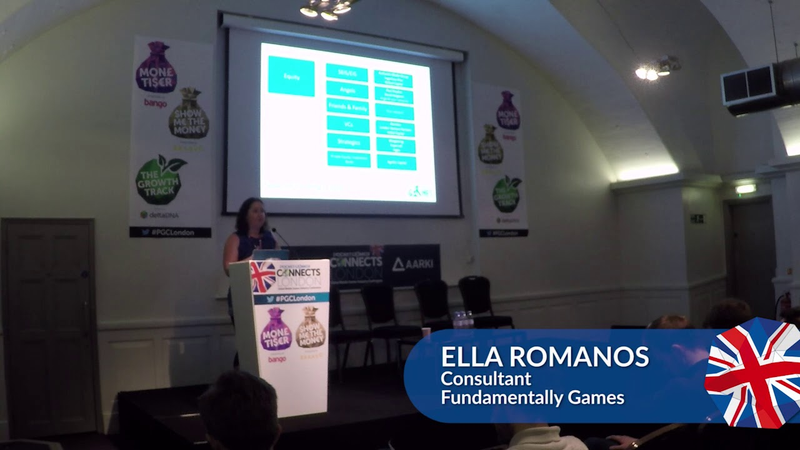
[Music] right so I'm going to in 15 minutes or so try and give you an overview of all the types of fun probably not going to quite get through all of it but I'm Ella Romano's I run a company core fundamental games one of our key focuses is consulting with developers to help them raise finance and also working with investors to set up and manage funds so this talk is going to be based on this website finances fundamentally Gamescom which is a free directory that we maintain of all of the finances that we're aware of that invest in UK companies so I'm going to talk through kind of the different types of funding
that we have different types of funders but you know if you want to look at the companies that involved many of whom are here today please take a look at this website in your own time so broadly there are six types of funding so equity project grants debts debt accelerator and crowdfunding I'm not going to talk about work-for-hire because this is very specifically about external sources of funding so first of all equity there's a lot of different types of equity financing in fact Sebastian covered a few earth of a minute ago and but the most important thing is that they're all different they're all needed at different times of your journey and it's really important to understand what is out there and the different different things and what is suitable for you so these are some examples in particular quite the ones in bold are all here today so you're gonna I don't want to go into too much detail because they can all cover them but how many people know what se is and E is is okay cool so these are government tax
incentives to encourage investors to invest in startups and high-risk businesses it's very powerful and I believe it's one of the main reasons that we have good investment into startups in this industry and in the UK and funds will normally either focus on se is or on both so SC is is seed Enterprise Investment Scheme you can get up to 150,000 pounds into a startup business and EIS is funding up into the millions the benefit of this is that the investors get a huge amount of tax relief even if they lose their money and that's the important thing so for a start-up for an investor investing in you it's huge because if they even if they lose the money they still get some tax relief you tend to get two types of funds and I think this is something that a lot of people aren't necessarily aware of you get those who raise the money into their fund they have the money sat there and then they deploy it okay then you have the other type which is they will work with you to raise the money and it is very it's very important to
understand the difference because if you go to a fund who already has the money fairly straightforward it's what you would imagine but there are quite a lot of funds out there who will work with you and the benefit of this is it's much more tailored and but equally they are working with you and therefore there might be some more upfront costs and understanding which of those each fund you're going to is very important and some of those headed your group ingenious play oxford capital and there are several others out there angels hopefully you all know what angels are but essentially high net worth individuals who invest personally we're actually quite lucky to have a couple here today Paul Hayden and David Harrison and obviously these people invest directly with their own money therefore obviously they're looking for commercially viable product projects but they're also generally looking for things that they're interested in personally the challenge with these is finding them like I said we're quite lucky to have a couple here today but usually these guys don't have websites that are advertised themselves so it's all about your network and it's all about getting to
know people who might be interested in your business there are angel networks around the UK regionally and nationally the challenge from personal experience is that a lot of those the people in it don't know about games and that can be quite difficult so usually from what I've seen angel investors that invest in games are within the industry and it's all about building who you know and your network okay I always hesitate to put this in because obviously it's not available to everyone but the reason I put it in is because it's really it's important to know a lot of people do get funding this way friends and family will often step in right at the beginning when frankly it's too risky for anyone else so it is important to be aware that that does happen and hope you know if you do have access to that that's a big bonus and they'll often obviously put money in on softer terms than some commercial investors and then you've got VCS I'm sure most people here have heard of London Venture Partners atomic Oh initial capital again all here today VCS come in huge different shapes and
sizes and they're all looking for really high potential growth businesses as in you know they probably want the potential to get ten times their money back so these are the guys you go to when you've got something that you really think can grow and they're looking for the next big thing so I think Sebastian mentioned earlier you know mobile and free-to-play was the next big thing what's the next big thing now the way to find out look at what they've recently invested in but only go to these guys when you know that you've got a good strong proposition that could make a huge amount of money and some will fund from very startup phase others are a bit further on and they usually specialize in one or more industries so London venture partners being example focused on games others will have multiple sectors but you generally want to go to those who understand games otherwise you're gonna the risk profile if the games industry is very different to others so you kind of want someone who understands what you're trying to do and then strategic so again we've got wargaming supercell Jagex all of these
guys they're looking to invest obviously for commercial game but also the critique vision of their company so they're looking for you this is what their vision is what can you add to that and then you've got private equity and investment banks these obviously are not for startups these are when you're looking to grow your already a revenue generating business you're looking for significant capitals of scale so generally you know equity investors are looking to make more money than they would if they put your money if they put their money in a bank fundamentally the more risk they're willing to take the more potential return they want to get but investors are people and you have to build a relationship with them find out what they're doing find out what they're interested in and be able to work with them you know that's a two-way relationship and also be aware you know these people are going to be in your business a long time they may want to sit on your board they may be in your business for five years or more this is a long-term relationship and they're also probably going to want to
know what your exit strategy is is something that a lot of pictures I see don't have you know how are they going to exit eventually what are their expectations what kind of time period does this particular investor how long do they want to be in your business is it they want to be out in two years are they willing to be in for 10 understanding all these things and asking those questions to them it's really important to make your pitch relevant and increase the chances that you're talking to the right people so then you've got project financing now project finance a little bit developers because the the the funder is only involved in your projects and not in your business long term but you know project financing actually there's not a huge number of companies that do it the most well-known is publishers these really vary some will fund development some will only fund marketing some will get involved early some want data and and obviously their priorities change over time so really the only way to know
who to pitch to is to talk to them you know speak to these guys find out what their focus is pitch to the ones that are relevant to you and then you've got project funds now again Kowloon Knights are here so that you know they'll talk more about that and there are a few others like old adventures and so on and but we did until last year have a bit more project financing in the UK I don't know how many people are aware of the changes to the sei sei s rules last year okay so basically what what there's a few changes but broadly an SE is Andy is now only qualifies if you're if you're a business that is going to grow whereas before it was being used a lot more for project financing that's now not allowed and therefore a lot of the funds who were doing using SAS for project financing are now focusing on equity and long-term growth so it's something that I hope people are starting to do aware of but we've seen several cases over the last year of people applying for s-cis
and EIS and failing so it's HMRC are being pretty stringent on it and it's really really important if you're looking to raise investment that you make yourself aware of the changes this link here is an article that myself and my colleague write about it obviously you should get tax advice I'm not a tax advisor but if you are looking to raise money it's a really important thing that you should be aware of then you've got grants so there are different types of grants public and private public probably the most well-known is the UK games fund who brilliant fund very over subscribed because you know they don't have they have enough money but not a huge amount and a lot of developers want it and there's also innovate UK and obviously video games tax relief comes in arrears but I'm putting it into this category because obviously it helps you to fund your game and and then you've got private grants so these generally come through like unreal dev grants Arts
Council and so on and public funds will generally invest in high-risk businesses their whole remit really should be to take to invest where private can't so bridging that gap and enabling businesses to get to the point where they can raise private money and in the case of public funds in some cases the people don't know your industry obviously the UK games fund does but not all of them do so it can be quite challenging to explain what you're doing there can be a lot of admin and paperwork and act on my own experience you could literally spend your life applying to public grants and my suggestion would be don't try to crowbar your project to fit a fund if you find a fund that genuinely fits what you're doing brilliant but you could go down a little rabbit hole of applying and relying on grants for the rest of your career so they really have a good place but there can be a lot of time in applying and in managing than once you've got the money so debt and often when we talk
about debt people think about banks which obviously they are there and but it's often very difficult for developers to get anything decent in bank financing particularly when you're a startup and so then the other things to be aware of is you know private loans so you can get loans particularly our authentic media and headgear they will fact they will provide loans against things like video games tax relief and obviously Bravo talked about you a factoring which is another option and you've also got investor debt so if you're taking on an investor they may partly give you your money in debt as well and that that isn't a bad thing necessarily so that's worth being aware of and then accelerators so toy seller rate is really equity and no equity generally if they're giving you actual cash they'll want some form of equity in return but the main thing with accelerators is that you know they're providing more than investment the money is really to help you through the program if you just want
money an accelerator is not for you if you want the support the mentoring you know that that network and that program around you this is perfect the money will just enable you to do that it's particularly good for startups who perhaps haven't been in industry before who need Mentors and that sort of framework around them to do that and most funds most accelerators will give anything from five thousand pounds to a hundred thousand pounds depending on the fund some of them are specific to games like game founders others like tech stars and so on and more general to tech and I really I think accelerators are a great program for the right people and then you've got crowdfunding so um crowdfunding is in my experience the hardest type of funding you can ever raise and I think like whereas a few years ago everybody was really excited by Kickstarter and obviously it's still a good option I think people perhaps are a bit more realistic but having done a
Kickstarter and myself I would say it's probably the hardest thing you can do and but obviously there are there is project based crowdfunding like Kickstarter IndieGoGo and so on and I would even put arguably and then you've got equity crowdfunding like Cedars and crowd cubes and then obviously you've got IPOs which if you think Kickstarter's are the Wild West IPAs are like even more so and probably even harder than they were a year ago so just a few kind of general tips there is a huge amount of finance available and there is more and more every year we're quite lucky I believe in this industry it's growing however that means that it's a minefield every single person every single fund has a different remit they invest a different amount of money they have different requirements understanding that landscape can take a huge amount of time but it's really important that you do do it and you need
to understand what each remit is what everybody's motivations are and the only way to do that really is to come to events like this and meet them and that's the most important thing you need somebody in your company who's going to be doing that and get help and advice where you can you know we talk to a lot of developers we give them advice on a tailor basis there are a lot of people out there we'll help and then again in my experience most of the funds out there if you just ask that go and ask them what are you looking for what's your remit how much money can you put in ask them questions that's what they're there for they want to help and they want to help you to understand what they're doing and investors will be in your business for a long time it's a two-way relationship you know you've got to be happy with them being in your business and happy working with you it should have been mutual respect and again my experience most investors are like that but it's really really important that these are people you feel you can work with and I think the most important thing is funding is a journey it's not a one-off thing that you do and then get on with making your game if you're running a business you're going
to be raising funding probably at several stages Sebastian touched on that a minute ago but you know a different point you might raise equity you might erase debt you and understanding what that journey might look like and all the different options that you might need to get there is really really important [Music] you
Summary
Securing financing for independent game development requires a strategic understanding of the diverse capital landscape, which encompasses six primary categories: equity, project-based funding, grants, debt, accelerators, and crowdfunding. The selection of a funding source depends heavily on a studio’s specific stage of development, growth goals, and the desired level of investor involvement. Because investors are long-term partners who may influence board decisions and exit strategies, developers must prioritize building relationships with funders whose remits and motivations align with their own business objectives.
Equity financing remains a cornerstone for high-growth startups, often facilitated in the UK through government-backed tax incentive schemes like the Seed Enterprise Investment Scheme (SEIS) and the Enterprise Investment Scheme (EIS). While venture capital firms typically target high-potential, scalable businesses, angel investors often provide more personal, network-driven support. Conversely, project-based financing—such as publisher funding—offers capital for specific titles without requiring long-term equity stakes in the parent company. Developers are cautioned, however, that recent regulatory shifts have made HMRC more stringent regarding the use of tax-advantaged schemes for project-specific funding, necessitating professional tax guidance.
Grants and accelerators serve distinct roles, with public grants often bridging the gap for high-risk projects and accelerators providing mentorship alongside capital. While crowdfunding remains a viable option, it is characterized as a labor-intensive process that requires significant marketing effort. Ultimately, financing is described as an iterative journey rather than a one-time event. Success in this sector requires developers to maintain a deep awareness of the evolving funding ecosystem, conduct thorough due diligence on potential partners, and approach the fundraising process as a professional, two-way relationship built on mutual respect and long-term strategic alignment.


















Comments