1 free read left. Create a free account for unlimited reading + AI research.
Create free account
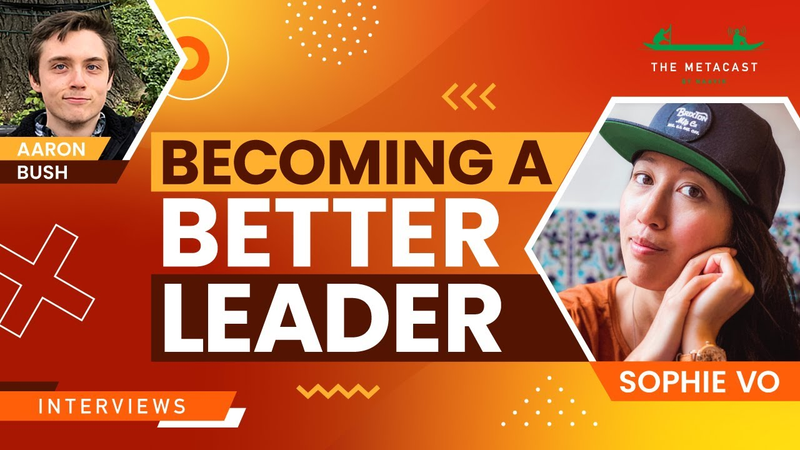
Sophie Vo: Lessons in Conscious Leadership - The Metacast by Naavik
Key insights
6 takeaways- 01Conscious leadership replaces reactive, bias-driven decision-making with a framework of self-awareness and intentionality to improve team cohesion in remote and hybrid environments.
- 02Effective management requires balancing empathy with pragmatic accountability by using structured frameworks to distinguish between skill gaps and motivation issues.
- 03Leaders must take decisive action when underperformance or cultural misalignment persists to protect the integrity of the organization.
- 04Building an anti-fragile culture requires intentional interpersonal rituals, such as facilitated workshops and personal timeline exercises, to foster trust and alignment.
- 05Culture is a primary driver of business outcomes rather than a secondary HR function, with organizational health measured through proxies like team velocity, retention rates, and vision clarity.
- 06Founders should prioritize long-term, mission-driven values over short-term growth, citing established models like Patagonia and Supercell as benchmarks for resilience.
Ask AI about this video
Transcript
[Music] hold up [Music] hi everyone and welcome to the metacast by navika podcast in which we explore the business and future of video games i'm aaron bush co-founder of novik and your host today and i'm delighted to be joined by sophie voe sophie is the founder of the rise and play podcast which focuses on conscious leadership and gaming she's a studio and game lead at voodoo and she's an investor and a bunch of startups across the gaming space sophie thanks for joining hi aaron uh very excited to be here it's also now i would say um i'm not used to being a guest anymore since i've been hosting the podcast so it's refreshing once in a while to be on
the other side awesome well i'm very excited to have you here and today's conversation will center around real tactical advice for leaders to build and lead positive and effective cultures in their games teams but to set some context before we dive in sophie can you tell us a bit more about yourself what are the what would you say are the highlights of your career so far for example and can you tell us in a bit more detail what you're up to right now sure so i've been in the gaming industry i've like now i i still try to keep to count the years just you know i think the same people but i have a aspiration today we have the same kind of age it's a young industry so i have 13 years in the industry and i started my career more on production side producer product management reading like production teams and i would say over over my personal journey and career so i also worked in different places in
france in berlin in helsinki and mostly companies companies free-to-play mobile game companies such as rovio ruger and lately vodou and i think through my evolution and that is also reflected in the platform i created a year and a half ago with and play focusing on conscious leadership practices with a podcast and online masterclass is really my product approach has shifted from games so i used to be very close to the product of a product mindset into how to deliver the best game best product towards uh teams and human organizations so i would say today i'm focused more always stealing games to um [Music] have i would say the best approach the best human systems when it comes to organization and teams to deliver the best games so that's what i've been
focusing on and to the question like what i'm up to lately it's uh very much related to this so i've been like really also from my career trying to narrow down even more what i'm great at and that i often think what can i be among the i would say top five percent even top one person in the industry that i'm capable of doing that can have a greater impact and i've really found actually my path uh into leadership of teams and thinking really in a methodical way how to approach teams and organizations and i'm in a moment of transition as well uh where also i'm looking at what are my next steps and uh should it be building a new company a new studio or joining uh forces with existing companies to really have an impact on the organizational level and uh the culture of your organization so i cannot say too much at the moment but all i can say is i'm in a transition to
you know see where i can be of the best uh use and use at best my talent well i can't wait to to hear what's next um also just to ensure we are aligned because we're going to be spending a lot of time talking about what conscious leadership means in a company can you properly define conscious leadership for us like are there any key tenets or principles that comprise conscious leadership in your view sure so the key word here is uh conscious and in leadership um i would try to say it in a simple way it's basically you know when you're in a leadership position you have a lot of decisions to make for yourself for others where do you go the strategy etc and many of those decisions are done most of the time i would say from an unconscious origin could be emotional you know uh source of what uh lead you to make
this decision bias uh pressure um you know so what what can drive you to make the decision so by conscious leadership is the decision you make as a leader you know why you're doing it so you have spent a bit of time to reflect and think of why you're doing this so for example when you select a strategy or you select to hire people are you doing it out of a conscious place where you really ask yourself you know why you're doing this or you just follow your guts your instinct and then you don't really know why and it might be actually a biased decision so that's what's behind the principle of conscious leadership is every single decision of things you do or things you say it comes from a conscious place and we can go more in detail through our discussion today to what does that mean in practice well i think that's great sophie um to have that context and understand um you know where leaders can come from from a conscious perspective um you know as i you know was beginning my career in
studying companies as an investor and helping build um you know what was the last business i was a part of um we were very um pro the term was conscious capitalism which i think is a bit different from what you're saying but i think it ties in pretty well so basically you know if you're building a company you are capitalism um in terms of um you're managing you know many stakeholders to build something that ultimately is self-sustainable um and what makes conscious capitalism um unique is that it's not just the goal is not just to maximize profits and to maximize that one single stakeholder but rather to take a balanced like a balanced conscious approach to all of your stakeholders which would be making sure that you're treating your employees as best you can making sure you treat your suppliers as best you can making sure you treat your community as best you can and while also obviously treating shareholders well too but by treating
everyone well you can you could potentially in many ways when bigger and better than just maximizing one of those one of those avenues and it really starts with conscious leadership and i think how you just summed it up um is very wise and so let's for for most of this conversation i think we're going to dig into again some of the tactical advice of what it really means to implement conscious leadership inside a business and so i want to dig into some harder questions that come up when the world is chaotic and changes for pandemic economic industry specific reasons uh they happen in big ways and so maybe one place to start um is you know one huge side effect of the pandemic is that many teams don't work together in person anymore or at least fully and even though there's some debate about whether in-person or remote work is preferred in reality the world is never going fully back to the way it was remote work and
even some hybrid workplaces are here to stay i work remotely there's obvious positives to that but like many teams it's harder to build meaningful connections and to quickly build trust um when apart and often apart in different time zones so sophie what is your tactical advice to teams who are in this position how how can we better speed up building trust and building meaningful connections when teammates are are scattered everywhere yeah so this is i think one of the main topic i've heard through many many conversations because this is a reality that expectation also from people in the workplace to have more of this flexibility to work you know from home or different places at different times i think this is important to uh put this into the context and like you said i i highly doubt that it will go back to it's like there's only one ways
forward so it will evolve maybe closer to what we used to know few years from now but it will not go back to the way it was and so when it comes to building trust and in a team and connections in a team i think it's important to understand first the context of again why does it matter why do you want to create trust and if we look at an existing organization that managed to build trust before then they make a during and we found solution to build it i think it is less of a challenge to then be flexible work remote because the trust is established and you you have uh learned how to work with a setup um i think where it's more challenging is when you are building for example a new venture a company a studio and let's take a concrete example here where you're a team of co-founders for example
who've not really known each other haven't really met a lot in in life and when you are to build this new venture there are so many questions you have to address to solve uh not to mention as well how do you go through the conflicts and disagree so all those uh little things that actually matter when you need to have very productive conversation i built with trust and i i would say it is difficult to build it uh fully remotely so uh it's i would say instead of a debate of okay should it be remote and uh fully on site i think it is here what creates trust um among humans and in the workplace and um i like uh i have uh used some references from uh so there's a tech talk from francis frey about the pillars of how you create trust or rebuild trust and it was really interesting it was approaching the topic
with a framework and i i really like frameworks because it gives structure and how you can approach it and she was uh talking about those three pillars of one is empathy so can you understand uh be feeling the shoes of the other person what they are about and so on the other one is if i recall correctly is understanding the logic of the other person so how they think how they make decision and those things of course develop over time and uh i think the last one was around more caring but you have trust or you believe that the other one cares about you and so let's let's take for example those three pillars and um how do those things develop they develop with time you spend with a person and how do you get to know someone well you get to know someone through work but you get to know someone as well
through non-work so non-work topics uh how do they you know how do they treat friends how do they even sometimes you can go out for a drink and how do they treat the staff it's like you see so much so much from a person but it's just spending a bit of time with them um how do they talk about their personal life what do they do in their personal life so i would say what's important to speed up the trust is more meaningful time and moment you spend with a person instead of like more of a quantity so you have to spend every day of a week working together in a studio i would say it's more of the intensity and the depth of the moment you spend so advice can be solved if you're a remote team to do off-site or make sure you spend few days together especially at the beginning where you spend time at work but also out of work going out for dinner maybe maybe meeting some uh relatives uh you know of uh of the key i would say team member that
should work together just to have a grasp of what the person is about um so that helps and i think also of something so this is more for the personal interaction and there's another part that is i would say more on the psychological level which i have tried uh also in workshops especially at the beginning is you can do those workshops facilitated by a coach and for example we went really deep into sharing a personal journey so we for example as team members we uh were drawing a timeline i don't know if you've ever done that kind of workshop or it's a it's a it's an exercise you do a lot in coaching as well so you draw your timeline and you draw the intensity of positive and negative experience and what were the highlights uh the events that triggered a positive memory or a negative memory and we were doing this
exercise as a team in small groups and then we had to share our journey and our timeline to each other so for example uh when you understand the psychological emotional journey of a person they had to mention when they went through divorce or they went through depression or they had they went through therapy and it's very vulnerable exercise where you share with a lot of trust a lot of openness where you understand i'm not dealing here with just a worker i'm dealing here with a human who had their own experience their own baggages and it's part of them right so sometimes also understanding as well what the person are about not just as a professional but as a whole it allows you to give to have more empathy in moments where sometimes you have disagreement and a person is just like i don't know uh uh like completely um i don't know having a nervous breakdown or really renting and then you understand well there may be in the face that personally is affecting as well how they're communicating so of course it
doesn't make an excuse but you can understand and start a conversation from verizon hey look the way you communicate is affecting others and it creates anxiety i understand where you're at but we need to do something about it but how can we help each other what do you need you know so this is also what creates trust to understand the wholeness of people and not just their professional face or public face yeah that's all great and i wish i talked to you a year or two ago because um at even just for my own experience at novik we're actually having our our first off-site at gamescom uh this i guess in a month from now and um it's crazy because i have yet to meet anybody on the team in person and there there are weird like coveted you know complications that uh kind of made that you know have to be the reality where off-sites weren't possible but we started joking that our
our first off-site is actually more like our first on-site uh where we can you know it's the first time that we'll actually be able to spend that kind of time with each other but um but yeah i think everything you said makes a lot of sense from my experience uh this this didn't help necessarily in speeding up and coming to to trust and collaboration quickly but um part of what helped us at novik from not having met anybody in person is just being able to do like projects like kind of like test projects with people over over some period of time and then through that you know you try to build the social camaraderie that comes with it so that you can learn a lot about how a person works and just who they are as a person it's definitely um imperfect especially compared to to some of the examples you were saying about how you can have workshops with coaches and all and all of that but i thought i would i would just throw that out there um one one quick tangential thing to this um you know some some workplaces are also becoming hybrid um which kind of comes
with its own pitfalls and i was just going to ask you quickly you know if you wanted to mention any pitfalls or things to be aware of when having a culture that is hybrid how do you manage that well as a leader i think the common mistake is you think that you can apply the same principles and the same approach while you were on site to when you are working remotely right so um i give an example for example when you go in meetings when you used to go in meetings and meet people face to face the appearance your first impression or how you appear in meeting uh the time to talk are things you pay attention to in a meeting those things get a little lost when you are in remote but i think the same thinking can apply here where in the end uh what's your identity when you are working uh mostly remote and behind a screen so it's your top part of the body right so your face
actually has even more uh emphasis so usually you would check the body language when you deal with someone you look at what they're doing how they're working how they're laughing you know you can observe them the whole day to have a sense of a person here it is very concentrated in this those little moments like we are having today you see the top part and you see my face so little things is let's say you want to connect with other team members and then you just having like close face all the time uh you're not really like looking at the camera and you're looking somewhere else or giving the impression that you're not really listening or actively listening those things actually matter and people notice and people sense it so especially in a position of leadership when you want to connect um with your reports or even connect with anyone in the team you have to be doubly conscious about how you appear in a call and are you really here does the person feel that you're listening here are you are you not here so i think
uh for example those are some traps where we think you know we can just uh be the same as before and um i would say as well how uh rethink as well how can you create those moments although it's online to create this connection it's not because you are not in the same city but you cannot have those moments so planning for it and at the beginning it is a bit artificial so let's say you want to organize an online team event or after we drink and i i think we have many of those anyway during the cuvee but it is a bit silly when you think about it but it's not that much because it's it becomes a habit so keeping those rituals where people can connect and um be creative about how people can connect online we've done a lot of online uh games actually uh together as a team or even something we call like i think it was uh
mtv crips where we were showing our apartment and taking the laptop and going all around to show like okay this is my cat tree or this is whatever i'm passionate about you know so being creative on connecting so again applying the same principles what do we need when we assume and how do we translate this in a setup where we remote right so pandemic and even economic influences can extend beyond changing just where people work and it can also lead to uncertainty around restructuring and layoffs and companies just having to make hard decisions as they go through hard times so in these times how should leaders best communicate and this question is actually quite close to heart for me so it is something that has been a lot in my mind over time i have to say uh during during the time building the new studio the new casual studio at vodou because um so there are two layers of it
where one one is that as a new business the new venture inside the organization you are a bit disconnected from the leadership so there's always a feeling a sense as your own unit so we are we were on unit in berlin that you don't really know or have a sense of what's happening on a leadership level and maybe there are things a discussion happening that you know you learn next week okay this is over we have to close your studio so this this was a bit of a uh i'd say paranoia but the thought that was always in the background of uh of my thoughts because it was a possibility that it could happen and um there's also the reality as we have seen recently with many layoffs and you know um refocusing the core business or some organization but a lot of ceo uh closed and quickly so it bears a reality and it happened so what i would say here is
something i've been really conscious about and this is where i use again the word is to be transparent with the team and that was a a subtle art and balance of communication with a team where how much do i share and how much do i keep right so there's the concrete information of where we are and there's what are my projections and what i think might happen but it is not necessarily a reality so what i i made sure of over time was really to share what's the situation how much do we cost as a studio i know the reality of how much for example when vodou was raising uh rounds you know of investment well to talk about this and give the context like what does that mean for us for our team uh what is the you know the level funding in our team and how much time let's say as a team that we have with expected results of course i i i didn't know if it was matching a
reality what were the expectation but that was also my responsibility communication upward to always make sure that the expectations we were aligned and what was expected of us so i think there's here a part where are we matching the expectations towards our stakeholders or investors and if we are a bit borderline as a team and it's not to say here to blame or work only and you know it's it's just tough uh new games and development and you're also sometime tight if you are part of an organization of the strategy so you're doing your best in in this box and you know as well when you're doing well in this box and you know sometimes where you're doing borderline and i think it's important as a team to be aware where you stand and so i often uh told my team this is the reality and i shared very openly my plan over time what would we do what would i do if that happens so to give a concrete example here again
what would we do as a team we should always you know be critical of what we're doing when metrics are not met we should be critical of pivoting or killing already the game which we have done actually at multiple occasions during our lifetime but also i share very transparently what would i do if rcu would close and what would be my attempt so i will always talk about our teams outside of your organization for example or um i'm very connected to this sovereign network of investors and so on so it it i wouldn't say give a rich reassurance for the team but it gave them an outlook that this is part of our reality you choose to be in game development it's wild it's it's uh risky especially in some organization and uh uh the studio coming to an end doesn't mean it it's an end for us as a team or as a group so that also gave a bit of a linearity for people to think uh you know instead of thinking in a binary way it's
like oh if uh shut down it's over and then having this anxious thought every day so it's also about building the resilience of a team this is business and then you know it's a it's not the end of the world there are solutions uh if that happens um and sometimes change might not happen at just a game or studio level but needs to happen at a personal level too um so sophie what have you learned about approaching letting someone go and from a team composition standpoint why is it sometimes important to do so having talked to quite now many many founders uh team leaders about was this topic it's i think it's the hardest one that especially when uh in in the group of conversation i have around conscious leadership it's very human-centric you know we care about the people and then we have i think we have a tendency to mix that because we care and from the moment we part away with someone we don't care and that's
actually not true um so the way i approach approach like letting go is like basically really in the end parting ways with someone is first looking at the team composition and um following closely the team growth and performance over time and following also up on how individuals feels in the group so checking having a close pass with a team and also the development of individuals in this system and when you see so it's important to start with a system where you have clear expectation for people on results expected outcome and to follow up on those outcomes you have regular conversation one-on-one and when those expectations or outcomes are not met the person should be aware right so it's uh i think this is where the conversation starts and here i would say the work of uh coaching and developing people really starts where you try to inquire why is it not
happening um is it something failing on the leadership side like we are not clear about the objectives whether what is expected from you how can we clarify this or could be on a motivation level so i use a matrix that i called leadership matrix i got that from the book lead inside the box but i really like but basically it's a matrix with four boxes and you have in the top right exemplars uh people and then you have in the other boxes uh i think you have um high cost uh high cost people and i explain quickly what it is about and one is passengers and very last one is detractors and so it's important as a team lead to understand where people are in this matrix and why and what i like about this metric is not to put people in boxes to say you're a law performer whatever distractor and you will stay there for the rest of your life it's not about that there are phases and then you understand that people could
uh and what's on the scale is like people who cost um what they leadership capital so they need a lot of your attention as a lead and people who have uh high output or low output so detractors basically are on the lower output and high leadership capital scale so when you see with some individuals in the team that it is happening you know they cost a lot of your attention energy and they are not pre like they don't have a big output you try to understand why and there are usually two reasons one is a motivation mismatch so what they are doing is not align with what they like to do so they are not so energized and motivated but it's an inquiring discussion to understand if it's really happening and it takes trust for people to admit that they are not so motivated by what they are doing or it could be also a skill gap right so people don't have the right tools or the right skills at the moment to be able to do the job that is expected of them so then you have several actions right you can
support help coach train grow them to be where they need to be or then you can follow motivation try to redirect can we reassign the person on another position or sometimes this is where the conversation goes like is this still a right uh match for the two of us right so it's a conversation and those conversation when we start to see there's a gap whether it's skills or motivation they take six months and what i do with everyone when we start to have those doubts is like let's let's have a plan of what is expected and you agree on this plan you make the plan and let's check in three months and then six months and at six months we see okay it didn't go anywhere but maybe that's the way to eat and so there's no surprises at this point we part ways in a professional way and and then usually people admit by themselves but from my experience but the the heart is not there anymore for them and it's better right you to live so accompanying them as well to live a
transition and sometimes help even to find someone um and i think for the second part of the question you were asking about um how i am why and it it affects the rest of the team it's when you again it comes down to culture a culture is about the behaviors not only over ears but everyone in the team and the people who are really the ambassadors the drivers of a culture so when you have uh people uh showing inconsistent behavior in the culture let's say they do the opposite and they are accepted and still are in their role even worse if they are in a leading position it sends the message um about the culture that is inconsistent and then whoever is also part of the organization is not sure is like okay so we have someone who is very aggressive in communication and while we say in the culture like we will be always respectful so in the end this person is super aggressive and they are still here so in the end it's okay to be aggressive in communication in the
culture so to live really the culture you have also to either calibrate the behavior of people to represent the culture or sometimes part ways with people who are opposite to the culture you want to have and this is where the effect is because the ones who really embrace the culture they will be demotivated at some point or effective in a negative way by the ones who are not really leaving the values of a of a team that's all very well said um and related i i saw on your website i read something about building anti-fragile teams and that was really interesting to me so i'd love for you to explain what that means and how you actually build that as a leader inside of a company yeah so for the context uh how i i got this concept in this word it was from the book anti-anti-fragile and uh written by the economist yeah yeah yeah so uh and so i was really inspired about like
i think a lot of about teams uh with systems you know system thinking and so i thought like how could it look uh if i apply the same thinking to a team and actually uh when i think of games as an industry and ecosystem it is uh you know very um could be erratic unpredictable market etc so how do you build a team that could be antifragile and so what's the definition of is opposite to something that is uh as you have seen uh read in the book as well uh robust or fragile it's uh something anti-fragile gets uh stronger uh as it goes through you know hurdles challenges and uh it transforms so for example um an immunity system immune system of a body is antifragile right it gets uh and that's also when you think of economics as well as their system that aren't fragile so what it means for a team
i was thinking like what kind of culture and uh type of people does they need the team where by the mindset they would actually grow by the hurdles where we would kill a game or sometimes we lose people or sometimes we are close to shut down the studio or sometimes we are really short in a budget and you know we don't know if tomorrow exists and some teams will uh be destroyed by those kind of events because they are either fragile or maybe they have been trained to be just robust to external events and uh you know we will just uh resist to those events but will not transform so i i really wanted to build a team that would love those challenges and will grow from this because i know this reality in games especially when you go for new ventures and and try to you know innovate evolve you will always have hard things you will always have hard times and you will have to change
along the way so it comes down also to individuals and i i would say the main important thing is really the growth mindset do and that's how i build the team like do they love to learn and are they willing to to change and learn and evolve because they that that's the path that we're taking and the ones who uh wanted and i have experienced this as well in teams security predictability it it was very difficult because it's not something i could promise and i could see for them it created a lot of anxiety so it was not fun on both sides right so that's what i think of about anti-fragile teams and when i think of uh perseverance and how let's say hits or success happened it's about perseverance where you will iterate long enough and to get better grow and learn as a team to eventually reach whatever you aim as a success and a concept that
when it comes to really uh iterating and persevering i like to think about the infinite game you know it's it's uh not about winning the game because it ends so there's no game to win it's about staying in the game and that's the mindset as well about an entire fragile team you want to stay in the game and what does it take to stay in the game like be remain the core of the team you know survive financially etc makes sense um and there is actually before i go to the next question i i just want to say sophie it seems like you are um very well read on a lot of books that have influenced how you think um uh i'd love to hear maybe if could you list out maybe like three to five books that you've read that influenced how you think as a a leader positively and i'd love to i'll include it down in the the show notes too so i'll take notes of what you say yeah and i had some time to think a bit about
it because i don't know for some reason other people ask me this question recently so i mentioned as well the same so one that really uh changed my my mentor gave a lot of structure about conscious leadership is also the book has consciously its 15 commitments of uh i think conscious leadership uh i think the exact uh let me just to protect 15 commitments of consciousness yes so and in the book what i loved about it is like as a leader we tend to think like it's a lot about the tactical thing like you are have a plan have a strategy here it's about being whole like be aware of your emotions be uh you know embrace your unpredictability so there's a bit of i would say almost a bit of a spirituality as a leader and how you can approach those things but you are really uh embracing kind of a world and what happens to you and really be aware of how you react to this world and owning a lot of your own emotions be aware of them and owning
your emotions and your actions instead of being in the in the mindset of being a victim of the system right and so that completely changed the mindset because once you take charge of your life and you are owning many things then it changes a lot of how you appear you know how you change things and so on and it helps to evolve and grow a lot so this book about leadership and one that really also um inspired me a lot about culture beyond as i have a those conversations these days about how do you build a culture and i've seen in gaming it has been treated as a a side topic you know it's like let's have a people department and let's have a culture and then you know it's like you put it on top and then hope that it will happen and in uh this book is called fusion brand and culture it's uh by denise leon and she's explaining how much culture is the strategy it is not something on the side or you do after once you have your
company it is part of everything you do whether you want it or not and when you want to build a company that is very deep and strong in the brand and its value in this way of working she really breaks down in all the layers of organization how culture exists so that's also what changed my mindset about culture and when i have those conversations like okay it should be in the people team no it's in everything you do even the games you make and how you appear to players your marketing messages and everything and maybe a book for a first thought is maybe different in leadership yes i think one that has been also quite a big transition point during especially the cuvette for me i've read a lot actually during more than usual during that time was the daily stoic uh from orion holiday and i was reading uh
diligently every day the daily stoic so it is designed to read over a year and so i read i i made a challenge for myself i will follow the design of a book by reading one line of philosophy every morning for one year and i did it and i can say it has transformed quite a lot so my mindset about many things and it's back also to what i said about the first book of about conscious leadership like uh in in the in the stoic mindset where a lot of things happened towards you and either you are a victim of all these events or you take more charge and you own uh you know what's happening inside you how you perceive things and how you react to things and what i loved about the stoic man mindset is really gives a stability in what you should focus there's so many things you can try to solve at the end of the day and having awareness of what you can control which is mostly you your perception and
your action and letting go of the things you didn't control was a big relief and a way for me to handle and lead many things that's why people ask sometimes how do i do all of them doing uh with a full-time job and podcast and everything it's with a stoic mindset i a lot of things happen by itself i don't have control on them but i control a certain input and then that's also changed a lot of my approach into work and life awesome those are all great thank you so much sophie let's switch gears a little bit um in our final 15 or so minutes together so there's you know a common saying in business you get what you measure and if you're trying to improve your culture your leadership your team's performance how do you decide what to focus on and measure any progress whether it's surveys or a coaching system or executive incentives aligned with some metric what more quantitative systems or approaches have you seen uh work well in companies
so i wish i could give you a concrete uh answer about this but i think there are is still to be done and experimented to have a bit more more quantitative measure of how do you measure a team performance or culture right because the way it has been addressed like i said so far it's been a side thing so for example when you look at um hr organization uh you don't nobody talks about accountability or metrics of how it impacts the business it is like okay how many people were hired other people satisfied in the company but it's never tied to business impact and i think this is personally coming from game development this is where the disconnection is because in the end you don't be an organization just to have people being happy and and being there and just happy no people are happy and fulfilled by achieving something also together as a group with collaboration connecting with other solving uh complex problems and
also having an impact right so you create a value at the end of the day so i can share some ideas of what i how i would approach it and i am um that's why in the transition i'm thinking as well how uh how can we rethink a bit organizations when we incorporate more culture and team performance but what i look at again it's how a system gets better over time so when you think of culture and team performance and a business impact over time your business will grow it's not only revenues but do you get better as a team and organization it could be for example velocity of sprints or you know uh like number of uh mistakes done or the number of tasks done over sprint so this is what i i look at where if you have a well-functioning team and a healthy culture you can look at also production performance although uh people in charge of culture and
organization cannot be directly responsible for the games kpi but you can look at how people are doing things and you can of course put the factor of satisfaction that people feel filmed you know they have clarity on what they're doing so that's also a metric i would look at if i have 50 percent of people who survey for example who say they don't understand the vision this is not a good sign like because you have to understand what you're doing if you want to of course perform better and uh the other i was a signal is return as well do you have an a healthier organization or do you have 50 percent of your staff that is churning after six months it's not a very good sign as well of a health organization so you can look at different factors which are retention of uh you know people in the organization but also what i call team growth like how the team as a unit is getting better over time or are very you know like deprecating because they are losing people and so on so there are ways creative ways i think to define it but
it's still for me to be done because so far it's been so disconnected from game development yeah that all makes sense um so today we've talked a lot about ideas and principles and tactics but can you share any examples of companies or leaders who really stand out on a conscious leadership standpoint to you i'm just curious to hear um who just see who we should be paying attention to what do they do that's so great and maybe how we can think about replicating some of that success yeah so i mentioned some example out of games first and then in games so a lot of games as well i've i've looked at patagonia for example and i actually have learned more about the type of leadership and culture for the book reinventing organization also great book about rethinking as well uh you know work and dream places where there's a highest form of organization which is called teal organization where really there's ownership
accountability from employees of your organization and it's very mission driven and patagonia exists not for profit but to really make the world a better place like more ecologically and and a lot uh in the behavior and in the behavior of a founder and ceo are reflected reflecting those values so that was very inspiring to see it again back to cultural leave at all the levels and you can for example in patagonia you can recycle things you bought and they take care of it and can recycle them to create new products out of it so they are living really their mission at all the levels and even in the interaction with consumers so as consumers you buy really what the company stands for other companies that also were inspiring more in like how they define and you can see they have a very strong culture and that doesn't mean that i agree with that culture but uh first having a very strong culture i think it's an achievement it's for example netflix they've been
very visible also about their culture uh with their books and uh it's a culture of uh ownership and responsibility and i think they inspired a lot of companies to follow same similar principle but they are really also they have a strong culture that believe at all the layers of the organization so a very very performance driven and consumer driven and it's not about creating a family place or a happy place it's really you're here to create entertainment and perform right so uh it's very clear for who wants to join who's suitable so uh that that kind of uh commitment in creating culture i really uh admire and other companies like airbnb and disney for the same reason strong positioning strong culture and a very strong clarity about their values so example are in games now and some you may know some you may not know but for example i've been also in contact with the founders of lightheart
entertainment and they were also following uh we we talked actually with founders about their inspiration of organization with the tier organization in reinventing organization book and i i think they really apply that small scale really this mindset and principle of this very flat organization and shared ownership and it i think it works on the small scale it is a challenge of course to scale this kind of culture but they it is inspiring to see an attempt there a supercell as well very strong culture and a very visible ceo as well vendor sharing about the values and leaving those values and i want to mention also cam who's also a friend and a founder of pixel games and also very conscious once again about the culture he wanted to implement and sometimes to car decisions but has always been consistent in his values and what he stood for and this is the kind of leadership i admire sometimes you take the hard decision to uh you know have full integrity but that
means sometimes you have to make hard decisions and you know sacrifice certain things of you know on a personal level and so on so those are the things that come to my mind those are great uh before you wrap up sophie uh we've talked about your perspectives as a leader in side companies but i kind of want to switch the perspective up put you can put your investor hat on which i know you've invested in several and several gaming startups and i'm curious how do you spot conscious leadership in the earliest stages and you know as an investor is that something that you focus on at all so i would say in general as an investor i invest first and foremost in founders and teams i games are just uh a way to understand how they approach games and you know what uh like the concreteness or of how they approach a company but it's not in games where i invest because they come and go so
um in the way invest of course uh i have a certain budget so i i cannot invest in all the id so i choose very also consciously who i invest in and what i've seen example and it's also a company i'm invested in uh it's called tailwind and uh building the metabolism and uh in in roblox uh universe and in their deck for example they actually dedicated some slides about how they will run the organization and the team and why they exist so just having a slide about why they exist to me at least resonates with me because there's a lot of deep thinking and thinking through we don't exist just because we want to make a game we want to be this kind of organization that will approach work this way or we will create something that will impact players humans this way and something for example that they put immediately in their deck was we will go for the four
uh day uh work week you know and how they why they care about this and how they would apply this and this is really also touch me because usually in the deck you have all these things about uh prospect financial prospect and so on and everybody is playing the same game it's like wow uh the fact that they dedicated some slides about it that means also a few slides for other things you know that puts actually the priority or what they are about and i believe in the long run like uh you know um of those companies and you can see in the deck of some companies they are really thinking long term and also about the people they were on board and and how you know they will create this long-term vision awesome and uh just a quick follow-up uh what do you think are the most important things entrepreneurs in the early stages can do to set their cultures and leadership abilities up for long-term success so the i've seen the also this is one of the
traps or i would say human bias we think like when we start we have to race race race and you know hustle hustle us all yes we do um but uh i think of efficiency as well when you don't have a clear vision yet of what you're doing and with who you're hustling hustling and then you have to undo it and redo it several times so it's not so efficient so my advice is really sometimes you think you're wasting time by taking it slow and i know it's counterintuitive when you have to get started quickly uh but taking it slow to really really understand again why you're building a company because there will be and i'm going through this process as well as i'm evaluating with uh you know former people of uh my studio why are we a group why do we exist because there will be many hurdles and sacrifice you will have to do to build your company and when you wake up every day where we have this big energy and passion to do what you
care about then you will do it but if you don't care then it will be a struggle along the way so that's also where when the heart is not there in a company in the long run from the moment you have those uh difficulties it is a signal that you may not be doing what you really want to do right and it's the same how you set a co-founder so i would really test for a certain period of time is it really what you want to do and why and with whom that's that's a great answer um well i think we should probably wrap up now but sophie this has been a really phenomenal conversation um very last short question for you where can people find you if they want to learn more about your ideas or connect so my main channel is linkedin so they can just type my diamond find me on indian and what i'm building with rising play it's really an ongoing conversation with the leaders of industry and people who
really see opportunities of change of evolving and you know make it also more healthy in the long run so i'm really also looking forward to having more conversation with other leaders and joining the movement with rise and play awesome well sophie thank you again for joining me today i can't wait for everybody to get to listen to this episode and also hopefully read some of the books that you threw out too and implement some of the the practices that you called out and i think we all can improve by and listen by listening to what you have to say so to all of our listeners if you enjoyed this episode please make sure to give us a like subscribe five stars would mean a lot also make sure to check out our free newsletter navic digest and if you want extra premium research like weekly game deconstructions and market updates check out novik pro links and discount codes for all of that as well as all of the details of today's conversation with sophie all of that is in the description thanks for listening and we'll catch you next time [Music]
you
Summary
Conscious leadership functions as a strategic framework that prioritizes self-awareness, intentionality, and human-centric management to drive organizational success. By shifting away from reactive, bias-driven decision-making, leaders can cultivate environments where trust is built through vulnerability and deep connection rather than mere proximity. This approach is particularly vital in modern remote-first and hybrid work settings, where the quality of interpersonal rituals—such as facilitated workshops and personal timeline exercises—serves as the foundation for team cohesion and alignment.
Effective management requires a balance between empathy and the pragmatic necessity of business performance. Leaders must view team members as whole individuals while maintaining clear accountability through structured frameworks that identify skill or motivation gaps. When underperformance persists or cultural misalignment occurs, decisive action is required to protect the organization’s integrity. By fostering an anti-fragile culture populated by individuals with a growth mindset, companies can better navigate the inherent volatility of the global gaming and technology sectors.
Ultimately, culture is not a secondary human resources function but a primary driver of business outcomes. While quantitative metrics for culture remain challenging to standardize, indicators such as team velocity, retention rates, and vision clarity serve as proxies for organizational health. Founders and leaders are encouraged to prioritize long-term mission-driven values over short-term growth, drawing inspiration from established models like Patagonia and Supercell. By slowing down to define a clear organizational purpose during the early stages, entrepreneurs create a resilient foundation capable of sustaining the company through inevitable industry challenges and periods of transition.
















Comments