1 free read left. Create a free account for unlimited reading + AI research.
Create free accountWhitepaper DiGRA
1 free read left. Create a free account for unlimited reading + AI research.
Create free accountWhitepaperDiGRA
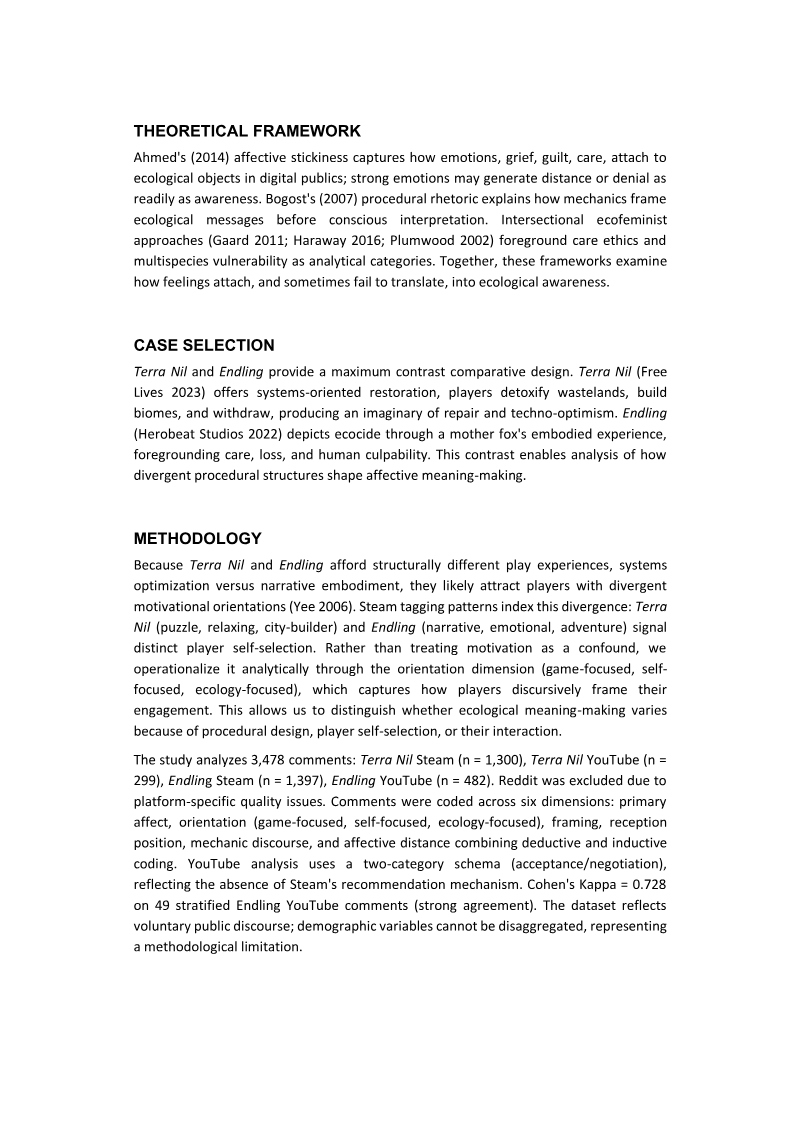
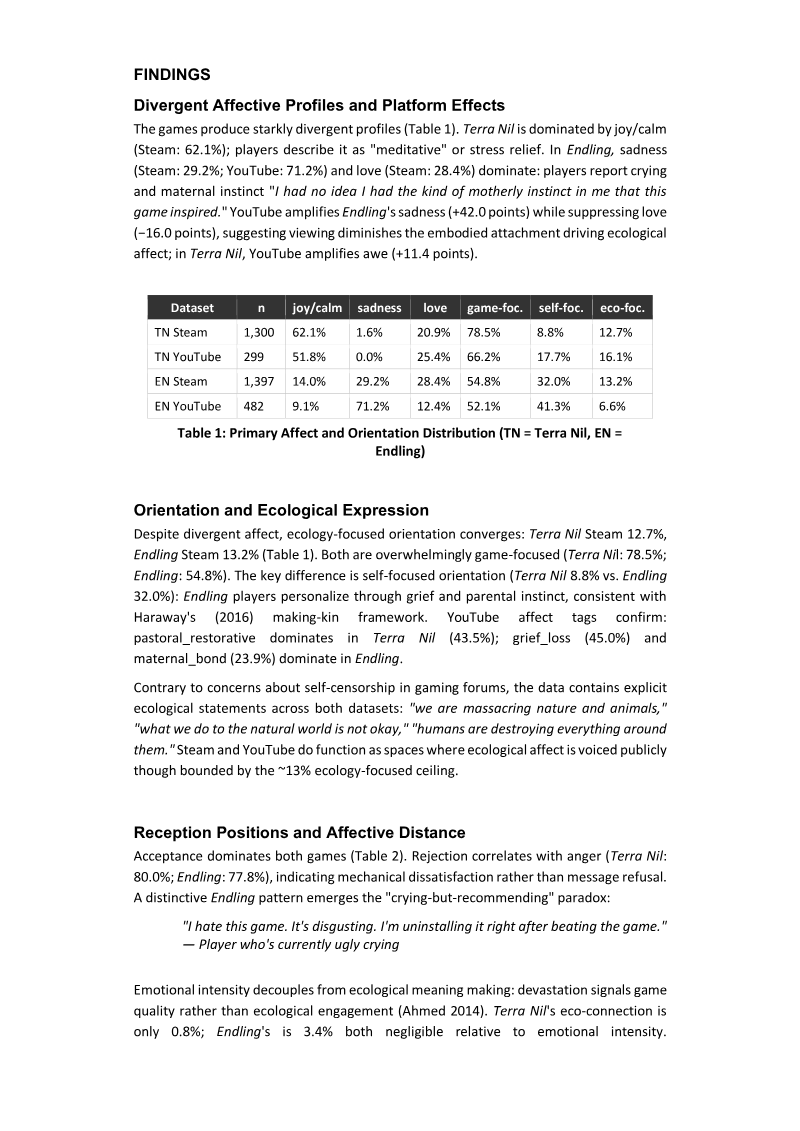
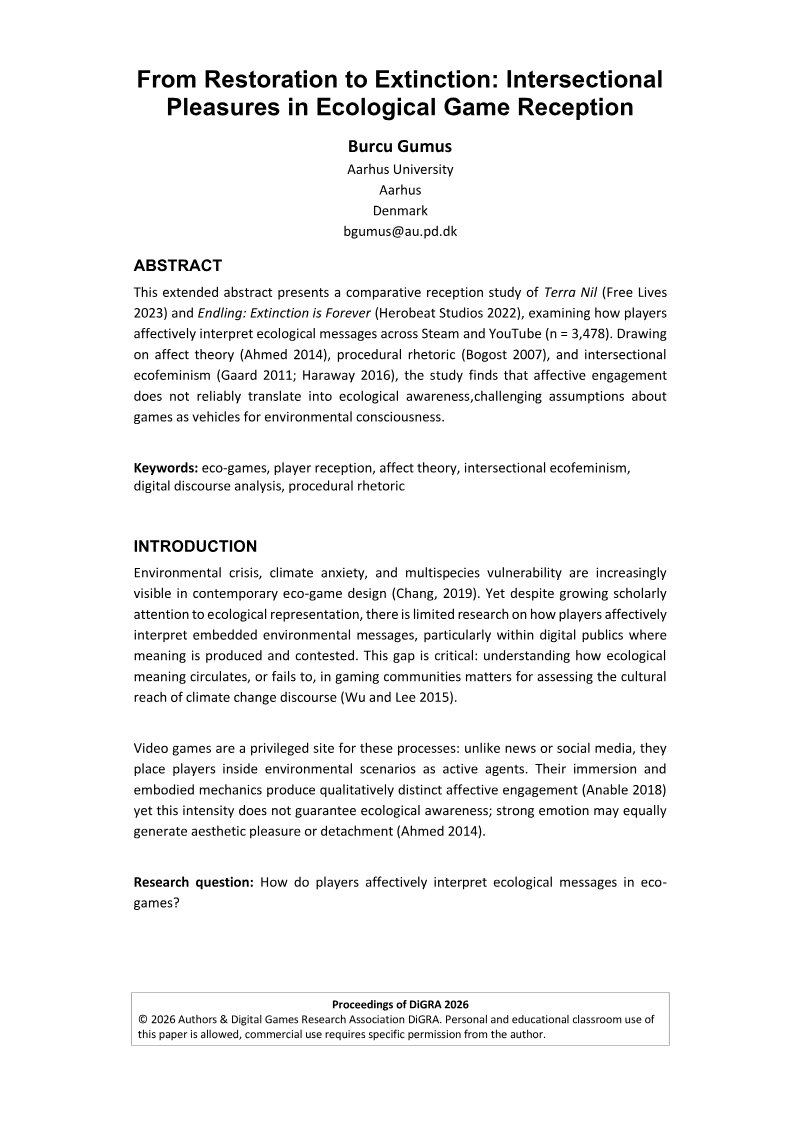
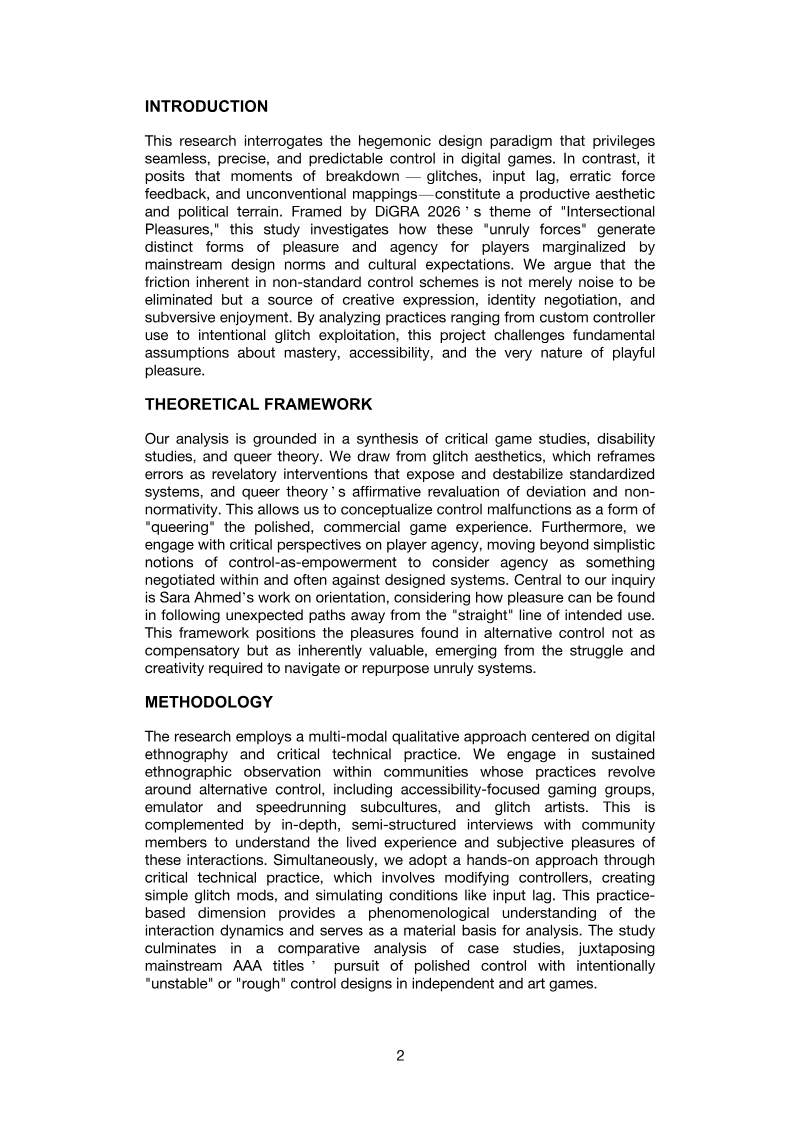
The paper argues that identity traits across Pokémon's creatures and human characters are left loosely connected or unspecified.
This paper argues that the Pokémon franchise functions as a space of "identitarian semantic openness," in which gender, sex, and sexuality are presented as deliberately loosely connected or left unspecified across its creatures and human characters. The authors contend that this openness is not a shortcoming but a generative resource: because the games decouple identity traits that have traditionally been treated as inseparable, they leave ideological gaps that audiences can fill in varied and often queer ways. The thesis is that this expansive identitarian potential is a product of the franchise's ambiguity and lack of concreteness.
The analysis is organized around three forms this openness takes. Gendered figures such as Drayden, Bruno, and Drake are presented without readable sexuality; some human characters, such as Bugsy, resist easy gender categorization; and many creatures, including Machamp, Lopunny, Gardevoir, and Meowscarada, display appearances that do not correspond to normative expectations of their sex. The authors compare this strategy with other franchises, noting Hello Kitty's removed mouth and the limited speech of Link and Mario, but argue that Pokémon's combination of identity traits is distinctive.
The study's empirical basis consists of fan expressions drawn mainly from Twitter, Bluesky, and Instagram, examined for their capacity to generate identitarian meanings. Rather than fixing a definitive reading of the franchise, the authors aim to document the diverse ways fans interpret and rewrite Pokémon, and they seek to catalogue the franchise's gaps systematically. The work is framed by scholarship on fan communities, anime adaptations, gender and sex fluidity, and theories of masculinity and the historical management of sexuality, positioning it as an extension of earlier studies on identity in Pokémon that did not account for semantic openness.
DiGRA · 2026
DiGRA · 2026