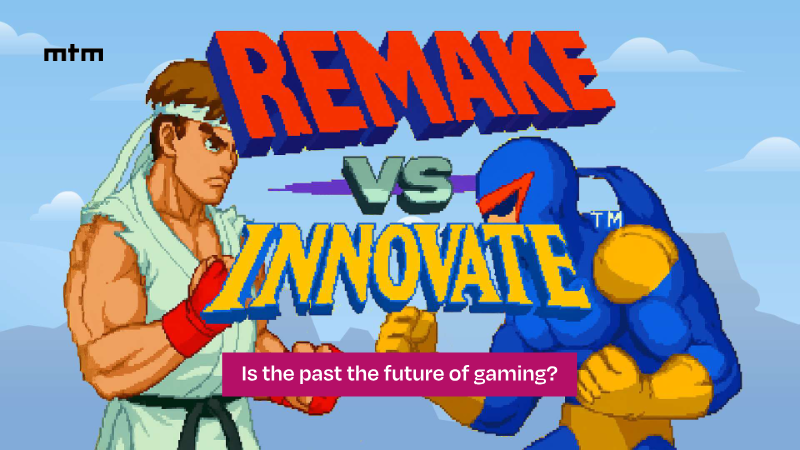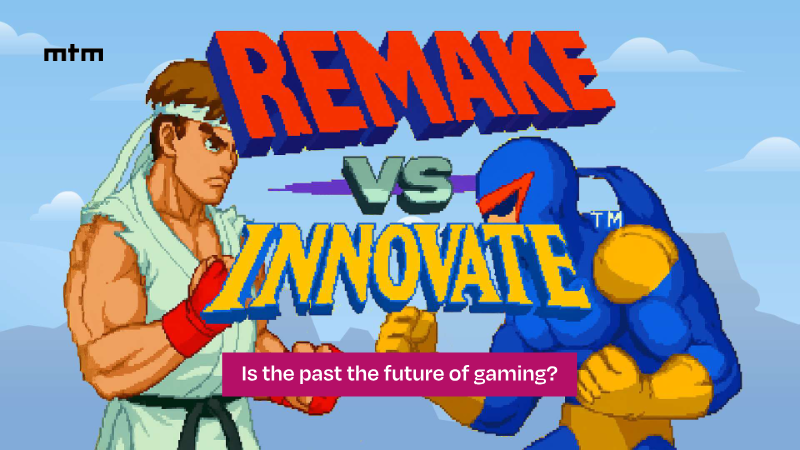
The gaming industry is increasingly prioritizing remakes and remasters as a strategic response to the escalating financial risks associated with developing original intellectual property. By leveraging established fan bases and proven narratives, studios can secure commercial stability while providing audiences with modernized versions of classic experiences. This trend is supported by widespread consumer adoption, as 90% of gamers have engaged with relaunched titles, driven by the dual appeal of nostalgic comfort and the integration of contemporary technological enhancements.
While these projects serve as a reliable engine for industry growth, they are not without challenges. Players view these updates as essential for improving accessibility, control schemes, and graphical fidelity, yet they remain protective of the core essence and narrative integrity of original works. There is a clear expectation that new content should function as a thoughtful expansion rather than a disruptive replacement. Consequently, the industry faces a delicate balancing act: satisfying the demand for familiar, high-quality experiences while avoiding the risk of player fatigue caused by oversaturation.
Ultimately, long-term success in the current market requires a nuanced approach that harmonizes the safety of established franchises with the necessity of creative innovation. To maintain consumer trust and engagement, developers must ensure that relaunches are priced fairly and timed strategically. By treating remakes as a complement to, rather than a substitute for, original game development, the industry can preserve its creative vitality while continuing to capitalize on the enduring power of gaming history.
Ukie · 2025

Ukie · 2024
Ukie · 2023

European Parliament · 2021

Games Workshop Group · 2020
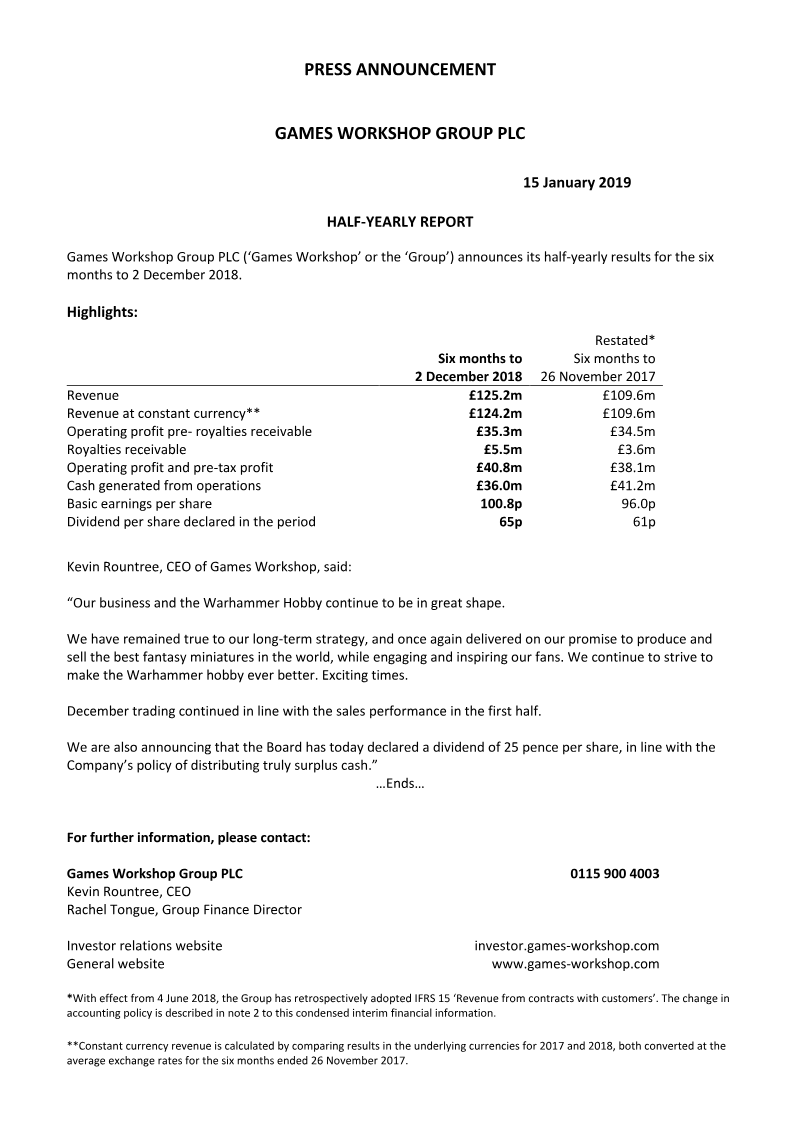
Games Workshop Group · 2019

King · 2026

Almedia · 2026
Gamesight · 2026
Remedy Entertainment · 2026
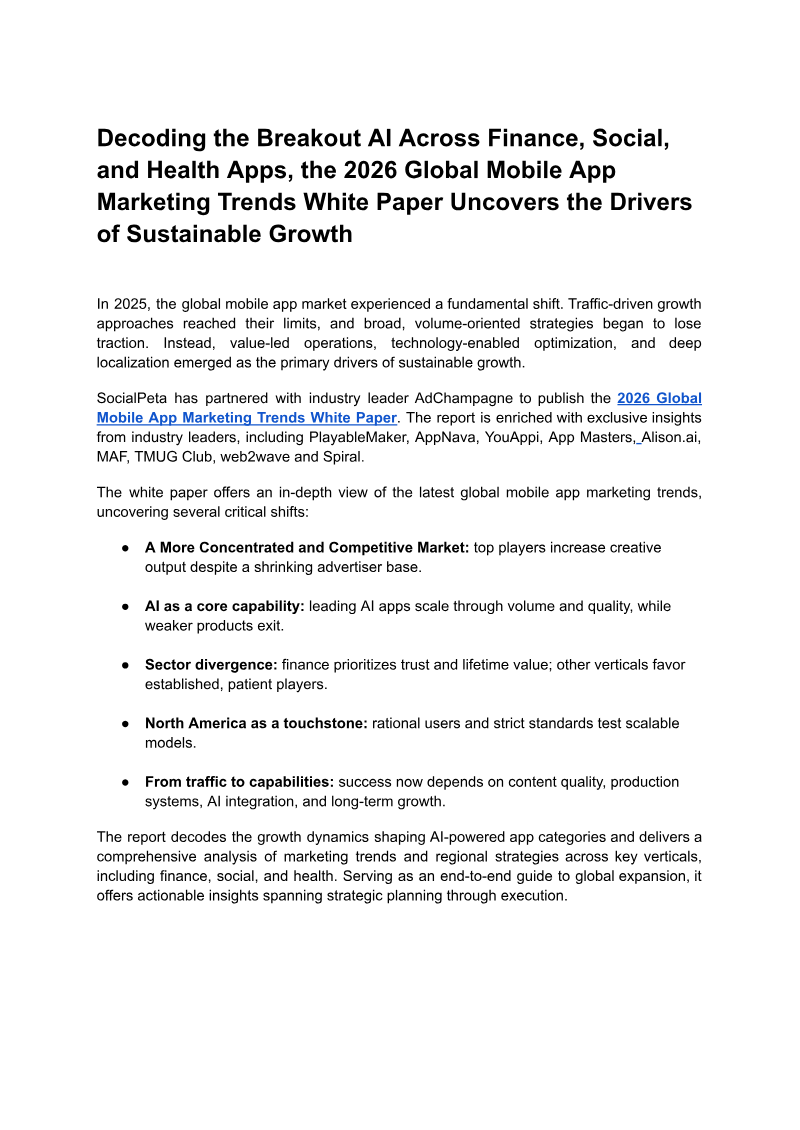
SocialPeta · 2026

SocialPeta · 2026