More from Joint International Conference on Serious Games (JCSG)
View all
Whitepaper
Game Design Prototype with GIMs: Fostering Neurodiverse Connections through Storytelling
Joint International Conference on Serious Games (JCSG) · 2024
Whitepaper
Including Non-Autistic Peers in Games Designed for Autistic Socialization
Joint International Conference on Serious Games (JCSG) · 2024
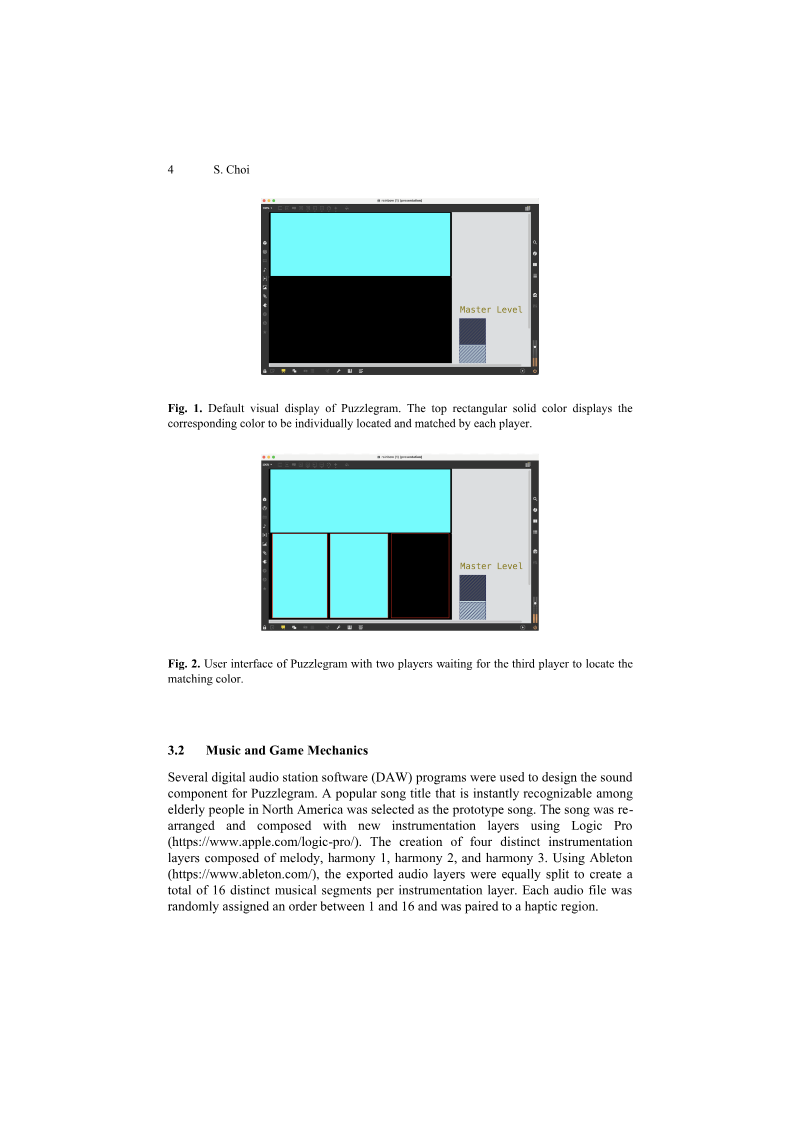
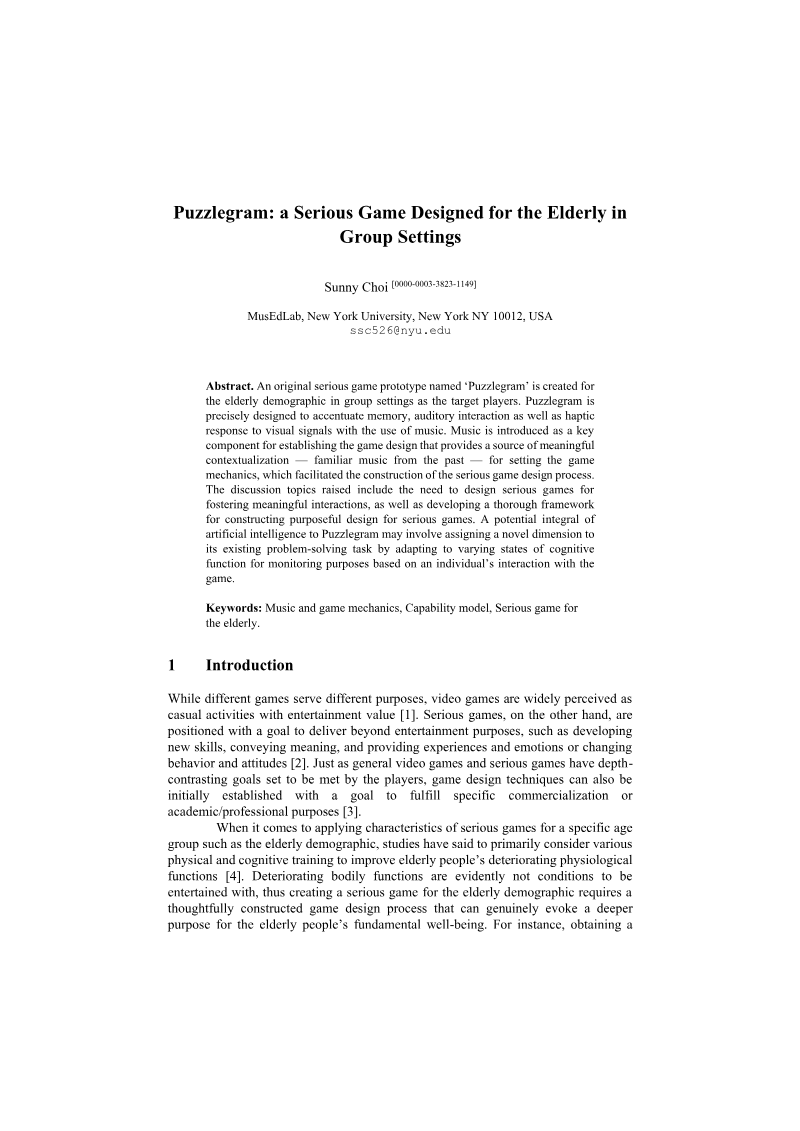
Whitepaper
Puzzlegram: A Serious Game Designed for the Elderly in Group Settings
Joint International Conference on Serious Games (JCSG) · 2024
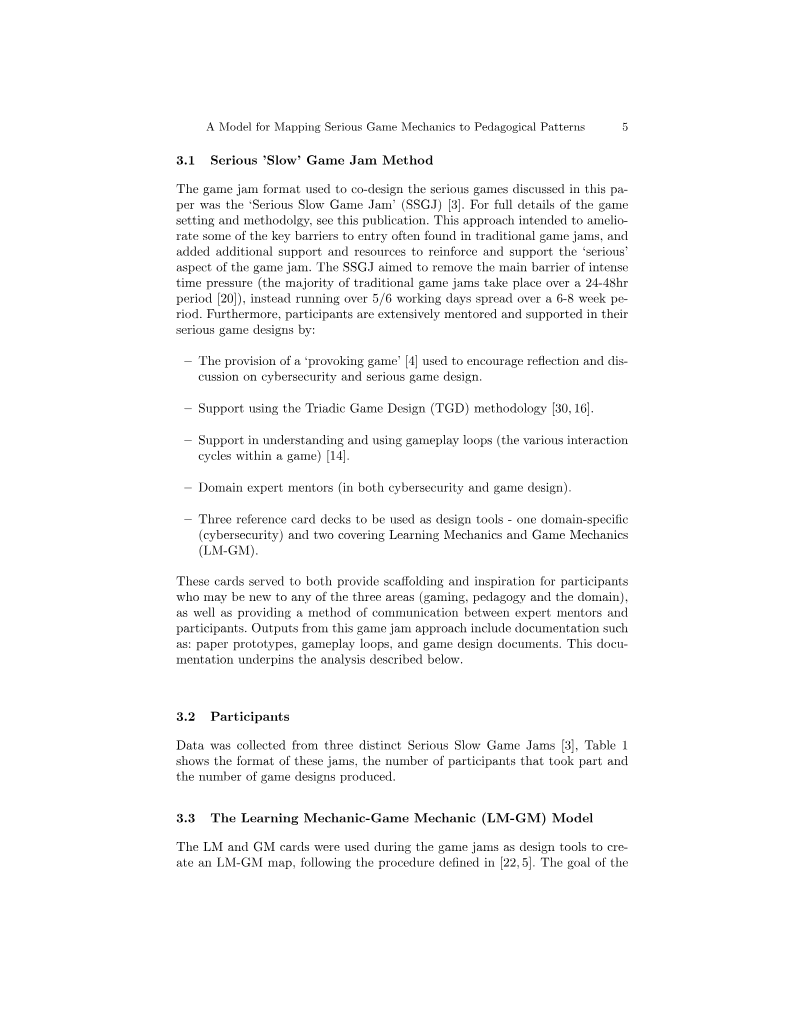
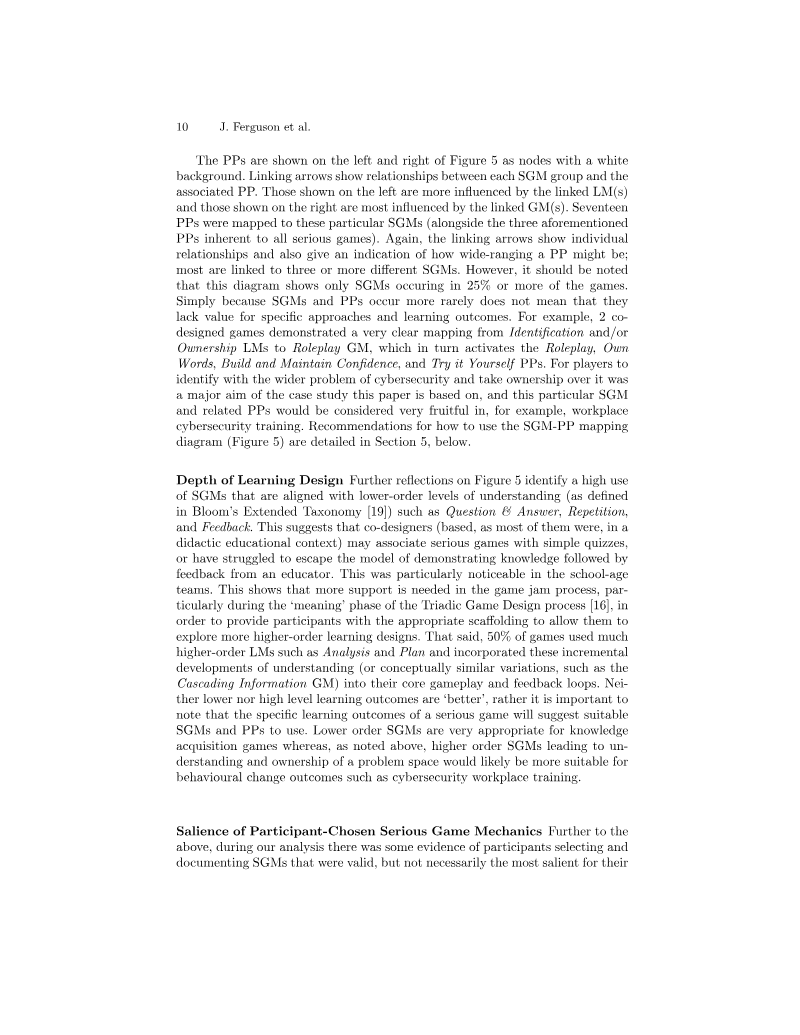
Whitepaper
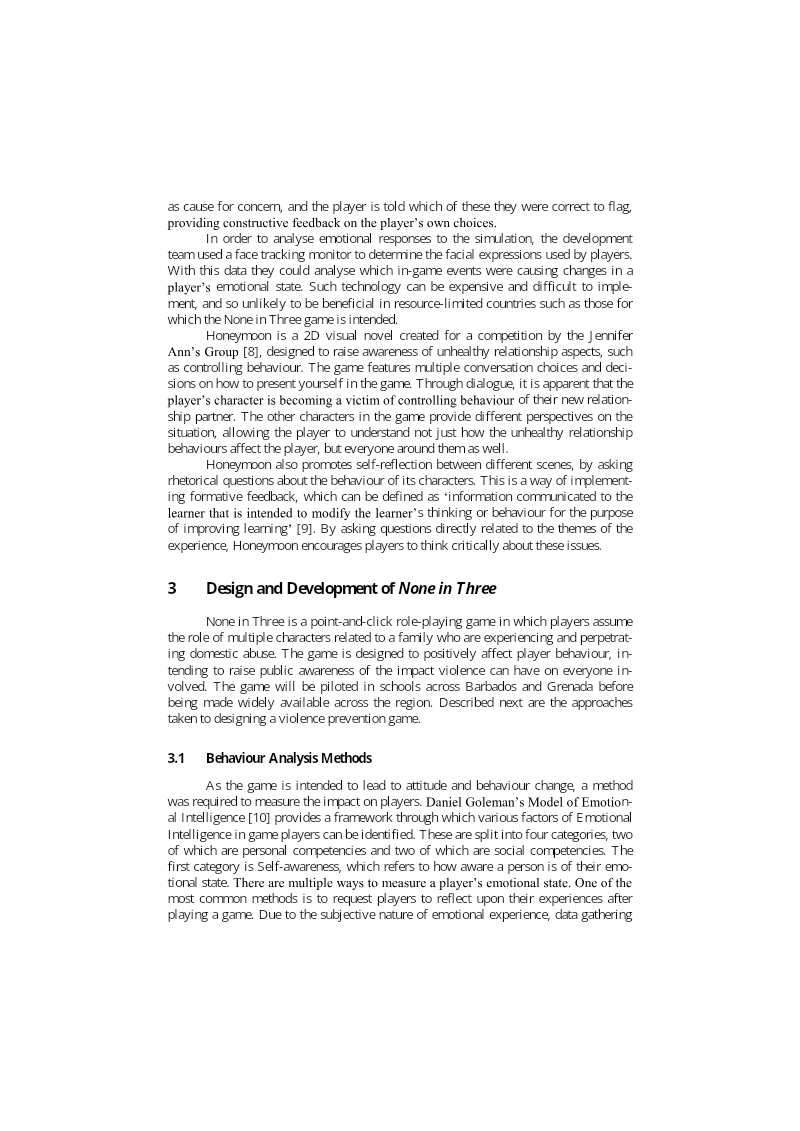
A Model for Mapping Serious Game Mechanics to Pedagogical Patterns
Joint International Conference on Serious Games (JCSG) · 2023
Whitepaper
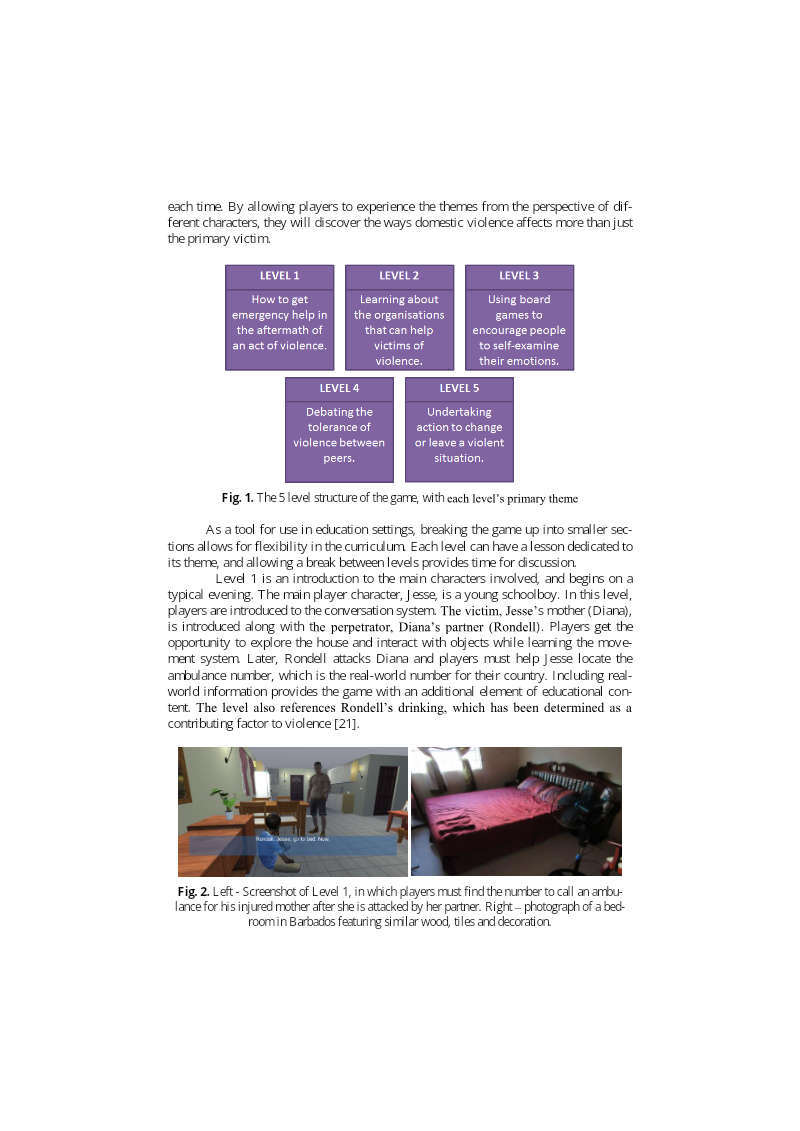
None in Three: The Design and Development of a Low-cost Violence Prevention Game for the Caribbean
University of Huddersfield · 2017
Whitepaper
Prevention in Addiction: Using Serious Games to (re)train Cognition in Dutch Adolescents
Springer · 2015
More on Serious Games
View all


Whitepaper
An Early-Stage Feasibility and Usability Pilot for an Immersive Serious Game to Support English Spelling and Semantic Skills
European Conference on Games Based Learning (ECGBL) · 2026
Whitepaper
Gamifying Museum Exploration: A Virtual Reality Approach to Enhancing Visitor Engagement
Elsevier · 2025