1 free read left. Create a free account for unlimited reading + AI research.
Create free accountArticle Naavik
1 free read left. Create a free account for unlimited reading + AI research.
Create free accountArticleNaavik
Selling sidegrades rather than direct upgrades broadens the competitive meta.
It's like buying a specialized tool for a specific job, not just a stronger version of an existing tool.
Strategic shift. Orthogonal Utility broadens the competitive meta and mitigates 'pay-to-win' perceptions.
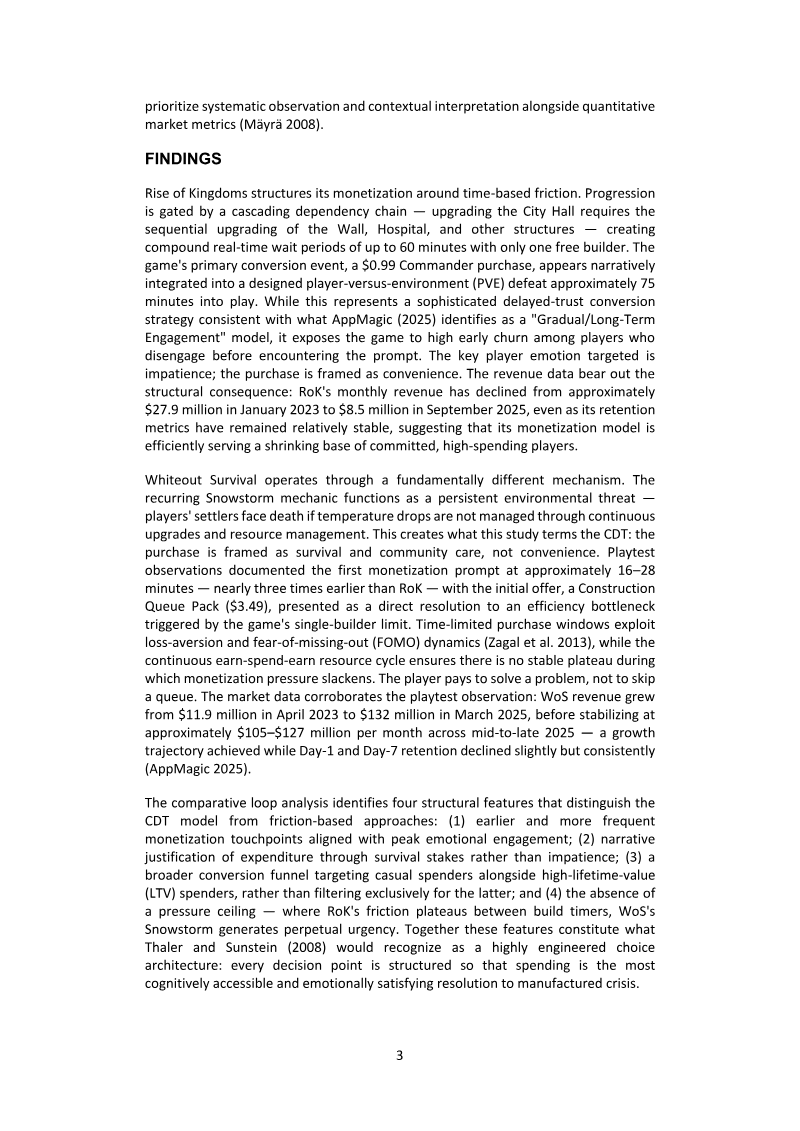
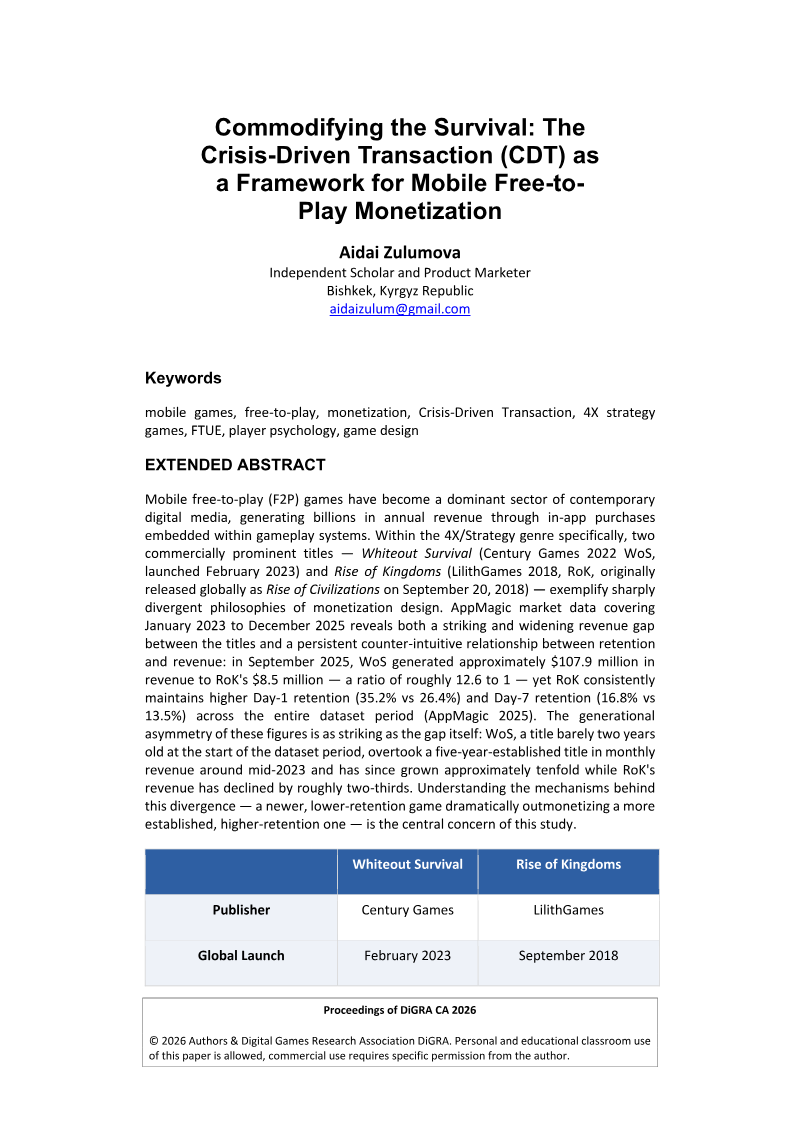
Selling competitive advantage in free-to-play PvP games is most sustainable when the monetization model avoids churn, enhances player enjoyment, and leaves core design intact. A framework that maps methods by audience type and by skill-versus-power outcomes shows that techniques can offset one another: Clash Royale's vertical progression is balanced by orthogonal utility, while Rise of Kingdoms' permanent upgrades are balanced by temporary power. The analysis draws on mobile and PC examples across MOBAs, shooters, strategy, card, sports, and golf and tennis titles.
Two techniques anchor the argument. Orthogonal utility, meaning sidegrades such as MOBA heroes and distinct weapons, drives spend in step with content launches. Sensor Tower ARPDAU data shows Call of Duty Mobile spending rising at season launches, while Modern Strike Online responds only weakly because its design leans heavily on categorical superiority. Temporary or consumable power, including time-limited items in Free Fire, rotating formats in Hearthstone, and consumable troops in Clash of Clans and Rise of Kingdoms, allows repeat sales at lower prices, limits power creep, and keeps the field more level for newcomers.
The tradeoff is that players prefer permanent purchases, so pairing temporary power with lasting rewards or consistent power is likely the most viable approach. Unreliable or narrowly applicable power, seen in Free Fire loot, Hearthstone draws, and Golf Clash clubs, fragments advantage so players buy more without creating pay-to-win gaps. Results vary by genre: Golf Clash monetizes strongly, Tennis Clash's new characters yield only modest ARPDAU gains, and excessive dilution risks perceived poor value.
Seven benefits follow: robust live-service content with less power creep, a lively meta, high conversion and spend ceilings, limited pay-to-win perception, esports readiness, healthier matchmaking with shorter queues, and fresh, well-paced gameplay. These translate into higher retention, sustained spend, and more viral growth. Monetizing power in competitive games is complex but potentially very lucrative when the model fits the audience and subgenre.
 Call of DutyGame · Infinity Ward · 2003 · 983 documents
 Free FireGame · 111dots Studio · 2017 · 343 documents
 Clash of ClansGame · Supercell · 2012 · 283 documents
 Clash RoyaleGame · Supercell · 2016 · 234 documents
 HearthstoneGame · Blizzard Entertainment · 2014 · 115 documents
 Rise of KingdomsGame · Lilith Games · 2018 · 55 documents
 Golf ClashGame · Playdemic · 2017 · 29 documents
 Tennis ClashGame · Wildlife Studios · 2019 · 18 documents
Each row is a game or company this document names, each column a document, oldest first. A mark means that document names it. Select a row to see those documents.

Naavik · 2026
DiGRA · 2016



DiGRA · 2026



DiGRA · 2026



DiGRA · 2026
DiGRA · 2026
DiGRA · 2026
DiGRA · 2026



DiGRA · 2026
DiGRA · 2026
DiGRA · 2026
DiGRA · 2026
DiGRA · 2026