1 free read left. Create a free account for unlimited reading + AI research.
Create free accountReport DiGRA
1 free read left. Create a free account for unlimited reading + AI research.
Create free accountReportDiGRA
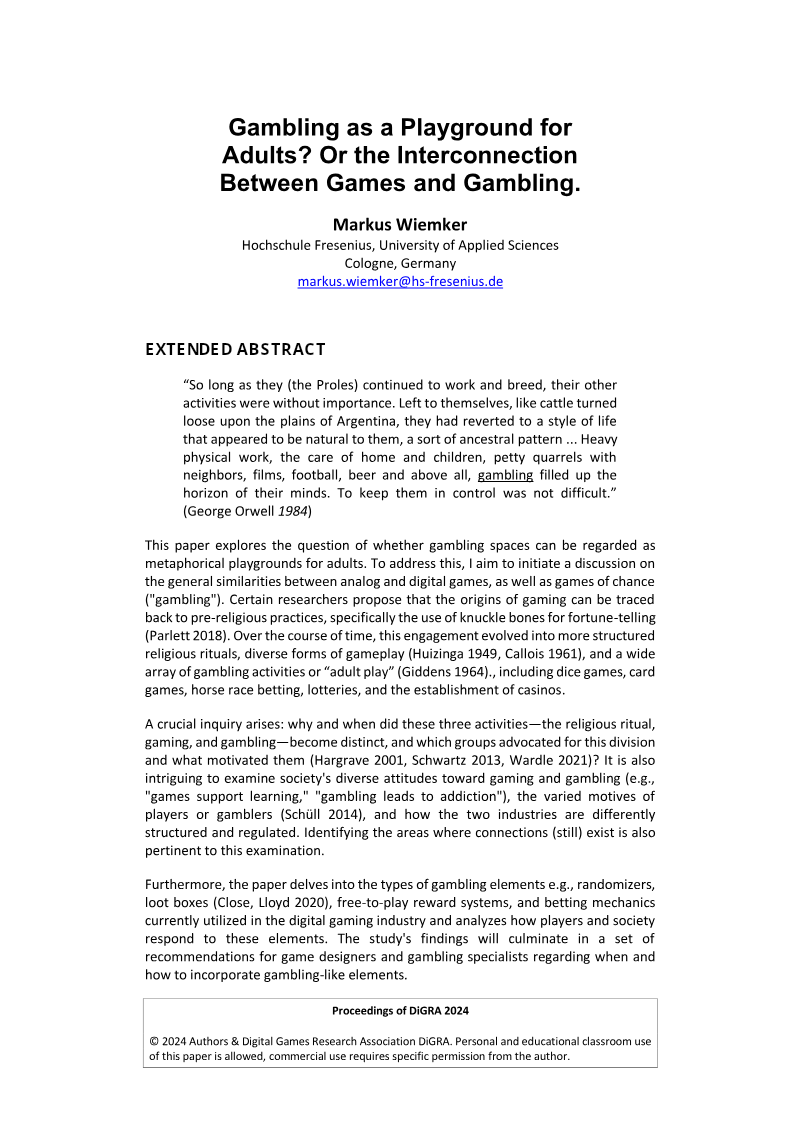
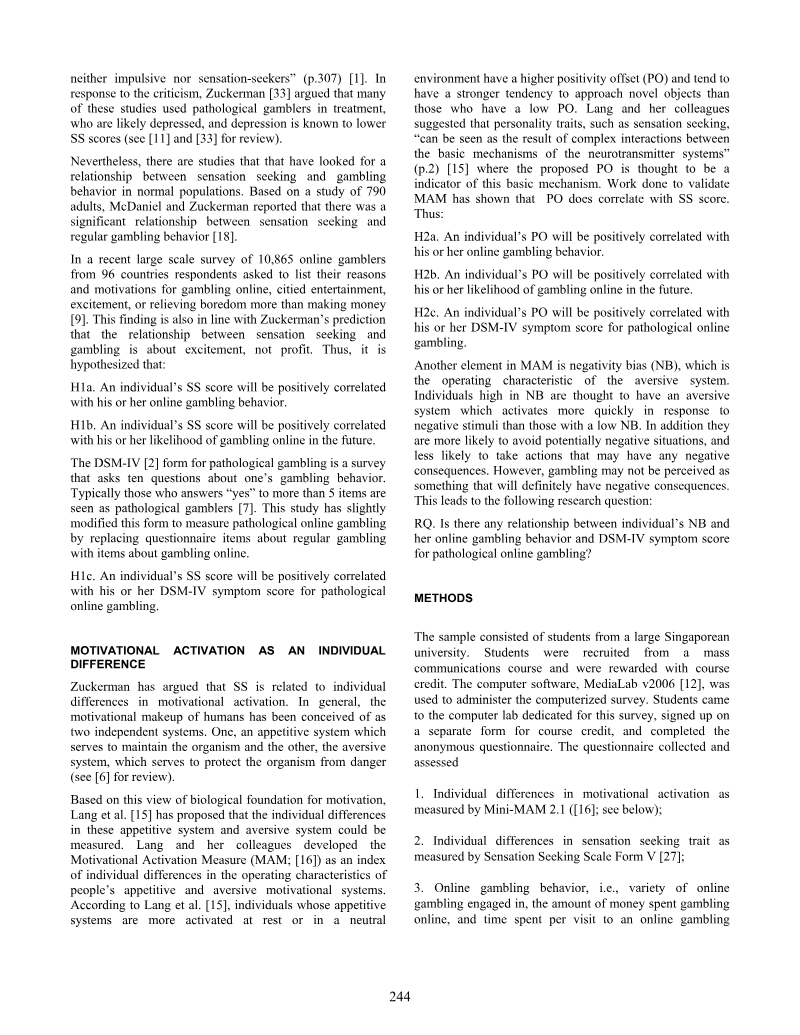
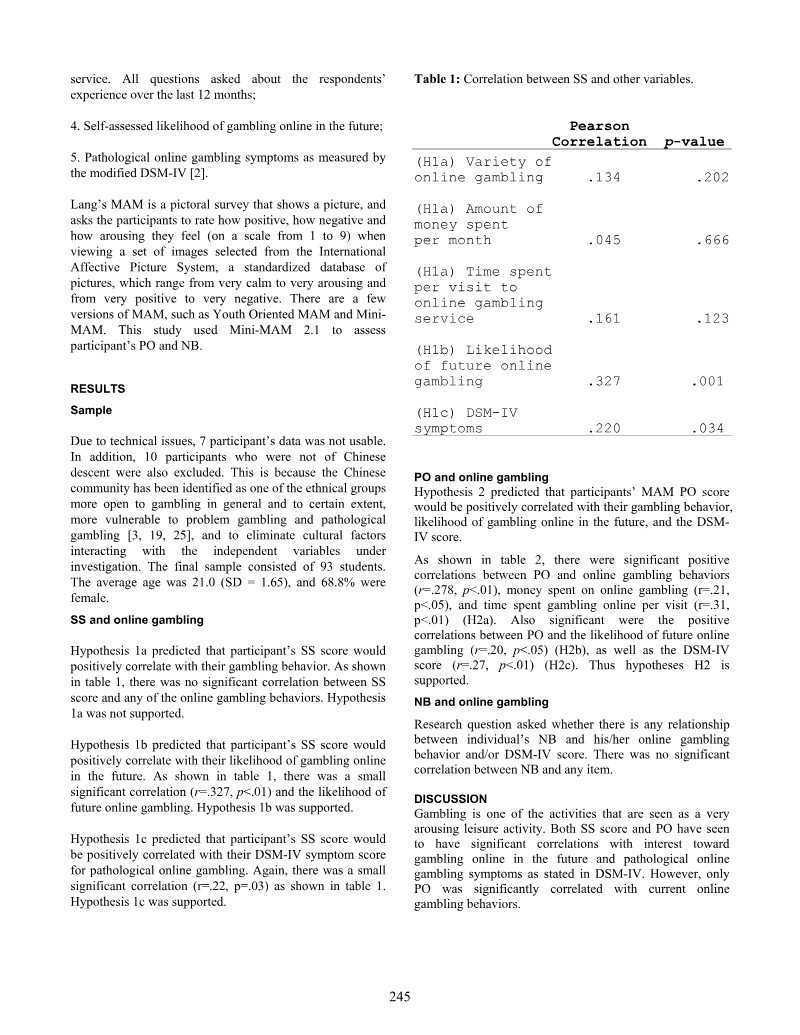
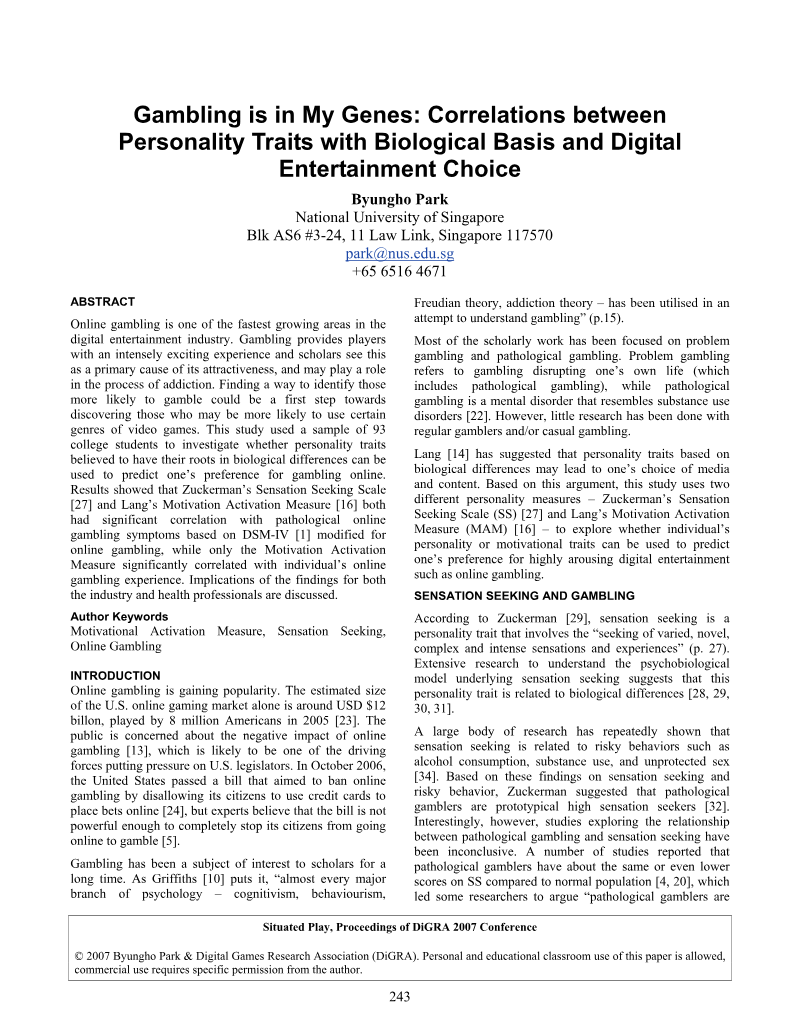
The 2025 DiGRA study draws on semi-structured interviews with 13 video game players and thematic analysis.
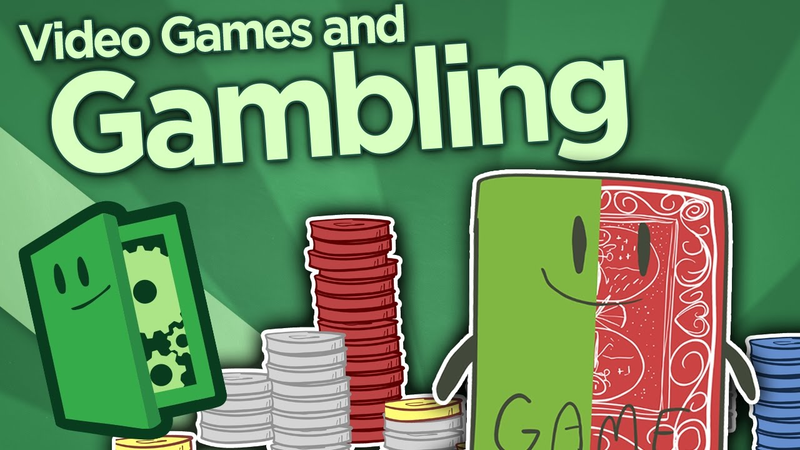
A 2025 DiGRA study examines how players perceive the convergence of gaming and gambling, drawing on semi-structured interviews with 13 video game players and thematic analysis. The work situates itself within growing research on "gamblification," including the documented links between loot boxes and problem gambling, while addressing a gap in qualitative research on player perspectives. Its central argument is that regulation should target platform-wide ecosystems rather than isolated mechanics, since participants' understanding of gambling rested largely on the ability to cash out.
Participants consistently tied gambling to money, with 11 of 13 linking the two directly and many citing addiction and esports betting as serious concerns. Opinions diverged on whether loot boxes and gambling-themed minigames qualify as gambling, but the presence of a cash-out option and the purchasability of items, as opposed to items earned through play, emerged as the decisive factors. Participants also expressed concern that repetitive engagement mechanics and virtual currencies serve developers at players' expense, particularly when minors are involved.
The study finds that players judged platforms differently depending on their economic structures. Valve's Steam marketplace was viewed more favorably than EA's FIFA Ultimate Team, owing to guaranteed investment value, fewer gameplay-affecting loot boxes, and the ability to profit from freely obtained items. Even so, many participants worried that these features mirror gambling through the possibility of cashing out. The authors conclude that monetary involvement and speculative behavior, rather than isolated mechanics alone, drive the convergence of gaming and gambling.
The supporting literature spans meta-analyses linking loot box spending to problem gambling and regulatory analyses of loot boxes, skin gambling, esports betting, and social casino applications. This breadth underscores the study's framing of the issue as a systemic one spanning multiple segments of the games industry.
Each row is a game or company this document names, each column a document, oldest first. A mark means that document names it. Select a row to see those documents.

DiGRA · 2026

DiGRA · 2026



DiGRA · 2026



DiGRA · 2026



DiGRA · 2026



DiGRA · 2026



DiGRA · 2026



DiGRA · 2026

DiGRA · 2026



DiGRA · 2026



DiGRA · 2026

DiGRA · 2026
DiGRA · 2026