Loading the document
Key insights
5 slides
Current reality
Traditional stroke rehabilitation can be monotonous for patients.
Virtual reality (VR) gaming offers a feasible and highly motivating alternative to these often monotonous post-stroke rehabilitation exercises.
1 / 5
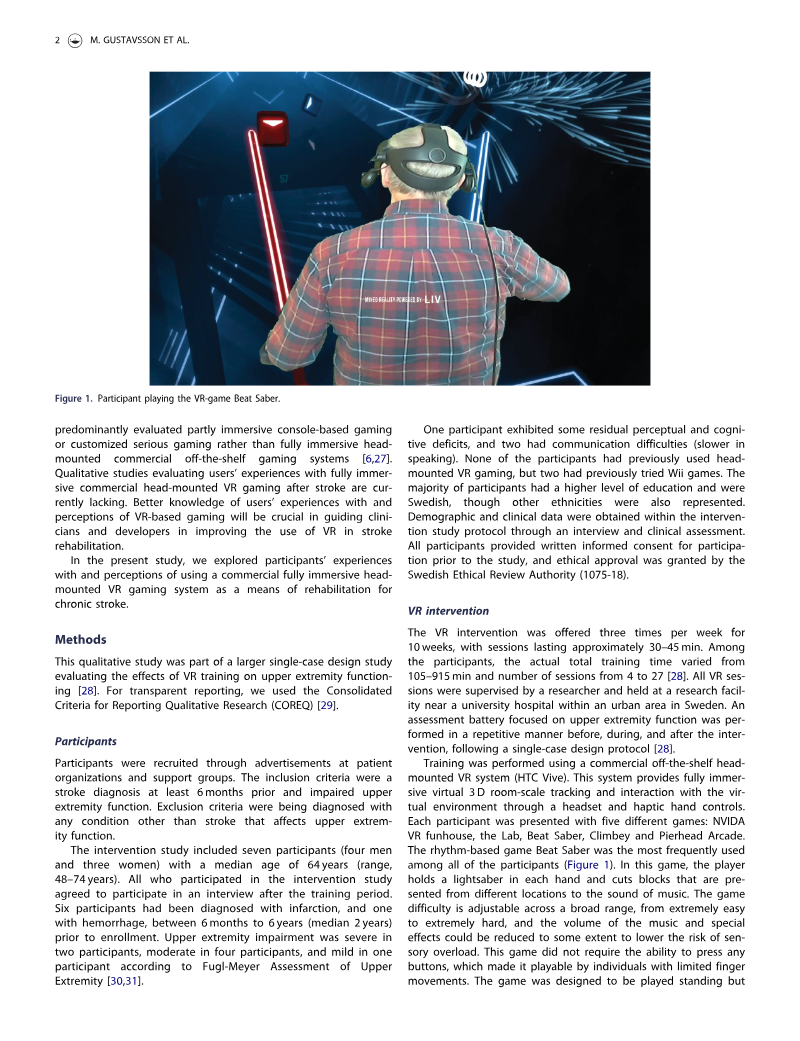
- 01Virtual reality (VR) gaming is a feasible and highly motivating alternative to traditional, often monotonous, post-stroke rehabilitation exercises.See it on page 2
- 02Participants reported functional improvements in daily activities—such as opening drawers or applying toothpaste—as well as gains in balance, pain reduction, and coordination.See it on page 5
- 03The rhythm-based game 'Beat Saber' was the most effective tool for the seven study participants due to its high degree of adjustability, lack of required button-pressing, and ability to be played while seated.See it on page 3
- 04Successful VR rehabilitation requires professional supervision to assist with equipment setup, select appropriate games, and adjust difficulty levels to match the specific physical limitations of the patient.See it on page 7
- 05Immersive VR environments can trigger increased physical effort and movement, with users reporting they reached higher and moved faster than they would during standard therapy sessions.See it on page 5
- 06Commercial VR games are a cost-effective alternative to custom-made rehabilitation software, provided they are carefully vetted for content (e.g., avoiding violence) and can be personalized to the user's needs.See it on page 6
- 07The study participants, aged 48–74 with chronic stroke, indicated that the need for physical assistance and safety monitoring currently limits the use of head-mounted VR systems in non-supervised settings.See it on page 7
Ask AI about this report
Summary
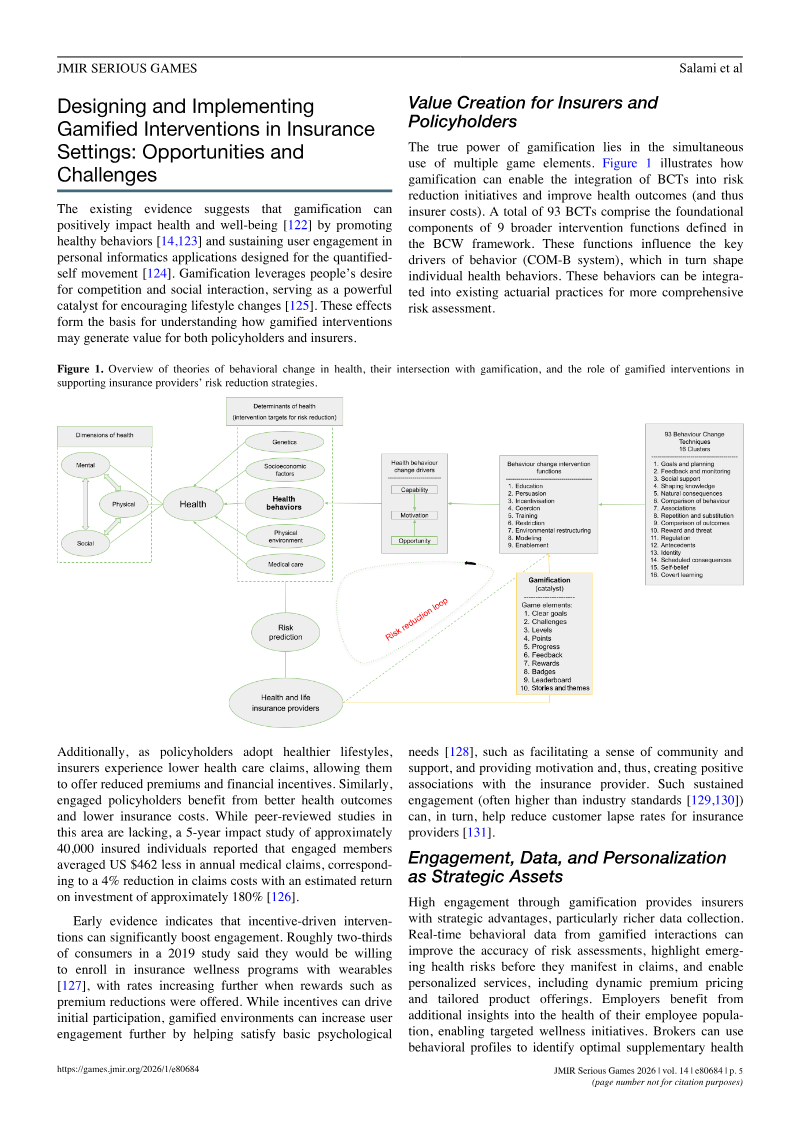
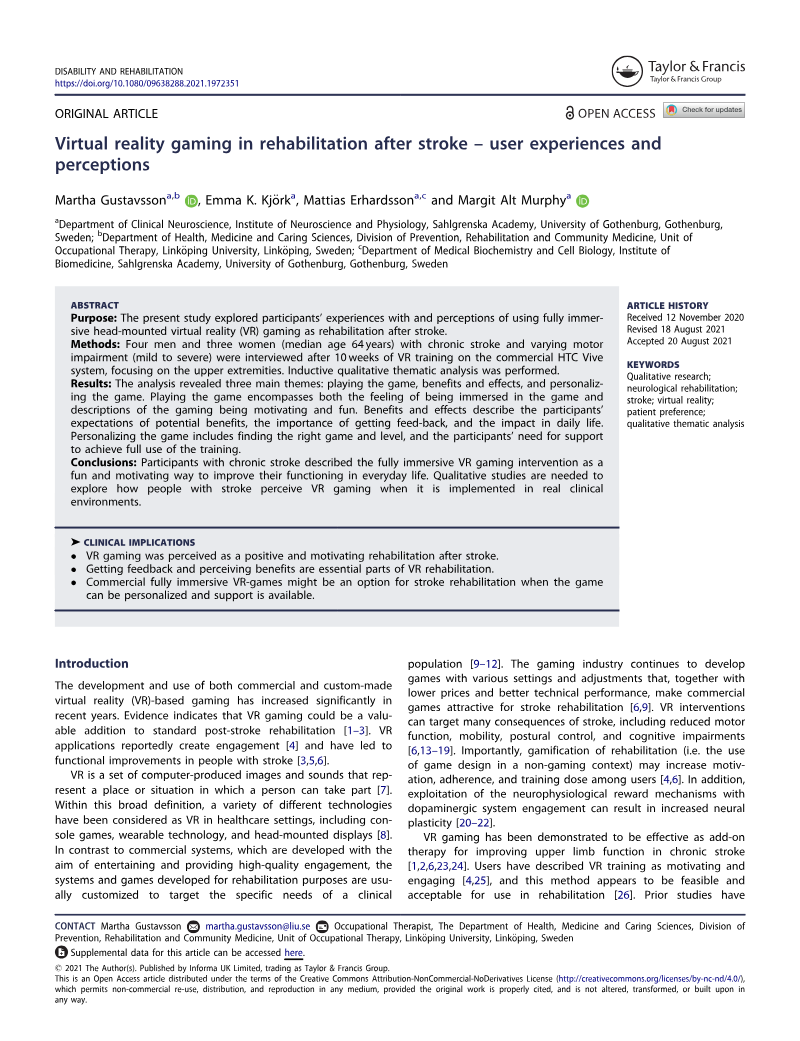
Immersive virtual reality gaming serves as a potent, highly engaging alternative to conventional stroke rehabilitation protocols. By leveraging commercial hardware such as the HTC Vive, patients recovering from chronic stroke can access therapeutic environments that foster physical movement and functional improvement in daily activities. The primary thesis posits that the high level of immersion and the psychological state of flow inherent in gaming experiences significantly increase patient motivation, effectively mitigating the monotony often associated with traditional physical therapy.
The efficacy of these systems relies heavily on the integration of personalized game mechanics and professional oversight. While participants report tangible gains in upper-extremity mobility and overall recovery, the successful implementation of VR requires careful calibration of difficulty levels to match individual physical capabilities. Furthermore, the presence of support staff is essential to manage the technical complexities of the equipment and to monitor for physical fatigue, ensuring that the therapeutic benefits are maximized without compromising patient safety.
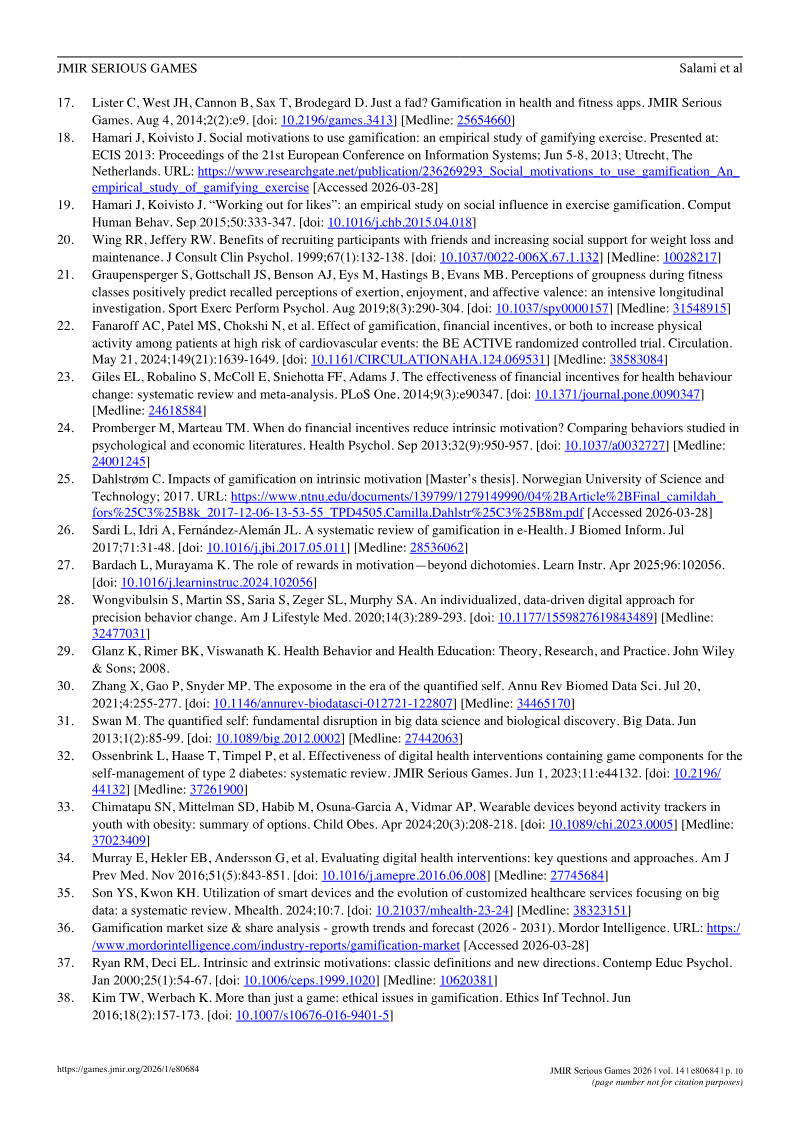
This analysis draws upon a comprehensive body of research, including 41 academic sources, to validate the feasibility of using consumer-grade gaming technology for clinical motor and cognitive recovery. The scope of this evidence encompasses the intersection of serious games, robotic-assisted therapy, and user-centered design. Ultimately, the findings suggest that when commercial VR platforms are thoughtfully adapted to the specific needs of stroke survivors, they provide a scalable and effective tool for long-term rehabilitation, transforming the recovery process into a more rewarding and sustainable experience.