1 free read left. Create a free account for unlimited reading + AI research.
Create free account
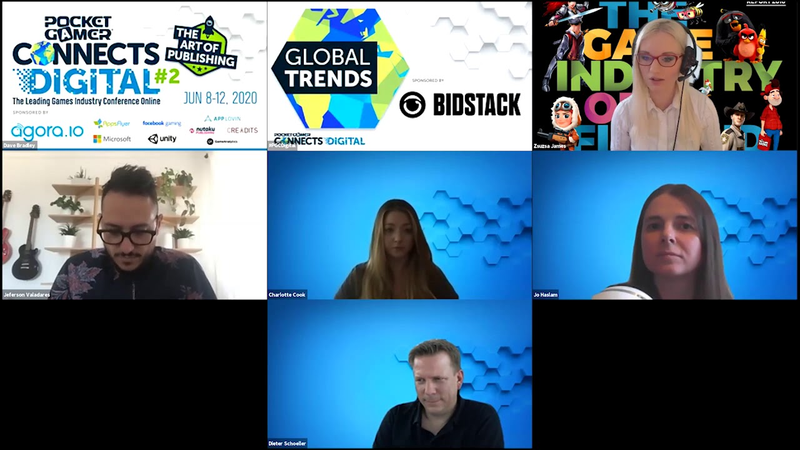
Panel: What will Inspire the Next Big Thing in Games? PG Connects Digital #2
Key insights
7 takeaways- 01Developers are shifting away from traditional, disruptive advertising toward native, integrated monetization models that prioritize user experience.
- 02Long-term player retention is becoming the primary success metric, achieved through cross-device compatibility and seamless streaming ecosystems.
- 03Subscription-based services are increasingly used to reshape development cycles and provide greater revenue stability, mirroring the success of streaming platforms.
- 04Platforms like Twitch have transformed into essential hubs for interactive entertainment, effectively blurring the lines between passive spectatorship and active player participation.
- 05Emerging interfaces, such as voice-activated gaming, are being utilized to lower barriers to entry and capture non-traditional gaming audiences.
- 06Future industry breakthroughs will rely on integrating social connectivity directly into the core gameplay loop rather than treating social features as secondary additions.
- 07The democratization of creation tools is enabling smaller teams to innovate by turning technical constraints into unique, defining gameplay mechanics.
Ask AI about this video
Transcript
the final talk here of the day it's a panel with wide reaching implications what will inspire the next big thing in games this is the one you want to listen to to to get some some expert opinion in here on on on global trends as you drop we're talking about so I'd like to welcome I hope they're in the room our stage manager James can just kind of foreground them we've got user James here from the Consulate General of Finland in Los Angeles who's gonna be our moderator and she can introduce you to the rest of the panel but I can tell you they're gonna include DITA Shola from head up Joanna Haslam from start fingerquick Jefferson Valladares from doppio Games and Charlotte cook from bid stack a sponsor now folks are you all in the window shooter how you doing you were you all here and dumb and queued up ready to talk yes indeed hi Dave
Hey wonderful yeah look I'm gonna hand over to you I'm gonna fade into the background here you've got a little bit of time here to have your panel and then we'll dive in and and look at the questions at the end folks in the audience if you want to leave a question for the panel please do pop it in the Q&A box at the bottom of the window there you'll just find it underneath the speakers and I'll help you create those later guys but so in the meantime I would see you have fun all right thank you so much Dave and and it's hi everybody it's and hi everyone in the panel as well so lovely to meet you and yes let's knock this out of the park last panel of the day here we go we can do this all right wonderful so super quick so as they said James I am the Trade Commissioner for video games in eSports with the Consulate General of Finland based in Los Angeles so I work with finished game startups who are looking to enter the US market and today we'll be talking about global trends and what's the next big thing
what's what are what's going to inspire the next big things in in games so without a lot of further ado I would actually they've told me to introduce the panel but I think they're gonna do a lot better job than than me especially because I don't want to put your names either so so what I'm gonna do because there is no table around us I can't point at people so I'm just gonna call out names and let's let's do a round of introductions first before we dive into some some questions so Joe would you like to start us off sure hi so hi everyone my name is Joe Haslem I am the design director for a company based in the UK and Brighton called snap finger click I've been in the industry about 12 years now I started out working for a company called relentless software on a video game franchise called buzz which is a quiz game came with a little buzzer controller and after that I did a few different things I work with Kinect for a while I did some mobile dev and then work for another studio called
media tonic in London for a while and joined snap finger click about three years ago it was founded by some relentless people and we just make party games games that you can play together both in the living room but also online over twitch so all of our games have twitch interactive features so you can play along with broadcaster and the viewers can actually influence the game and play along with the home basically and yeah that's what we do now and that's what I'm doing all right Charlotte would you like the gwanak yeah sure and so I'm Charlotte I'm the VP of gaming at binstock and so I have been a bit stuck now since October and and we are a london-based startup that enables video games publishers and developers to place native advertisements in their game and prior to working at binstock I've previously worked at Sega and take two and and my job before bit slack was working for another startup which did digital distribution for the majority of
publishers on their PC titles outside of steam and yeah all right great all right dieter publishing company in Germany with been around for about 10 and a half years now we do mainly indie publishing across the board obviously steam consoles and so forth but we always look at the more innovative angles as well of distribution we've been involved with titles like terraria binding of issac super meat boy limbo stuff like that doing box distribution but also be a on that and we I think we published about 120 games in ten years and we have a little bit of internal development going now and other than that I'm really eager to see what everybody says on what's the next big thing yes we all want to find out all right and a guy
said jeffersonville there is a component CEO of tokyo games like we make voice interactive game so that's games we play with your voice my background is in game you'll be making games for 20 years I'm originally from Brazil I lived in Finland UK us and I moved to Portugal recently that's why it's so bright over here even though it's like 6:30 p.m. yeah and I worked in the big in the next big thing a couple of times because I was in mobile like back in 2005 and I was in Facebook back in 2009 so I think there's many times where it is like the shifts in the industry that people talked about you know this is gonna be the next big thing et cetera so I think that's actually one of the reasons why I got attracted to voices I do think has that potential to change the way like you know bring new people and new interactions the new creative ways of doing stuff so I very excited to be here awesome yeah and we will be talking about the what what is actually a big
thing and what's what's not gonna be not gonna turn out as big a bigger thing is that's gonna be very interesting all right awesome so let's let's take this off so Charlotte I actually wanted to start with you talking a little bit about advertising which is of course obviously a very big part of games very very poor part of especially especially mobile games and the game maker system in in general you know developers are of course overall always looking for for additional revenue streams you know ads they can be they can be implemented well and perhaps less well and and everyone is looking for for for something that works you know organically in their games how do you see sort of the the evolution of ads in particular native X developing in the future what you know what avenues will be open up for developers in the future I think and so as you alluded to it advertising is it is a big part of revenue stream particularly on mobile at the minute and
I think in some games it has been seen to be potentially slightly disruptive to the gameplay experience for the player and it isn't always welcomed and and it does act as a barrier and so I think native advertising can offer an alternative option to developers who want to have a more immersive experience that wouldn't be disrupted by advertising and still are able to earn revenue from that as a revenue stream and we another panel this morning I was on we were sort of talking about this and a question came through and I think one of the cool things about the technology we have developed is and once it's in the game we can serve advertisements and based on the data we get back from the game itself as to you know which territories that the players are in so a player playing in China for example would see a different advert than a player in the US so the other should be tailored to the individual by by region and so it's far more it should be far more in line with what they would be expecting and not something that would look strange or unusual to them so
we can do it on that level and also the ability for us to put advertisements on 3d textures within gaming so we can ends on a car or we a football shirt or coke can or you know whatever it might be and we can tweak it the technology has been designed to do that and I think there's gonna be some really interesting conversations they've already started with some of the developers I speak to and around how can they start looking at this tool within their development plan and their and their cycle and actually the building of the game so how can they did not design a game to have those native slots and native opportunities that will work within the gameplay experience but also act as a revenue stream and so I think that's gonna be the biggest change you know hopefully people having the psyche of oh if I put you know these billboards here you know they would they would look great and they would work with the story but also there's a to work with certain brands and and that sort of thing that's very interesting to actually incorporate that into the game design engineer design thinking itself from from the very beginning as opposed to
what what I think it used to be before so so that is very very interesting and I am super excited about that in particular that putting it on some 3d assets doesn't it's basically product placement in right like what we're kind of used to from from movies and TV shows but strangely haven't really been as as common in in games as as in the other other mediums that's super interesting awesome so so the data you guys are an independent publisher um you know bringing bringing the games from what I understand to many different platforms there's of course now a lot of different direct-to-consumer opportunities as well for for developers how do you see the the world of publishing adapting to this in the future what new sort of distribution models gets you excited what opportunities they do they present the fun part is whenever you had the biggest successes it was always unplanned because we tried something new to be fair for example when smartphones were just a new thing we started out
with a brand and it went number one in over 90 countries and basic paid the bills for about five years so I always like to keep my eyes open to the sidelines personally speaking I mean classic distribution revenue shares everything is pretty said even though there is some movement on the storefronts there but what's really interesting right now for us is basically the subscription model coming because I see it with my kids as well because we taught the kids that games don't cost anything anyway but the monetization model of advert driven games as has been said it can be emotional disruptive so we're looking for a way for for better player experience um and I imagine that the Spotify model and the Netflix model will come to games over time doesn't matter if it's streaming or if it's downloaded or anything it's more of the business model and we're trying to I think we're gonna see a big shift between not distinguish between free-to-play and paid games but always
talking more and more about retention in any game you do because that's how subscription basically works which could be a little painful to certain genres well more of the narrative or content restricted kind of genre but I think the the Netflix model will definitely be one of the biggest ones to tackle mm-hmm yeah that that's very interesting and of course of course the services sort of exist now right it's a big one on mobile at least that will arcade now but it was game paths and slave station there they already have these services but it but I agree that I'm very excited for me from consumer standpoint and and slightly dreading it from a developer standpoint so that's something that I would like to touch on with you like how do you see that backing the developers what considerations they they will need to they want to have knowing more right but yeah but yeah we've been fortunate we've been part of the apple arcade launch lineup last year it has been very good experience we've also been in
Google Play pest and both titles we shipped were actually premium titles one coming from console one coming from mobile but still the the success rate has been very very good especially considering that we didn't see a drop on our general App Store performance or play for example which was missed in title being available on on papers as on the App Store app store itself and it didn't affect it actually went the numbers went higher on the on the general Play Store even though we were in a subscription so the market is big enough especially for companies of our size so I think there are a lot of Defense's also coming along I'm just worried that at some point when the bigger IPS and so forth come in obviously people go to the big hit driven marketing driven titles more than anything else I mean we all know how hard it is to earn money from Spotify as a musician by now and I think it's it's a little bit responsibility of the first parties to come up with the model which
doesn't go just by retention but by engagement and and other factors to come up with the formula in revenue share which is a little bit more developer-friendly then the current rates are and I also think we're gonna see a shift away from studios hiring going with publishers but going to a Netflix like model where a Netflix produces an Amazon they produce their own TV shows so we're gonna see probably more the subscription directly funded direct exclusive to this portal production but in the end I mean it's it's another chance to reach audience and that's what we're here for right right thank you all right so um Jonah with you know people being now stuck at home of course because of Kobe in the last few months and and you know twitch is really at the same time you know twitch is exploding I think they had like what some three point three point eight million unique unique broadcasters as of February
twenty twenty twenty so so live streaming as well as Yul being at home is really living in its heyday right now so games up games like what your team is making are really perfectly positioned so like tap into that right now talk to me like what big big trends kind of are you excited about in this space and social gaming space how do you think this social play will evolve in the next few years but when we started snap finger click we were all coming from a studio that had made party games for years and they've gone out of business and there just wasn't enough demand for it so when we found it's nothing like we thought you know we need something more than just making games that you can play together there needs to be more to it and we were looking at streaming at the time it was becoming a bigger thing and actually around the time that we founded twitch was going through a bit of a change this was the beginnings of it now which we're seeing a lot more of in recent times but people sometimes forget
that twitch was a pure gaming website for a long time and in fact non gaming content wasn't even allowed on it there was a game that PlayStation created around the launch of PlayStation 4 called the playroom and there was a mode where people were kind of already using it to sort of almost hack the system so that they could just broadcast themselves doing like a show just kind of talking to people and and then the playroom actually did an update because they were using that little AR games and you could you got all the characters kind of in the background and the music and stuff so they made a an update where you could broadcast yourself kind of clean just a video there was a few sort of overlays and things but it was marketed as a you know just a sort of little show almost that you could just stand sit and chat with with your viewers and and then it briefly got banned from twitch because it was sort of like no twitch is a gaming website but twitch has changed a lot in the last few years and it's now
open to lots of different types of content and if you look at the popular categories obviously there's a lot of popular games but the sort of in real life channels the creative channels there's a lot of a varied content on Twitch we're seeing gaming kind of colliding with other types of entertainment and that's what we find really interesting because because twitch is so social not in a face-to-face way but in a different way and we think if you can be social together then that should in theory translate to a platform like twitch where you know people log on to just hang out really and just chat and and see their friends and and talk about a sort of shared interest that they have together so for me what I find most interesting is the fact that we're seeing more and more of games that aren't necessarily traditional games we're getting different types of media that do really well on Twitch there kind of bring people together there was a game that came out a couple of about a
year and a half ago called twitch sings by Harmonix which and some karaoke game but it's it's very much a blend of karaoke and gaming it's it's doing karaoke and getting your viewers to join in and set your little challenges and stuff like that and it's it's not like a traditional game I think that's for me is the most interesting part of twitch is that we're seeing this kind of whole social side of it exploding we're kind of bringing people together sort of gaming but just socializing as well and it's really changing the way that we perceive what a game even is it's so interesting I actually stream as well so this is a very close close to me you know when when I what you guys are working on and and the biggest thing for it for streamers is is all about engagement right like if all you wanted to do was play a game by yourself you can just do that without the camera on
there's no reason for you to have the the point is that that you want to be you know entertaining to some extent but you all you want to engage with your audience and you haven't if you want to make your audience feel like that you know that matter that you're having fun it's almost like we'll extend the friends friendly but you're sort of building it a little and a community and and and and so yeah it's it's all about engagement so anything like that that you can activate the audience I think it's fun it's a fantastically interesting trend because yeah it really verily as isn't or aren't as many opportunities for that and I think that's it that's a huge space that is that it's right for our innovation how to activate the the audience more how to give more tools to the streamers to engage with their with their community so that's super interesting where that's where that's all gonna go all right so so Jeff over to you about voice games in
a in an industry that is all hung up on graphics and the better and the veteran most more beautiful graphics and we've seen from from the recent unreal no PlayStation demo of course which does look amazing but you guys are in a very unique space right you know targeting voice-activated games so how do they fit into the game ecosystem in your mind what is you know with these more you know of course now we are having more and more connected devices everything we have is connected our refrigerator our cars and everything and you know you know you can see at the none CES and then cigarettes at how it's just all these things are gonna be all connected what new avenues are they opening off for developers why are you excited about this place yeah yeah so I think I think I mean I've been excited for a variety of reasons but like one of them is I guess that the main one is the the fact that voice is like if you talk about
like human-computer interfaces like it's probably the easiest to use right like if you if you want to learn how to use a computer or even a phone you gotta actually got to learn how to use it in voice if it actually works all you gotta do is say what you want and then it's up to the developer to figure out what to do with that because like we already have a way of saying things right you can just say hey give me this information and then the thing needs to do the math and give it back to you right so I think as an interface it has like massive potential to unleash my Princeton smartphone penetration in India has been growing a lot but you know they weren't actually using a lot of the potential because like a lot of people can't read like with voice you don't have the problem anymore because you can just say what you want to write and then like so there's a lot of there's a lot more people are gonna engage with technology like once this is like more commonplace I mean it's already like super widespread but it's getting more and more every day so there's the accessibility factor native face super easy to use it's fast it's like faster than typing faster than like phione you like trying to figure out what you want to do we just say what you want right obviously it hasn't been perfect like in the past technology
there's a lot of things I need to like improve and have been improving over the years to get there but yeah the potential is there yeah the second thing you talked about device is like if you think about VR or you know like a and rio5 demo like you need a DC machine to play like the nice thing about most of the voice things that they like you know if you think about like sites like a twenty dollar speaker right like you have a lot of stuff out of it buy very cheap because all the processing is being done somewhere else like it's it's basically just streaming again it goes into the accessibility like you know I tell people were making these games and people say oh how do I install it and like you don't just go in front of the thing and say open the vortex which is like when our first game and then you start playing that's that's as easy as that to know so there's there's dead element of it as well that's like and again you can you can play I mean the Xbox one has Alexa so you can play you can play on Xbox one if you wants but like it basically can play like across like a variety of devices which again it's very inclusive and then there's the creative part like I mean voice using
your voice it's an emotional thing I mean we just talked a little bit about karaoke and you know there's there's certain things that you do like typing the same message then actually sane and out loud like the fact that there's like air coming through your pipes like makes it like a different experience so I can really excited about just trying to figure out like these emotional and different types of things that I mean there's been a few voice games you know like some some research stuff in the 70s and there's like games here and there like some stuff from Japan Kinect did a lot of things but like this is the first time where that is actually like you know the big audience like around it and so I think you know there's the opportunity to create those kind of generation-defining experiences like you know the same way Angry Birds like it was born like you know ten years ago out of you know the explosion of mobile devices and things like that and yeah maybe we're talking about like who what if voice a lot of people also ask like you know I only make audio games and I said no it's voice-activated games like all of our games that have graphics
like if you have like a device on the screen you can see so of course we were not as excited about than we all five stuff but you know like the there are like you I think the I believe the future is gonna be much more so you're gonna talk because you know even though audio has advantages as a feedback mechanism like a lot of people play our games we're doing the longer you when they're running when they're like because it's it's a multitasker both anchors you don't need to be looking at a screen so like a kind of opens up different types of experiences and different moments in the day where you could be playing but I mean we're very visual animals right so the same way like voice is a very good way for us to send information I was like visuals is our preferred way to get information back so I think I think that's that's the if I go ahead like five years from now the loop is gonna be like we're gonna be talking to a lot of our devices yeah but you know the feedback is gonna be it's gonna confuse your I think very interesting yes we're gonna talk about the convergence of all these things and I'm very interested I and I do see like
between all what you are working on how they could actually converge into big big but I think it's a buzz where I think it's happening you know the mecca verse and you know place for all these things in it but let's talk let's talk a little bit about what what we were alluding to earlier around the Jeff's started out with it that is very interesting around and I and something that I think everyone would love to go how do you tell the next big thing from the next big fat right it's it's very it's very much you know it's it's both look back 10 years and you don't know and you can tell the next big thing 10 years are moments very easy done but but then no that is that is the big question right is it how do we how do we yeah how can how can we tell right it's a big bit of luck it's bit of science you know it's it's a beautiful and and in timing of course
and and maybe some experience around how you know technologies do develop like you know lays there's a famous sort of like that the curve of I know - that he goes down and then you go back so I forget what it was called but um so so yes I would we'll give that up - this is the question now for everyone how do you tell something is the next big thing something is a fat jack maybe you can you can kick a super quickly go over them because you alluded earlier I mean like it's it's I mean again I worked in mobile in 2005 like way before mobile exploded and I think at the time we all felt who's gonna be the next big thing because it was like portable we had a video is like we all felt like this is gonna change the world but it took a long time for it to actually change and you know a couple of other like things that they'd on top yeah I think in the end it's like you know we at least from my experience it's it's things like you know what is this a thing that people do and then is these like convenient like like what's the cost of doing this like
both in like dollars but I was like energy and things like that right so I think the more you can those things can be - I think the higher the chance like there's something like to explode but yeah I mean you know like predicting is like impossible I mean what we do and I guess a lot a lot of companies do is like make bets right so that's kind of what we're doing like we basically me and my co-founder we quit our jobs and we start the company to do this and we raise money and because we felt this is like compelling and we believe that you know the human aspect of like voice and the fact that it's like getting more and more accessible to the point that like everything's gonna be voice is gonna have some sort of voice input at some point like there will be something there whether whether the winner is gonna be like you know smart speaker like you know that's been popularizing or it's gonna be you know station five has a microphone stadia has a Google system button on it like if you look at all the devices coming like they all have like you know kind of ready for this you know so that's that's what we bet on but you know there's no way there's a lot of
other things that could also become big so it's like I said it's a combination of luck with market forces and you know the right experience I also tell this a lot like to when I talked about voice games like the tech is actually better than you think like a lot of things that's missing is like good like people creating good experiences where it's like a witch you know like a lot of people who are doing the experience for them right now are not actually game these are people who made a voice thing and they got some traction and then they do more of these things you know but I think I think the more you get people like we're really creative and then detect the barrier to create experience for it the mary goes down like the fact becomes more accessible from the front of creative side as well then you actually start getting like the really good experiences you know so I think there's there's that data element as well so I think you you you gotta have like the right thing the right market for us it is the right people making stuff for it yes all right anyone else yeah I'll say I went through a many fads
so I'm sitting outside I joined the industry right in the middle of this like love in with peripherals you know the time when sings Starbuzz guitar hero rock band all of those kind of games came out and yeah like obviously that lasted a while and then it stopped and I think you know I worked on connect as well and I remember working connect there was a lot of cynicism of you know this isn't gonna last but at the same time there's a lot of an opinion of does it really matter you know let's make hay while the Sun shines if this is a fad so be it and I do think even with fads it's sort of like it does change things even if those things don't stick around you know the loving with peripherals kind of paved the way for the Wii and and then of course that sort of paved the way for opening up console gaming to a wider audience I think that those kind of games did a lot of good in terms of showing people who'd never consider
themselves gamers before that they could enjoy console games that has persisted and that has that has shaped the industry in other ways and brought new genres and new you know other things it's led to other things so in a way it's sort of like yeah I think it's impossible to know but it's you it still leads to something it still kind of takes us somewhere and changes things even if something comes in and out of fashion I don't know if it's necessarily a reflection on it being you know a bad thing or a failure it's it had its time and it's it's gone and we've moved on but it's it's left a kind of mark on the industry and Deeter didn't you work on online like I know we didn't work on it would work a bit on the on the very first days we were partners with them we were also angel backers of booyah which was probably the biggest money I've ever put into anything and I've got a very nice sweatshirt and that's not it
but I really like to branch out on like nice hardware for us sporting trends is basically our our basic rule is a first we have to find a demand sometimes there are really great technologies which get me really excited but if you ask is there really a demand for it and you can't really positively say yes then it's probably going to be a fail check or failed approach and also we need to be able to pitch it to the next drunk guy at a bar in like two sentences and and he needs to get what we are aiming at taking for example stadia I'm a big fan technically wise I think stay is great I'm still not sure on the demand of it though I mean this play on every device it's basically I've got my experience on on a big TV which is like 4k do mesh experience hardcore gaming and while I'm on the go I want to have like a five minute short session of a game it's to feel completely different approaches to gaming from my perspective and and then there is if I if I go into a tunnel I will lose connection so for
me stadia right now there's not the demand yet even though the technology is great what I think at mark aid has a great approach right now but it's not as tech oriented so I think basically it's it's always a matter of team and in the end on what make it I also think for example that Android gaming is still in its very early stages and I think Android gaming will become so so large because of the device spread across all devices and it's not even remotely like we haven't really seen a significant Android console even though the technology is great and unity supported out of the box and it's cheap and it's upgradable by now Nvidia shield is do a great job but that's more for court so I think the demand question is something we always put first before entering a trend or entering the tape I think as well even on that point we with the demand we're also lucky in the games industry tasks such as local community which can be tricky sometimes when you work at a publisher of things don't go exactly the way you planned but and I think if you
can read the forums and and communicate with the audience and sort of understand what they're interested in and what they they want as their next experience I think that's a really good insight into the way they're moving in their mindsets moving and then how you can cater for them and where you'll have adoption you know I remember when I were to say go there were some games that we were sort of speaking about in the team which would go from having a few loyal fanbase of a few and you know now they're like pub gee you know we didn't at the time it was a really small sort of indie game a few people are really passionate about and then suddenly it just blew up out of nowhere and you know from wish they'd known more about it back then and and if you follow unity I think you can get that insight and also adoption from other industries you know I think and if you look to the point of voice or VR you know other industries are taking that technology and adapting it for education or training and and as those become more mainstream and people adopt this technology more in their life for other reasons it then serves as a way for us to take advantage of that and and work with them to have you know entertaining
experiences as well with the same pieces of hardware they maybe have at home and yeah just being very aware of the community trends is a big you know huge help in predicting but it's the million-dollar question isn't it that everyone would like to know the answer to yeah so we wanted to know yes all right wonderful so we are now getting towards the end so I'm going to take a couple of questions real quick cuz I think just a few minutes left so there's actually a question for Jeff from here is pendulous I apologize I Ingrid said that so here they say voice interfaces are quite stateless for the player and speech recognition isn't always successful don't these limitations take away from the experience yeah I think I mean obviously you know limitations like are always the thing and I think you know a lot of the traditional let's say stuff they do out of the box with those things is very one-shot so there's no state I mean our games I'm very very much stateful I would say we do manage that
on our end and things like that voice recognition is not perfect that's correct it is getting better all the time though like those those things get improved like you know even from two years ago when we started - now it's already like you know leave some out better than it was but I think I think the other thing too is like if you look at games in general like a lot of the best games like at least my you know best design games at least in my experience or in my opinion our games where people looked at the limitations of what they had and then they worked around them right so like you know if you think about again like Metal Gear it's like you know this very famous stealth game and you know the whole point why they create a stealth game is because like you know the first console when they were making a game they figured out they could only have one bullet at a time flying on the screen so they couldn't make it they wanted to make a shooting game but like they could only have one bullet animated on screen the time so you guys like how can I make like an action game with like guns and stuff but hey if I can only have one bullet flying and he's like okay let's make a stealth game we're actually trying not to get shots or and you know
these things create like really good experience so I think like being able to internalize the limitations and saying okay how does that work and you know our first game the vortex is basically that's what we try to do we looked at like all the things that were kind of problematic and then we try to work with them not against them and you know I think that's how it usually works right then yeah I mean games don't need to be perfect technically to hit that emotional point of course as the tech gets better and we go fine gets you know succeed and some things do get better but I think it can make a lot of really fun experiences we like lo-fi stuff so I don't think yeah thank you um yeah so okay so we do have a few more questions but they'll actually one that I I hope they'll get up.get to get to them all but there's one I definitely want to ask so let's go to that one George George is dry ask each panelist take a bet about what is the next big game design game design trends in PC and or mobile alright yeah I think it's the
seamless integration of streaming technology video stream influencer kind mentality into games themselves so we can blend right from gameplay into a YouTube stream people can go back and forth between being a passive audience to an active member in the game so I think that's actually one of the big things and great things about stadia which is see coming is that you can actually integrate it seamlessly with YouTube people watch a trailer they click on a button they go directly into the game or they go directly into the stream second force I think the seamless integration across multiple media formats is something I see coming pretty quickly right now so that that would be my bet besides the subscription thingy yeah if you just go like check on that because I was gonna say something similar like I think a lot of the lines are gonna get in blurrier and he's talking specifically about like you know the plane versus streaming but also like platforms I think there's a lot of kids today they grew up like fortnight where they know they can play that on their PC
on the console on their age or their phones like there's gonna be more of that expectation like that you can just like do whatever you want whatever so I think you know it's similar to like you know you can play you can stream you can play owner and right now at home when your consoles I think yeah people people gonna be less because I think previous generations were very much about the hardware like oh this thing I have this thing and you know I think eventually is gonna just be more about the experience and you can do them whenever you want you know yeah yeah I was gonna say cuz I went for a walk earlier and I actually played Pokemon go and I was thinking it's a bit of a shame that location-based gaming is just kind of a bit dead now because of all the pandemic and but then it got me thinking about something that I've seen lately a lot that people are doing which is integrating games into software exactly like zoom that they're playing video games with their friends over video chat they can have their own almost little private streams with their friends as we're sort of dealing with this new
normal and we don't know how long we're going to be in the situation for at the moment and people are playing games that just happen to work that way like snaps finger click we've made a game that just happens to work that way but we didn't design it with that in mind but now that we're seeing people playing games like our game like jackbox and other games that you can you can all join together play together and chats and see each other at the same time I think that's going to be interesting particularly for PC because being able to integrate that in and perhaps see that in in you know actual video chat software as well being able to integrate games into that I think that could be a big thing at least in the next couple of years and may become the new way that people like to socialize with their friends when they see how fun and how interesting it is to do Charlotte if you want to make it yeah I can say something and you sort of think and they're cross
play functionality and you know the sort of emergence of streaming you know becoming so much more a part of the gameplay experience and thinking that into design I think also potentially some some new tools and to enable people who probably aren't pro coders or programmers to develop games as well I think maybe an emergence of more toolkits to enable people to to look into developing games and then I think that could that could be a trend we see as well yeah absolutely somebody did ask about that so I'm glad you touched on that because I agree I think that's going to be a huge thing that democratization of creation it's already happening and it's just gonna accelerate even even more so so I think it's gonna be great all right so I think that we are at the end of our time so thank you everyone I apologize I didn't get to everyone's questions but thank you for thank you for listening and thank you day back I'm back uh wonderful that was a great panel thank you very much lots to think about there and absolutely fascinating and you know some of the topics that you've covered looking the next big thing uh things that trying
very much with some of the editorial angles we've been looking at to cover on our sites actually so um so I'm sure we'll be catching up with all of you to cover those topics and suza thank you very much for hosting the panel there and thank you to all our our panelists uh I'm gonna give you a round of applause you can just unfortunately hear me but I'm sure everyone in the room is doing the same hopefully it won't be too long until we get a chance to do it in person you know I get the round of applause from the whole crowd there so thank you very much and actually you've you've brought the afternoon to an end that's the end of Pocket Gamer Connect digital first day so thank you very much and to everyone who stayed with us you
Summary
The gaming industry is currently undergoing a fundamental transformation driven by the convergence of social engagement, cross-platform accessibility, and evolving monetization strategies. Rather than relying on traditional, disruptive advertising, developers are increasingly adopting native, integrated models that prioritize user experience. Subscription-based services, modeled after successful streaming platforms, are reshaping development cycles and revenue stability, while the democratization of creation tools allows smaller teams to innovate by turning technical constraints into unique gameplay mechanics.
Success in the modern market depends less on the adoption of nascent technology for its own sake and more on the ability to foster community-driven experiences. Platforms like Twitch have evolved into essential hubs for interactive entertainment, blurring the distinction between passive spectatorship and active participation. This shift toward community-centric design is further supported by emerging interfaces, such as voice-activated gaming, which lower barriers to entry and expand the industry’s reach to non-traditional audiences. By leveraging cross-device compatibility and seamless streaming, developers are creating ecosystems that prioritize long-term player retention over short-term engagement.
Ultimately, the next major industry breakthrough will emerge from a precise alignment of market timing, technological accessibility, and high-quality design. The industry is moving toward a future where the lines between gaming, social media, and streaming continue to dissolve. To remain competitive, developers must focus on identifying genuine consumer demand and building experiences that integrate social connectivity into the core gameplay loop. By prioritizing these human-centric elements, the industry can ensure that new innovations serve as sustainable foundations for growth rather than fleeting trends.






















Comments