1 free read left. Create a free account for unlimited reading + AI research.
Create free account
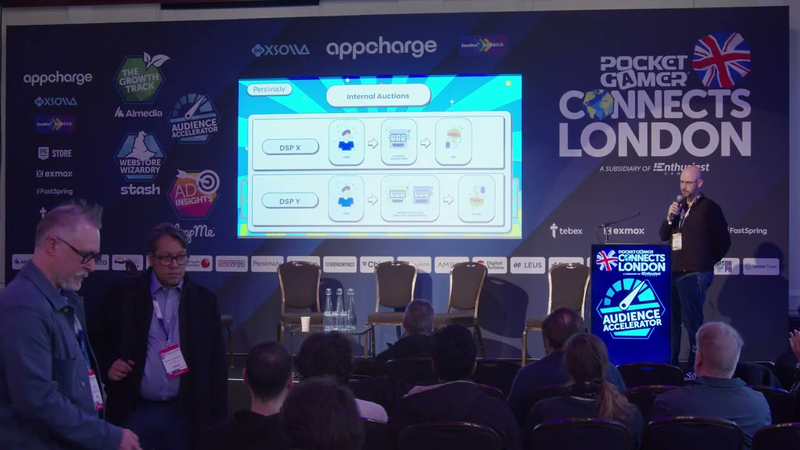
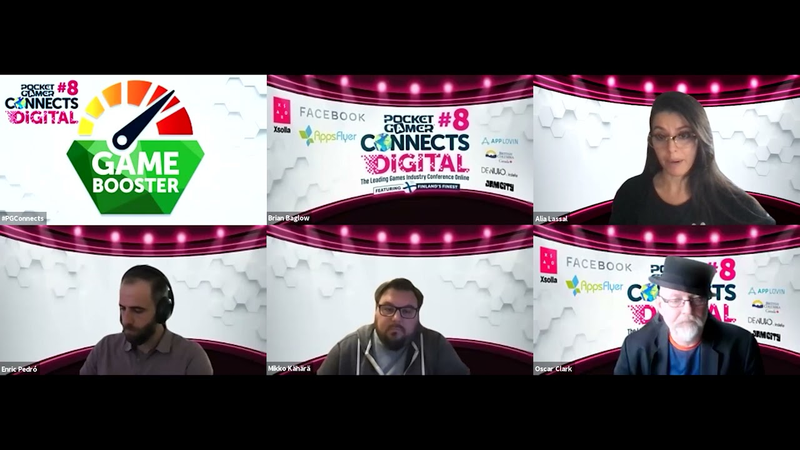
Panel: Creative Ways to Grow: Innovating in User Acquisition & Retention
Key insights
6 takeaways- 01Successful growth strategies require a holistic approach that blends traditional brand-building with direct-response performance ads, especially as privacy regulations continue to evolve and limit granular tracking.
- 02Influencer marketing campaigns can drive significant short-term install spikes, but they require careful tracking and coordination to avoid negative impacts on store algorithms if the traffic does not convert into sustained downloads.
- 03Game design should prioritize intrinsic shareability and social features to foster organic growth, provided these elements do not compromise the core gameplay experience or alienate the community through forced viral mechanics.
- 04Maintaining creative integrity in user acquisition (UA) is critical; using misleading ads that do not reflect actual gameplay can damage long-term app store rankings due to high visit-to-download drop-off rates.
- 05Retention is the primary driver of revenue and long-term scale, as acquiring new users is ineffective if the first-time user experience (FTUE) fails to engage players or if the game suffers from technical instability.
- 06Community-driven platforms like Discord are essential for gathering direct player feedback, which should inform product roadmaps and feature iterations to ensure updates align with the expectations of the most loyal user base.
Ask AI about this video
Transcript
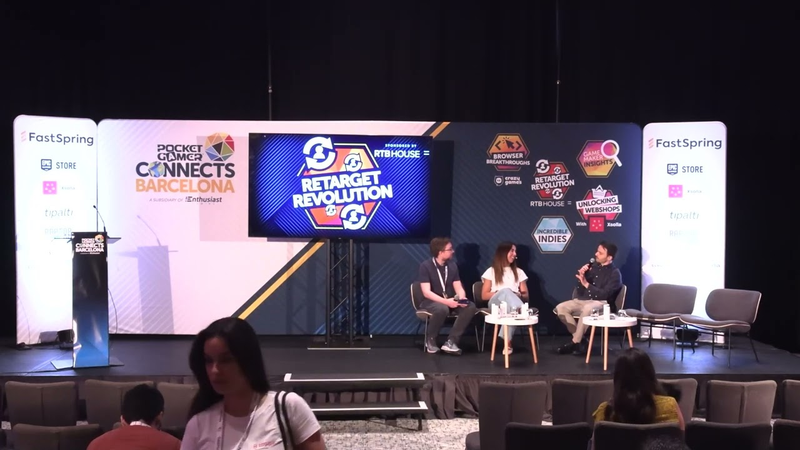
next up we have a panel session looking at creative ways to grow innovating and user acquisition and retention and i'm going to bring in the moderator for the panel our good friend oscar are you there miss clark we have people joining alia welcome good morning hello thank you for joining us and mikko enrique fabulous everybody seems to be here this is this is wonderful stuff this is wonderful stuff thanks folks we really appreciate you joining us this morning um it has been an absolutely fabulous morning of you know information overload almost uh all this because i've had so much to to
contribute uh all of the speakers have had uh so much valuable information to to contribute and before we start i'm just gonna say i sadly we are not going to be bringing your missing speaker after the panel apologies for that uh but we do have uh our panel this morning uh we're just waiting for oscar to join us who's going to be our affable chair and leads the entire discussion and indeed here he is hello hello mr clark i was there i was going i'm here i'm here come get me but unfortunately zoom didn't want to pick me up today for some reason i think i've just been over working zoom hosting uh yesterday monday and this morning uh on the other track yeah technology it's never going to work exactly hey all good stuff and thank you i am going to step back and leave you to it mr clark folks enjoy yourselves i
will speak to you towards the end great guys love to see you um um we have lots to talk about as i know you know because i sent a whole bunch of fun uh questions for you we'll see how the conversation flows through um obviously this is all about creative ways to grow so in particular you know using smart techniques uh for user acquisition and importantly retention so let's kick off by introducing ourselves to the audience in particular if you could just focus a little bit about what your role and experience is related to either acquisition or retention or both um alia do you want to kick off and tell us all about yourself sure hi everyone um so i'm alias and your ua manager at buga for two and a half years now so we guys play tikka game studio based in berlin and we are specialized in casual story driven games and before that i was also in the url in a gaming in the gaming industry but for
a pc and console game publisher um yeah doing ua and also uh re-engagement yeah and obviously has some amazing content so you know pearl's apparel jelly splash was it bubble witch as well i can't remember i i always forget who does what games but you guys have got an amazing track record and some amazing hits there as well uh mika miko tell us a little bit about yourself uh and what you do and you know what relevance that has to acquisition and retention please sure so hi my name is miku kahra i'm the chief commercial officer at kokori mobile entertainment i've been doing marketing and product management for about 20 well over 20 years and of of that uh but 10 years in games and uh with kukarina for two years uh really kind of heavily focused in in ua
and also heavily focused instead of understanding the the the overall growth uh growth potential and the growth strategies for for pixel wells i'm actually tomorrow's my last day at kokori so uh moving to to new opportunities building up something something new in the gaming space but a little bit more about that in the future oh that sounds that sounds very exciting to you i'm very sad for that team i'm sure uh but obviously you know with the tiny troopers and all that kind of stuff you guys have been around for quite a while and and seen there seen it done that um henry tell us a little bit about yourself and your role in terms of uh acquisition and retention please sure thing so i currently lead the growth team at tilting point which includes user acquisition and abstract optimization which is organic traffic and monetization at this point for those who don't know we are the leading free-to-play game publisher for mostly indie developers and where we combine data technology or talent and marketing expertise just to
scale games to to success previously to that i was working at zitro zitro is a bingo and a slot and provider i was heading the social casino department and before that i was um cmo at lab cave games where we released about three not 700 games and we achieved over i think was 300 million organic downloads so yeah it's a few just just just a little bit yeah and i think it's really interesting i i had a very brief stint in uh looking at mobile gambling back in 2006 where i introduced the platform uh in the java era uh i don't i don't have an interest personally in sort of gambling games even social casino type experiences but what i did find is that i learned a huge amount about customer management about retention from that brief uh connection that doesn't necessarily mean i want to do that kind of experience but i think we can easily underestimate the lessons that we can learn from those other
platforms and i think social casino was a really uh fascinating area uh most of those companies seem to get bought up by uh the big casinos even though there weren't real money games in a lot of the cases and i think again lots of lessons that we learned across the board but enough of that i i'm fascinated by all these things by the way um what i thought was really important though that you mentioned growth i think growth is a is a key thing which i think ties both to user acquisition and retention perfectly so let's focus first on the acquisition part so i'm a trained marketing guy i'm going to think about marketing and acquisition in a whole bunch of ways the use of different channels in particular i think about the journey i think about going from awareness to interest to desire and then the action the bit that gets you to play i also like to think about retention as part of that journey as well when you guys are looking at acquisition side the planning of the user acquisition what drives your thinking do you holistically look across channels
you focus on page ua uh do you look at organic tools you know concentrate whatever it might be what are the things that you think are the the principal go-to's uh when you're looking for acquisition alia do you wanna start yeah sure um so the mobile marketing uh ecosystem is very interconnected and all these aspects are very important all of them um we work like very closely with the marketing product um aso company management etc so there is of course the liveops roadmap with all the event content etc and marketing is of course aligned on that to create all the branding and marketing uh around that uh but also we have all the aso um effort to make everything consistent and then you you need also to engage the the players so i think all those aspects are
very very important uh and uh we are always all aligned on that um there is what marketing does in terms of i don't know tv campaigns influencer marketing whatever has an impact in ua for example so for us it's very important to be aligned to um also on the agenda and what's what's happening in the roadmap and and sync all together because what we do has an impact on the other um departments and what they do also has uh an impact on on us um for paid ua just an example when when marketing is doing a tv campaign we see the numbers like all the um especially on the uh search networks as a google app research we see a massive organic uplift at lower cost etc so for us it also means um [Music] a good opportunity for scale so always
like keeping track what's happening we're not in our ua world looking only at ua but we look at everything that's happening around because there is always a opportunity for user acquisition but also uh retention i was actually going to go into that uh with you because i think the the use of traditional media like tv like radio i think it's really interesting but traditionally it's been very difficult to see a direct correlation between an ad placement and installs uh and from what you're saying it seems like you're using the kind of rate of change of search activity as your indicator how do you translate that into say a row ass or a return advertising spend assessment so for example let's say there is a tv campaign and we see like there is uh um an incremental uplift like organically there is something happening it's also for us a good opportunity to scale
massively uh on a specific market or if there is a feature for example a new feature uh from liveops we know that uh it's also a good opportunity to advertise the game in the relevant platforms no i think it's fascinating this is an area that i think uh increasingly we're going to find more and more people doing which is tapping into particular particularly as we see the um the privacy rules changing i think we're going to see a blend between more traditional behaviors where we have a lot softer numbers as well as the direct response style performance ads i think a blend between the two is going to become more and more important for uh effectively scale i think the more we integrate that the better but anyway enough about me talking miko um what about yourself how do you guys think obviously from a chief revenue officer point of view you want to get numbers in the doors you want to convert them to spending what are you thinking about when you're planning your acquisition site
oh i've got your mute i'm afraid still so i missed that sorry about that oh this happens the key thing for us is really with pixel walls has been all about virality and uh and sort of the relation between long-term retention and virality and it what this is the kind of an area that we kind of scienced out quite quite a bit and when it comes to to user acquisition it's sort of all centered around how do we stimulate uh sustained organic growth through uh through getting getting people on boards and creating those kind of social social uh pressure on on a wider scale uh in order to sort of kick start the the the organic growth and that's usually the trick with that is really being uh aggressive and con concentrated so we we understand the core market we understand how uh how to how to reach them
especially especially with with influencer marketing which our core audience of gen z and younger are really kind of heavily influenced um so it's kind of uh we do this kind of bombardment level uh acquisition campaigns when we when we uh create a lot of bus in in in a given markets and uh and and basically that helps us to to uh sort of ignite this machine of of of virality and the trick with that also is that once we see this effect when people actually you know it's word of mouth people get their friends to play people also keep their friends playing so so it's it's uh that tactic not only makes our uh acquisition process much uh more efficient it's also increases in enlightenment in long term it increases our attention that makes sense when you say organic when you say uh viral i'd be interested a little bit deeper
into what you mean by those terms because there are a couple of variations of that so obviously one of the issues with virality historically back in the old facebook social game era was that we got into this quite toxic situation where people were exchanging in-game items for their friends essentially you know i will i will uh give my mates on my facebook connection to the company by if if they give me a few extra wood for my game i don't think that's what you mean though no no that's not one of the aspects with pixel was so that we are very heavily community driven and if we would pull anything like that off i'll try to try to pull anything like that off we would get a backlash from the community and then kind of destroy whatever we're trying to achieve so we need to be fair and and and very transparent uh and the game itself and its features and how you play together with your friends that should be enough and it so far has been enough to for you to motivate your
friends to join in and that's the virality it's real real exactly i think there's a there's a language that i'm starting to use to describe that which is like it's more about the network effect than the virality now that's only because i get i'm old and people still remember facebook when i talk to them um but the the key thing for me is this idea that it's a bit like a world of warcraft raid uh i mean this is the most extreme version of it if i don't turn up on wednesday for my guild i've let them down and that sense of the game that other people empower my gaming experience to be better to me is what leads the best kind of virality because we're not just um we're not just showing you this game exists we're showing you why we care about the experience is does that make sense that makes it absolute absolutely sense and and that's that's basically the previous value the driver there it's not not necessarily from a negative point of view that that you're obliged
to do something because there's gonna be a pressure it's more like well like you know it's a common hobby that you share with your friends yeah and most of the times you don't necessarily even even do sort of you know any quests or anything like that just hang out yeah and i think that's that's a really good point i think there's a there's a definitely a um there's a sort of band of experience there's a sort of spectrum of experience which can be really positive in social and lead to what we call virality what we call organic growth and that kind of awareness and engagement and bonding is a really key part of what i think games in general so um anyway for you what are you guys thinking of i mean you specifically mentioned growth uh i as well i mentioned i like that term um but when we specifically talk about the acquisition part what's driving your thinking so it has been my focus for the last two months um a tilting point actually um just make sure that we holistically look
across um all channels and and how each other complements um the other one so um just to give you an example it doesn't make um any sense to drive huge amounts of paid user acquisition campaigns if you have not worked first on how your app store page looks like that it might be the icon could be the screens have you done a simple ap test on those assets it you know it's um will nodding and agreeing but you will be surprised on how many developers we are in talks with that they never even bother to do one yet they have been spending a good time of their budget on doing ua whereas a b testing is just for free um so obviously you know doing that conversion um rate optimization on the app store page that's you know directly a direct benefit on your your ua campaigns we have talked about um influential marketing as well and it's um it's something that we do as well at tilting point but um i think that's my personal opinion we need to be a bit
careful when we're driving and these um this campaign this influencer campaigns values for the tracking which might be cumbersome on some instances but as well that if we are i'm partnering with uh with a well-known influencer that can drive massive amounts of um an audience to one of our appstore pages and this could be seen as a bad indicator to the apps for google play if not all of these or not many of these and visits become a download just because it's sending a signal that and hey users are visiting your appstore page but they are not downloading the game just because x reason and that's i'm ultimately connecting have a negative effect and on the on your ranking um in the mid long term so short term yes you could see an uptick on the number of um installs that you know you can just literally can see okay the influencer did the shout out this day or this hour and we can see the spike of visits or downloads and so on but then after a few days if not weeks more likely than not you will see a drop
perhaps in search or either explore traffic just because um if you drop a lot of um traffic from that influencer not all of them download and that was seen as a as a bad as a bad sign um to the apps for google play um but yes other than that i think um it's we all need to make the effort to always still be doing the effort to just making account for the different source of traffic that we have in different departments that we have under the growth um team and just make sure that each one of them work and alongside each other easier said than done yeah no totally it's interesting because i'm not doing a lot of a b test before a game is live myself but that's because i'm integrating my development cycle into specific acquisition points and optimizing so it is kind of an a b test but it's staggered across all the different stages of you know the day one day three day seven day 14 stages so i've got plenty of time to optimize and i'd rather spend as little as possible but that's my particular approach don't necessarily do what i say folks um
so uh i i think you're absolutely right you know thinking about what you're doing optimizing making sure the friction between each of those stages is as low as possible so that we get the best result because why spend huge amounts of money on a campaign well you haven't made sure that the copy works you haven't made sure that the artwork you haven't made sure that the concept is described correctly you don't have an audience that's already prepped and warmed again i think that comes back to me to this idea of creating awareness first then interest then desire and then a call to action um so i i think that all makes sense to me anyway all right so let's move on to the next question so what role does design of the game itself play into your thinking when it comes to acquisition or is it just the the game itself is just the framework for the creative um or should there be uh ua focus elements built into the core design aliyah do you have any views on that that's a good question um [Music] i think i think game design plays a big role uh especially in user acquisition
efforts um we really make um quality games uh for example if we take june's journey which is the title that i'm working on it's it's a very beautiful game the game design is very it's everything is polished sophisticated um the storyline is very important so we have lots of intrigues and and very interesting characters so everything is there really to um just use everything that is in the game for our creatives that we will use for our ua campaigns and [Music] i think sometimes you know you have for example a specific feature that we can use uh to acquire different segments of users if it's something very specific but really everything is there it's uh it's
just we want to also make sure we set the expectations right with the users so we are really using the game design in our creative effort um sometimes with some some small edits to really fit the duit format but this is mainly uh what we do um i know that there are some other products that will use a different design uh for their creatives i think it's a little bit risky and challenging because uh it can the users can can feel mislead so that's also why aruga we really keep consistency and we keep the integrity of the game design uh that are that is reflected in in the uh uh ads no i think that makes sense i think keeping that promise i mean it's an interesting one because we've seen a lot of studios have a lot of success with kind of bacon storage style ads some of which have actually been testing for
what games they want to build next some of which they actually incorporate the behavior into the original game but that's not quite where i'm coming from because i'm again traditional marketing trained person i'm thinking that product is the first part of the four p's product price place promotion and therefore i think that the building into the experience itself the shortcut you know the kind of nature of the of the concept of the game to make it so natural um virality can occur so that i've got something to show off uh the word of mouth i mean frankly the number of times i've showed someone my screen and go look at this game it's cool and that only happens i think if the game design is is there and i think miko i i mean it feels to me like that very much is in the ballpark of where you guys come from in terms of your thinking about uh the promotional marketing of the but pretty much so so basically i mean it's kind of a three by three solution for us so basically first three would be uh the the game in
the best best guess it has those features that supports uh support social social interactions and the game content itself needs to be designed in a way that it's it's it's viewable and shareable so basically it's it's it's interesting to watch it's interesting to share with your friends and all that and what that applies out to is is basically you you're uh we we use this in in in user acquisition first movement we would make a creative steroid always based on on the actual game action how how does the game feel likes to play and especially when you're really playing with your friends and all that you get that you know a very good image of what what you can expect when you get to the game all is created and all that kind of uh our community manager yakuza basically has put us his face on every creative that we have and him explaining and and and and motivating the players to join
in and not only a new way but also in retargeting and then it's the same thing applies to to influencer marketing so we we are able to provide the creators uh uh one company interesting material that they can either create themselves and just go into the game and film whatever they want to do or we can share some uh some clips and something like that that that will be interesting for them for their audience and uh and then it's also an internal content creation so community management our own productions on youtube and stuff like that so it's just we does it that's a way for us to keep the game fresh and always evolving and and keeping keeping everybody on board so it has a having these kind of uh strong social features for for for virality strong uh strong shareability and strong view abilities adds up to a easily scalable game i love the fact you talk about your
community manager being an integral part of how you communicate things i mean we know this is an incredibly effective thing because it's about authenticity it's about personal life it's bringing a face to the game uh and you know you just have to look at full guys and oliver himmel and his role in kind of building up that brand identity uh you can see how important that can be for any studio they don't have to be ea if you can have an authentic voice that connects you know the player to the game and feel like they're they're not friend that's too strong a word but that there's a an emotional connection there i think that's really powerful so anyway from your guys point of view you know what how do you think about this i think earlier i mentioned a quite an interesting point which is um those ads that do not represent at all and the game design itself to the point where some of these developers were forced to include some of the of these mini games or you know include those of the those game mechanics from the the ad within
the game so the the user wasn't feel um like betrayed from maybe i was a bit generous when i said that they chose to it shows you sure are you and i think you were indeed but um my point being that this might be a valid strategy like and we um you know if if it's being done it's for a reason it's because it's driving conversions and i bet you know that i know it's for a fact that is a low cpi and ultimately if you have a good game under that ad despite being an ad that doesn't reflect your game and your game play if it's a good game um people are gonna still most of them are gonna still try it and play it and then even perhaps even forget that they they just click on download that app on the first time on the first instance because it was referring to a different minigame or a game that has nothing to do with it um that being said my again i hear my opinion will be to try to stay as close as possible to your
um game design or your core loop and try to make sure that the audience that you are reaching out has a good a good understanding in a short period of time which is the app might be 5 seconds 10 seconds 30 seconds and most on what your game is about you can use um 3d cinematics you can have like gameplay you could have um you know have me convention and the the customer people being um like the face of these ads which can make more like a a loyal type of uh engagement with your audience all of these are are are valid and strategies um here it's just a matter of trying which one works best for you or your type of game and just make sure that your knowledge as well what are the pros and cons of each one of these approaches yeah i think that makes sense i mean for me i i feel like there's um real opportunity for innovative developers to think about their game itself as a channel for marketing and that means the in their messagings but
it also means the actual gameplay what about that gameplay becomes intrinsically shareable exciting and interesting so that you can build up that look at look at this look at me mark kind of moment in the game i think those things are really useful but if we go too far that we break the cut and compromise the gameplay so it's always going to be attention um i think that that's great stuff so let's let's move on for acquisition for a moment let's look at the other side of the thing and i think this is where again game design does have a play but i'm a designer so i'm going to say that um i think that retention is the key driver to revenue um i think that's the most impactful element i i think it's important to get more players but if you can get more players doing more things more often and for longer that is scale um but then that's our motive you know as a company uh fundamentally games um that's why we do living games um but i want to know what you guys think so what is the key drivers to retention for
you uh oh yeah do you want to talk about key drivers for attention um here i think um there is no big secret for retention a lot of things rely on on liveops site um if you invest significant budget in acquiring users you need to keep them in the game and for that you need to give them a reason so um all the new features new content um sales rewards everything everything made in a live upside to make sure that people um have a positive experience uh with new things and some improvement in the game is really really important but to to be able to make that in place you need to know the motivations of users to play so here
there is a lot of research uh to understand like uh what people like what they dislike and and just add or improve some of the features um for us we are uh having storytelling so there will be a lot of new content uh to make sure that people are still engaged and they are excited to to play the game and discover new things um i think there's also uh to keep the people happy basically uh players happy uh there are a lot of um things that can be done in the community management side but also player experience users generally they have like an emotional connection to the game uh all of our users they they just meet new people or they just enjoy uh spending uh a lot of times in the game and they like to connect uh sometimes it's just to provide positive or negative feedback sometimes it's just like to participate in a contest or
anything so i think keeping a bond with the the users is also a good a good way to build loyalty and uh and retain uh uh players in the game oh exactly i think that's absolutely spot on i for me i think looking at the life stage of the player is an important part of it so i look at players differently if they're just discovering the game versus when they're learning the game and for me learning isn't just the controls it's also where the game fits into the routine of the player and i think only after that do you find people starting to fully engage and then i want to see if i can make them super engage you know what what other people call whales i don't like to turn wales again back to my not working gambling particularly personally um but if i can find build fans out of the game then i'm looking at different behaviors in the experience so i'm thinking about layering the design of the retention with the life stage of the player in mind mikko from your point of view i mean uh
what do you guys do and uh one of the key drivers for attention obviously because you're so focused not on organic acquisition i presume a lot of the retention strategies are similar about organic play experiences they are they are really the so so the social social uh aspect is is really key but uh as you mentioned already because the different layers of of motivation that that you can serve different players one of the things with having a sort of sandbox game uh like like pixel was just kind of it's easy for us to kind of branch out the different kinds of uh different kinds of gameplay modes and features that that offer different uh alternative motivating factors for for for players so it it kind of serves a lot of purposes but i think at the core of it it's really kind of uh the retention comes from sort of investment from from player perspective as far as not only investing in money
obviously monetization drives retention but uh also you know if you invest your time and and your efforts and all that uh to something that you find meaningful that's really kind of the key retention driver as well a long time an interesting one actually i think that's that's something i'd like to dive a bit more into i mean i i look at the context layer and the social meta game layers uh as drivers as well as live stage i have complex models but for you what what is the simplest kind of way you can kind of convey meaning for the player or so that the player finds their own meaning so i think when it when it comes down to uh it's kind of simple it's it's getting you know getting rich so so people mind for uh for for lutheran they they trade they they do all kinds of things that uh they get wealthier and wealthier in the game which of course on other side they can invest and uh
and have have uh retention investment to be honest so this uh the economy is kind of uh i guess in a cornerstone of the whole motivation that's not for fun and social and all that no i think yeah i mean i think it does vary per game but i think yeah you're right it's like each game has its inherent sense of purpose and progression it has um hopefully a sense of unfinished business and that combination of the anticipation of what you're going to get and the sense that there's still more to do will be a full kind of element to that so anyway from your point of view i mean obviously growth growth equals new people in people who keep um how do you look at retention and you know how one of the key drivers for it for you guys the fpu the first time user experience um as many users were dropped into the to the game if the experience is crap
and the first time user experience they don't know how to play the game tutorial doesn't work or even even the game and it just like it crashes um so you have like i'm not responsive doesn't matter how much budget you have doesn't matter how many influencers you send doesn't matter what you're doing organic isn't going to work period so it's true yeah pretty much so this is this is it's basic it's um uh it's quite straightforward but that's that's that's that's what's gonna that's gonna state if a player is gonna be willing to keep playing that um after day one day three day seven now when we moved over those um further down the line on those and the day three day three day seven and so on it's about obviously the um the game mechanics but um if the ultimately i think it's if the player are playing the game as you expected that they would do um so um it's perhaps is the average session length what you expected because you know we talk to many developers that they you know there is that um overstatement or thought that
um the longer the session is the better it is and that's not actually necessarily true in what instances but that's the thing but like oh my players love the game because they play at least an hour a day is that is that the behavior that you were going after and when you have the game mechanic and blue and so on if the answer is yes well then congratulations and but probably on a mobile game that's perhaps um even too long um so i will definitely um keep um that in mind and ultimately um we mentioned that before i think was alia um on having and live ops and having new content relevant to the player and so after they've done the the first time user experience they have their retained they kind of like the game i mean that unless you're doing an upper casual game where you know that you're playing in a short period of time the rest of the game should be looking into how can we maintain the user happy or happy has it engaged with our game and that goes the
the easiest easiest quote-unquote route is doing the live ops which might be new content or specific missions or updates and things that make the player feel that the game is much alive and it gives them a sense or a purpose more rational on why they want to check on the game again um it happens to me on um more often than not that i keep constantly trying opening the game to see what what what what else is going on and whether i have any new updates or any new an offer or anything relevant that could you know give me an edge against others but that's that's me as a player and so we need to understand as well your target audience and what motivates and drives your your most engaged players and try to give them more more of that yeah no i'm i love the fact that you talked about the fgue at the beginning because sorry first time you drink this um because when i've i've been called in as a consultant to try and fix a game 90 of the time it's because their fcu is
screwed and you can't always fix it um you know perfectly great games when you've got into them just don't communicate and i've screwed this up myself you know number of times i've made games and i haven't got the first time experience right it is so important to get that first moment around but at the same time if you don't think about the longevity don't think about the long-term retention you're going to struggle we're almost out of time so i'm just going to ask you uh one last thing um which is what's the one piece of advice that you would uh give to the audience to think about when it comes to retention and acquisition and how you can get the best benefit what's the one thing that you think that the audience should take away from them so yeah do you want to give us a comment on that um here i would say um working on ua and acquisition and retention strategy in parallel at the same time because you're not running um
acquisition campaigns once a month but it's every day you are bringing you're feeding the game with new users so um i think here it's like really important to have um a strategy that combines both aspects uh to to make sure that uh yeah people who are newly in the game uh are happy and depending on the life cycle of the game also and and where people are in the game that they are still also engaged and happy um and fit the uh the game with new things but it's it's also um being a bit more creative in in in the way that we are doing ua but using retention insights because the more we work on retention the more we know about what is appealing to users what is not and we can also explore uh different uh features or just anything that is
interesting uh in retention we know that probably that might be also interesting uh for acquisition um and we also increase the chances to keep those users in the game no i agree i think this idea that we the the job we've got in the marketing acquisition stage is to communicate the promise of the game so when they land they get through the first time user experience because they know what they're looking for they got their eye on the prize they they know what's coming that's going to make it worthwhile getting through that as energy mentioned that painful first time process mikko for yourself what's that one thing you'd like to share for this kind of balance between acquisition and retention well yeah okay this might be a little bit a little bit challenging but understand your core audience and their motivations then get their friends to play the game and bring it on board i like that i think that's actually so one thing i often say is you don't have
to we're in a world now where we don't just think about our player as an audience we've got to think about our players audience yeah we could say that the minimum the smallest unit this is a group of friends yeah no i think that's absolutely right and getting that balance where you're not just thinking about one person you're thinking about the group i i think really nails it for me uh about you know because that so intrinsically that ties into retention as well anyway what about yourself what's that one piece of um thought you'd like to share i'm thinking back on a question that i've seen on the on on the panel and it's about using um communities um such as reddit or discord um um like don't don't ask me what what and podcast it was it was last week i was listening to it and one of the and one of the members was stating that their discord channel was a great source of information was like their own um panel and their own focus panel and 24 7 for free um so i can unders we cannot
underestimate um the use of these channels i think and in fact if you know it happens more often than not that the developer um thinks about oh i need to build um so that that means i need to build a facebook page an instagram page twitter and so on no just focus on one and be really good at it um and in fact in discord it's really useful because you can have it there and it's a way to interact with your and with your most loyal players and you can get as well more insights on what what they like what they dislike what they expect or what they hope to see next and this this this can become not you know you don't have to um follow all their advices or suggestions but it can be a nice way to to have perhaps an idea on the road map on what your player base is looking forward to and therefore just trying to adapt a little bit and that and next and design or iterations or updates towards and do that towards the liking i think that makes a lot of sense i mean any caveat i'd suggest is i'm i'm with you in discord i think
discord's fantastic i um what never used to be a fan but increasingly it's become a pivotal thing but i think what discord is good at is that contained community like you said that kind of on tap focus group i do think that it's worth having a broadcast social platform as well because discord is not a broadcast for sure for sure and you yeah for sure and if you're driving if you're doing any sort of ua campaign like be likely to use facebook and network you're required to have a page and then you're gonna be get likes and fans or your page as well but i will then um it's one of those things that uh it happened to me as well and that which we spread to theme right and we try to cover i need to have a reddit a twitter account an instagram account a facebook account and that's it becomes so much and then and then we realize oh i didn't update my instagram page for the last six months and it looks sad and then you start looking up maybe need someone to do only this job and maybe you're too small to actually be able to afford that so i would just be really strategic um and on what um channels we try to use
yeah completely agree and um for us we focus on depending on whether it's a pc or mobile game we'll focus on facebook or twitter for that game we'll focus on discord for communities for mobile we tend not to get so much in the discord side as we do with the pc side um but we do tend to do use tools like hootsuite and so on and so forth to make sure we can produce some historical information consistently across all of the platforms because we don't want to be thought of as not interested on those other platforms so i think it's an interesting balance do you have something that goes across peace do you focus i think you kind of have to find a way to do a little bit of both but if you don't think about what you're trying to do with those social channels it's going to get very messy and i think you're absolutely right you can really screw it up if you prescription off too thin guys this has been fantastic i really wish i could i mean we had some of the other questions i was going to go into about live ops about games as a service you know you name it um unfortunately we don't have time for that um i think though we've got some fantastic stuff
out of it um i think we've given some really insightful stuff whether you're coming from a big traditional marketing tool set to organic focused growth uh to be really doubling down on the experiential side of the of the game all of those things are important you and i think as henry put it we need to focus on what we can do well and it executes flawlessly um so hopefully that's given you all uh something to go from and i will see if brian is uh around hey brielle brian how are we doing i'll hand back to you sir thank you very much indeed oscar um another flawless performance and what a great panel um thank you all so much for joining us this morning we really appreciate your time and you know it's what a huge amount of learning um one of the key things i think that we are all taking away is the fact that simply making games and making good games is no longer enough there's so many other aspects to this getting them out there supporting them um
i've been sitting scribbling notes following along and and using all of this so thank you all very much for joining us we really appreciate it um that brings us to the end of this morning's education entertainment and ongoing endless activity so before we go i would just like to thank uh all of our panelists ali amiko and enrique thank you so much oscar as always it was a flawless performance
Summary
Sustainable growth in the modern gaming industry necessitates a holistic strategy that bridges the gap between marketing, product development, and community management. Rather than relying solely on performance marketing, studios must integrate acquisition efforts with live operations and product roadmaps to ensure long-term viability. Traditional media campaigns, such as television, remain effective tools for driving organic search volume, which subsequently creates a foundation for scalable performance marketing. However, the efficacy of these efforts depends on maintaining strict consistency between ad creative and actual gameplay to prevent user churn and protect store rankings.
Community-driven engagement serves as a critical pillar for both acquisition and retention, particularly among younger demographics. By prioritizing authentic social virality and influencer partnerships over incentivized referral programs, developers can foster deeper emotional connections with their player base. Platforms like Discord have become essential for gathering direct player insights, which should inform game design and content updates. This feedback loop ensures that the product evolves in alignment with player motivations, effectively transforming casual users into long-term, loyal fans.
Success in the current market requires a shift away from viewing game development as an isolated process. Instead, developers must treat their titles as living ecosystems that demand constant attention through robust LiveOps and seamless first-time user experiences. By utilizing professional management tools to maintain consistent messaging across diverse social and mobile channels, studios can navigate the complexities of modern UA. Ultimately, high-quality game design is no longer sufficient on its own; growth is achieved only when marketing, community engagement, and live operations are executed with precision and strategic alignment.