1 free read left. Create a free account for unlimited reading + AI research.
Create free account
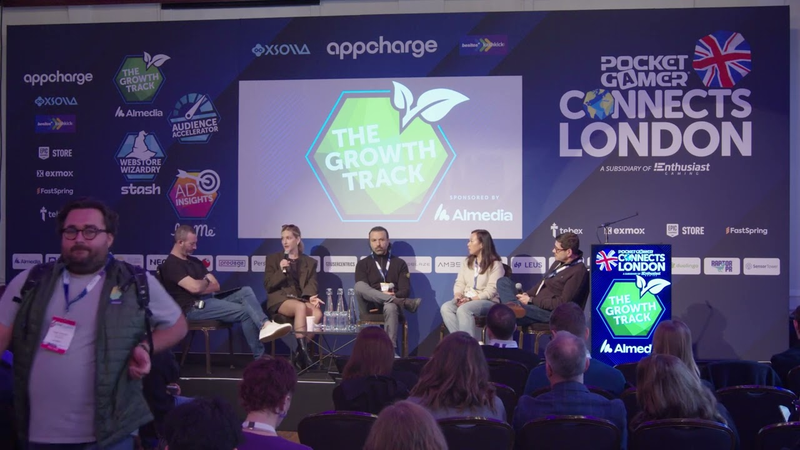
Panel: Two Years On From Major IDFA Updates, Have We Recovered?

Key insights
6 takeaways- 01The mobile advertising industry has shifted from granular, user-level tracking to privacy-centric models, effectively avoiding the catastrophic revenue collapse initially predicted following Apple’s IDFA updates.
- 02Publishers are mitigating reduced targeting precision and rising acquisition costs by integrating monetization and growth teams to foster trust-based user relationships.
- 03The industry is increasingly utilizing a value-exchange model, where data collection is explicitly framed to users as a necessary component for supporting free content and enhanced gameplay.
- 04Performance marketing strategies have been replaced by a holistic approach that prioritizes contextual signals, cohort-based analysis, and the strategic optimization of creative quality.
- 05Long-term player retention and high-quality user experiences have become the primary drivers of growth, replacing the previous reliance on data-heavy performance models.
- 06The current ecosystem prioritizes transparent partnerships, influencer marketing, and compliance with global data protection regulations to ensure long-term sustainability.
Ask AI about this video
Transcript
[Music] i guess i'll introduce myself properly um my name is kat peterson i'm the co-founder of a small talent agency in toronto called real sex i've been doing this for almost 10 years we manage a very small group of talent but mainly pewdiepie who eats up most of our time so um i'll i will let the intros flow but i just want to say first of all thank you guys for both volunteering to be on this panel a lot of people we're like no thank you no thank you
no thank you i'm not interested so thank you it's because it's tough isn't it it's a tough conversation to have because um the the changes that require us a whole bunch of liabilities and consequences and it's just been messy and it's been a long time coming as well so um i'll do proper introductions i often forget to tell people who i am uh i'm oscar clark i'm uh uh chief strategy sorry i i forgot to change my job cycle i'm chief executive officer for fundamentally games uh we're a living game publisher we're about to announce our first game shortly um but i'm basically old and wear a hat and therefore i get to speak on panels and host conferences um i have been working in games for 24 years i am also advisor for a ad company called audio mob and i have been basically doing all this stuff forever so i'll pass on thanks uh i'm sussian i'm coming from digital turbine which is which now holds fiber ad colony appreciate
i actually come from the fiber acquisition i do sales with on the publisher's side for mobile monetization and i also come from ad colony so i've been working with publishers on ad monetization for a little bit over six years now i didn't say of course i was the original evangelist for unity ads before it was called unity ads as well so i've been doing rewarded ads since they existed so [Music] amazing um i want i'm gonna put oscar on the spot a little bit well you've been in the industry for a long time for a minute i deserve it right can you talk i'm going to rewind a little bit i from the position i'm in have been relatively unaffected by idfa changes as it should be right so i would love if you could talk a little bit about life pre change what the change meant and how that sort of unfolded because i was looking at it
as a reader not a so i was just soaking up what the media was telling me and that was it but from an industry perspective from a business perspective i didn't see a big change so what you probably would have seen at some point maybe only once so maybe you've forgotten it you were given the option to opt in and that's basically what we're talking about rather than you would be presented ads and you could choose to say i don't want them or ignored them or whatever um you then got an extra layer from apple saying do you want to see ads and that has been profoundly impactful what it's meant and there's lots of arguments about it i personally i'm not sure i completely agree but there are arguments that it's the power play of apple versus facebook i'm not sure that's entirely fair but because there is a genuine
privacy direction that was coming anyway but i have to admit it does put apple in a better position than most um but the reason i'm i think it's interesting is because we've seen something well the last letter which is quite a while ago i haven't checked it recently but something like only about 20 percent of people actually opted in so you go from 100 of people who are going to get to see an ad to now 20 people on an apple device so we're going to get to see the ad if you are relying on doing tests and analysis of your game based on players on apple you've just lost any information about what people are actually doing on average you have only got the people who said they're willing and actually positively choose to see ads so you're going to base all your decisions based on the people who said yes that's the profound problem with andrew we haven't had that happen yet although lots of people are fearing that it will happen uh i don't know um but what we can see
on apple on android is here is everybody who could possibly see an ad unless they opt out we can see their behavior you can understand that and we can act on it the issue is that we have to separate personally attributable information from um you know basically performance based information and that means we have to change the way we behave as companies where we actually look at interests we look at cohorts and we need to stop trying to basically well that's what i'm looking for it's almost like we've had a restraining order put on us we shouldn't be we shouldn't be uh you know stalking players what we should do is embrace them anyway that's i'm talking too much so different yeah i guess i would just add that especially for anyone in the audience who isn't super familiar with the changes with um idfa so essentially apple's att framework privacy framework that was rolled out with ios 14.5 to your point oscar
it's not so much who's going to see an ad it's just how it's targeted towards them so i guess to your point i guess like if you're working for a talent agency and you're not seeing that difference is that because no company is going to stop showing ads and ads are not going to stop being served it's just more about the efficiency of those ads and i don't think that the deprecation of idfa is necessarily a bad thing i think like bidding we've been talking about privacy like it's this big thing that's coming um i think if your prophets rely on it you treat it like a boogeyman but in the greater society it is generally a good thing i think the key difference that we're seeing at least in the last two years is that in europe and latam in asia we have seen governments regulate and set the frameworks and set the tone whereas with
apple we have seen not only you know the biggest company in the country um set the tone and the guidelines but also their position in the company ha in the whole industry in the ecosystem does have a conflict so for me for example i remember the mayhem that was coming with gdpr like i think it was like may 26 was that deadline and then it was like whoop nothing right and with apple's framework roll out not that it wasn't a big impact but it's not like ios revenues went to zero and it's not like ios campaigns just completely stopped working it's just we had gotten to a point that was so targeted and so data driven that um it's just like a regression sure and if i can stop you there for one second because you touched on something really interesting um that i think
would struck would strike a chord with anybody in here or nerve and that's that other places other countries let the government make the choice first should as north americans should we have stepped up faster like should we have jumped in faster should we be letting companies make decisions like this i'm english i'll let you talk about not only i'm american so i don't know you know north american governments i think uh differ a little bit in their activity um look i i listen to a lot of the congressional hearings i think in order for our governments to be able to actually regulate to protect the consumer to protect data and also protect the industries that are generating very real revenues and enabling very real jobs um we would need a body that fully understands the technology um and
given i wasn't sure if you were going to go there let's go um no i mean the cookie regulations are all perfect we're almost so much safer with being trained to click buttons that just pop up regardless i mean i have heard i think a congressman uh question an apple ceo about google maps so you know that kind of sets the tone of where we are with government regulation um but outside of that i mean take it back to as simple as like the number one request i get from publishers that in the six years i've been doing this i cannot facilitate is block by app store category and the two main stores in north america do not have uniformity across the app store category so what's nice about the apple att framework is that for the first time ever this entire industry was forced to stop and collaborate and work together unfortunately that was like apple versus
everyone else but to your point you know you were reading all the headlines and there is a little bit of um sensationalization that takes place because that was setting a lot of grounds for this is antitrust this is going to just take out this entire industry and it's not um and we saw that even like for example at like fiber we have our programmatic exchange right it's a marketplace we just sat with every single dsp and we're like how do we contextually target felt like we like regressed 10 years but it's like it is what it is and you know if we ask them six months ago they would never have that conversation but that was just what was required yeah and i think that having to shift to contextual targeting has made a shift in terms of ad spend from apple to android inevitably i i think we have seen some impacts in
terms of revenues for for games that are generating revenue through ads in terms of apple versus android but it hasn't been anything like we expected i think i think yeah we haven't seen like clear nose dives i mean look at the end of it it's all about efficiency for dsps and any networks that are running these campaigns it's how efficiency efficiently they are spending their advertisers dollar and for publishers who are now very much those advertisers also it's about how efficiently are we operating our business and you know making sure that we are profitable for every single user that we have um so to your point yes it has spent has moved towards android i think the latest number was like 70 30. um and historically the reason that spend was so heavy on ios is because ios has english-speaking users and the ecpms are higher um so it's just about like how do we make the most money most efficiently
efficiently and that that equation's still there it's just the some of the balanced numbers of shift to your wider point about government regulation so um one thing please tell me about the uk government so much get in there yeah get him it's not like we just had the prime minister resign after several months when he should have done but never mind um i'm not getting into that i'll i'll run for days um anyway the the thing i was going to say we were actually hired by the ico that's the information commission office in the uk uh and they have a code called the age appropriate design code which i'm sure none of you have heard of if you sell any games to the uk you could be fined up to seven percent of global revenue or 19 million euros whichever is highest if you breach it and you don't know about this regulation do you oh by the way it means that you can now no longer assume that your players are over 18 you have to have proof no one's talked about that and this is the kind of regulation
problem we're dealing with which is way beyond what the apple process is talking about and the reason i mention it in this context is because there are some significant consequences but it shows that actually i would argue that the idfa changes were a defense against some of the potentially more restrictive regulations that's now coming because apple needed to make a line and stand i would argue to say no we are being responsible how we're handling data because we're going to be doing these things the industry has had to respond to that and i think has actually put us in a better position to respond to the future regulation issues which we're now facing because of the the hangover i would say over the kind of cambridge analytica style behavior that we saw in the facebook world so the positives though are as you said we're changing to context-based targeting that's actually really good interest-based analysis fantastic but i think it's also meaning
that we're focusing more on creative and communicating messages which i think might actually give us people who were trained in brand marketing like i was that actually we can have some value to add now we're not being drowned out by the performance because performance is so effective we can actually have ads that are interesting sorry yeah i mean i would just add to that that you know no one can clearly see what apple's intention was i mean after the april deadline they did post 11 job postings for their ads business and we have seen spend go towards apple search at so if i had any hopes of working for apple i think this just to make sure that i won't work there but outside of just like where it came from i think like it's like a chicken or egg story i i can't fully say any corporation is like doing it for the good of the people but on the other hand i do think it's very positive for users to understand the value of their data and i think that's why we don't see
as much pressure from regulatory bodies in north america because the convenience that we as users have um it just is far too high for us to like really sit and care like with ccpa i mean i thought that would actually kind of make like a difference because it's like listing all these random companies including like you know none of my friends know who digital turbine is so if they're seeing that in a privacy policy they should be like concerned who is this but the truth of the matter is that they're not but you know moving past like all the damage or whatever it is like for example for me as a user i didn't see any difference and i was like wait why am i not seeing the opt-in i want to see it well i had limited ad tracking on and you know there is like a small percentage of users that i think that was like ios 10 or 11 and 2016 2017 where lat was actually rolled out
um that care about this so for them like this is like okay great but you probably already had lat on i will say i get a lot of ads for games i already have installed um and it's annoying but you know that's kind of like the price that i paid to not have my stuff tracked and i really just turned it on out of curiosity but it is like that thing for user experience so outside of the money portion there is this very real you know publishers are spending finite resources time um a lot of stress to deliver these incredible game experiences at least for the gaming publishers and they have to have ads i think we're at a point where unless you're like mid-core hardcore iap only doesn't really you know work even if you're mid-core if the ads are done well it can still work you know so yeah but like you know we
we've shifted as a as an at least for me i used to get so much more pushback from publishers for ads product teams games teams still push back but there are very secure business teams now that are like we have to run it like we have to run the ads um because outside of revenues there's also this natural break that users want in their experience sure i want to touch on something that's a bit off script but both of you have touched on informing the users talking to audiences about these changes how how are we going to do this do you think that i mean i do think there's a responsibility on the industry to get as much information out there to really inform the user about privacy about data so so where is that going to come from how is it going to start and and how are we actually going to inform users so that people wake up a little bit and understand the value of their own data yeah i think this is hugely difficult because we have to tell the users and we do tell
the users it's in our terms and conditions it's in our privacy policy which everyone reads obviously you know you all read every page don't you i mean you scare it and and underline the bits that you need to think and go and research obviously you do that no i mean obviously that's nonsense um i think the problem is that we we need to communicate our trustworthiness as businesses we need to engage with our players authentically where they are not necessarily in our links and documentation so i think a lot of it is about being able to build brands that are trustworthy because that's what a brand is for it's to say you can trust me look at what i'm doing and i will talk to you and you ask me questions and here's all our information and we're transparent transparency is the key i think because if we start going off and talking about how our privacy policy works we start hearing snores but if we say oh look you know we only
collect data in order to improve the game no one's going to have that underlyingly that says everything we are i'm personally and we say this all the time i don't want personal information about individuals anyway except to the very limited the extent i have to have so i can assign to you the things that you have chosen to buy in the game i don't want anything else but i do want to assign you to a cohort a group of people which is probably based on your progression in the game how many days since you've purchased that game that kind of information why because if i have groups of people and i can see average behavior with these common characteristics i actually get better gains that's why i want the data that's the kind of data i want i don't want to stalk you i don't want to know where you live i don't want to know what your bra size is i don't want to know what your hat size is none of that is of my interest or i have no right care i shouldn't even be asking those
questions but what i should be able to do is say when you play this game what do you actually do and how can i make it better for you and that applies to the ads i present it applies to the revenue models i use it applies to the gameplay i do um i would just also add to oscar's point it's it's really interesting the way messaging and positioning impacts it right because now you hear people like oh no i don't want to be tracked and you know apple has really positioned this framework all about privacy and i saw this like really funny ad where it was like your barista shouldn't know about your rash and i'm like i don't need to know about your rash to serve you play rigs ad like i just literally need to know if you're in the states like um and you know i would say you know let's talk about gaming because that is majority of the dollars
there is a lot of valuable real estate and there is this generational divide but if we just take mobile first games and mobile first companies um they are pulling younger audiences that are savvy enough to understand the value exchange um so i find it really ironic that you know sometimes people are like oh yeah i talk about an item by my phone because i know instagram will serve me the ad so how is that helpful but it's not helpful when it's in a game um and then on the other hand you know server cost is very real i don't want unnecessary information about users publishers do not want unnecessary information we just basically want whatever the algorithm can feed it which isn't even really truly identifiable like i can't say this is so and so who lives at so and so address x y and z so really educating the users um behind like what's going on and not just like hey we
support this game with ads i think that's becoming too trite but like truly being like hey like if you opt in like you will get more targeted ads but that would just make like a better experience and also again like the game is free my boss and i were joking about you know we tell people like oh we're the ones who put ads on your phones but it's like the other way to view that is we're the ones who make your apps free so really highlighting the value exchange there um but to that point i think it's interesting because we were getting these but we still do get so to a certain extent i'm looking at a page and then i just go to another page and suddenly i see an ad for the thing i was looking at before and i feel creeped out and that does does happen but at the same time in fact actually what creeps me out about it is not that it exists it's it's not useful to me because i've already rejected that thing because i've gone on to another page so you're actually showing me a less
useful ad than if it had been random and i think that's what not only am i creeped out but you're actually being less useful to me so it's the worst of all possible worlds when it's done badly like i think in most cases but i think more to that there's a there's other areas which i think we could probably get into in terms of the impact post idfa and i'd like to talk about like facebook type tracking so i use facebook targeting for my testing so when i'm we do a lot of pre-testing to make sure games are ready to go live so i need to be able to spend as little as possible to be able to know if this game's gonna be any good so i need to be able to target people effectively to be able to give them would you like this kind of game of course i can't do that for apple devices to any level of extent as i could i can still do it for android so not at all you can't it's just like you know because you're in it but i don't know so can you talk a little bit about that yeah i'm probably being a bit unfair saying you can't do it you can do it but your
the scope of the people you can target is significantly reduced and therefore the cost of targeting those people is slightly higher in fact actually quite a bit higher so i used to be able to get well again it depends on the game but where i might say get a 50p for an install i'm probably getting more like 75p where i used to get a pound for an install i'm probably getting about 140. it's that kind of i'm not talking specifically on on up it's i'm actually also seeing slightly higher on android as well but that's i think because we're seeing more money being spent on android and therefore i'm competing more even though i'm competing at the very low level deliberately so and therefore there's there's plenty of space for the leftovers which i'll as i like to describe it um because i'm not being i'm not competing with king to get you know players uh it means that i i can get more effective data about the the likability or the attractiveness of the game with these low spends yeah i think on the android side it's
just simple supply demand but i also think when we talk about the deprecation of idfa um kind of focusing it a little bit you know back to gaming um so between the formats of just display like banners mrex and full screen like interstitials and rewarded video we do see very different types of advertisers so to your point when you're testing for a game it's full screen ads and you are tracking kpis on the brand side and on the banner side it's brands running and they're running the way they run on tv where they just want as many eyeballs like obviously like ctr is a factor but not as much when it comes to like a rewarded video playable ad you know the ecpms for publishers go really really high what's been nice is i've definitely seen a pretty quick shift from publishers to be
open to more testing i've heard publishers be open to adding banners to apps that i never ever thought i would hear the horror um you know offer wall i know you know that that format kind of gets eye rolls but we've definitely just chill down my spine we've definitely seen publishers be interested in that as well as advertisers and also go back to being comfortable with making decisions with not as much data and i do think there is a little bit of over confidence of like oh i did this a b testing and this is the answer because there are so many moving pieces in mobile and every single partner you work with gives such different levels of granularity of data that there was almost like um paralysis by analysis going on whereas now it's just like a little looser of
like okay we what's our goal right like we don't want to hurt retention we don't want to obviously increase churn but we want to up our revenues can we do it with this new format or this new partner but it's also i think it's valuing reach which i think the performance side slightly you could argue devalued that so what i mean by that is that i mean in the old days where say for example i might want to put an ad in sfx with dave over there um you know i had to go to you know the the team that you know he was he was editing it and i was going to be his ad guy and i would be buying a page i would be looking for how many people are going to be buying that magazine physically and that's the metric that i'd be using to see whether i'm going to choose sfx or what was the other one it was a no yeah right yeah there were a total film or whatever it was that the other bad guy used at the time anyway those kind of things i was specifically making a brand based decision because i wanted
reach for my ip i wanted eyeballs like your you know your cpm stuff you were talking about earlier but when i talk about uh performance ads it's the conversion it's the specific it's uh you know how much in fact it's not just a conversion i'm actually also interested in tracking um you know the the behavior of the cohort that came in you know through attribution i want to know not only did i get them to convert but how long what proportion of them stay what we're watching them spend so i'm i'm going so many nested layers in the traditional performance stuff i said traditional because it's kind of gone now but not gone that's not fair it's less easy to do this kind of level of detail because we have to be a little bit more careful about the privacy data so i think this is the balancing act which i think i suspect you're talking about and i'm misinterpreting but it's this balancing act where it's shifted from being all about the precise specific and now starting to take into account actually
the fact that we put our brand in front of somebody whether they click or not can still have value and actually i think that's a positive i think that's a really good thing because we start looking at ads holistically not just from does it give us the theory thing we want today yeah and you know in regards to going for reach or conversions um obviously for brands they have to go for a reach because i think we underestimate just how difficult it is to convert sales um so it's kind of like you cast a wide net and you know like you know a small percentage of them will turn into actual revenue the part that's different for publishers on mobile is that when your revenue is predominantly coming from ads you don't have these really easy calculations right like iap is easier for publishers first of all it's first party data it's cash coming from one or two partners and you can back that out
of like i have this many users they make me this much money with ads you're reliant on what the market and what your partner's technology will give you in terms of value for that so you know again like to avoid these extremes it's not that if you advertise on ios today the users that you acquire won't bring you value it's just that we had so much data before where we were able to look at day 0 day 7 day 14 day 30. and it's just a shift in perspective extending those retention ranges that we look at because it is still the same ltv and obviously we want to make sure that if you're paying one dollar for this user you're making more than that dollar but there are ways to run tests and you know fine-tune the averages as much as you can
and what's been really helpful is in the last two years we've seen monetization and growth teams kind of turn into one team um because they feed into each other that's the positive that is the positive that's come out of all this so neither of you have a crystal ball but we know we don't know we think it's a machine it's fine right it's good this is going to happen with android at some point in the near future right no maybe i mean it's it's where you know it's definitely going to happen i would just say with google one i they're really learning from apple and taking the we're gonna get feedback from developers and really here and also google has a huge horse in this race um so they can't really afford to have advertisers completely fall off their platform true story four minutes left i think that's a
hugely important point but what i hope we've seen too many cases where google have just our apple did it therefore we must i i i hope we don't see that again what i do hope we do is actually to authentically respond to the problem the problem being people don't like feeling stalked and we have to be responsible with the data that we've got right and as long as that's followed through yes there will be changes this is always going to evolve you know i i think this is this industry changes every three months i mean you know as far as i can tell uh but it comes around in cycles you know so i think we're in this situation where to your point just because we don't know that those players are going to do certain things we still see the sales so that's why i think hybrid monetization is such an important factor i think it's almost like we we're kind of juggling with big thick gloves on whereas we used to be able to just push the balls around yeah no no that's a three minutes
does anybody have any questions go ahead go ahead sorry should we just let's run the mic too that's the trouble with being a host and a panelist um great panel i just had a quick question so what are some of the um publishers oh so that was uh mike uh i'm not sure which one is that's not mike4 okay okay i was gonna say like what are some of the publishers who have been um like how have some publishers like successfully mitigated some of the impact of like idfa or how have they kind of succeeded post idfa on ios um on the monetization side i would say working with partners who you know one really stepped up in the summer of 2020 to provide guidance and to work with
everyone in the ecosystem to drive those results so i don't want to be biased but i personally saw a really strong performance in our marketplace because we worked with the dsps to support the contextual signals that they needed to run obviously those were lower ecpms but we did see pretty strong revenues that didn't completely offset all of the impact but definitely mitigated some of that um and in terms of obviously i don't work on the growth side but i have seen a bigger shift and heard success stories of publishers going um to influence their marketing um and really establishing their publisher name as a brand so you know within these gaming communities there's a lot of engagement and you know with web 3 and metaverse there's just like a general shift in our digital society
towards communities so um working with influencers that talk about the games because um that's just like more a broader way of acquiring users obviously in terms of like measuring the cost and the impact is pretty difficult but it you know you're going into an avenue that you don't have like a gazillion people competing with you for the very finite inventory that's there does anyone else have anything before we wrap up all right i mean so um do you recommend that um you know people looking to kind of get their game out there that they should at this stage before potentially android makes changes to their store should be altering the way that they plan to kind of get this data and market things should they as you say like be switching more like putting more money towards influencer marketing and testing rather than still relying on the existing
processes honestly it's a really hard question to answer because it also very much depends on genre and the market you're operating in and just what your company needs are at that time but i i will just say that looking at data differently as well and this is where it's very important to work with partners that do believe in transparency um so historically you know publisher i mean um network partners haven't been as big on sharing some data about like advertisers and things of that sort but you know reach out to your partners ask them for if if there's any additional data and get creative with it and also this is where creatives become really important and growth strategies um so if you can't you know use specific metrics across the different channels test different creatives across the different channels and see what kind of
results you're getting because with the probabilistic like with the fingerprinting essentially there is a bias that the largest channels will get the best quality users attributed to them so it's a little bit too blanket um so kind of creating some of those differences within whatever you can control whether it's like creatives or i don't know and i i'd say i think in many ways the stuff that we should be doing anyway i making sure our creative is on on point you know making sure that we can get someone's attention within the first three seconds that we can give them a reason to act that they understand what the thing that you're trying to promote is all of that stuff is really important because otherwise what players do is just turn the phone over so we need to do that anyway regardless of all these changes we need to actually pay more attention respect to the player and actually give them things that they care about which is what we need to do
anyway so yes there are changes yes there are impacts and we you know we take them on the chin that is the natural business of making games that's a business that we're dealing in a highly you know fast-moving ever-changing world we have to be adaptive we have to be liquid we have to actually just care about players this is good thank you both again so what i've heard across the board in every panel that i've listened to and sat on is and i'm comparing this year-over-year to different conferences is that people are really starting to consider putting the player first and i think that's exciting i think it's a good thing i mean about time well i mean but you know with these things shift and with sweeping changes come you know to be honest i think we have for a long time it's just that we forget sometimes to say the words we forget to say find the fun know we are a
we're an industry about finding fun and we're so assumed that that's the case we sometimes forget to remind ourselves and i think it's worth doing that anyway thank you both you
Summary
The mobile advertising landscape has undergone a fundamental transformation following Apple’s IDFA updates, shifting away from granular, data-driven tracking toward more sustainable, privacy-centric engagement models. While initial projections warned of a catastrophic revenue collapse, the industry has demonstrated significant resilience by adapting to a post-tracking environment. This evolution has effectively replaced hyper-targeted performance marketing with a more holistic approach that emphasizes contextual signals, cohort-based analysis, and the strategic prioritization of creative quality.
The loss of precise user-level data has necessitated a broader industry pivot toward brand-building and diversified acquisition strategies. Publishers are increasingly integrating monetization and growth teams to foster more flexible, trust-based relationships with users. By focusing on the value exchange—where data collection is framed as a means to support free content and enhanced gameplay—companies are successfully navigating the challenges of increased acquisition costs and reduced targeting precision. This transition has moved the industry away from a reliance on data-heavy models, encouraging a renewed focus on long-term player retention and high-quality user experiences.
Ultimately, these privacy-focused adjustments have served as a catalyst for industry maturation. By moving beyond the limitations of traditional performance-based tracking, publishers are better positioned to comply with evolving global data protection regulations. The current landscape favors transparent partnerships, influencer marketing, and creative optimization, ensuring that mobile gaming remains a viable and profitable ecosystem. This shift toward more ethical and sustainable engagement practices suggests that the industry has not only recovered from the initial disruption but has also established a more robust foundation for future growth in an increasingly privacy-conscious digital economy.




















Comments