1 free read left. Create a free account for unlimited reading + AI research.
Create free account
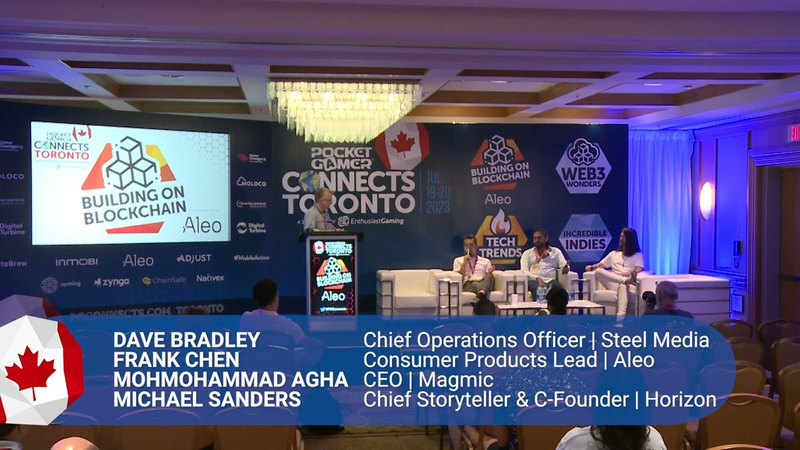
Panel: Levelling up: How can Blockchain Help Upgrade the Gaming Experience?
Key insights
6 takeaways- 01Blockchain technology provides tangible utility by enabling true digital ownership, verifiable scarcity, and secondary market liquidity for in-game assets.
- 02The primary objective for blockchain integration must remain high-quality, engaging gameplay, as players prioritize entertainment value over the underlying technical architecture.
- 03Cross-game interoperability remains a long-term aspiration, with current practical applications largely restricted to cosmetic items within single-publisher ecosystems.
- 04Mass adoption requires the abstraction of complex blockchain processes, such as gas fees and wallet management, to ensure a seamless user experience that does not impede core gameplay.
- 05Industry strategy is shifting toward a 'web 2.5' model that combines traditional, centralized creative leadership with tokenized economies to balance innovation with proven design principles.
- 06Future development is exploring decentralized autonomous organizations and zero-knowledge proofs to improve digital identities and governance, though significant technical challenges regarding asset portability persist.
Ask AI about this video
Transcript
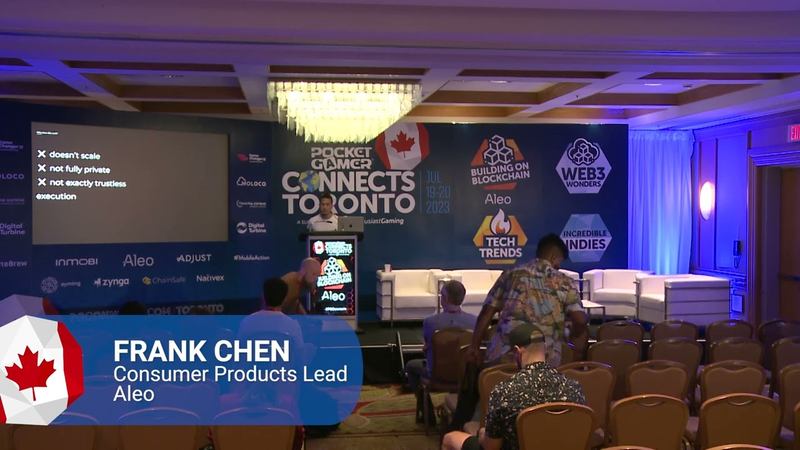
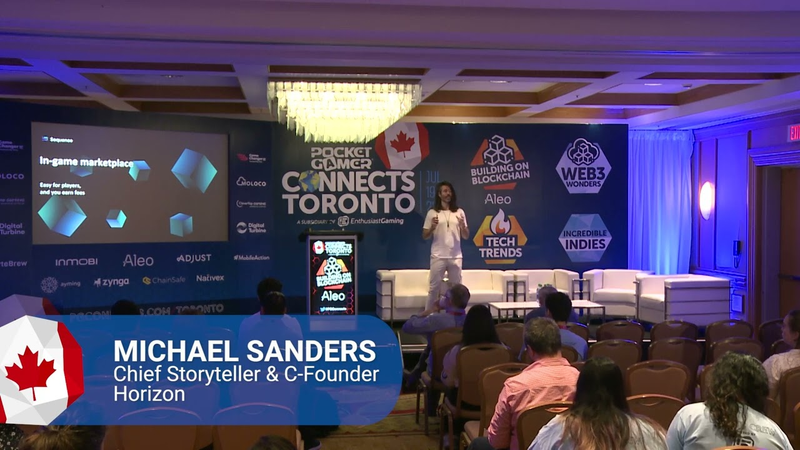
[Music] thank you [Music] so we're now going to have a a conversation and I hope people will be ready to share some of their questions as well but I'm going to quiz a panel and the topic is leveling up how can blockchain help upgrade the gaming experience so those folk who had questions about what actually blockchain brings to it we're going to answer some of that now so I'd like to welcome to the stage please um my uh my panelists we've got Michael Sanders who spoke earlier on he's working to come back we've got Frank Chen from alio and I think we've got Mohammed agar from magnic as well hey brilliant so round of applause for my panel coming up so we're going to cover some of these
topics then we've got 40 minutes here um we're going to um quiz our panel of experts if you've got questions um put your hand up and I'll try and grab them as we go but I'll definitely leave time at the end for them um how can blockchain help upgrade the gaming experience so look um we've had some great questions this morning as our speakers have uh talked about the services that they have and um I I've been a a gamer and a covering the game seen as a journalist for many years and and some traditional Gamers let's call them web 2 Gamers um ask the question like what do I actually need blockchain for like what does it bring to my experience developers I'm sure have similar questions um but I think this year uh often after many years of of blockchain and webpage being around we're seeing some fantastic Games come out um that use the blockchain um so let's let's dive into we're going to discuss the benefits and use cases of web3 tech for games um talk about some of the services available to developers and help us all understand a little bit better what we can do and how it enhances the gaming
experience so let me get started I introduced the um uh the experts at the start but I'll invite them now to say a few words so let's start with Frank if you want to just introduce yourself in your business yeah sure um I'm Frank Chan I'm from Alia we are a platform to help build zero knowledge uh decentralized private applications um whereas ekl1 and I am the head or product lead for Consumer products so not only do I look at what applications are most suited for zero knowledge and that includes gaming that includes identity other other use cases as well great great thank you how you doing hi I'm Mo I'm I'm from magmic uh we're a mobile game developer and publisher doing some web stuff as well uh we're currently building where web3 game we have been working in the space for a few years now um yeah we're working on uh we're in the intersection of gaming web3 and sports the moment fantastic thank you and
Michael Yes hey everyone I'm Michael Sanders I'm co-founder at Horizon um our mission is about making web3 easy fun and accessible for everyone so we've built sequence which is an all-in-one developer platform that makes building web 3 games applications and experiences easy and we also created skyweaver which is a free to play trading card game and was recently named 2022's best blockchain game fantastic thank you well look a range of experiences there coming at it from different angles and uh let's just Dive Right In I'm going to ask a question that's a kind of a version of something that someone said already I'll tell you what since uh Michael you just spoke let's go let's start with you and and I'll go down the line after that right what can you do with blockchain that you couldn't do before we had games before right what can you do now yeah so for anyone that saw my talk I'm going to repeat myself um I think a lot of the benefits revolve around items user generated content and game design possibilities unlocking new possibilities if we dive into items and
we think about why do players buy game items in web 2 games I think it's for either utility status or the pleasure of collecting now if you add web 3 into the mix players will still buy items for those three reasons in addition to at least five more so there can be value resellability and again not just for profit like I don't think that's the goal here but it's just the ability to resell it recoup some of your costs if you get bored with a game or an item there's also this notion of cross game or cross brand interoperability I'm going to use the exact same example I gave earlier if you look at a game like NBA 2K let's say they enable web 3 shoes digital shoes and players can buy Adidas shoes well then the brand Adidas could look at the blockchain and see like oh all these players own a Adidas digital kicks and then Adidas could give those players a gift whether it's a glowing version of those Adidas shoes in game or maybe a voucher for physical merchandise and so lots to explore in that space to
add more value to players experiences then you also have this notion of persistence so if you own a web 3 game item it exists forever other folks can extend its utility and its value by building you know like a new game around it that you could bring those items to or a Lending Service or all kinds of new applications and then you also have this notion of like a collection history and a universal profile so that you could bring the items you own into various Virtual Worlds and games perhaps not necessarily to play with them in those worlds but maybe you could display them and you know a whole bunch of different like nuances could exist so that's kind of around items which web3 really unlocks and then uh user generated content so ugc I think there's tons of opportunity here whereby you could allow your community to create items for your game and let's just say they're cosmetic items because that'll probably be easier to integrate and if you create those if the community creates those items they could then sell in your games in-game
Marketplace and the royalties and the transaction fees from those sales and trades could be split between the creator of the item and the game so it creates this really like symbiotic win-win scenario where the game is having more content produced without you know having to pay for it and the community gets to contribute to the game and monetize their contributions so lots to explore in the ugc space and then third is around game design possibilities so I think there's like actually an infinite realm that we're just scratching the surface of and I gave a few examples earlier like maybe factions could form around the web 3 game items that players own in a game so let's say there's like 10 actions and you get organized into your teams based on the game items you own or you could unlock new downloadable content by owning or winning or buying a particular web 3 game item or there you could create trading mechanics and rewards
based on trading activities so let's say man I want to use a different example but this one I just said it earlier if you're like a spy in a game and you need to go to a fancy dinner and you need a really dope suit and so you wear your nice suit but then let's say you need to go into like a favela in Brazil later on and you don't want to be wearing a super fancy suit so there's a trading mechanic in it and you have to trade the item a few times and then your suit evolves into something that's like tattered and beat up so that you're not standing out and you can blend into the environment and again yeah I think that's just a few examples of what web3 can enable and I would love to hear from Frank and mo because I'm sure they have like different ideas too no it's great this you reminded me of an example I'm going to give as well but Mo yet that chip in yourself what's what's the year what can you do with blockchain that you couldn't do before um not much to be honest but I think really which is really the argument you hear it all the time right people like well what's the point of of blockchain but for us and for me as a gamer who
plays free to play games like League of Legends it's really all about in-game ownership at the end of the day right I actually own my items versus just the license to use them I think that's that's going to be like the big differentiator um between blockchain and non-blockchain games right is that I actually own my items I can see the scarcity of them so if you're releasing limited edition items I know that there's only 10 of them you know you can tell who has them as well so it provides transparency in these in-game matters and gives you the full ownership of it right so um and you know as as uh as he said over here like when you get bored of the game uh maybe you can offload some of your assets so you can regain some of the money you spent you know those thousands of dollars you spent in League of Legends or whatever um so so that's that's really at the root of it um it does you can do some cool stuff with blockchain but I mean there it is it is kind of valid when people are like well um you know we can do everything in blockchain book two yes kind of kind of can but you just can't you can't do the the easy asset transfer like the whereas
independent where it's it's it's public where people can actually see it right and transpired and so you can actually create true scarcity in your items and therefore through that maybe create creative value right um so I think that's that's one of the main things right and there are some cool things you can also do with nfts you know through Providence for example right be able to track the history of this NFC that you had maybe somebody famous owned it before so now this now it's even it's more it's it's got more value so there's things like that you could you can do anything that you can prove and confirm like on the blockchain um yeah so but that's but so it really and it also lends itself well I think blockchain to collection type of games right so games that uh you naturally collect things in so those those are the ones the games that I think they will do really well with with blockchain but I don't think it's it's something that you could slap onto anything it's right certainly it's certainly something where um and obviously it kind of really only works
with with uh free-to-play games or games that have in-game items I think that's right so for me it's all about owning owning the content that you pay for uh digitally in the game that's perfect that's oh that's great it's been said before I think here that the cost to the gamer of changing to a different game or getting bored of the game is exactly 100 unless there's a way to do something with what you've what you've created in that game exactly uh Frank uh yeah do you what's your take on this yeah um I think like I don't have much to add like based off of what Mo and also uh um Michael sorry Michael's app at it already uh I think really ownership of game assets is one uh like basically have interoperability between games um yeah so it's like there's there's definitely like value to the gamer um they kind of like have an exit door multiple exit doors possibly I will say like when it comes to gaming like from a product perspective though like we can talk about blockchain all we want but I also feel like you need to think
about like what is fun to the user as well like from a very human perspective right like games become popular because we our friends go and play that similar game and so like I think the general gamer they're not thinking about whether or not a game is decentralized or centralized it's like am I having fun yeah are my friends here having fun with me if they are then I don't give a yeah right um and but then like I think blockchain does like enable a lot of really interesting like fractal economies that come out of this so like um maybe there's like a huge following with like an in-game item and it's similar like ethereum and you can create erc20 tokens yeah you can do the same thing with a game it's like they can create in-game assets based on things without within in-game things and so it's like this infinitely scalable kind of fractal model um there's also models that like sometimes like I'm I'm thinking like do
we need blockchain for everything like maybe economical part where people own items and they can trade items can be on the blockchain but then like do I need to actually publish every move to the blockchain right not every bullet needs to be it needs to be a typical every bullet into every wall needs to be recorded right I'm not sure if that needs to happen right um because that's like a lot of computational power and it could just mean that like we still use trusted third parties for certain things and we use the blockchain for others and so like these mixed models can come about as well that's interesting um also like the last point that I'll make which is a little bit less related to ZK gaming but still um related to zero knowledges I think in the future we can use zero knowledge machine learning essentially like verifiable Computing especially if you're going to start using models to like generate worlds and games like you want to make sure that um the models that you're using like you want certain parts of that model to be verifiable like you're using
um a certain subset of details that are fair to players to generate worlds so that you're not just generating worlds that are unfair to other players so that's like a kind of like a side example that I think is pretty cool as well that's interesting you know I I am going to stay with you for my next question but you did remind me of something you would you were talking there about uh to the game of themselves they don't necessarily care what the technology is and so on I think you know Michael demonstrated that in his talk as well about some of the things that the sequence does I think we were talking at GDC about how Gamers when they go to play an online game let's say you know a traditional web 2 game they don't care about tcpip protocols or any of that stuff you know they just want to press a button and get plain don't they and I guess it's kind of the same with with blockchain and we don't have to talk about the technology every time and try and try and onboard them but you also said a thing there about interoperability um and um I think you've all mentioned that at various points um it's often cited as a dream use case for blockchain games
um but there's a ton of technical challenges in that too I think you mentioned as well by being disabled to display it somewhere else I've not used it but the the idea that you can take an item from one game and that someone will build a you know experience around it in another game that's that's a really difficult thing to do right is it just a pipe dream I don't think it's a pipe dream um I think it's like we can definitely enable that um I just think we have to think of it from a user perspective like even if the interoperability exists like the user shouldn't really be exposed to that like our goal as product people is to abstract that away okay so like if if I'm building a game for someone it's going to be first and foremost fun engaging sure your items can be sold and it's like okay if you want to sell them you can go here here and here I'm not going to mention anything about like oh what kind of infrastructure do you need like gas costs whatever we're going to abstract all of that infrastructure away for you because we don't want the user to think about that yeah we just want them to have fun and
play with your friends yeah it makes sense uh what's your take on that interoperability I mean I think I think that's definitely something that will will happen eventually um probably more like the publisher level you know versus um you know uh between different Publishers I think then the the technology in the industries uh in an infancy it's just a bit too fragmented it's technically really difficult to provide interoperability when people are all different running on different chains um so I think that that we need some sort of consolidation and stuff that happens but certainly at the at the publisher level if they're if they're making similar games um that is doable right they're building on the same technology um and that's I think something um that you know is heralded as something that we could do but right now this just doesn't seem to be uh great use cases great use cases for it I mean I guess you could take your avatar and use it in other games um I don't think it's it's like the Holy
Grail of of blockchain right um there is a lot of people do cite it as as a as a cool use case that you can do that you know like web 2 won't be able to do it as well but um but I don't think we're there yet but we're still quite far away from that yeah fair play Michael what do you think yeah I think it'll it'll happen at some point um though I think cross brand to game interoperability is easier to achieve right now so like Nike and EA Sports right like you'll be able to wear your Nike kicks in EA sport like Madden games and stuff and then you could also wear your Nike kicks in an or maybe they become skates in NHL yeah right or soccer shoes in FIFA um Nike times fortnite um I think we'll see a ton of like fashion and clothing brands do this where their items work in all these different Virtual Worlds and games um and and to most point like I think you know larger game companies Publishers can create interoperable
items amongst an ecosystem of games um I think Cosmetics are easier to work with because it doesn't impact the gameplay mechanics uh but I think eventually we will get to those and again I think it'll be easier for the Publishers or game studios that own many games right um all that said though like I have seen games in early development where they allow you to bring particular digital Collectibles into their game so let's say it's like a crypto Punk or a pudgy penguin or a cool cat or whatever right and like you bring your your collectible into the game and then using AI they'll populate that character into the game world and they'll actually give you a different world or storyline depending on which nft collection you're using um and I've already seen one game doing that and like others could easily allow you to bring your items into those worlds as well so I think that's really fun for people who own particular items and um yeah so I definitely don't think it's a pipe dream interesting yeah that's that's good blockchain and AI
That's not we could do a help handle on that separately right I'm sure no I'm going to come to you first for next question so let's we've talked about some of the the general terms and the the kind of technologies that are that are available let's dive into the specific just for a moment um can you give us some examples of some great blockchain games like what what a what should people play playing people in the audience here who maybe want to see what's what's good what should they be playing it's fine if you mention your own you know their game is really good Sky Weaver yeah let's go Weaver um um uh I like mythical games how they approach blockchain games so blankets and also obviously NFL Rivals um those are like um the ones that um I like the most so those are the three that I would name yeah there's a ton out there but I think I really like I really like the um the way specific mythical how they've approached their have their personal stuff because it's not a um I guess they call it like web 2.5 it's like still a free-to-play game that has nfcs that has nfcs and I think that's kind of like the personally this
I think that's the way to approach it currently um yeah that's what I would say for you so I'm going to ask everyone the same question I'm gonna stay with you for a second while we're talking about great examples let's talk about kind of the the Technologies and the chains and platforms that you that that you recommend that are great for the ecosystem you folks are working with Forte is something oh yeah yeah do you want to just give us a little bit of an insight into that what is that what's good about that well there are there are there are middleware uh platforms so they're not technically a chain um they're any chains you can kind of like bridge to any chain and decide which one you want to work on but they provide you all the tools for like maintaining minting on the Fly um you know just like you guys have like your your tools sequence Etc so they that's that's the kind of like what they have you'll give you a wallet so they they do everything in the middle there that you you don't really need to care about or want to when you can still build the game and then have web three elements without having to go delve down really deep into it right
um but for us working with them we're currently on a private sidechain but that's that's kind of was still undecided okay interesting uh Frank I'll come to you let's let's those two things there can you recommend some great blockchains and gain some great examples of what we've been talking about things that you're playing and then also yeah the what platforms do you recommend and it's fine if you talk about yours because for those who missed your talk uh your your Alia right so yeah uh just as I know I think we did work with Forte as well in like the very early stages in one of our test Nets um I think when it comes when it comes to platforms um I think like as long as like pretty like platform agnostic but um I think Elio as a platform to help build decentralized private applications has its benefits and that it does fix the player privacy problem um that being said like the toolkit like the toolkit we built is still it's a still work in progress and I think there's a lot of foundational
work that needs to be done until we can realize those like really complex imperfect information games on the blockchain and like to your previous question actually like I was thinking of the question like which comes first is it like distribution or is it the the interoperability and also the chain and I I would argue that distribution comes first meaning like right um Michael's example of just like all these Esports Brands it's like that was the first thing that came and then people started drawing the connections to oh we can we can have that on our platform we might be on a different chain than than a similar game but it's this but it's the commonality of the distribution of that concept of like Esports and jerseys and shoes and how it can belong on this chain that brings interoperability whereas like if you try to interoperate before you had that kind of distribution it might not work the same way interesting um that's just kind of how I think about it um but yeah I think like I'm mostly chain
agnostic although I do have like a zero knowledge proof BET right and for those maybe who missed your talk you've got a um a game a kind of proof of concept game which is a version of Lies dice right yeah yeah okay great can you minus what's the URL uh baloney died baloney.io okay I am crazy good at prudent by the way so why should we I'll be going there and check it out uh Michael what's yeah what's what's your take on this we we've obviously you've got um you've got your own game which we've spoken about you're welcome to tell us a little bit more about that and then uh yeah some great examples of blockchain games and yeah what chains and platforms do you recommend in terms of uh games I think some really cool ones uh in the role-playing RPG genre there's a game called Hunters on chain uh another one called d5mon I think they're they're cool and fun um a strategy game called Mojo melee which is part of Planet Mojo it's it's really cool um there's also uh Tower Conquest metaverse Edition which is a cool mobile tower defense game uh it's really fun
um sunflower land is a it's a fun farming simulator if you're into farming simulators and there's a couple games that I'm very excited about that are still kind of in like private access but one's called shrapnel and it's a shooter and like it's crazy um and then this other game called my pet hooligan which I just encourage you to look both of those up I feel like if you kind of Reach Out they'll give you they'll give you access but they're not you know I should say I've played shrapnel actually they have but yeah yeah it was great it's uh it's by a team that's the ex Microsoft the next um xhbo and they're doing some great work in Seattle and they demonstrated it in March and I had a go and it's yeah it's great yeah exactly and I mean that's what we're starting to see right like a lot of folks because of developer platforms like Elio like sequence now um game makers can forget about the technology and just focus on building great content and we're seeing these Studios you know and people you know whether it's AAA companies or folks leaving those companies to start their own startups so all this incredible
content is going to be coming online in the next couple years which is really exciting and from a platform perspective I mean of course I'm going to say sequence you know like so sequences are all in one developer stack that we've built and it really makes building web 3 games applications and experience is easy it takes care of wallet and onboarding for you there's a Marketplace engine so you can have in-game branded custom marketplaces make trading instant easy and secure for your players minting and integrating digital Collectibles into your game it abstracts away gas fees entirely you can have gasless transactions and then there's you know there's a no code dashboard so that it's just super easy for even non-technical teammates to Leverage The the tools and there are sdks for mobile web unity and Unreal Engine um so like we've been obsessed for the last six years and and having built our own game we've had to solve all of the blockchain infrastructure and user experience pain points and we just we really want to deliver the best developer experience to those who are building with it and we're always
improving we're always like taking feedback from our partners in our community and there's a 70 or 70 games currently leveraging it and like hundreds more that are kind of in the process um so yeah we would absolutely love to help whoever's looking to build or integrate web 3 into their web uh their experiences or games that's cool thank you I should say this is a point where I should also Express an interest there's a game called EV dot IO which is worth playing and a Pocket Gamer is part of the same group that owns that so that's kind of our game but so if you go and play ev.io that's a shooter that uses um you can try you can earn you can earn from playing but also you can trade your trade your skins and things so um that's that's fun um we're well we've only got about 15 minutes left I've got loads of questions but I did say that I would take questions from the audience I'll make some time at the end but did anyone want to chip in on anything the things that we discussed so far brilliant can we get them like down here thank you hello my name is Umar and my question is about centralized versus decentralized gaming challenges so uh
when when we talk about decentralization it more about gives Empower to the community so uh there are people they are organization versus technology so when when we talk about blockchain so it gives kind of control to the community so but but there are still some games they they just run away they just are stop their operations and the reward their Community need to be expected they didn't get that so my question is uh is blockchain ready to give control to the community to their users uh to to the people or they are they are still uh hesitate in terms of giving control to the community thank you who wants to start with that um I think I mean blockchain is ready to enable that I just don't know if as a game maker you would want your community to have a final say over decisions in the game I think there have been examples out there where it's kind of gone sideways
um from my experience designing game by Community like never really works you know you need like a creative director so I I really just think that for gaming specifically um uh decentralizing uh ownership or creative control is not a good thing and I don't think that that necessarily work but and that's just for gaming right I think there are maybe other applications where that is useful but I just think it will be detrimental to your actual game uh if you set it up that way from my experience and from what we've seen we've seen uh happening online right where the community basically takes over and then has a different Vision than the creators and so then yeah I think that causes quite a lot of problems interesting I don't know Frank did you have anything to add to that yeah I think this actually sounds a lot similar to Dao's so decentralized autonomous organizations I've been a part of a couple of them and I think the general feeling in the sense that I get when I'm part of a Dao is that oh it's great like it's Community owned everyone like
participates in governance decisions and also nothing gets done and so like there needs to be especially if you're building like a very focused product there needs to be some sort of leadership and so it's like maybe a dow is not the best type of organization for that but [Music] um it doesn't mean you don't want to have any aspects of blockchain I think like before we were talking about like 50 50 models where it's just like maybe the economy within a game can be uh tokenized and that will help with internal operability there's like better asset ownership but then like maybe the game design itself doesn't necessarily have to be decentralized um so there are like it's sort of like trying to figure out what are the benefits and what are the proper uses for those benefits and not just like kind of painting at all just like let's all decentralize and go to the blockchain in one Fell Swoop that's good thanks I don't know Michael did you want to take that question yeah I agree with both both these guys in that like I imagine there is a kind of
experience or game that you could totally decentralize in like that becomes part of the fun that it's just chaotic and not oriented around a creative director and you're not going to produce some AAA quality or like super engaging thing it's just more about like the experimentation process and that could be fun um but if you're talking about like yeah like a high fidelity video game I don't think that just like most edit is designed by committee and then it's just like how do you make a decision you know and like in in Dow voting structures to Frank's Point like yeah they tend to be pretty disorganized and um they haven't produced a lot yet but I certainly will say it's very nascent right like decentralized autonomous organizations It's a Brand New Concept um I do think it's somewhat akin to like the LLC like corporations in that it but just kind of in a new paradigm so I think we will come up with amazing use cases for daos uh and maybe modified structures to the way they currently exist and you know different tiers of
voting power um that could you know enable some form of authority and Leadership um so yeah I I think it's like a blue ocean and there's tons of opportunity but I haven't I actually can't think of a single example right now where I'm like yeah that they they did an amazing job on it the bank list now seems kind of cool but I actually don't know like the ins and outs of it so yeah great thank you thanks for your question um do we have any other questions before we we move on and welcome to take oh one in the front row if you've got it Mike thank you very much um it kind of seems that um it kind of seems like what a blockchain has the technology especially with the public Ledger it seems like what it was made for has kind of been like um manipulated for different uses and it seems right now that I'm hearing you guys talk and um just me listening it seems like it's kind of like blockchain is being used to like create like um worlds that you can kind of oral
world worlds or worlds that you can kind of just um uh move certain uh materials from uh one application to another um in order to have some sort of like seamless experience uh and I was just wondering like what like how what do you guys um what are you guys um how do you see uh blockchain and specifically like what are you what's the what's your vision of uh blockchain I mean when I first when I so I met vitalik computer and ethereum's inventor in 2014 a year before ethereum's launch and what I imagined were Virtual Worlds and like these new internet applications where all participants users and creators share in the value and the creation of these ecosystems and like so I'm convinced that we're actually inside of a blockchain based
virtual reality right now and that yeah we can create a whole bunch more of them you know and that's what these Technologies enable and I think you know with with the convergence of various Technologies right like Ai and being able to generate virtual worlds in the near future and very immersive ones and and web3 and blockchain and being able to transfer ownership in these Virtual Worlds right like I I don't think it's going to be too much longer before we're able to create an experience that feels as tangible as this one and then I think it's going to evoke a lot of philosophical contemplations about the nature of reality itself and um which I think is very fun and like explorative and playful um and I think too that the big reason that attracted to me me to web3 in the first place was the symbiosis was the fact that like it reminded me of nature in a way where all entities are serving one another and sharing amongst one another and like Distributing value in a way that's uh
harmonious to you know as harmonious it can be there's obviously like differing levels but I do think that web3 can enable also the exploration of New Economic models right like we're all talking about games and I think that's really cool but you can you can very quickly test out an economic design that you could not as easily do in the physical world or with a country or a government right and I think we'll come up with like really cool innovation in economy design space that we could then extrapolate um to a you know into a physical world level as well um so yeah I'll pause there no that's great we're getting down to the ideology and the the philosophy of it most you want to dive in there um no I think I think I agree with everything he said here um um you know I think um in the real real world or real verse I think so like web3 and blockchain it's gonna become more and more pervasive um in many aspects of society not just like games uh you know uh we'll be using
it like we can use dials for voting uh we'll be using you know you know Soul tokens for our passports and identity and yeah you know we can start tracking things like oh he actually does have a diploma from this University so I think it's I think it's really gonna um me personally I I see web3 is uh going to be revolutionizing all everything digital going forward um so we will be living in a in a actual web 3 world it won't be just like a digital metaphors for sure it's great yeah Frank did you yeah I think like when I first came across the concept of blockchain it was like it was just like oh distributed Ledger and it's like pretty simple um and then it's just like you upgrade that with ethereum and it's like provable computation and then now we're upgrading it again and saying with zero knowledge it's like provable computation with privacy and then all of a sudden things like it's like once you see it you can't unsee it so like Mo talks about digital identities everything is
starting to be you can like go online right but with provable computation and privacy now you can have your digital identity online you can use it anywhere you can prove to someone that you're of age or you like had a certain grade in University without revealing any of those components yeah like you can have one username for social media and you can prove that you own that account without like revealing where it's tied to in terms of like your real name or somewhere else and so like it's kind of like the original conception of the private internet and then now it's just kind of like on a distributed Ledger and you can prove every step of the computation you can hide or conceal you can conceal or reveal anything that you want and it's just like a solution that I think makes a lot of sense but then I feel like the way we approach it we still have to approach it from like a problems perspective like what problem does that solve otherwise we're just Building
Solutions For No Good Reason um and so like yeah it's just like making sure that we're solving for problems that can be solved for this technology yeah that's interesting um I I just wrote down I'm convinced we're living in a blockchain enabled virtual world right now as well we'll we'll maybe that'll be a topic of a of a panel another time do you know we've literally got like a minute left um does anyone want to have oh there's a question here in the in the middle row and we'll take that and that'll probably be the uh the last one for the panel thank you hey guys uh A lot's been spoken about interoperability and symbiosis of these networks and in the web 2 world you can have a Word document and open it in pages and it kind of looks like what you want it to but you know formatting is always a challenge as we move into more complex 3D assets and you know persistence across what you own and achieve well there it feels like right now there will forever be walled Gardens of things that work better like you were talking about with EA Sports and Nike and like
yeah whether it's FIFA or Madden that's great but as soon as you move into 2K or Minecraft or the next thing there's seems to be like we still need to build uh the next generation of like what is like the Internet Protocol Now sort of like a Level Playing Field of here's generally how things are going to work how do you see that transition happening for 3D assets and you know truly being able to purchase a sweater here and have it appear there if the Fidelity and the graphics or the gaming engine changes and you know the fundamental technology underneath what's being built is changing now then um that sounds like we could spend a whole session on that unfortunately we're basically out of time I'd like everyone to get a chance to answer that but is is there a way to answer that briefly uh who wants to go first smoke can you want to take um yeah we're still we're still kind of far away from that I think I think consolidation is going to be key for something like that to happen it kind of is happening in the game Space you know now pretty much everybody uses unreal or Unity so I think if we keep just going
that way perhaps and we can take you know 3D model from here and that's the same game engine but oh man yeah there's just there's just a lot of issues there yeah I don't think I don't think we're anywhere close to that um and then not to mention the the whole uh chain side of it like you know what channel you're building on can you bridge between here and there and move it so there's there's a lot of issues I think so and um yeah I don't think I don't think we're close to full interoperability yet um there's still too many technical challenges as anyone else want to have a go on that in the final few seconds are they Frank do you have anything to add hey to me it sounds a little bit like in order to be interoperable you're going to have to have Bridges and with Bridges there are going to be breaches of security and this is where I think like zero knowledge proofs can come in because it's like you can like I can prove to you that I own a certain uh a certain asset on a different chain if I submit a proof stating that and any verifier on a
new chain can say oh okay so he does actually own it on a separate chain and you can do like a sort of like a mint and lock sort of deal in between two using a zero knowledge proof that's a good idea there is like there is like a ZK bridge that you can Implement with the proof which means that I can interop interoperate between two two chains privately so like with that technology I think it's possible but I'm also not a development developer so like I'm sure there are like other considerations that we want to look at but I'm very optimistic that something like that can happen like ZK bridges are already happening today so like you can literally take any piece of information off of like a website like TLS data put shuttle that into a ZK proof and say I can I have this proof that says I own this particular Twitter account and then you can tie that to a web 3 account you submit a proof and then um on on whichever chain that you're submitting that proof to it can let the
verifier know that you actually own that account so like if you can do that with web 2 you can probably do it in between two web three entities as well that's a good it is you're not actually like taking the nft and like using it here but you're saying like oh I have it so it's regenerating it there yeah it like exists on ethereum but then like you just take a zero knowledge proof and submit it to a separate chain saying that you could do it and then like because it protects your privacy you don't you wouldn't have to like expose any of your ethereum addresses or addresses on the other chain and then you kind of can have that in your operability so I'm gonna I we haven't heard from Michael that but I'm aware that we're out of time and I need to move on um if anyone if you would like to um quiz these guys more and find out what Michael has to say on this or these guys I suggest look you up on me to match is that a fair you want you want to meet too much platform I think I'm actually not sure what that is oh okay all right there's the meeting platform for this event I'll email you the thing but yes but but um I'll grab these guys out out now out on the show floor but um we have to move on so a
round of applause for our three speakers no frankly Michael [Applause] [Music] all right
Summary
Blockchain technology serves as a transformative tool for the gaming industry by facilitating true digital ownership, verifiable scarcity, and secondary market liquidity for in-game assets. By enabling user-generated content monetization and the development of complex, player-driven economies, this infrastructure shifts the paradigm from traditional closed ecosystems to more open, participant-focused environments. However, the successful integration of these systems relies on a selective approach, as not every game mechanic benefits from decentralization. The primary objective remains the delivery of engaging, high-quality gameplay, as players prioritize entertainment value over the underlying technical architecture.
Current industry efforts are shifting toward a web 2.5 model, which balances traditional, centralized creative leadership with the benefits of tokenized economies. While cross-game interoperability remains a long-term aspiration, current practical applications are largely confined to cosmetic items within single-publisher ecosystems. To ensure mass adoption, developers must prioritize the abstraction of complex blockchain processes, such as gas fees and wallet management, to maintain a seamless and accessible user experience. This pragmatic strategy ensures that technical hurdles do not impede the core enjoyment of the game.
Looking toward the future, decentralized autonomous organizations and zero-knowledge proofs offer potential for more sophisticated digital identities and governance structures. Despite this optimism, significant technical challenges persist regarding asset portability and the maturity of decentralized decision-making. Consequently, the industry must remain problem-focused, ensuring that blockchain implementation provides tangible utility rather than serving as a solution in search of a problem. By maintaining a commitment to high development standards and user-centric design, the gaming sector can effectively leverage these innovations to enhance long-term player engagement and ecosystem sustainability.