1 free read left. Create a free account for unlimited reading + AI research.
Create free account
Panel: How to Spot a Bad Publishing Deal?
Key insights
6 takeaways- 01Agreements must include clearly defined performance KPIs, termination clauses, and rights of first refusal to ensure interests remain aligned throughout the project lifecycle.
- 02Due diligence is essential, requiring developers to conduct thorough background research on potential partners to ensure the relationship supports studio growth rather than hindering independence.
- 03Developers should prioritize retaining intellectual property ownership, as it is the studio's most critical long-term asset.
- 04Developers should avoid standardized templates and instead engage specialized legal counsel to tailor contracts to the unique requirements of their specific project.
- 05Red flags to avoid include onerous exclusivity clauses, vague confirmation periods, and restrictive non-disclosure agreements that limit operational flexibility.
- 06Revenue splits for premium titles typically range between 30% and 50%, with the specific percentage determined by the publisher's investment level and scope of services.
Ask AI about this video
Transcript
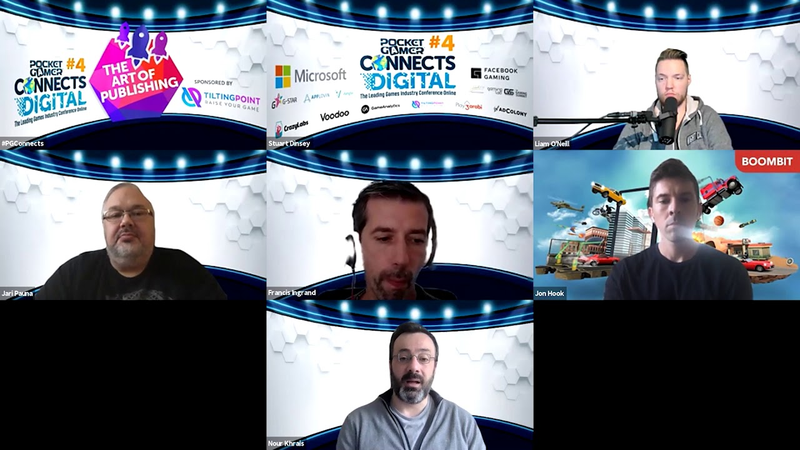
to a panel um uh it's going to be hosted by liam o'neill from your raw fury who is going to be joining us any second now hello liam hello hello stuart hello um raw fury are a um a digital games publisher specializing in indie games largely um grown to prominence over the last two or three years um you're going to talk about how to spot a bad publishing deal which is uh which sounds uh very interesting i'm going to drop out now and let you introduce your panelists so good luck and crack on thank you excellent thanks so much stuart yes indeed we are here to talk about how to spot a bad publishing deal and i
think we have one of the best panels of broad experience and unique perspectives that we could have asked for so before we we dive into introductions just want to give a quick shout out to sally patty and catherine for organizing everything making sure that this panel could happen we wouldn't be here without all of their hard work so thank you very much i'm indeed liam o'neil from raw fury i'm a producer there i also call myself the protector of the realm because we get to make up our titles and it's very silly and i am glad to be hosting this panel uh we have four people here with us today and uh why don't we go ahead and introduce ourselves jerry would you like to start hello everyone i'm daribana i'm the ceo and co-founder of supremacy games based in helsinki finland we're focusing on free to play mobile games but i also have experience negotiating pc console deals i've been in the industry for quite a long time both media industry and games industry
thank you jerry and francis you are next yeah i am francis in grand i am a plug-in digital ceo we are running a publishing level named dear villagers um i am working in the village video games industry for 20 20 years now and dear villagers is focused to publish five to six pc console premium games a year so we are really picky and really focused on uh some titles only awesome thank you francis uh john with a cool background hello john hey hey everyone i'm john i'm vp of publishing uh boom bit um those of you that don't know boom bit we're a global mobile games publisher so we've got um some great casual pvp titles like darts club and tanks a lot uh and then kind of q4 last year we came back to our free-to-play routes and our hyper casual team have released some amazing hits recently some of these you
can see in the background and also more recently we've been playing around with nintendo switch so we've got 12 titles on there as well now fantastic thanks john and finally noor hello i'm noor i'm the founder ceo of myself we've been doing free to play mobile games for a long time since 2003 it was from the operator publishing time up to the app stores we have offices based in unmanned jordan and we do casual games uh their board games and we have another studio in limington spy in the uk where we uh produce hyper casual games lovely well thank you so much everybody for for joining this panel uh we're gonna be talking about how to spot a bad publishing deal today but before we get into that i think there are two other things we need to do first of all i'd like to take some time just to define what a publisher is and why you might want to work with one and then i want to talk a little bit about what to expect from a normal
publishing contract publishing contracts that there's a wide range of things you can expect there but we want to try and find some common denominators just so that we're all on the same page about what a publishing contract is and why it may look the way it looks then we'll we'll cover the the main topic and why we're here and of course if anyone has any questions feel free to drop them in the chat as we go along we'll also do a fixed little q a sesh at the end as well all right so what is a publisher and why might you want to work with on francis would you like to start this one sure i think publisher is must be a partner for me a publishing deal is a partnership deal we are here to to help developers to make the best game as possible to help them on production on marketing on distribution on financing stuff but i really see publishing deal as a
partnership and not a customer supplier relationship right john what do you think do you disagree do you agree no i i i think that's a a great great summary you know our our goal together is quite simply to uh develop build produce a publishable game right and to complement each other because there's going to be some things that the developer is very good at and our role as a publisher is to fill in the gaps of you know the kind of skills that that they need extra help with whether it's bi or analytics a b testing um and then also the sort of more classical publisher role around sort of you know user acquisition monetization aso et cetera but yeah i completely agree it should be um it should be a partnership um for sure it's not a you know it's not that one is more important than the other and one can't exist without the other okay what do you think jerry uh well looks for me like uh all of you all of you guys here are
from the publisher side so i'm gonna uh talk from the developer's side and i i think from a developer's side you just don't have especially when you're starting it just don't have all the resources that you need you probably don't have any any marketing or live operations teams and definitely you don't have the experience that the professor is bringing to the table right yep nor anything to add there uh of course a hundred percent i agree with the partnership definition it's a partnership it all depends on the focus so the answer is focus by end of the day and relates to your mission and you know your vision as as a studio as a mobile game studio you have ambition and you can't fulfill it by self-publishing and then you have you know you grow your ambition and you want to focus on building good games and find another partner who can basically
do the analytics and marketing and user acquisition etc uh so i think um you know it goes to the planning of this studio planning of uh how do you want to take your studio uh as an nd or as a game you know game studio where you want to take your games forward uh but again it's a 100 percent it's a a set of uh partnership it's a a and mentality you know it's uh that's uh that's how i i see the definition of uh finding a publisher excellent and jerry i mean you mentioned an interesting point there as well that you might not as a developer have the bandwidth to do all of these things that a publisher may be useful for um would you like is there any particular example you would want to give as to why you might need a publisher versus things that maybe you wouldn't need a publisher for when it comes to mobile games you you definitely need to scale the
game up if if you're lucky enough that the kps are good enough and you probably don't have the expertise you don't have the personnel and you know don't have the funds for it of course you might have the possibility of building a department uh of your own but it just might take it might take too long or be too expensive okay would anyone like to add anything to this discussion before we move on okay and we know what a publisher is that we can talk more about them perfect so what do you think somebody should expect from a publishing contract i mean first of all when you sign a contract like this an agreement with a publisher that's kind of a big deal it's something that you're essentially working together as a partnership as we talked about for in many cases several years and it can be pretty tempting to just sign whatever comes in as because you have this this opportunity to realize your dream
but before you do that what should you be looking for in an agreement like this what are the things that you would say are must-haves in a publishing contract who would like to start maybe maybe i will i will you know as as a as someone who was self-publishing for the past 18 years and recently we started to talk with publishers and collaborate with them um i think that you know the best is to start with you know contracts are contracts a piece of paper that you sign and you put aside protect you that's correct has legal framework that's perfect but i always myself i advise myself and and uh fellow any developers who i work with uh don't waste your energy a lot on this piece of paper i think uh there should be uh first step when signing or finding contracts the positive positivity finding the positive uh partner finding
the positive publisher and and this uh basically can be highlighted with communication um if the publishers from day one set a very clear communication challenge with you and your studio that means you are getting a good contract right then you talk about the smaller uh details which is the percentages financials protection ips etc and i think today we live in a mat you know 18 years back when we were publishing through operators stealth operators where that was a must uh things were not clear you know the mobile industry was an early stage or even gaming etc it was taking today things are more clear you will not i hardly see a publisher who comes to an ip and tell you this is my ip so there are things are set already then thus they already put a big framework for for publishing and the agreement what you have to search in an agreement is the communication
it's the channels that uh the publisher will open with you uh and uh something always uh you know i i agree and disagree with a lot of people it's a gut feeling you know it's it's you know you can feel it by experience you can feel it from the guys who are communicating as a publisher with you they want your success or that they just being dracolas and they want to take your blood you know yeah never sign a contract and blood people let's be let's be clear about that john what do you think do you agree with norm um yeah i mean i mean for me i think look we all want to enter these agreements into good faith and you know there's lots of discussions but for me the contract is really really important right um and there's going to be lots of clauses that you need to look out for but for me it should be discussion all right i think there are some things in the contract that are non-negotiable depending on you know tax laws etcetera but there's a lot of things that that should be so you've got things that
are game related so questions around ownership of ip as an example or rights of first refusal on sequels i think time frames are really important to lock down you know the obvious one length of the contract but um you know for me it's good to have written down things like the approval protest like how it works um you know cancellation clause you know we we never set out for that to happen but i think um a mutual cancellation clause is also um fair um and also renewal clause uh bonus payments again they need to be really clear um you know if it's if it's mobile games you know again don't assume but you know does it apply to both ios and android is it worldwide um are there any kpis so for me the the contract process um don't assume there is a standard contract and um yeah always i mean i mean now it's a great thing there's there's so many um sort of legal services available but always make sure you have a lawyer read through the
the contract because there are you know so many clauses in in there and i find myself advising studios even though you know it's legally have to be careful but trying to advise them to make sure they have read the contract and that they really understand everything because a lot of it is you know i work in mobile games and i have you know our internal and external legal teams and i still don't understand some of the things that being discussed so um making sure that you really understand everything you are signing up to in the contract so then you can confidently start your publishing relationship knowing that there's going to be no nasty surprises you know you should never hear oh but i didn't sign up to that and the response is well you did it's in the contract so you want to avoid that scenario absolutely francis what do you think yeah i think before to talk about a contract uh developer has to to check and to get information about publisher first because uh word of mouth is very important and uh
you you it's very important to trust uh publisher uh before to to move on the contract so it is i think it's good to get information uh from other developers before to move on just to to know what you can expect because contracts for me a contract is really useful when things are wrong you know if not you don't need a contract contract is is here to help when stuff are not very very good so um so first thing and uh i follow john to say you need help to to to negotiate a contract not to negotiate classic when you share ip stuff etc more to check legal lines legal stuff you know we are working on premium games all stuff about music for instance are very tricky music right in europe or in us are very different so just to be sure to have the right to use
music in your game to have uh you you will have the right to send music on steam etc you have to check everything and you really need help to to for this kind of stuff um and what is important at the end is as i said trust and you you need to know what you want from the contract and you have to be focused on one two three major points very important for you like maybe keep the ipe or i don't know what and you have to defend this this point and be ready to be more flexible on other parts you can get everything you want on in a contract it's a win-win situation i think okay yeah you got to make some compromises sure yeah yeah really good advice so far you know trusting each other going with your guts a little bit doing your due diligence but also understanding what you're agreeing to i think you'll raise a lot of very valid points uh jerry anything yeah i am a contract sorry is it worth
worse than a wedding because it's at least five years so you have to be sure that's true that's true very good point i mean you're going to work together every single day you got to like each other that's a big one jerry anything you'd like to add to this yes i i would definitely say that even if the publisher uh the other guys there seems to be really good guys and you have you know have a fearful feeling about them uh the first thing you need to do is to call your lawyer and let him or her really agreement because uh it's it's guaranteed that you don't understand everything that's there and maybe you're super you're super eager to sign it because it's your first game or or it's your baby but you need to think about what happens after that you need to think about all of the moves that are coming after that because uh there are there are sometimes uh some
nasty surprises when it comes to the uh sequels or your next game or your ip ownership so uh definitely it's it's not uh cheap but it's worth it absolutely i completely agree it's one of the things we do as a publisher as well is whenever we have a contract negotiation we actually offer a basically a no strings attached legal compensation so we pay for the developers to go speak with a completely unbiased lawyer and get the contract reviewed and it's really quite crucial to us for the same reason now i think we're ready to start tackling the the big topic at hand and by the way i've seen the couple questions in chat we're going to get to those as well francis you already answered two of them that's awesome but we'll get some more perspectives on them as well keep the questions coming we still have some time how do we spot a bad publishing deal there's a lot that goes into this it's a big topic we could say a lot of things about what a good versus a bad publishing contract would look like but i want to start with one
sometimes controversial topic we've mentioned it a little bit and it's it's ip what do you think guys is the ip ever on the table for negotiation or is that something that every developer should simply hold near and dear and never be willing to give away what do you think um just if i'm talking about dear villagers we are on on the way to to sign co-production deals so if we are on the co-production contract i think it's normal to not taking the ip if i have to finance 100 of the game and on a project then maybe i can ask for the ip but if not for me it's totally normal to to to to to to to let the iep to the to the developer right now what do you think is ip negotiable uh ip is our life as as game studio so
uh it and you know it's the thing that you basically uh should always otherwise you have no value uh as as a game studio and i think again a a a mature publisher can uh basically as uh francis said this can you know can define your ownership for that an ip uh and you know but everything is you know with the price is negotiable so so so again it's uh there is there is something on the table ip is it has a value uh and then if the publisher or a new owner of this ip who wants to you know to acquire this ip put the right price the developer might you know give up the ip uh it's um yeah but it's it's very important and that's actually the most important part whenever we look into an agreement uh especially for
you know non-hyper casual games for hyper casual games probably it's much easier because things are fast uh so i think for for casual games and and biggest feel of games that lives more than three to five years uh the ip is is crucial and and very important to you know to be careful with it john what do you think yeah i mean for me the the normal stance is the you know we we just assumed that the developer is just granting us a license um so that um you know we can use that uh their game ip specifically for the purposes of the game we want to make um i i i i think there are some circumstances where it is negotiable but i think usually in mobile games it isn't something you negotiate on because again if you think it's um again you think about a three five year play you're thinking about sequels and again if you're in that kind
of top one percent then you definitely want the ip because it's going to open up some broader partnerships for their ip as well with you know on other platforms etc um so yeah for me you know even even in uh even hyper casual right um so you know boom bit we're also a developer so for me it's a big red flag even hyper casual to be giving away your um your ip and a lot of you know it's probably the number one question most developers ask us or my hyper casualty which is um you know even when it comes to just testing your game in the nda to make sure that um we have no rights over the ip at all so um yeah it's a it's a great question and um ones that that developers should always make sure is um in the nda at no point in the testing process does the publisher have any rights to your ip definitely so it's fair to to say that these are two different negotiations the ip is one thing it has a lot of value as nor points out and your contracting agreement is is a
separate thing from that would everyone agree with that or anything else to say on that topic yeah i think that whoever initiated uh the ip if if if the developer developed the whole thing then then it has to be developer's own ip but if if there's uh contract work from the publisher side then they on the ip or or if it's a licensed title then someone else owns the ip okay process did you want to add something there or no just want to add ip the key point for sure if you really want to keep your ip for sure you won't be able to sign with some publisher because some publishers want the ib okay and if you are more flexible on this then you will have more opportunities maybe and maybe again we will have more money but i do agree with you it's very important to know what you want
i i think also a a good publisher will help the developer to protect their ip we talked with a lot of publishers and and we had couple of them who basically fight for you on your behalf for your ip and and we'll state this in the agreement that we will help you to protect your ip when we publish your game so that's also a a point that a a game developer should look always on the the side of a publisher who will protect his ip afterwards that's a very good point absolutely we actually jump into some questions from chat here because i think they are going to intertwine quite nicely with our pre-planned questions um this is from anonymous attendee thanks for tuning in what do you do when only one side of the agreement is unhappy with the results pretty much what to do when you are stuck in a bad deal and i mean this is pretty common normally one side is going to be unhappy and the other is going to
be happy if both are unhappy then something is very wrong but what do you do in a situation like that where were you stuck in a bad deal you go try to yeah it's it's like a football player who plays with the team and suddenly they they don't want to continue with the same team so there will be a negotiation with another publisher and you know you have to negotiate see how you can transfer yourself to uh to another publisher or get back yourself to you know to do self-publishing whatever uh yes negotiation i agree yeah or if you want to to to divorce you have to negotiate the same and this is also like what we were talking about before make sure you know what you're signing to begin with so you don't end up in a situation where six months nine months down the line you're like oops didn't think about this thing so so really be careful about what you sign that's a very good point you can protect yourself with the
maximum get the best lawyer uh sign the best uh you know protection for your ips financials etc but you know there will be always a a small hole somewhere in the agreement that you might clash with your partner uh you know and like in normal life with anything you do whatever there's no 100 protection you do your best but you know you try the best for for your agreement um again it's it goes if the first point i said in in if you you don't trust and and start with a positive uh intention uh you know you will end by just suspecting if your partner is doing the right thing or not and you will never develop a second or third or fifth game with you you you publisher so i think you should basically start um uh forget about you know if you think uh
your partner will publish as greedy or he's not doing his job et cetera he will end by you know you losing time uh getting into court etc etc so i again negotiation trust and uh just uh go forward that's that's good price for life so there's another question here from uh anonymous attendee i don't know if it's the same one they might be unrelated but the question here it's a pretty big one and i think it ties together something i really wanted to talk about today which is why don't developers make a standard template contract that is fair and all the publishers will adopt that and can negotiate changes regarding rev share ip contract length etc this is a tricky one because it would obviously mean that everyone has to agree what a fair agreement looks like and there's obviously the question that comes up then is well are all publishers the same do they all offer the same things you know is a certain publisher better at a certain thing than another one
uh it opens up a lot of questions so i think what i want to get to here is what is it that we should look out for in terms of differences between agreements with publishers what do you think saudi um well i think uh the ip is one thing and it's the next game that's that's uh another thing that's super important and things like uh are abnormal what if you sign a deal with the publisher but the publisher doesn't actually release it what happens then and you probably are not aware of all of these things but your lawyer has spent five years in universities studying these things so that's why he or she would be able to spot abnormal instances like that okay why not
why not just why not the template because uh uh lawyers are like dentists and like hair dressers uh if you cut your hair somewhere else you go to your hairdresser he will tell you uh the one who cut your hair before was not doing the right job lawyers will never accept a a template uh contract to go through it uh so this is this is you know and there is always a you know you have to tailor things uh it differs from from studio to another you can have you can find there is a lot of templates already exist for publishing that you can find but i think that will be impossible to have a template that can be shared across yeah i think i think there's i mean inherent in that question whoever asked it it sounds like there's been a bad experience somewhere along the way um you know for us we actually have by genre we do have a standard contract template that once we've signed an nda will happily share um you know we're a publicly listed company so
we're just not able to hide things that maybe some other companies can that are non-public so we actually have a standard template and i think a lot of people are surprised working with us at how flexible we are on pretty much everything but as i mentioned earlier just some specific like taxation clauses that you you can't change um but yeah i i think you just mentioned it liam again you're assuming in that question that the value of every publisher is equal and i think francis mentioned at the start as well i really agree with well each publisher may have a slightly different skill set or focus on game genre or tools and then you know how how do you value the tools that they bring versus what you know another publisher is bringing so that you know those things that's when it really does become a negotiation in terms of um you know who's bringing what to the to the party um so yeah i think um as much as i i love the concept of it like in reality the practicality of having a standard publishing template is um uh is a challenge but that doesn't
mean that um you know like full transparency shouldn't be uh like mandated right you should um if if there's things like that haven't been discussed at the commercial stage that your lawyer is bringing up then that you know that's a bit of a red flag right fair enough it's if it's some legal jargon fine but um um yeah i mean i i don't think we'll ever see a point where there's just this you know like there are in like investment documents there's like standard like pre-seed seis or you know in each country this is just standard investment documents i don't think we'll see that in publishing all right so we're slowly running out of time we gotta we got our start a little bit late so i'm not sure how much time we have left to be honest but i think we're good for about five more minutes at least correct me if i'm wrong somebody in an organizational chat but i want to ask the general question that the kind of big one that i'm assuming you all probably have some pretty interesting answers to and it's if you were to sign a publishing deal from the perspective of a developer what is the thing you would look out for
what is the thing you're basically recommending that if you see this run away or renegotiate right like what is the one thing that would worry you more than anything we have about 10 more minutes by the way i've just been told so we got some more time but what is the one thing for you from the perspective of developer that you would see as a red flag in a contract as a developer exclusivity and and ip think about the uh power structure between you as a developer and the publisher uh are you more like a supplier of raw materials to them or are you a partner if if you are sort of giving them something and they just try to throw it at the wall then you should walk away
i i said there's a there's a couple for me um one is this some contracts have this confirmation period that can be very vague in terms of like pre-publishing so make sure if there is any wording around a confirmation period it's very clear what that is metrics that need to be hit payment structures within that so that's that's definitely one um and then i think any clause that automatically gives the publisher um the right of first refusal on not just sequels but some of these clauses are so onerous that they actually extend to any other studios that you have a majority stake in um so i would definitely watch out for um those two process anything from you well i think this is a ques this is quite complete so maybe as a publisher a red flag could be monet of course if we discuss about a
certain amount of money and in the contract they want to add more it's not a good sign to renegotiate during contract phase but for the rest uh i do agree with you guys so i'm gonna ask you guys one more question then we'll do a few more from chat if we have time um i know one of the big topics that people ask a lot is about percentages do you guys have any any advice there you know is there a percentage you should be looking for as a developer is there ever a case where you would be willing to push above that or beyond that um let's talk percentages i know it's a big question it's a big topic but what we it depends it depends on the risk we take for sure so a developer has to understand that so more risk we take more share we will ask from from our side in general we are between 30 to 50 percent
because i consider more than 50 would not be fair to to the developer but we are on pc console premium business i am not on free-to-play business i am not on track uh cash world et cetera so it depends on sort of business but as an indie publisher like us we don't take the ip i i think 30 to 50 is fair 30 to 50. yeah yeah anyone disagree with that no i think that the key word france has just said is risk right um so uh certainly in other game genres um you know like idle casual merge certainly hyper casual it's not just about uh rev share or net profit there's other deal or elements of the deal that we'll factor in so things like the minimum guarantee or paying upfront development costs like there will be a number there that we take into account we've already mentioned resource you
know so a lot of um you know casual game studios or pvp games they're coming to us because they need support when it comes to like bi and someone mentioned live ops earlier so again we need to we need to factor that in so um you know while again i i completely agree with france's sentiment i think it it it should be um very fair and it you know things like 80 20 are really onerous but you need to factor in the other elements that are important to the developer as well and then we'll have a discussion on those elements and look at the percentage in that context okay we'll do another question from chat here from anonymous attendee a lot of people have the same name here it's very interesting from you [Laughter] consigning uh only an nda with publishers put your ip at risk it's a very specific question john you've answered this in chat already you say it depends what is written in the nda would you
like to elaborate on that so i i hear this a lot specifically from our hyper casual team so so yes it you need to read the nda okay um just like as you would read a contract because those ndas can be just as onerous as the contract right they can restrict your rights on being able to retest that and they can claim right over your ip so you really need to and you should not be signing nda that says anything other than um you just have the right to test this game for the purposes of x y and z you have no rights over ip there's no restrictions over there not being able to test this game with another publisher so yeah 100 you need to re read the nda don't just blindly sign it because you get excited absolutely another one from anonymous attendee can the indie game dev association rate publishers based on contract fairness it's a really interesting question what do you think could the could the igda rate publish your fairness
for contracts i would no because what is fair for me it's not fair for you uh there is a uh even when it comes to percentage uh this is for us as a studio when when we negotiate and you know we we want to for percentage this is this is obvious but what if i give you 50 percent or 60 80 percent and i i do a lousy job and i don't publish your your product in the right manner you're 80 means nothing so i prefer to take a 30 percent of 40 from a good publisher who basically will take care of my growth rather than just negotiating and losing my time on a bigger stake that will make nothing for me uh so uh rating you know i i believe in the community as as i think uh early we said i believe in the community we communicate a lot as as game studios uh uh we you can hear feedback from other studios about a
certain publisher you have to do do you due diligence look into you know uh you you can find a lot of answers about publishers uh today through game developers themselves through the community uh i doubt that we need an organization whatever this organization to rate myself i you know from my network i i call my friends i ask them about a certain publisher just to verify that we are doing the right job etc before even negotiating the agreement uh so i i'm against an organization to rate any publisher um it does not feel good yeah i think that's that's spot on and and really the the name of this panel almost should have been not not just how to spot a bad publishing deal but a bad publisher because you can have the perfect deal but it's not the right publisher for you so that's a very good point nor uh we're going to take one more question from chat and then i think we need to round up it is from robert madsen hello robert thanks for tuning in how restrictive is typical does a
publisher typically want rights to all platforms markets and derivatives francis what do you think does a publisher typically do that yeah i consider if we make all marketing stuff for a game it's normal to manage worldwide rights and to to to get to manage all platforms because all efforts we will make on marketing will be for all platforms if we take only pc platform i don't have any interest to make marketing for all for console you know so i think a good publisher needs to to to manage everything in terms of markets and platforms especially we have a an office in china shanghai so china is very specific but we are keen to manage it through our local office so for for me it's clear it's a key point for me to have worldwide right
and all platforms right um for there we have a derivative it's like ip it's more open as far as don't have the ip i am fine to to to not take uh derivative stuff okay anyone else want to answer that question or do we all agree i would i would just respond to that again being a developer as well is just to make sure that whatever the publisher is agreeing to so if it's worldwide that you get paid on worldwide i see too many of these bonus schemes that then say oh yeah but you won't you're only going to get paid on you know ios android in like us japan and china for argument's sake and it's like well that doesn't make any sense you're publishing my game worldwide why you're now restricting a whole bunch of markets so i just make sure from the developers perspective that any of these um restrictions are clear and uh reciprocal absolutely so stewart has just showed up which means he probably wants to say something but but
i would like to ask could we do maybe a final few words from each of the gentlemen before we round up yeah yeah okay so sorry stuart so let's do that we've got two more minutes uh anything you want to say to folks watching tuning in uh jerry anything you want to say to the people watching yeah read the agreement hire a lawyer and call people who have been dealing with the department before good advice francis myself i will i will i will say don't sign don't look for a publisher if you want just a user acquisition savior someone sign a publisher if you want to to grow and not if you want to use the acquisition go and take your loan from the bank okay i would say one word is the trust uh choose a publisher you trust in it's very important john yeah for me the one thing i haven't
mentioned we've spoken about lawyers a lot the other thing you need is a good accountant because there's a lot of complicated tax issues that could come up in some of these more complex deals so make sure you also have a very good accountant lovely so in summary make sure that you're working with somebody you trust do your due diligence don't sign anything you don't understand and make sure that somebody can come in and help you understand that and um that's a lot to take in when signing an agreement with a partner it's like a marriage i believe it was francis who said so think about it and be careful thanks so much jerry francis john and noah for for joining this panel fantastic to talk with you all lots of great insights and and thank you stuart over to you now i believe thank you everybody nobody watching this has got any excuses now if they sign a bad deal and um i think one of the best pieces of advice was was the one on the nba very easily forgotten and just signed because people think they're all the same so there's a lot of excellent advice in there thank you very much liam yari francis john and noah
you
Summary
Publishing agreements function as strategic partnerships rather than simple vendor-client arrangements, requiring developers to balance the need for external marketing, analytics, and user acquisition support against the preservation of their studio’s long-term value. The primary thesis centers on the necessity of rigorous due diligence and the engagement of specialized legal counsel to navigate complex contractual landscapes. Because every project carries unique requirements, developers must avoid standardized templates and instead focus on clearly defining their priorities to ensure a sustainable, mutually beneficial relationship.
Key contractual elements demand intense scrutiny, particularly regarding intellectual property ownership, which remains a critical asset that developers should strive to retain. Other vital components include rights of first refusal, termination clauses, and specific performance key performance indicators that align the interests of both parties throughout the project lifecycle. Developers are advised to remain vigilant against red flags such as onerous exclusivity clauses, vague confirmation periods, and restrictive non-disclosure agreements that could inadvertently compromise their ownership rights or operational flexibility.
Financial structures typically involve revenue splits ranging from 30% to 50% for premium titles, with the exact percentage contingent upon the publisher’s level of investment and the scope of services provided. Success in these negotiations relies on a combination of professional legal and accounting oversight and a focus on building trust. By prioritizing clear communication and conducting thorough background research on potential partners, developers can mitigate the risks associated with restrictive agreements and ensure that the partnership serves as a catalyst for growth rather than a hindrance to the studio’s future independence.
















Comments