Transcript
[Music] welcome to the novit gaming podcast where it is our mission to explore the business and future of video games we bring together the industry's brightest Builders investors and thinkers to keep a pulse on current events dissect emerging Trends and games share Lessons Learned and have a great time this podcast is also part of novic growing ecosystem which ranges from free and premium research to Consulting and advice services for more information visit [Music] www.nic.edu platform that enables game studios and Publishers to create personalized player experiences it's the only solution that provides a real-time understanding of player actions and integrates life cycle marketing live Ops and remote configuration into a holistic experience
in other words you can maximize engagement retention and monetization through realtime segmentation and targeted offers and you can run live Ops campaigns with AB testing push notifications inapp messaging and much more to discover how clevertap gaming can best serve your games team simply visit clevertap tocom gaming or check out the details in the show notes this episode is brought to you by our partners at dive dive is a fully outsourced bi as a service solution providing an Enterprise grade data platform and services for gaming Studios on all platforms dive bi tools and service of data experts replace the need for a full in-house bi team saving Studios hundreds of thousands of dollars yearly if you're interested in learning how dive can Unleash the Power of data in your games business and save money doing so simply head to dive. games or check out the details in the show notes
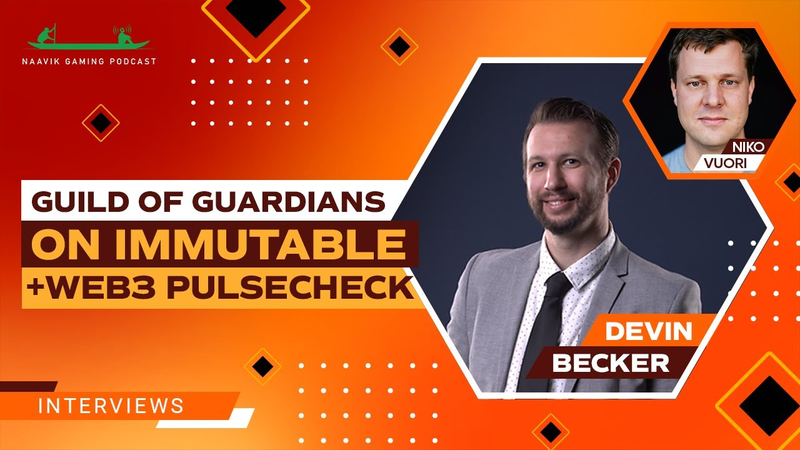
and with that let's jump into the episode hello and welcome to the novic gaming podcast I'm your host Nick oori we have a great episode for you today and a particularly informative one as well our topic is the state of web 3 trading card games or tcgs tcgs have always been the most or at least one of the most natural fits for web 3 their real world analog cousins are inherently collectible generally have a notion of Rarity and have a thriving secondary Market the infamous Black Lotus card from Magic the Gathering just earlier in 2023 broke its own sales record at $540,000 so there is a long history of high value cards changing hands for real money so it is no surprise that some of the earliest and most hyped entrance into web 3 gaming were tcgs many founded by industry veterans but how are these games doing have they grown into the early hype and often large valuations they raised Venture funding at or have they disappointed and not quite lived up to their potential at least not yet so to dive into into the web 3 TCG space we
have novik's very own web3 analyst Devon Becker who recently published in December 2023 an in-depth look into the genre which is a mustre for anyone interested in this space we will put a link in the show notes as always Devon welcome back to the pod great to have you here yeah man thanks for the in excellent intro I think I think you took a little bit of my my talking points for the beginning there but back well said uh very interesting space and I'm excited to be in here talking about it uh it actually give a good reason for that uh why one of the uh one of the later topics I think on this there you go awesome well I'm sorry if I took any of your thunder here but uh you you are the expert I am merely the host so our gu listeners will learn much more from you than than they will from me so um why do we start from the very top here 30,000 foot view um for our listeners here uh what are web 3 tcgs um why are they at least theoretically a great fit for web 3 above and beyond what I mentioned in the intro yeah I mean a big part of it is the stuff that you mentioned in the intro which comes down to the fact that uh they were inherently
collectible in the sense that they're like a modular game where you can collect multiple pieces and have a reason to collect multiple pieces which you know a lot of games lack so this is already like a motivation for collecting multiple things and a and some of a reason for nfts to exist and then that secondary Market has existed since the very beginning there was never not a secondary market for at least the physical card games the big problem was that digital card games just didn't have a great way to handle that and you know in theory they could have solved a lot of that and kind of kept it a little bit uh you know within uh their own sort of ecosystem but it just was was too complicated to handle not that we've solved everything but web 3 does make it I think a little bit easier to treat secondary markets as secondary markets and not some weird sort of internal Market in the game and so I think that's just been a like a big obvious use case uh for this it's just it makes sense to have this uh for like going back to again Magic the Gathering the original one uh was never not uh a market that made sense as a collectible that's tradable
yeah and I think that collectibility tradability I think those are the probably the two key things that I I you know pick at and Rarity as kind of a third one um so why don't we highlight a few again at the 30,000 foot level without going into the details we're going to do that in a bit on some of these games um why don't you highlight a few that you think deserve a look um and just a very quick note on why you think so yeah I mean a lot of the ones that were covered in the articles I I think are the ones really worth checking out in the sense that they've been around for a while had a chance to polish things up and try to continue to iterate in the actual open market which is of course useful for getting you know things into the space where players are enjoying them or at least trying to get there and God and chain is one of the big ones uh that's just been around for for quite some time and has had a chance to really improve the game over the last year Sky Weaver as well came out really really polished and I always kind of find it funny that uh people that haven't played it because it just looked so good from the beginning not just visually but like the Polish the animations the style like but just always kind of lacked a little bit of traction there and then splinterlands almost at this point I guess for uh you
know just seeing some of the older sort of iterations and unique ideas around how you would Implement in the blockchain and parallel is kind of one of the newer ones that's in the sense of getting towards being more of a public release uh whereas it's been a bit more closed prior to that but I think it's worth looking and just a lot of even the minor ones because they're interesting just some of the ones that like uh you know I mentioned offand in there like Dark Country which is you know never really got a ton of traction but was interesting at the beginning and uh other ones like deviant factions that really kind of tried to make a go at it you know a lot of people really like put put in good effort in the space just not everyone can succeed yeah well that isn't that games for you more broadly right um so let's do a quick sanity we're going to go into those titles in in more detail or some of those titles maybe even all of those titles but let's do a quick sanity check against uh something that most listeners you know will be more aware of I think and that is popular web 2 tcgs on mobile um how big are those web 2 tcgs some some of the names there and how does web 3 compare so far uh on some of the metrics
popularity revenues things like that yeah I mean Hearthstone was kind of the big one that made things uh really big in the TC like a lot of cop cats things like that uh but it's you know it's it's diminished a little bit over time but even even that said that's still looking at uh according to D data AI estimates you know around three to four million a month uh in revenue and then you've got other ones like Marvel snap doing more than double that at uh more like seven to eight million a month uh just and that's that's from former Hearthstone people which is the funny part it's like they they kind of iterated on what they thought worked and clearly that's the case so Market sizewise that's definitely I'd say a lot bigger than web 3 has been however we don't have an accurate way to gauge like number of players not that we necessarily do uh for mobile either with more it's still more estimates but I think it's a little bit more potentially accurate because people aren't playing with multiple wallets or multiple accounts as frequently on mobile not that they can't of course you know people have emulators on computer and stuff like that so I
would say though just because you know the maturity of the market and those few games that are doing really really well has made it much much bigger than uh web 3 but the potential is clearly there because of the tradability again is not something that exists in those games so if we take some of those numbers about a 100 million a year in gross revenue give or take would be kind of just just those few like and like if you include all the super TIY ones I'm sure it goes up significantly after that even as they all add up because of course long tale long taale but but for a single title we're probably looking at Marvel snap something like a 100 million maybe a little more a year in gross revenue at least according to data. estimates yeah and it's doing quite well for a game that that doesn't even really sell cards to the players like all the rest do so it's kind of an interesting uh Twist on things yeah so uh but you know big numbers 100 million it's not it's not supercell you know it's not Clash of Clans right um but it is still a very sizable and very healthy health healthy business there okay so uh let's talk
about the player base now so are the web 3 tcd players already existing web 2 TCG players or analog players or is web 3 tapping into a brand new audience being exposed to tcgs for the first time perhaps yeah I mean it's it's hard to get accurate demographic information but just kind of anecdotal based off of you know my observations in the market it's it's definitely an interesting mix you've got a bit of the kind of typical TCG players that are interested in uh so the digital tcgs whereas I don't think you're going to find as many people that are really into the physical ones diving into the web 3 space unless they just want to try out the sort of collectibility aspect things like that but the uh actual like web 3 native players tended to play you know whatever they could get their hands on so these ones that are older especially have a lot of those players that just kind of stuck around after finding you know some interesting stuff about the game or uh just really liking playing it uh but these aren't necessarily games where you're making tons of money on trading things like that so it's it's nice that
it's more so the actual players outside of like some of these games that do have a bit of the bot side of things uh unfortunately just due to some of the play to the earn nature I think kind of attracts a little bit of that so it's it's a nice mix uh obviously it would be much better if there was a lot more sort of the of the Native players mixed in and then also that this was growing the market interest in tcgs in general but I would say like it's actually not bad considering we're potentially bringing in as you sort of hint at a new audience uh due to the the tradability or the uh play to earn aspects and how has that evolved over time I'm sure some of those during the crypto bow you know were new to tcgs but they perhaps were more attracted to the financial motivations uh as were you know many in many games um how has that evolved over time what does it look like now uh you know did it Peak and then decline has it plateaued is it stable is it growing what's what's the state there yeah I'd say like some of these are growing and some of these are shrinking sometimes by drastic amounts it really depends on a lot of
times whether the game's kind of Aging well or not in terms of like whether they've been able to improve acquire more users scale things up and keep things going unfortunately tcgs are one of those ones too where if you don't have constant new content flowing they just die they're they're one of the uh the genres of games that kind of always needed live Ops of some kind right or whether you get that DLC or whatever they can't just sit idle and survive um so in general I think the market is always kind of growing especially after the the bull market TC in general the physical space and also crypto at around the same time during covid I think injected a lot of interest and money into the space and you did have like I think we shook off a lot of the people that were kind of just trying to play to earn or some of the bots so it's actually you know in areas where it kind of shrunk a little bit but then kind of grew again with more genuine players so I think it it's even the shrinkage was helping kind of grow into a healthier Direction I think so right now you'd say this is a reasonably healthy State of Affairs right now um we've kind of flushed out some of those spec calculators and it's more the people who
are there for the Love of the Game or believe in the projects that they're they're backing uh going forward okay and we're going to talk about the future actually later on in this in this episode we're gonna talk about 2024 and Beyond to see where we're going okay so uh We've mentioned a few names already and again we will be going deeper into to each of those um but what is the current state again at the high level here uh state of development of these games how many are live and actually operating you know and have been around for a while have a bit of a track record versus how many are still in development or maybe they're in private beta or something like that or they just don't have enough content yet how would you categorize the State of Affairs um from a development perspective I would say there there's definitely less than 10 like live games with at least enough Live players to be able to play um some of them are around like with just you know a trickle of players I think at best um but you know it's more about like five or six that are like really active ones uh and of course you know in the space we don't have a way to even fully index all these to know about some that might just be super obscure ones I know there are some say for example in
in Asia that that might not be completely aware of just because they the language barrier they end up kind of obscure I've seen some of that um from the earlier Japanese games but it's it's mostly about four or five that are like live playable heavily like polished at this point or at least been around long enough to have iterated a lot uh and you know some of them slap beta tags on there or uh you know try and put add caveats but are still like you know done enough luckily tcgs are one of those genres of games uh because you're just trying to ulate a very simple physical thing uh it's more just the complexity of the coding rules that add to the development time so in general they're not actually that long a development time compared to you know a lot of the games out there and that makes it so that a lot of them are able to launch within a year or two of starting development which you know is is a big deal for what we saw with web 3 where they just had a lot of quality games that could get out in time so this is one of those ones that was I think a lot easier to have fully playable games in 2020 21 2022 and going on forward that
are polished enough to be very playable but there's always room for improvement in uh in this space right now because you know they haven't been around long enough to really fully understand the differences in the market yet yeah I'm not a huge TCG player but I have dabbled in Magic the Gathering and a couple of others and one thing I know about players of TCG is that that they are extremely passionate about balancing uh and so I'm curious uh you may be able to get a gain to Market relatively quickly uh core mechanics are pretty well pretty well understood in tcgs and we're going to talk about some Innovations later on in this episode but uh balancing even even with the core gameplay the balancing is so critical because if you you know have to Nerf a card or you introduce a new card that's like way overpowered uh the players go nuts right and so I'm curious to hear is that true in web 3 as well um and how are developers even if they're getting to Market quickly how are they ensuring that their their balancing is is on point yeah it's a tricky thing with web
3 ones especially there's always been an issue with digital tcgs and physical tcgs when it came to how you make changes for example after a card is out uh in the physical world they they tend to use AATA sometimes that just means Banning a card or limiting the amount of times you can play it because it's difficult to reprint and ship that out to everyone sometime some people are just using kind of the fact that cards expire after a certain amount of time in terms of being in like normal play and so they just kind of rotate those out and maybe introduce a new version in the digital realm it's a little harder because you either just can change it on everyone and there's no really recourse for the players or it could be a situation where you've got a certain policy around how you either negotiate that publicly or you have a certain window of time and web 3 kind of exacerbates that because if you have the idea of these sort of uh cards existing in players wallets in theory outside of the game yet the game is still the one that can change those what they do because their functionality isn't actually coded on the on the blockchain just like you know a reference to the card which means they're still able to be fully changed wherever because it's the implement mentation that matters and
certainly the the card art and text I mean technically nice thing about trading cards versus some other Collectibles is a lot of the rules and interesting aspects are part of the collectible itself but this is made a situation where like some of these ones have policies where they'll say like okay the within the first 90 days you know we're free to make changes after that we'll lock it in things like that um and some of them will try and do tests uh you know whether it be public tests or private tests try and balance things out but you can never get 100% right and the longer is out the more difficult that becomes if you don't rotate cards out because the just the number of possible combinations like just explode so fast where you can't reasonably test everything and you know looking at games like Marvel snap one of the reasons I think they were successful is they balanced and and tweaked for like at least two three years internally and then ran it through the beta and ran that through the ringer and so by the time that game came out extremely well polished on the balance side but you also have far less cards you're playing with at a given time so I think they had
a you know a good position there and I've seen since then they've started to struggle a bit more in finding the place for things as the card complexity increases as players find more loopholes and web 3 is in a trickier spot with that because you're going to get people treating it more as an investment unless as a card that they're playing with and you start messing with that uh you could really potentially upset a lot of people uh and you can't just be like oh we'll issue a new version of it let you keep your old version it it's complicated and so I think if we get people heavily spending for you know very exclusive even versions of cards uh being able to change that whenever you want as the game developer is still going be problematic because that kind of goes against what you know vitalic was saying he got like started ethereum 4 was that sort of World World of Warcraft experience where you know blizzard could change something on him and he couldn't do anything about it we're we're still kind of in that situation with tcgs um outside of the fact that you could make another game that says hey I recognize that you have that card uh and that that'll be like this in my game instead H and technically you could do a spin-off of an existing game with a with a Twist on the rules just good luck with
copyright law unfortunately yeah yeah yeah it's interesting I that we could you could do a whole episode on on you know what does it mean in web 3 to own an nft you know card or or asset when the developer still can change you know the metadata livees somewhere else on a on a you know private server and sure you you own this digital representation of something that can actually be changed um for game fueld purposes at any time just like a Canon web 2 so it is interesting how much has changed and how little has changed at the same time as we migrate to web 3 um so uh slight uh change of pace here I'm very curious to hear who's building these games um you know do we have big veterans uh of the physical world or the web 2 world coming in or are these more web 3 native de developers designers who are putting a fresh Twist on you know what are traditional air quotes traditional tcgs yeah a lot a lot of this has mostly been developed by I think people that were more web 3 native looking to explore I think since then I think there's
probably been a number of more veteran people snuck into these companies you know whether they were announced or not like just trying to get more experienced people on board to help shape these up over time but I think initially most of them were just kind of built as like we want to make this in the web three space this is what we're making and we're gonna like we've played enough these games to know um obviously like tcgs are like mini board games are an open book right you see all the rules you see all the the pieces unlike a video game where you'd have to kind of reverse engineer a lot of stuff so it's easy to be like hey I I know how to design a TCG because I've seen the guts of all of them that I've played um luckily there is you know some veterans in here I think that the most interesting one going back to why I was saying it's interesting to to be talking about this on here uh is the very first crypto corner I was on uh many moons ago uh was with Chris Clay who is on uh God on Chained and comes from actually doing magic the Gathering Arena the digital version of the original TCG and uh and actually kind of moved over to web 3 wanting to sort of free the cards and free the data dat for players so he one of the more
interesting vets I think both from uh you know having a lot of experience in the digital TCG realm but also just you know kind of switching over to try and actually do the web 3 ethos uh part with what he thought was you know good about tcgs yeah yeah it's it's nice to have a mix I think you know you want people who are going to put a fresh Twist on things and come at this from a web 3 first you know perspective like what is possible when you know you have dishal ownership and um however imper it might be right as we just said uh and then having some you know old schoolers coming in and and kind of bringing some of that um the the many decades of philosophy that goes into tcgs and and and the rule sets um so this brings me on to something which is uh you know everything on the blockchain is public uh and so we should be able to have some sense of how big the audiences for these games are um and I think you have you tracked some of these not all of them perhaps in your in your piece uh for for IC uh back in December um what kinds of user numbers
are we talking about here and how have they evolved over time from Crypt bow 2021 in particular to where we are today and and you can maybe just use some couple of examples or a metav view if that's what you'd like to do it's you know it's funny because it's like we think of the uh the blockchain as being transparent as you know like now we have the Insight that we needed like we could see whatever games are doing realistically unfortunately you got two big problems one is which is a a lot of uh unvalid data in the sense of like you don't know if a unique wallet's a unique wallet you don't know if that's an individual player a bot or someone playing a whole bunch of different accounts so like tracking player numbers for example is is pretty inaccurate and then also you've got compounded by the fact that most of these games don't check into the blockchain when you when you go to play so you're only going to get numbers for things that are actually then being produced on the blockchain like if there is match results cool you can at least see all the matches that have completed you don't see the ones that are necessarily maybe abandoned or started but there's there's enough data to start to make some estimates uh but not enough to really draw conclusions I
think the way we can currently with mobile data to some extent um but even looking at that like splinterlands is a good example of a game that basically did everything on the blockchain for the most part I mean they migrated some stuff off but as far as the important aspects of this uh they're they're primarily doing it as a transaction on the blockchain which is why they're a bit different than most of the other traditional tcgs here um which has you know given us at least some user numbers and and unfortunately they're not great for for the game it's you know we're going from a peak of around 400,000 unique active wallets down to a tenth of that now at about 40,000 and keep it mind a lot of these are Bots um we don't really know what percentage a lot of bots did seem to leave uh during a period when they sort of uh changed the rewards around so they were less favorable to Bots and they've done some other stuff since that may have you know just made it not so valuable to be running bots in there but there's you know a core dedicated player Blas in even in like the most dead TCG um you know people people are sunk cost into that they they bought that they know
they can't maybe flip it and they're just going to keep playing it um Sky Weaver on the other hand had the thirdparty uh you know data site showing I don't know how accurate it is because I don't know how they're getting the data but there every time I checked during the the process of writing that article was around 4,700 people and it's it's one of those things where again this is inaccurate because they're uh looking at people that are online in the game meaning like most likely that just they have the website open because it's web based B it's also mobile but most people are playing on the web and so you got maybe people that are just leaving the website open uh so again just lots and lots of um inac and godon chain being on a mutable uh it's not the kind of blockchain that's providing all that kind of data it's all API driven and so having to look at thirdparty sites um and and the nice thing is at least there was match results so I tried to kind of do some back of the napkin uh math to try and determine you know maybe how many people are online based off Match length and number of matches and things like that and I was looking at you know probably less than 5,000 concurrence maybe less than three um it was really
you know difficult to estimate over multiple days but uh I don't think they have a huge huge amount of players um now of course if these migrate over something like steam we might be able to get something more through like something like steam charts uh get better player data that because that's much more likely to be unique players which would be nice like I think as this Market matures oddly enough the the less it's on the blockchain the more we we might actually get more accurate data as as ironic as that is oh the irony the irony of it all what is what is what was old is once new again right or however that expression goes um so bottom line is not a huge audience for any of these games even the most successful air quotes ones that we're talking about here is at you know maybe a few thousand to maybe tens of thousands low tens of thousands uh and even then some of those or many of those might be might be Bots um so that's kind of your ceiling and when you say actives are you talking daily actives or monthly actives what's your definition of actives yeah and so I was saying just active concurrent uh but as far as the unique active um wallets for um for splint L that was that was
more like on a daily basis but again that's uh that's unique active wallets not necessarily unique players and and so that's data you know for context from dap radar which is looking at contact contract interactions so how many people are interacting with the contracts of the game that may also be including uh mixing in people that aren't playing but are just trading on the market things like that so keep take all those numbers again with huge grain of salt because there's a lot of caveats to how they gather that data and what that data really means um we also look at you know secondary Market volume to get an idea of like at least General activity right so you know we may not have numbers on player bases for Gods on chain for example but we can look at how active the market is for it um because it's pretty much just locked onto a mutable and just looking at the trade volume alone you can see it go up and down and get an idea of at least if the player base is you know active and growing in a sense uh in any given period especially with these more often not you know talk about like sometimes there's these big expensive cards but there's also lots and lots of small uh cards and that that
add up to big part of that volume and so like the more small cards are trading the more that's indicating players and not necessarily like Traders or people flipping for money got it got it okay so that's really helpful and I do think it is actually surprisingly difficult to get data um on play not just for tcgs but for you know almost any game and so uh we are thankful I am thankful and our listeners I'm sure who are interested in the space are thankful for you for doing some of the hard work of trying to figure out how big these player bases are okay so that's the player side of things now let's talk about the revenue side of things so um Talk a bit more about the revenue models for how these tcgs monetize you know what stands out to you is anyone doing something particularly Innovative and interesting in the space and how do they differ from web 2 and analog games yeah the funny part is is is there is definitely a lack of innovation in a lot of these in terms of like the business model um but that's because they already have like the one advantage that you know they just didn't really have before which is how the the secondary Market is handled so I mean just for those who aren't terribly familiar the the general way that tcgs
work in terms of the business model for the physical world is just they come out and sets every three four months uh you know and release those as a big set through blind booster packs so people buy the booster packs open them up they get random cards and we've gotten to the point with physical tcgs where most like hardcore players are buying boxes of boosters or like doing huge amounts of trading on eBay and things like that um but the the the primary way that those companies are making that money is through that sale to retail ERS um now of course in the digital world you're selling direct to players and so similar kind of bottle in normal web to where you're just buying uh either booster packs or buying some ways to get cards outside as I mentioned Marvel snap which has got its own kind of obus of buying cards and uh and semi gotchas and things like that um but in in the digital world you you still have the same thing where you can sell those sets so like splinterlands will come out with sets or gazen chain will come out with sets and they're selling those sets you know at a fixed price uh directly to Consumers so that's varied over time in terms of
using other currencies and that kind of screwing with those prices and and ability to like take profit from that but the secondary Market has definitely always been there and that's a situation where uh generally most of these games have been somewhat in control of getting the revenue uh from that in terms of like royalties uh for example gods and chained one of the things that's exciting about seeing the the secondary volume numbers is immutable fully enforces royalties so you know that X percentage of that is going to a mutable uh for developing the game from those secondary Market transactions so you can kind of at least estimate revenue from that first we don't have numbers on like uh actual sales of things like the the initial packs which they have like a variety of tiers of but the one who's actually doing like a lot more I would say uh innovating in terms of doing different things for Revenue besides just cards with Splinter lands um because they started doing other sort of things around it where for example uh they would have these consumable potions you could buy that you would apply whenever opening a booster pack to each card in it potentially that would increase the chance of getting a legendary or a Gold version so Essen you
were paying to like increase the your your loot drops essentially with a rarity of them uh which was an interesting way to kind of further monetize cards uh prior to them being open and prior to them being on the secondary Market which funny enough you know if if it increases the value of a card and then that card hits the secondary Market that increases the value of the royalties as well which is kind of an interesting way for them to sort of double dip on that profit you know potentially assuming that they don't flood the market with you know ere expensive on but they also did other interesting things around like having a pfp based card called the Rooney which was like Ru ni and it was like this kind of unique card and they had some different things you could do with it I wouldn't say it was a huge success but it was an interesting experiment and they also have a land system that they're partway through releasing I think they're version 1.5 at this point I think 2.0 is really kind of the full version uh so definitely people trying to build web three like web three things around it at least in that game whereas a lot of the other ones like gods and chain and stuff are really just more leaning into hey this is a a trading card game game with the ability to trade on the blockchain and skyw weav is kind
of the same way it's just like we're using the blockchain primarily for trading but otherwise this is a a normal game yeah and that nicely brings me on to my next question which I was planning anyway which is uh pretty much all of these games you know are minting their cards as nfts right that's the one thing that these these games all have in common and you know based on your previous answer you know some of them are just doing that and that's it that's no innovation there whatsoever they're just on the blockchain and then others are are doing something a bit more interesting and maybe a few more bells and whistles and tweaks and things like that um now again we go back to the hey everything on the blockchain is theoretically uh public uh and we know that certainly Magic the Gathering you know we mentioned the the the black lotus $540,000 you know it's legendary um in that game and it's it's traded for hundreds of thousands of dollars in you know PRI years too this is just the latest iteration uh of somebody prepared to pay that much money um so I want to see if that exists in web 3 uh how robust of a trading ecosystem system do we have for web 3 tcgs um and what do
the record sales for various titles look like if you've been able to uh track that so yeah the the it's a little difficult to get like the exact numbers for a lot of the stuff mostly because like we're talking about often uh trading in different currencies that aren't necessarily you know pegged to the dollar and things like that where I mean skyw Weaver uses usdc but they're not also selling like very expensive cards most of it's you know a lot of times cards are you know a dollar or two which is you know bit more actually Than Physical like common cards go for in in the real world which you know are usually pennies so it's interesting there that like even like the kind of minimum is a little bit higher Godin I think also gets pretty low into the subd dollar um just because of the the way things work on that blockchain but it's uh not necessarily a situation where we're seeing lots of like you know special cards that go for huge amounts outside of occasionally like really powerful ones I mean the to to kind of follow up on the Black Lotus example gave there was also the recent Lord of the Rings set that magic the Gathering did where they had one card that was the one ring and that went for over a million to you know famous uh musician
post Malone and gain like a a lot of publicity and the interesting thing about that that of course is if that were on the blockchain you could 100% verify that that that was the one Unique Card that existed and you know no others existed so that's an interesting advantage that they've had for you know selling for high Rarity cards on the blockchain is you can verify the Rarity you can verify how many owners there are how many people like have it if if people are are potentially even like using it depending on the game so it's it's interesting that there's the potential for much higher value in that sense uh and and I would say there has been probably a lot more uh higher numbers for like say legendary level cards than a game like magic the Gathering where those tend to be a little more common and most people are just you know really having to buy a lot of them for a deck which kind of adds up that cost um just to give kind of an anecdote you know like personally experience that I could you know verify to the numbers there was a card in splinterlands um that I got early on like out of maybe I'd spent probably $40 on on booster packs and it was a
legendary card uh yoden I think zaku or something like that but uh you know at the time it was actually pretty pretty valuable and and it you I think it was worth like 40 50 bucks when I got it I just held on to it to the point where uh my friend who also got around the same time sold it for about a thousand bucks and I was like um I I I'll sell it if it if it gets down you know to that number again because it kind of dropped back down and ended up getting it for I think about 800 bucks after uh transaction fees and stuff like for a card that I just had picked up from a blind booster pack and I don't think that's anywhere near the high end of what cards can sell for in web 3 but making 800 bucks off of a card I was just like sure why not I I'll sell that because you know I'm not playing with it at the time uh that's probably kind of middle numbers for what we're seeing just to give you a sense of perspective so I think potential is much higher but at the same time that was during you know the market when uh everyone was a lot more excited about that sort of thing so I think if we swing back around to that again and have like a really successful uh web 3 whether that be like a traditional game
moving over to web 3 or uh you a web 3 born one I think the numbers can go much much higher than what we see for in the physical world U which is you know ironic because it's just a digital thing so the profit there is actually much higher margins for the for the developer yeah but so far obviously volumes volumes are lower potential you know is higher uh so let's see let's see how that evolves okay so we're uh about halfway through and this is the perfect time to kind of dive into some of these titles individually I know we've um mentioned some of these factoids and and bits and pieces throughout this first half of the show but uh let's dive a little bit deeper into what some of these titles are doing uh there's a few I want to talk about and then Devin feel free to to chat about whichever ones are doing something interesting in in your mind um we've talked quite a bit about splinters already and some of their user numbers um but it's an important one because it was an early success story during the 2021 bu um how's it doing and what is what is splinterlands doing actually let's let's talk about that first what is splinterlands doing what is each title doing and then uh how has it evolved over time yeah it's
interesting for being more of a web three native TCG in the sense that it wasn't just using the blockchain for trading cards it was actually trying to design with the blockchain in mind back when a lot of the initial games were you wanting to do everything on the blockchain so in this case uh it actually does everything in the blockchain you know as far as what matters because it's uh transactional based and not really interactive gameplay where you are basically uh you get matched up with someone you make a deck really quick based off of a you know a set of procedurally generated rules that sort of affect what you should build and it's like more like a seven eight person uh deck of cards or team of cards and they're not shuffled or anything like that so there's a lot of things are not typical TCG and then it autop plays those cards in the order that you put them in against the opponent and so you're submitting everything basically as one single transaction as far as you know that deck and what that's going to do which is you know interesting of itself because it's all just kind of happening uh automatically at that point so really like you're spending a minute or two to building a deck and then the deck is essentially played for you and then you
get the result and so that made for an interesting sort of like play to earn system where like you could grind through pretty quickly because obviously you were not spending a lot of time per match and the matches were just all like automatically happening for you you you watch the results or you could skip them um and so that also lent itself to bots pretty heavily because you didn't even have to interact with the game client you could just submit those transactions themselves straight onto the blockchain so Bots were very I wouldn't say easy to write because it's still you know kind of a pain because you're dealing with a blockchain that's not heavily used pretty much spinal lands is the thing on hive blockchain uh coming originally from Steam blockchain with two e which was a sort of a tried to do its own like social network and things like that which still got ported over to this new uh branched Network which is like its own weird history we won't get into but uh that's that was the that was the interesting thing about that game it's just being very very transactional and it's never truly gotten away from that um they've tried to add you know little aspects here and there but overall still the same and that's part of the problem
is is it's not aged super well um in the early days of blockchain stuff that was enough that was great that was Innovative brand new cool things happening very exciting but you know as we saw with with pretty much every platform and mobile and things like that and even web games it needs to you know get get better more interesting more interactive or people just kind of leave outside of like a core player base like I'd say like the same kind of players who still play something like alien worlds which is like also very transaction um and to be fair like those kinds of like web based games that are very simplistic still always retain an audience I see people still playing text-based web strategy games uh online that are just still into that hardcore thing but ultimately splinterlands has focused on doing a lot more weird stuff with its economy or trying to build out this land system rather than being able to innovate on the gameplay uh and and I think that's kind of left it behind some of these other ones that are focusing more on having the gameplay off the blockchain and using the blockchain for card trading which you know I'd love to say Innovation went out but I think this
is a case where it was interesting and I think people can learn a lot but uh I don't think I don't think we need a ton of innovation in that sense right now just to get people on board yeah yeah tried and true sometimes says tried and true for a reason right um okay so uh next up is gods and chain um that one I know took a lot of design cues from Hearthstone uh which we already mentioned in the web 2 context is one of the bigger ones out there on mobile um and godson chain was and probably still is the largest air quote success story on immutable X um and so why don't you tell us a little bit about his history how it came to be and how's it doing yeah I mean it's been around for quite some time going back to you starting development in in 2018 um and you know writing the same problem that uh axi ran into where the ethereum network just couldn't handle it uh and so they just built their own blockchain to be able to handle it which is where immutable came from so really you know Gods un chain is what created the immutable blockchain and still developed by that same company and that that's been kind of interesting where there's been a little bit of a split Focus
occasionally it's sort of like what you see with uh you know Ronin and Sky Mavis where these they're really wanting to also get other people onto these blockchain which I think split their attention for a while there was definitely a period where godone chain seemed like it was kind of just being you know left to the to the side you know there was development on it people still wanted to you know make it but it wasn't the priority for immutable it seemed obviously I can't validate that uh but you know talking to people you know inside it seemed like there was a bit of chaos around all the time when they were fundraising trying to build out the network trying to get people onto it sort of the competition with polygon happening at the time and then I think they realized that was probably not the best idea to just let a great opportunity languish and so they refocused um I think put Chris Clay even in a better position to be able to drive things there at the company and in doing so the game seemed to got get a lot more love they started you know revamping a lot more things listening to the players a lot more talking to them building up the Polish around the game looking at revamping the UI starting to take the idea of actually putting out the mobile
version someday uh as a more serious thing and I think it's it's really worked out it showed that when they kind of refocused and adjusted leadership around tried to kind of make things a little more professional uh at the company a little less kind of crazy web 3 startup mentality it's really like shaped into more of a actal polished product and that's pushed it you know pretty far I think in terms of uh success around making sure that people are happy playing the game and growing that out you know and adding more things like incentives adding more types of rewards more types of modes more things for creators to promote the game on it's still primarily you know more of a web three Niche and not necessarily something where you know every person out there playing Magic or Hearthstone is going to be like oh yeah check out this Gods on chain game it's definitely uh you know a little bit more obscure than that but you know as time goes forward uh it it could get a bit more out there I think um off the tradeability you know if it's if it's able to be successful on for example mobile which may be tricky given some some recent things that have happened
with the game uh that I could get into yeah I was going to say so yeah I know that God and chain had a bit of a scare recently they got an adults only rating from the ESRB and that resulted in them getting pulled from the epic game store uh can you tell us a little bit about what happened and are there any Lessons Learned for other web 3 developers yeah absolutely uh there was basically the you know these games try and set up different of reward mechanisms in the game play you know you you want to give out nfts or you want to give out tokens to reward players for different types of Engagement and tournaments and things like that which is just the normal thing that you would do with you know card games in general and so you know wanting to do exactly what they do in the physical world uh gazen chain wanted to do what's called a sealed mode and a sealed mode generally means uh you get a deck that you don't get to you know know what's going to be in it ahead of time and the exciting part is playing that against other people who are in the same situation sometimes it means everyone has the same deck but you know more often than not it's who knows what the deck is going to be like let me jump in this tournament I'll
play it see how far I can get unfortunately the ESRB uh you know the the ratings organization saw that as a little too close to gambling because you didn't really know what you were getting going into it and there was something that was the equivalent of a monetary outcome which is the case of you know tokens or nfts if they technically have a real world value attached because they are tradable for that then now they're suddenly making money off of it even though it's you know it's kind of a a loose interpretation but it's the same one that sort of underpins I think Google's rule on uh nfts and loot boxes for the same reason right where it's paying money uh for an unknown thing uh that you know has monetary value and so in this case they they slapped that adults only rating on the game which kind of triggered an automatic policy thing on the uh epic games store which is adults only games are not allowed it was removed from the store and then this sort of became like a big oh my gosh is this gonna happen to all web three games that have some kind of rewarding mechanism that also have may may have
some uncertainty going into a match which again that's the norm in uh like physical trading card games and miners do it all the time it's not something where it was some weird scandalous gambling issue as the way we saw it right it was just a tournament a different kind of tournament that was testing player skill and not necessarily like card access but ESRB viewed it differently however epic being kind of the good guys at least I don't know they're doing a pretty good job PR wise of looking like the good guys a lot lately right uh managed to turn it around pretty quickly like uh we were just talking about it you know on the round table and then almost like within a week uh of you know some of the things we suggested they they I I'm saying they took our suggestion but they you know they did the right thing of just saying like that's fine we can't control the ESRB what we can control is our policy and they just carved out a an exception for web 3 games like hey if you're rated adults only because of this reason then you're fine you can be on the store which is a great way to leverage the fact that you control the platform that being said there are other platforms like Apple's IOS platform that don't allow adults only and I don't think
they're going to carve out an exception uh unless they're like hey we'll cover out exception if we can get a you know cut of those royalties or something right that that could be a situation where they do that but this may be like something that slows down Gods on chain kind of getting out there however I'm pretty sure Google doesn't necessarily have that same policy they're a bit more open and so this you know I I keep seeing this over and over where epic and Google both start to kind of look like the more open better platforms to go to uh for web 3 and I think that's just continuing and if web 3 takes off at some point where it's like everything should be web 3 then either uh you know valve and apple need to you know re reapo much that or Google and uh epic suddenly start winning which you know is it would be very interesting outcome but I don't I don't think uh you know the other companies would be like H maybe I'll sit on the sidelines on this one and let them win so we could see some policy shifts from everyone in the future to accommodate this stuff better if it's starting to make significant money that they want a piece of yeah and I think that's the big if right like so number one it needs to be big
enough of a business that any one of these guys cares epic seems to be the one right now that's at least listening even even though that business probably isn't very big for them either right but they're just you know they're they're putting themselves out there as innovators and the most open for developers and I think that's a good thing that's a great thing um but then number two it is an other example of how many different policies and agencies are involved here and different players uh you know big companies you got the ESRB and the ratings agencies uh you might have legislators in various States and and at the federal level different countries uh you've got the internal policies of all these big companies that's very hard to navigate I mean it's hard to navigate as it is um you know you must be in a ton of slacks where you know other game developers are like oh our app wasn't approved by Apple we don't know what the reason was like that's it's that in web two is already a huge problem slap on web three and it's even harder so it is going going to be interesting to see I think that is going to slow Innovation until there's more guidance and more clarity on some of
these policies um at the you know the the ratings agencies and the uh policy maker level but also at the the individual company level um so yeah what's the lesson there for web 3 developers I don't know uh be careful I suppose I would definitely I I would offer one which is that I think in general we're headed towards a bit more of a a sort of battle over what gambling is what we consider gambling like the the loot box thing has kind of been building up for a while right and there's like you know some countries who have tried to legislate against it or you know apply certain rules we have things like transparency around like odds for some things like but we're sitting getting the situation where if we're talking about wanting to give players real value as we can see that starts to creep into that gaming you know real world gaming territory and then law of course doesn't always catch up very quickly and so we're starting to be in a tricky position where web 3 has to really navigate a lot of legal issues already as you mentioned and if if
anything's worth value then that all of a sudden everyone wants a piece of that whether they be legislators or people trying to protect kids or whatever it is so I think this is not going away this is not a isolated incident I think the lesson for web 3 developers is to really think about the value flows in your game not just from an economy standpoint but from how that starts to look from a legal standpoint we already have all the considerations around like hey are are is are these tokens shares of the company now in the SEC and all of a sudden you got are they're not only are they shares and securities but they're also somehow like gambling and so not only are you like gambling but you're gambling for Securities in a company and just what a complicated mess could keep be based off of how you represent what these things mean and how you allow them to be traded or not I just think this is go and do it like very cautious knowing that uh you may have to tweak things to deal with legal issues because uh this is not going to like resolve itself quickly the next like couple years yeah I mean the crypto bull was all about move fast and break things um and not
worry too much about what the legal was uh I think now this new phase wein it's it's the opposite be careful because SEC is taking enforcement actions um you know our ESRB is is taking actions and and slapping on ratings so um it's definitely a different environment for sure and you know I've been around the web 3 space from that early bull um and in crypto since about 201617 and went through the Ico craze of that era and it it's always like this roller coaster it goes up and it goes down it pulls back and then it accelerates there's a lot of risk taking and then there's a lot of being very risk averse um so it's very cyclical and you know are we seeing another beginning of another crypto bull like kind of feels that way to me a little bit U there's a little bit of that uh that same scent in the air as there was in 2020 2021 and then 201617 before that so um let's see um I'm not always right in fact I'm frequently wrong wrong um but yeah I'm kind of somewhat excited to see what this next phase uh phase brings okay uh the last
title I wanted to talk about uh specifically is Sky Weaver another one of the big ones this one goes back to 2019 um which uh is practically ancient in the web 3 world uh what if sky sky you ever been up to yeah I mean they're they're one of the ones that I I find interesting because they were so polished so early like I was I had the beta of the you know the mobile on on my phone for like years it seemed like they just they they've had it looking and feeling and being really nice game which was usually that's the part that's hard for a lot of these game developers they had that very early on but they just couldn't seem to get the other part right which was you know retaining players finding an economy model that uh both managed to bring in continuous profit but also uh you know keep players around and it it seems to have been very tricky for them to figure out what they wanted to do um you know very early on I I would say the game was almost too generous um with the way that you could play with cards you didn't own and things like that and didn't really have like a great incentive around sort of spending money and sticking around in
the game they didn't really have like great progress systems necessarily and so they're looking to it seems like Shore that up as much as possible they've been really looking at different ways of building what they want to build around the game but I would say it's been kind of slow to the point where I kind of wonder how much of the focus it is for Horizon the company that makes it because much like M I said with IM mutable they're also a technology company in the sense that they developed some technology for this game that in this case is sequence wallet which they seem to have focused a lot on doing other things with that and sort of partnering with with games and blockchains and things like that to like just blow that technology up because it was a very nice thing that they built in terms of being a wallet that was you know had social logins like Google or Facebook kind of thing that you could log into but wasn't custodial had good recovery options was very easy use and web based so you didn't even have to like have a browser extension or a separate app so like it was great Tech don't get me wrong and that's one of the nice things about most of these early games is they built new tech really for
themselves immutable is that case as well and uh you know lot of these people as they say in the software industry dog fooding it um you know kind of building stuff for themselves has made for some cool stuff but it also means like that's not always their focus and in this case Sky Weaver has added things like you know a battle pass over time they've tried to put in lots more Cosmetics that are purchasable some that aren't even necessarily tradable it seems um or or don't exist on the marketplace as a peer-to-peer trading item and so they're they're trying different things out but I I just I don't know like personally I couldn't even I I didn't feel super compelled to keep playing the game despite enjoying it and it's in some of that's I think maybe the game design didn't quite find a hook the way some other game designs do and and a lot of people don't play games uh in the TCG space necessarily for a you know a mechanic per se but there usually is a hook that gets people like into that game for some reason this one didn't seem quite seem to land it um and so like I feel like they been kind of idling and not really pushing for scale for a while there was uh when they you know launched on mobile it seemed like
they went up for for you know a minute and then just right back down almost immediately and of course I don't I don't know if that was some of that was just them spending on UA trying to get people in and then just not seeing the traction then just you know letting that go or it's just the case where like a lot of people were excited about that during particular time uh and then just that excitement died down I would love to see that you know they find some way to turn this game around realistically but you know the way it's going I doubt it's making you know enough money to be like yeah we got to we got to go crazy with this game it's probably more like well this is cool this proves out our our Tech we can keep iterating on this and learning things but it's also not like heavily on the blockchain it's it's interesting that it's what has the nfts or in this case actually semi- fungible tokens which they've pushed a lot through their Nifty swap Market they also built another piece of technology they've been trying to push um but it just uses the blockchain for trading those and doesn't even have its own token it just uses usdc so it's it's very blockchain light um and so maybe that also you know stopped it from
getting a lot of traction with web 3 Community because it wasn't like heavily web 3 where it's like you know I'm gonna flip this stuff or I'm gonna get heavy into it because it's a web 3 game or I'm playing to earn and I think that also might have been unfortunately like as much as I would hate to say we got kind of bribe players I think during that particular period of time that that did seem to gain a lot of traction for these games yeah all it's funny how many game developers game companies you know have built their own wallets and their own blockchains or their own side chains or their own you know and it just it seems I I appreciate them giving to the community and obviously there's a lot we can learn but it does feel like as a game developer you would want to focus on building a great game and not have to worry about building all these ancillary technology um so yeah next right exactly they're doing it for the future for for the children for the children um yeah let's let's see what the Next Generation looks like in fact I've got a a question coming up on that pretty soon about looking to the future but um those those few were the ones that I wanted to actually talk about because you know
those are the ones that we probably most listeners if they're even you know remotely aware of web3 tcgs they have probably heard those names um but are there any others that you want to call out uh you talk about a lot more in the report and obviously listeners if you're interested you should absolutely go read it it'll be in the show notes what else do you want to call out um other than those those guys yeah I mentioned a little bit earlier too but a parallel I think is definitely interesting one to watch just because um you know it's it's been a bit on the upswing and obviously a tough Market um and managed to build up quite a bit of fan base without even having had much of a game for a while obviously some of that was just like the crypto curious and stuff like that but I I'll really be interested to see you know how how it launches when it actually comes out of sort of closed beta but I looked at you know uh some way to kind of track how well it's doing uh by looking at they've had season passes monthly uh they're on season five now so their fifth month of you know having a season or battle pass inclosed Beta And so you start to look at the uh the premium cards that come out of that season pass as kind of a proxy to get an
idea of how many people are you know buying that battle pass for example and and it does seem to be trending up right so they're doing something that is at least the people that are heavily into the game are enjoying enough to continue to purchase that pass or just getting enough new blood in that are purchasing that that it's still continuing to grow just off of the number of owners of that growing uh each season obviously you know we'll see if that continues all the way into like full launch um I I do feel like the game still has a lot of work that being said if you're into like a very sci-fi aesthetic um it's it's very cool like that because there's not necessarily always a lot of very very sci-fi heavy uh tcgs that have stuck around so hopefully this could be one of those being kind of a technology product itself uh and you know like cool designers well with koi uh who have have spoken with quite a bit and um did some panels with and stuff you know very smart guy that hopefully can steer that ship you know into a very successful game when it comes out so I would say like you can't hurt to give that a try if you can get into the close bait I think it was fairly open if they haven't already opened it completely and I just
missed the announcement on that but it it's not terribly hard to get into and I think you can find it's very easy to get into I got into it yeah I got into it recently actually I actually wanted to have them on on the show um because I think they just did a huge fund raise uh if if memory serves not that long ago maybe they the planet fall uh set as well yeah so anyway yes if you are interested listeners it is it was very easy to get into uh I just signed up and that's it I'm I'm there so I haven't played it yet to be honest with you but but but I'm there I'm in in the in the beta cool anything else you want to highlight Deon you know I'd love to say like I I do want to give a shout out to one that's unfortunately I think already dead which is emergence uh which was related to a TCG I had worked on ages ago uh that was around superhero stuff so it was interesting to see them kind of try and come back and make another go of it uh but unfortunately didn't work out and and I think it's there's a lot of ones that could have had potential that just didn't hit for whatever reason um but unfortunately just not a lot of like ones that really made it to the point where it's like oh cool you could go play this and it's it's exciting
other than the ones that have managed to do well which is unfortunate really at the end of the day I I I do think it's interesting for those who are like kind of curious to try something different out from the splinterlands team they have uh they were trying to Branch out into sports related ones and so they uh have this the Genesis League Sports that they were doing and they released their soccer one Genesis League goals where it's actually like playable now and you can go like do a demo game on the website so if you go look up Genesis League goals uh it's worth checking out because they added a bit more interactivity to the game now it's not so passive like you can like play uh you know against the other person in real time where you're making some decisions for your players uh you know in a sports themed environment as opposed to like a creatures just battling each other so it's worth it's worth a look just to see another take from company that at least uh innovates in interesting ways even if everything you know doesn't land I don't I don't know if that game's going to land yet because it's too new it just very recently uh launched but but I I don't have high hopes to be honest if that that you know in that doing well uh but Curiosities for free all right cool
go play it why not yeah yeah yeah and I mean you the hard reality for all of these developers not just in web 3 but web 2 as well in analog there are only so many TCG players in the world right it is a genre that yeah is very passionate player base but it's it I don't think it's grown much um if at all really over the over the years it's pretty established um the the the game people mostly during Co I think the sort of Pokemon craze and everything I think drove new people and the the so I would say there is one actually big boost for expanding the TCG audience that I don't know if it'll stick but it's happened recently which is uh in the physical world the Disney lurana game came out and anything Disney touches explodes it seems uh that game is you know people practically killing each other to get it uh in the early stages and still like very difficult people scalping like crazy for it you know despite the fact that uh Ravensburger the publisher like Tred to make Supply available because Disney collectors can be crazy so you know that just shows that there there is
ways to grow the audience uh especially in you know there obviously trying to attack more kids but also Disney fans that might have never taken a look at uh you know trading card games and anime fans I think in general have already had some Affinity to it but even so like there's still more animes continuing to try and push people into tcgs that might not have before um as they start to roll out a lot more of those in the US as well so like you know there's there's ways to expand that audience that I think people are starting to leverage which I think probably gets into one of your future questions here as well well I gets exactly to my question which is uh the importance of Ip you know you call this out actually in your piece in December um you know IP is really important in the TCG space uh Marvel snap we talked about that uh how important do you think IP is in the web 3 space is that is that what's needed is that you know it needs to be a Disney uh there needs to be a Disney tag on it or something like that in order for it to actually succeed or or do you think there's room for original Ip um you know 2024 and Beyond I mean just going off of
both the physical TCG Evolution over the last you know few decades and the uh the digital space as well I think in general if you want to have a very high chance of succeeding or or you know like or at least getting over the initial hump like you're going to need IP attached in some way that has some built-in audience um or just get really really lucky I mean it's it's few and far between that sometimes it's off of ation there are times when you've innovated hard enough or find a particular audience that feels underserved um like something like flesh and blood is an example of a game that had no IP in the physical space and has slowly managed to crawl itself to being a very popular game because of some of the approaches it took uh and a particular sort of Niche audience it was trying to serve but outside of that pretty much you know there was always kind of the rule that you had to have like a cartoon attached or you had to have like some other major IP attached to it but that has never guaranteed success in space but it makes sense when you really think about it like when we're talking about trading card games if you take the game part out at the end and just look at the trading card who's
going to trade trading cards for an IP that they don't know anything about in general unless they're really into the art no one right they you have to kind of sell them on the IP and sort of Build It Up over time so in general if you like if you're thinking about people being excited about having a card and trading it even outside of just playing it it makes sense to be attached to something they already like um and so that's just kind of been the history of tcgs like but there's also been many many many failed ones off of established IP so it is far from a guarantee that your game will work and even in you know the world of Star Wars and Marvel there's also been many many that have like Marvel alone tcgs H have probably had like I feel like four or five at least come and gone in the physical world and uh you know before something like Snap managed to find its own unique angle so I think it's one of those things where as with anything you need to have something people are excited about in some way and some sort of slight twist or innovation that makes this time different than a previous time and I think that's along with a lot of Polish and testing and having a good idea more so the recipe for Success
trying to establish Your Own Thing risky but I you could get away with it occasionally if you happen to be very lucky I think yeah yeah and I think with web 3 the angle there I think or the hope there was that being early to web 3 uh with original Ip would be the opportunity to to to succeed I mean just like it was with mobile free play When the App Store is opened you know you could succeed um with a completely nonp title as long as you made a good game because the IP holders Weren't There Yet right so you know some of the early games Angry Birds and slotto Mania and the casino genre um you know all games that you know Clash of Clans all games that had zero IP built a really good compelling game and were able to succeed and lock in a pretty big audience early on so I think that's been the bet I think a lot with a lot of the these TCG developers in web 3 is like hey web 3 is a new platform essentially or a new distribution mode or a new right um
mentality uh and let's see if that plays out because like magic the Gathering wasn't an existing IP when started but it was the big innovator that created that space right and I think exactly a lot of these early web 3 tcgs were're trying to kind of get the same thing where like you said they're doing something unique or original or getting to the space early and like that counts enough sometimes as establishing an IP um whether or not they can carry that for it I don't know like when you're doing something like that's just like you know Olympus Gods kind of things like fighting each other that's not I don't know if that's original enough where we're going to start seeing like Netflix movies of gods Unchained I don't I don't know if we're we're to that kind of stage where these IPS you know are strong enough to carry themselves outside of the TCG and that's where I wor I don't think you could slap a cartoon on Saturday morning for kids with these and and suddenly be like oh cool this is the next big thing um I I would love to say that these will stick around for a while but you know the more I I you know wrote the article and and did the research the more pessimistic I get just longterm for most tcgs in
general uh rarely live past a few years of success well I I typically like to end on a high note Devon and you've just put a put a downer on it so so uh for for once I think this is a great place to stop though um if you haven't read Devon's peace it's fantastic go and read it it's in the show notes uh if you care about web 3 and tcgs or are interested in web 3 and tcgs that's your resource I in my opinion uh it is the best resource out there um most comprehensive analysis of the space so um go go check it out and Devin as always thank you so much for coming on the Pod today it's always a pleasure yeah likewise man it's h it's great to get a chance to talk to you since we uh this is this is the form where we do it more but uh definitely a lot of cool stuff to explore and I keep doing what you're doing man in 2024 all right and you too you too right back at you and a big thank you as always to all of our listeners we'll be back next week with more interviews more insights and more analysis from the week weird and wonderful world of web 3 and the metaverse until next time friends stay crypto curious and feel free to send
questions guest recommendations and comments to me my email is [Music] nvic.org or find us on Twitter and Linkedin plus if you want to learn more about what navic has to offer make sure to check out our website www.nic.edu and advisory Services again that is www.nic.edu [Music]
Auto-generated captions from YouTube — names and numbers may be misheard.














Comments