1 free read left. Create a free account for unlimited reading + AI research.
Create free account
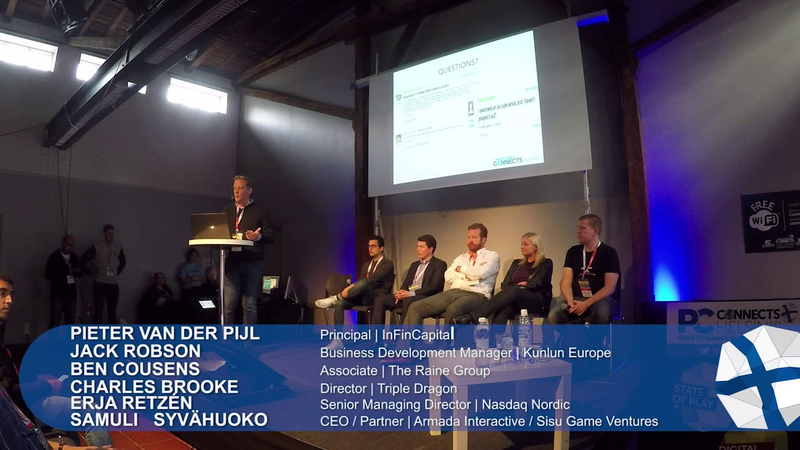
Panel: Funding & Financing: How To Accurately Value Your Studio
Key insights
6 takeaways- 01Founders must prioritize investors who align with their specific exit goals and creative vision to ensure long-term operational autonomy.
- 02Valuation should be treated as a strategic partnership tool rather than a static financial figure, as unrealistic early-stage valuations can create long-term hurdles for future growth and exit planning.
- 03Founders should aim for a threefold increase in studio valuation between funding rounds, contingent upon demonstrating consistent proof of concept and operational execution.
- 04Chasing the highest possible valuation can result in predatory investment terms or unsustainable performance expectations that jeopardize the studio's creative roadmap.
- 05Early-stage valuation is primarily driven by subjective assessments of the development team and the total addressable market, whereas mature studio valuation relies on data-driven metrics like player retention, revenue, and lifetime value.
- 06Bootstrapping remains a viable alternative to external capital for studios seeking to maintain full financial control and independence.
Ask AI about this video
Transcript
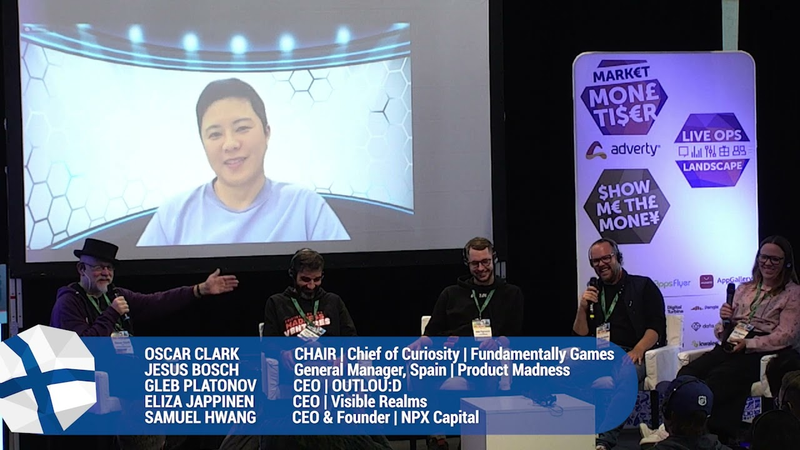
[Music] thank you [Music] we are now kicking off the show me the money track and again we're going to start with a panel I'm going to ask my panelists to come up and join me if they if you guys can come up and join me and we're going to be talking about a range of things around investment around valuation uh I mean who doesn't want money to make a game uh I mean of course we do of course we do and so hopefully we can give you some insights hopefully you guys will have questions hopefully your guys will get lots of value out of this process so I will sit down
um and talk to this lovely bunch of people um so valuing your company how many how many of you in the audience are currently fundraising how many of you are thinking about fundraising shortly okay and how many of you don't care about money sorry that was mean that was mean uh okay so valuation is a really difficult thing working out what you're worth working out how much you can ask for how much you can get and what you have to give away for that process is non-trivial um it's a process that I I think about regularly I unfortunately have a business partner to work with investors a long time so I let her do the heavy lifting in a lot of the thinking but I think it's also about who you're selling to at the end of the day something is worth what other people will pay for I would argue um but anyway that's my view on the subject so far I want to learn from these guys I want to understand what you guys think and your various
experiences so let's start here's a screen do you want to introduce yourself and a little bit about your history because obviously you've done lots and lots of fun stuff but also what you're up to now yeah sure um hi everybody I'm Jesus from product Madness I'm the general manager in Spain where we have set up a studio last year um now I'm also involved in Madness Venture is an initiative from product management in which we invest in every early stage free to play mobile development Studios and before that I you know I built three gaming companies and and sold one of them to a private Equity Fund so yeah I have perspective on this thing from different angles I would say thank you clip do you want to explain your role and what you do uh hi my name is Leb I'm in industry for more than 10 years I probably were were working in like different companies like developers Publishers Outsourcing currently I'm driving my studio of outlawed games who is doing mobile games specifically like Idol Tycoon type of and also I'm a co-founder of Doc Hall games who is doing like PC console
development like of double a title so different stuff yeah would be nice to talk about Investments that is very hot topic and very controversial sometimes so so Kim do you want to talk about yourself all right nice to be here super happy uh my name is Kim I spent the past five years at Paradox PC publisher I was among many things the chief strategy officer before that I was the VP GM at King I managed the studio and Pet Rescue franchise and before that I was at PlayStation at us r d California built PlayStation 4 among many things and then a bunch of failed Studios before that today I'm independent so I do angel Investments coaching advising just trying to be me and add value and I guess for this panel I'll probably take the investment perspective but I'll probably mix it up with my experience of acquiring companies in later stages so we'll see if that gets
useful Eliza hi I'm Eliza yapinen I'm CEO of visible Realms we're a mobile game company but our whole focus is on building franchise IP through mobile gaming I've had 10 years of experience in TV development IP development music and games so I'm actually the part playing the part of fundraising so I'll come with that perspective and on the screen behind us we've got Samuel Samuel can you hear me okay great stuff yeah so we can hear you fine so Junior just explain your background please Asia and Hong Kong Vietnam and then I saw the recently we expanded into Los Angeles California I've actually started off as a founder of and I started my first company in Shanghai China which I sold for private
equity so similar to uh that was Jesus yeah and uh yeah it's a great job and in this context I should add that I'm uh a founder of a living game publisher called fundamental games we announced our uh consumer facing publishing label just before Gamescom called jetpack Collective and we announced our first game uh called phage born a date building game just before uh Gamescom as well and then we are currently in the fundraising round as I'm sure you can imagine so um enough of me let's talk about you um so hey just let's start off just by Framing it what is evaluation in practice and why does it matter yeah evaluation in practice is how much are you going to are you willing to give of your Equity to investors in exchange
of their money and it matters because a wrong valuation can ruin literally the future of your company if the evaluation is too high because you are greedy and you want as much as possible for the little Equity as possible you could have problems in in next round you know you have to demonstrate that you you have grown the value and and investors could not follow up if the if you don't demonstrate that it's very risky but I think it's interesting because I think what you're highlighting there is it's there's actually a different step of thinking that's needed each stage and you've got to bear in mind that when you're first raising your first kind of what's often called friends family thoughts although I hate that phrase I think I'm not a fan of that personally but when you're getting that pre-seed investment the the way that you divide your shares out the way that you work out how much you're offering has a profound effect down the path and I think you know is it fair that you've got to think about that pathway through to the classical kind of seed you know
series a you know series BC whatever it might be I mean is that fair yeah you have to plan the whole road map I would say you will be wrong for sure but you have to have an idea of how much charge you want to keep for the co-founder for the investors for the key employees for everybody and make sure not not giving 50 to the Friends full and family because then you will have problems in the other the investors always want entrepreneurs to be motivated and have a big stake in the company yeah exactly and so uh from your point of view I mean again just going to rephrase that question you know why does it matter and what is it in practice so uh in in my idea it's it's also about like money about what you want to achieve or what's your like financial goals of the company because each company is striving to drive uh their roadmap that they have in the mind because you unfortunately unfortunately the market is not about creating amazing games it's also about driving your uh Financial properly and as a result you have a you will have a
certain evaluation that should be done like uh alongside in a certain way and as uh Jesus said that the way how you perceive it the way how you relate yourself it's it's very like difficult balance of not asking for to less or not asking for two more and that's a certain art and usually a good investor will shoot and must help you to build it so they shouldn't take too much because it has much more experience and as well they shouldn't give you too low because you won't be really motivated and it's a certain art because we probably all saw many Investments that didn't work even if it was like millions and millions of dollars because they took too much or they they buy out the whole company but they were expecting that it will grow and it didn't because they just that's it that's a deal and it's particularly complicated I'd argue because when you're starting out you've got no Revenue you have an idea you may have something playable but you often don't have very discrete data that provides
evidence of success just indications of potential so how do you you know how does that actually work I mean what is that valuation mean in that context it's it's very subjective thing because I think it's a matter of how well do you believe in the team and this belief probably based on your previous like relations experience and experience of the team strategy the way how the person think what he wants to do what preparations he already did because yes there is a cases when somebody just gives someone money just okay I know him that's but I think behind that there should be a certain strategy when you understand what build your path in like nearest five years and you should understand whether you want to go with the same investor or they will be a change somewhere to understand how the investor look at you and and what they want to do as well down the road because it it will really depend sounds a bit like you're kind of hitting on something that Jesus was saying about thinking about the pipeline of that yes valuation and
almost like not just taking about the pipeline of the Federation but how do you take that investor with you so that they are motivated as well to continue to invest in you during that journey is that is that a fair summary uh yes yes it's probably but it's you know there is no uh exact like instruction how to do it that's that's a thing what do you mean there's no road map I want one okay go on let's again same question I know I know it's not good etiquette on a panel to repeat this English but I think in this context getting down to the bottom and key there's a there's a process called the five wise and I'm trying to do the Five Wives with you guys we've heard lots of different ways so what is evaluation and why does it matter so I'm going to avoid that question and talk about what I want to talk about instead that's pattern that is definite panel etiquette thank you so I just want to add some flavor I agree with these guys so I'm not a romantic guy and I don't look at life very philosophical but I I think this is
like dating right you're looking for a marriage right if you're going to bed with someone you want to get married which essentially does this is a long journey make sure you date right fool around you know make sure you're going to bed with the people you're actually going to stay with the difference here is that this marriage has an end right the person you're going to bed with eventually they want to go out they want they want to exit and they want to move on so whatever you go in bed with it will have an ending so be certain that you go in bed with the right person and then no there will be an exit at some point and that's fine it's interesting to say that because um Harry Hammer who's now lvp but at the time was the Oxford Capital uh was really had a really great line which is you know be careful who you get in bed with because most investment relationships last longer than the average marriage all right so sorry Eliza what again I'm gonna I mean Kim if you have any other things you want to add to the what the valuation the practicalities of it feel free but otherwise otherwise I'll move
on to you I mean from my point of view I obviously I agree and and it is really important from my perspective too to be like who are who are who am I partnering with and how much can I find out for how long can I kind of without and then the other thing is you guys if you're fundraising you're always under the pinch and pressure right of having money so how long can you date and fool around before you like put that ring on my finger already you know that being said you know put a ring now anyway sorry now I'm gonna do Beyonce and I wouldn't do it well um you can do it but actually I think one of the like practical advice is to give to people especially because I mean we've all heard fluffy stories here I'm sorry you guys give the fluffy roundabout answers that's your deal but I've heard that you know generally it's like you want to three times your evaluation during each funding round you know so like if you can do it that's what you want to be going for and quite often it's like Millions usually the first and then you know you go three million it kind of go
in that and that's a kind of a good Benchmark kind of a place to look at is this really valued that do you really think that that's worth that how do you feel about it yourself and then how would they look at it yeah and I think is it kind of like proof Point principle there as well because as you go through those stages you've got to present a hypothesis and demonstrate delivery and if you can't and and it's not all going to go well you're gonna find things but how you adapt to those things that don't go well and how you learn and demonstrate that again I think is what helps reinforce that evaluation so Samuel from from your point of view I mean again I'm going to ask the question uh to you um that I've asked the others but I'm hoping you're going to come up from a slightly different point of view but I'm thinking again we're talking very kind of loosely at this is this level that we're asking for in terms of exchange but what meaningful elements are you drawing on when you're deciding that that valuation feels right I would say I I would definitely agree
with all of the what the panelists had said um but for me I think a super important thing I think there are two very important things the first being it being a great Benchmark for a Founder to uh in a specific industry to kind of compare themselves with other Founders uh in that industry maybe in different geographies right for example the a mobile gaming company based in South Korea that's just addressing the South Korean market versus a mobile gaming company based out of the United States that's addressing the entire uh you know Global Market same stage of the company evaluation will be very different right so Benchmark of where you are as a business and sort of that sets the tone for where you can eventually get to right second thing I think uh super important when doing valuation is um you know you may uh in the same situation you may get a very different valuation from very different sets of
investors right so you know I think through that exercise it's super important that you find the right partner right because again this is a long-term uh long-term partnership right if someone gives you a super high valuation but that comes with caveats with ratchets where basically they can take the company away from you down the road if you don't hit your targets it could be a poison pill right versus someone gives you a lower valuation but they're really great strategic partner and can help you really grow the business a lot faster than if you were to just grow it on your own so I think those two are the most important things I would think about when thinking about valuation so when you're talking about are you kind of stroll drawing the differentiation between smart money and dumb money um or are you kind of hinting at the sort of be wary as an investor as a sorry as an investee the of maybe be some more predatory tactics is is that kind of what you're hinting at there
yeah I mean I I would say all of those um but you know the most important thing is that you shouldn't just jump at a the highest number that you get right every all money comes uh with you know different conditions right and um it's very important to get into the weeds of the details right because um you know you might be you could raise these days it's more and more common uh for early stage pre-revenue gaming companies to raise uh money in terms of more of a debt instrument rather than Equity so um and then eventually convert down the road as you start making Revenue right yeah and I I don't think we're going to get time to go into sort of things like convertible notes rather than through kind of like direct investment I think that's a conversation probably for another time but very very interesting one if anyone has time to investigate that stuff uh I've only just started learning about how that operates myself um so this is just to sort of pick on what Sam was someone's talking about
um the understanding the partner understanding what they bring to the deal understanding um the kind of value that you're doing I'm also thinking about things like your proof points that you've got already and how you establish that I said it almost feels like a dance to me that are you talking about do you think you'd be talking about different valuations to different types of people or do you need to stick to one valuation and take into account the different parties who might you might want to engage with wow the question is a bit open but um I mean sorry yeah the valuation depends on a lot of factors but um the initial valuation I think is the trickiest part is and and and I think one way to approach it is very simple go and see very obvious go and see how much money you need and a reasonable uh uh Equity part for for it you know and and I think that's the that sounds like
guessing well yeah but at the beginning you don't you only have a spreadsheet you know that you can put anything there and yeah just it's guessing really yeah you can you make your projections and and and say very fancy words about the finance and so but it's only guessing at the beginning but I think there is we can get smartly can't we because I mean I mean there are source of data however loose they are you know if I'm doing PC content I'm going to probably take some steam spy data or something like that uh I if I might take some other Market data I can get my hands on it if it's mobile I'll probably be getting something like an app Annie or whatever to at least see okay of the market we see these types of games getting this kind of Revenue on average and these are the kinds of things we're aiming for so at least base your assumptions on something that's evidence based and presumably you can also do small tests like the Facebook test the MPS test the you know the day one retention if you've managed to build something so far but to me it feels like you know we've
got to find proof points that we can then build those assumptions on to be able to build the case for that money that we know we need and therefore what percentage we feel we can give away is that make sense that makes sense yeah also what I wanted to what I meant is that you it's not the same to raise money for an hyper casual game Studio than you know AAA or or something bigger so yeah that but yeah definitely there are many data sources and you have to build a credible story with a credible team with a credible value proposition and all that yeah so um Glover I'm just going to turn that to you so I think what you know has this is quite you know greatly described as this is kind of educated guesswork process that we go through that we qualify that we provide backup information for but I feel like there's something else that's missing that it's part of the the expectation of the journey that you're going on and I think part of that valuation process is being able to credibly say this is what we're trying this is what we're currently able to do is what we're trying to do and this is the big picture
about where this is something that's changed the way that we now think about our valuation and how do we present the Unicorn scenario whatever that unicorn scenario looks like um oh you may not get to that but the point I think is I think unless you have that aspiration it's it's quite hard to justify some of the valuation you might do is that is that fair am I just guessing um don't I think that there is guessing should be decreased as much as possible we have instruments tools experience people to make it like smaller and smaller there still will be like a portion of it that it's still guessing we don't know how it will go but the thing is I think that the owners of the company should start firstly from themselves understanding where they're going why they're going what resources they have what experience they have and try to build a certain Road as we previously talked a road map understanding what resources they require to actually achieve it you can calculate the amount of like people you need resources user acquisition expenses other stuff if you
can't answer yourself on this question you need to find people who will help you answer it because when you approach the investor or any any other company that's ready to give you this funding they will ask the same questions and if you will have no answers you will look not the great and and that's also part of the learning especially when you just started you should go if you don't know you should go for the first one they will give you enough question to do all your homework and to prepare for the next one you approach next one there is additional questions you prepare for the third one because right now on the market there's too much money but they're just lying but and people don't know whom they can like give it and as as you said you should find like dancing or or you say and sleeping with right you need to find that partner and it's also like you need to convince and you should excite from coming from your side saying hey we need like I don't know five Millions right then you need to support it and you can support it with your experience with the benchmarks
because you can compare to the same people in the market if you were running in studios that was were doing like hundreds of million per year definitely that guy can like get some money to do a game he know how to operate hungry or thousand people Studio that works a lot I think as a much better way to put it in some ways it's not whilst we're using the term guess historic in this conversation yeah what we actually mean is we're making a kind of mental map of the components that's going to let us get from point A to point B Point C Point D and in that process we're working at what the proof points we need now and that we're going to need in the future and how we support from from a justifiable process to get through that journey is that a fair summary of what you're saying yeah yeah I mean like it's very broad topic I guess we can talk like hours and I want to give information to be somehow useful yeah yeah exactly and the thing is that that that's true you should put all the risk you should put all the strategy you
should try to estimate every effort that you have and you can support with that because if you will say hey I just need five Millions so that means nothing yeah I mean for me a lot of the time is about thinking through starting off that working what success looks like to you but I think you also have to bear in mind what does success look like to that investor I think if you're going to be able to justify your your valuation you've got to understand not just the proof points that you need to prove that your game will work but also the proof points that that investor needs to know that they can exit at an appropriate point and get the return that they're expecting does that make sense yeah yeah that's true but you can answer it only after you do the whole homework and you process it and then you can talk about valiation because after that you say okay we need this money I worth this amount and now I want this thing and you will get this part and and then they agree and saying hey yeah we agree but we think that it's too much or too low and start basically a discussion how much money they need or how much
money so keep I mean do you have any thoughts on this and I'm also wondering about and one of the things that always strikes me is that you shouldn't be necessarily talking to an investor about your money troubles you should be talking about how your their money is going to enable you to do something spectacular is that is that a fair summary oh for sure and I want to look back up so I think I think the ambition of the Journey of the company is the key thing right you want to see potential so I'm working with a studio in Nigeria to build mobile games buy Africa for Africa I know nothing about Africa but it's so amazingly fascinating knowing that there's 300 million active smartphones obviously there's no Talent there's no infrastructure there are no payment system but it's going to be the biggest population on Earth within a number of decades so we're very early in there's no valuation for this company just we looked at it it's like why even bother it's it's only cash flow
like what's your cost and we fund uh well I fund the part of the cost of the studio and we aim to get to a certain key point where we can measure anything tangible by releasing games now once you have a certain set of data I think that's the only time you have any chance of actually building a case on paper by numbers otherwise we're all guessing so we could just roll the dices but so I I like the of the idea of knowing I mean it is going to be huge at some point for me just how early do I want to bet on my own money I don't really care about the valuation per se but once they figured out a number of games on the market and we can start looking at number of downloads and the ltvs and the usual stuff I think that's where you start building that case and until that it's just how how much does it cost but again isn't in that example it's understand that local market so I know Carrie first guys are doing some interesting stuff and what they're trying to do is look at the payment
mechanisms that do exist in that market we should basically prepaid cards which they also distribute so then they can publish games that then can attack people spending more money on those cars now the reason I mention all that is I mean obviously it's not related to value about what it says is that sometimes those valuations are not necessarily necessarily just in the obvious path but how you you're working with that ecosystem does that make sense yeah I I guess I guess I mean it's I guess what I'm saying is on on the on the Journey of a game company I think up at to a certain stage we're all guessing so I just don't I'm not interested of guessing up in that thought experimenting surely sure right and and you can you can do what you're forecasting in your numbers but I think up until a certain point it doesn't matter a studio is even proven to be able to deliver and generate you know Revenue audience profit value in some way and up into a point It Isn't So up until that point you either bet all your
money and you're fine with it because you see the potential of what it can but be and then from there after you started doing the actual evaluations and it sounds like what you're saying there is that there's really only a certain subset of investors that you can talk to who have got that appetite exactly cool Eliza I mean I thought you brought up something that was really interesting which is that you know that you really needed the proof and it's been my experience that you need you need all of the proof you need to be vetted I would say it's less dating and fooling around as much as it is an arranged marriage you know and I and I think that it's very kind of silly to talk about actually the dating part because the dating part is you as a company trying to suss out what metrics you need men may be meeting a like-minded speculative person and those are your angels who will believe in you before you have those numbers and you get them on board
but when it comes to the big investment it needs to be so full proof that you know unless your mama and your daddy are telling you that this you're coming with the cow you know you're not you're not gonna get you're not gonna get arranged marriage you know and that's and I find that a little I find that a little disheartening because again as you guys talked about there is a lot of money out there you know and and there is a lot of great creativity itching to like burst forth and have a chance so I feel like maybe dating should involve dinner paid for [Laughter] um and you know some baby steps so that the dating can continue so that it would be you know speculative but within reason right you know within a reasonable levels of dating so that it doesn't have to be the arranged marriage still could have the romance still could have all the budding aspects of Something Beautiful happening all organically but you know without one side suffering necessarily
you were talking about being fluffy right yeah exactly fluffy so so Simon I'm going to ask if you're a romantic at heart um are you in are do you do you buy this uh dating process idea they think of soft I mean I mean to be honest I think most of the time it's about us as investees talking to investors and asking advice uh actually engaging and finding out what you need as much as it is for us to be able to understand what we are offering is that fair I mean I'd like to know your general thoughts on that yeah I mean I think um you know I I kind of disagree with one of the things that was mentioned earlier I think you had mentioned it which is um you know too I I think it's important to be super honest about your problems your challenges uh and even if you're running out of money then why is that the case right obviously when you raise a certain amount of money there was a specific plan in place so investors always want to see uh you know
how did you execute on the plan that you had set out when you first raised the money right and then if you didn't execute on that well what was the reason right um and it's very important and we've seen you know quite often a lot of times companies pivoting their business model or you know pivoting just uh the entirety of the business itself right um I can give you guys a hand of the very interesting um there's a gaming company uh founded by uh some friends in South Korea um and they were building you know they were building a big MMORPG games uh company was valued at around maybe 200 million wasn't really making much money uh you know the current the investors which had invested had put in money uh for maybe six seven eight years and then company was on the verge of going bankrupt so all the investors just I
think 80 percent of them try to sell um sell their shares but couldn't find buyers to buy the shares so the founder ended up acquire hiring a small team it was actually a failed team that was working on something and then they decided to kind of try something different and launch something that company is you know the company that they acquired built Battleground yeah which is now as you guys know Pub to right so one of the largest games in the world in value that multi-billions right so just for clarity well I was just what just so you know what I meant by that process was it was more of a we see a lot of pictures from people where they only talk about the why they need the money to be able to pay staff rather than talking about what that stuff will then deliver if that makes most it makes sense yeah but I agree I'm glad you I'm glad you raised that because I think that's a really important thing transparency and being able to say look
you know this is what we had this is what we learned and then being able to Pivot I think that is a really kind of really key thing yeah that trust like we said this is a relationship that will last some time and if you've got smart money you want to tap into the expertise of that smart money don't you yeah so I mean following that through though I mean you were you were I interrupted your your flow you were talking about I think that General principle of um you know how you know what is it that um what is the kind of proof that makes you go yeah I feel confident in that team um yeah I mean I think it's definitely um execution based on the plan that one sets out right and again the plan can change along the way right um and the core team uh should be able to uh pivot um and be able to know what's working what's not working um and and that's why I think it's
really important to have this kind of open dialogue and continue to be flexible and not be too stubborn right oftentimes a lot of the founders that we see that that fail majorly are the ones that don't take the advice of people who are there to try to help you right no I think that's absolutely massively importantly um you know it's an interesting balance though because I think you've got it as a CEO you've got to be curious you've got to be constantly learning you've got to not you've got to leave your ego at the door but at the same time when you're presenting you've got to have enough bravado to make the case and I particularly have a suffer from a problem where I'm a bit too British are not quite American enough as in I don't paint the optimistic kind of like this is what the vision is this is what the exciting thing is so here's from your point of view you know why do you think is that what is the balance between this kind of like leaving you at the door but also leveraging your ego to be able to get
people to pay attention and and be interested in what you're doing well um if you mean in terms of evaluation in terms of valuation yeah well at the end of the day we're in a free market right and the offering demand will we found a common point and also you know the the talent of the individual people involved in the negotiation will have something to do about that but I believe it's more mostly depending on the stage of the startup also if you're at the very beginning is about the team if it's in a later stage it's more about the achievements but yeah it's it's to find the right yeah it's to me it's always a balance is what you say yeah yeah it balances itself I believe yeah okay okay uh good boy what about yourself is there a kind of is this the natural balancing thing you just find your whole uh you'll find your spot or is it the or is there some kind of like attitudinal kind of advice you'd give entrepreneurs trying to uh communicate what the valuation is and why their valuation should be you know undeserably believed uh first of all I think that it
should be uh answered by investors because probably there the ball on their side and this topic but as a as a studio I believe that basically when we're starting on early stages you should be more Optimist optimistic in the way how things are going and giving the team as much as possible tools that will help them grow and not be to as you mentioned like British because they can hinder their growth and development so basically as much as you can give and as much as makes sense you should give it where but doing it Tran so you're aware of your restrictions yes but being able to show what those restrictions then unlock your possibilities yeah maybe maybe even given like extra stuff like hey guys maybe you will try this risky stuff and we will give you a little bit extra but let's try to unlock it because if it if they will succeed everyone will win right if they want okay we we keep going and and the this maybe this approach should be like on a
start more like American way where it's more optimistic and uh at the end when the company starts stagnating maybe that's where you're going like British one because there's not much room for development it's more about like acquiring and building maybe a holding and stuff like that there will be probably topic about like cashing out and so on so on because you can be probably too optimistic there so Kim this sounds like you know we we what we're acknowledging I think is that there is a moving feast and every time every stage we're at we're looking at evaluation we've got to think about who we are as a team how we present our identity understanding how we're going to communicate transparently with all the partners we want to work with and the investors that we're trying to woo or date or whatever uh in choose your phrase um they they have to feel comfortable and Trust in our expectations and choices I mean what what days the I mean is that right is it a moving Feast it's
definitely faces you know as I've said before up until a certain point where you can validate any data set that's the time where you actually put a number on the actual validation you know and and I think maybe I'm Scandinavian which is probably more closer to the British side I I I respect the bootstrapping company the most the ones who say I don't want your money right I I respect the ones to say we're going to keep the team tight and focus on building that gain that can you know have this High ambition and uh we want to keep control creative control Financial control but we might need expertise scaling and someone but I I rather have the studios who come to me and say well you know uh we're going to bootstrap because the urgency for us to deliver towards the market or whatever that is we want to try to maintain control I mean I respect that more than the other way are saying hey we have some cool stuff we need money to do it then I was like yeah that sounds great you know but but I like the
ones who are committed to the cause and committed to the ambition and up until a certain point I think maybe that's where my interest lies but once they've proven and they built that game they built that platform and they built whatever that is that can be validated I think that's where you bring on the more traditional VCS and then you go into the spreadsheeting and then you do the valuation but I think from if I were a startup I would you know it's obviously a luxury problem it's not easy but I would try to maintain as much control and I would bootstrap the hell out of it right so I can control a division that I want to achieve men slowly bring on the right people over time but obviously it's a luxury problem you know you have to be a problematic sometimes you just need the money right Eliza what do you think of that um I mean yeah if if you can that's great you know like absolutely you should always try to hold on to your stuff and believe in your own things and I mean I mean again it is a luxury problem it's also privilege and and in
some cases we're talking about situations if we want diversity and Equity that kind of privilege isn't then for everybody absolutely and I find that is also one of those things that maybe that's not then the best advice um and I don't know I don't have anything more to say actually no but I mean it's summer because we're running out of time um what's the one piece of advice you'd give somebody looking at valuation oh I mean yes my three-step thing was like the basic is kind of simple you can always just go and look at a million but then you do have to look at every other business out there who are your competitors who are your how are they doing how much better are they what are you hearing from the investors I mean feedback is amazing so I always ask for feedback every single time I'm sharing something I I hate being like ghosted because I'm like it doesn't matter if you didn't want this or you're not interested I want to know what you thought because it's gonna give me so much more for my next you know my next meeting my next
opportunity if I don't have that that's a big loss so try to get all the feedback you can you come back stronger every single time and equally just tell us you're not interested that'd be nice yeah exactly I mean I mean actually I've been very lucky that I've got some very clear and they will say why because it's not for the portfolio we're looking for that great answer no I understand it wasn't what you're looking for so Sam what's the one bit of advice you would give to entrepreneurs trying to do this valuation process I I would say think about two main things right it's um the total addressable market right that or the problem that you're trying to solve for right in this case when you're building uh a game right whether you build let's say you're building a VR game VR specific game there's gonna be uh you're just gonna be limited by the number of VR headsets that are already in the market and and the projection projected sales of those headsets over the next few years so versus if you were
to build an MMORPG for multi-console right so think about the total addressable Market or the specific type of game you want to build right because that's going to affect the valuation you know the initial valuation and then the ultimate valuation you can get to and then secondly um you know in conjunction with that think about based on that you know problem or the game that you're trying to build the team that you need to build around it why are you the best team to tackle that you know tackle the goal or the game that you're trying to build right and that those two things I think will be the biggest determining factors of valuation especially at the early stage great stuff um really quick do you guys have any extra things you want to add because I know where I'm going over time yeah at the top of what has been said already if I was going to build another company I would seek professional advice for this
roadmap that we mentioned because you know we don't know everything and and it is a lot and this can impact have an impact huge impact in the future of the company absolutely yeah I would say uh don't don't be afraid of asking for help and the second one is basically be ambitious or basically die trying because that's the way that drive us all do a lot of dating I know on that note uh this is a dating thing I'm going to thank our our panelists thank you Sam for joining us on Zoom uh thank you all for joining us here and we're going to move on to our next group thank you very much all [Applause]
Summary
Valuing a game studio is a multifaceted strategic exercise that requires balancing immediate capital requirements with long-term operational autonomy. Rather than viewing valuation as a static financial exercise, founders must treat it as a foundational element of a long-term partnership. The primary objective is to secure funding while maintaining founder motivation and ensuring the studio remains attractive for subsequent investment rounds. Misalignment between founders and investors, often caused by unrealistic early-stage valuations, can create significant hurdles for future growth and exit planning.
The valuation process evolves from subjective, team-centric assessments to rigorous, data-driven models. In the early stages, investors prioritize the strength of the development team and the potential of the total addressable market. As a studio matures, valuation shifts toward tangible performance metrics, including player retention, revenue generation, and lifetime value. A common industry benchmark suggests aiming for a threefold increase in valuation between funding rounds, provided the studio can consistently demonstrate proof of concept and operational execution.
Strategic decision-making is critical when navigating financing, as chasing the highest possible valuation can lead to predatory terms or unsustainable expectations. Founders are encouraged to prioritize investors who align with their specific creative roadmap and exit goals. While external capital is often necessary, maintaining financial control through bootstrapping remains a viable strategy to preserve autonomy. Ultimately, successful financing depends on a credible, transparent narrative that bridges the gap between a studio’s ambitious vision and the specific return requirements of its financial partners.