1 free read left. Create a free account for unlimited reading + AI research.
Create free account
CTV…the Next Big Thing in UA - ARTHUR QUEROU, Vibe
Key insights
6 takeaways- 01The blurring line between traditional and digital advertising makes CTV an essential component of the modern user acquisition mix, providing high-attention environments for mobile application growth.
- 02Connected Television (CTV) has transitioned from a branding-only tool to a measurable, performance-driven user acquisition channel by utilizing deterministic measurement and household-level targeting.
- 03Advertisers can link ad exposure to app installs by using static IP addresses to track users on home Wi-Fi networks, allowing for precise audience profiling and re-engagement.
- 04Attribution is primarily driven by organic search behavior following ad exposure, with Mobile Measurement Partners (MMPs) tracking the user journey from the initial impression to the app store install.
- 05Campaign performance is optimized through logistic regression models that process real-time data—including geography, content channels, and demographics—to improve Cost Per Install (CPI) and Return on Ad Spend (ROAS).
- 06The shift toward smart TV ecosystems and app-based consumption, particularly in the United States, has created a massive inventory of ad impressions that allows for iterative A/B testing of creatives.
Ask AI about this video
Transcript
[Music] thank you [Music] Arthur I think you're going to talk about hello Arthur ah you haven't got your headphones on that's why you can't hear me uh so we're gonna kick you kick you off so you're going to talk about CTV I'm assuming that's connected television great good looking forward to hearing you all right a little sinky all right we have everything on the screen I hope this will be both like the best presentation you'll see today and the absolute worst as well you'll see why I just want to go under the hood of what CTV is and I will Define what CTV is
which is basically TV advertising it's a new big thing in the US especially and we think it's the next big thing of UA but we'll talk about that I wanted to go under the hood and didn't want it like all the marketing [ __ ] and everything that's going on you know when you have those kind of presentations so my CMO was really against that presentation so I said [ __ ] it dancing baby that's life go one achieved I always wanted to use that one so yeah ctvn performance under the hood can you really do performance advertising on TV and let's start off with yeah you'll have all the PowerPoint transition in that one we hear that a lot when we talk to all the app Studios and everything like why like can you really do performance on TV and how can I measure it and you know it's not really for us we are looking for direct response so TV is not for us and that's exactly what we're trying to break and that's why I'm gonna that's what I'm gonna explain as of today
so first let's start with what is CTV so CDV stands for connected TV as Europeans I don't know if some of you have flew from the us but as Europeans we don't know about it because we when we put up the TV we press one or six to like start a specific Channel but in the US they use their TV with apps so the biggest apps obviously some of you know like Netflix and everything but they use ULU they use Pluto which are absolutely massive we can talk about the the reach right after but for example Pluto is getting billions of AD Impressions per week and that's something that you can leverage as a marketer so yeah our biggest uh CTV it's 900k Impressions per second uh just in the us alone it's pretty much nothing uh to be honest in Europe that's why we only focus um on uh on the US and as you can see and that's the really really interesting part of that slide is that TV is
actually bigger um than any other social like social network and yeah a lot of people will say but nobody watches TV anymore and it's kind of true like especially like in the younger generation but when people talk about CTV usually we talk about Ott which stands for of other uh over the top um and over the top is basically any Rich video content that is consumed on a digital like device so it's not only TV but you get the same attention when someone is like watching a rich video content like on YouTube TV but on Crunchyroll as well like a lot of gen Z and Gen Y is using like their phones or their laptops to watch like some TV shows the new anime that's trending and everything and so that's the kind of inventory that you can Leverage so enough with the like super [ __ ] yeah that one is overwhelming so our data works in the CTV world that's usually the main thing like how do you actually like track installs so do you have like
in the standard like linear TV world like you had to like do some big push at some specific time of the day and then like measure if you had a peek in your installs that's over with CTV you can actually measure like deterministically like whether or not you actually generated an insole and you do that with the IP IP is not a super great identifier when it comes to Mobile in a general way because like when people are outside they're on like on 4G LTE Etc and they share IPS but when it comes to to TV and like connected television in a general way that media is mostly consumed in the household and what happens in the household is that it's connected to the Wi-Fi so the Wi-Fi has a static IP and the static IP itself will allow us to basically link like every device that's in the household so usually we don't talk much about users uh but mostly households because like if we can't really like differentiate whether it's the mom or the dad or the kid that actually like
made an install but in the volume it doesn't really matter yeah that one is terrible as well uh so yeah if we have identifiers in TV that means that we can do anything that you do on digital building profiles and so also being able to Target uh those those profiles so you can do anything that you would do like on Facebook or with any like UA solution that you that you like to use but the most interesting one is especially in the UA space and the one that we use the most is to install the apps and so the gamer profiles so we can know as we are like a DSP and we work with like partners and we have access to bid requests and all this kind of thing we can actually create super precise profiles outsole profiles and know which apps are installed in the in those profiles so we can for example create like a gambler uh profile like by targeting people who have or were already using like slots games or these kind of thing we can have like casual uh gamer profiles as well uh
with the depending like if they have like those match games and everything and you can even do re-engagement so you can Target people that are on your app like Big Spenders and this kind of thing and you can like bring them back in your uh in your uh app with TV and the great thing about TV is that you get a super strong attention so you get a super strong attention from your most valuable user and therefore like create a lot of value in that all right so measurement attribution which is one of the most important one yes PowerPoint oh that's so bad like those uh those arrows at leaders like PowerPoint has a glitter pen don't know if you knew that but you won't have the Glitters never mind um so yeah how does it work so basically someone will watch an ad on their TV so let's say they're using they're watching a show on yulu uh and they see an ad for your game so what they'll do there is no click or anything like that we'll talk about QR codes right after uh but there
is mostly no click forget about clicks so they see the ad and then they search on the app store for your your app and then it's measured by both like any MMP that you that you would like so we were like Vibe was one of the first uh CTV Partners I've had just and and apps flyer and so we can measure installs that were generated through TV without just nfsire so they will integrate that into your marketing mix into your attribution model usually at the end of the waterfall but that's something else that we can talk about um so yeah so as simple as that and the good and the great thing about it is that you can actually measure not only the insoles but you can measure the return on ad spend which is probably the thing that you care the most about yep QR codes so obviously you've heard about coinbase you want to put QR codes in your in your creatives that's fine but that should absolutely not be seen as a click command just as what you would have uh in your like interstitials or
this kind of thing this is a great way to measure engagement because like you'll still be able to track uh the install that are made through uh through the QR code but most of the installs that you'll generate will mostly come from search so one of the things that you have to be like worry about when you set up your campaigns is that when you launch a connected TV campaign you'll usually have a huge boost in terms of like search attributed installs because obviously apple is playing his own game Google are playing their own game and so magically you're getting tons of installs from search because you started TV and that's what we've seen in every single ad campaign that we that we've done for apps but yeah so QR code is great but it's not the solution but yeah so when it comes to Performance and like that's where we get more deeply into like technique technicality and to show you that we can actually generate performance when it comes to TV the fact that we have identifiers the fact that we can measure deterministically and uh
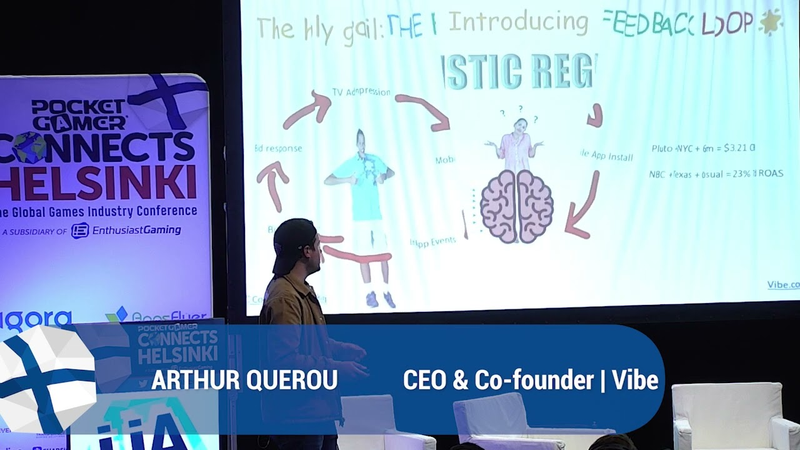
the installs and the events and all these kind of things we can then have the feedback loop so you've probably like every salesperson of every uh single like UA solution probably told you about the feedback loop so you get an install then you are able to attribute that to like any like for example which um which show it was uh generated that insole like uh what Geo Etc and then like you use a you use an AI that optimizes all that we'll talk about this but the fact that we have this allows us to have that feedback loop and have ai major media buying so that like we can optimize uh the cost per install so you can now know that Pluto in NYC at 6 PM generates you 3.21 CPI or that NBC in Texas and like with the Casual Gamer uh audience generates your 23 7-Day Ross so interesting yeah that transition is big super long super slow uh so yeah introducing the logistic
regression so that's like a bit like for the techies I'm an engineer myself so I'm always happy to talk about this um but yeah so that's exactly what we're talking about so what we've built at Vibe and like you've been talked about like you know those super like highly specialized models that are like yeah we have like that model that is very specific for like slots game and we have optimized it over the years and it's like very specific for you so it's perfect that kind of thing that doesn't work like we have Fields uh like several like performance advertising companies before that were acquired like to be honest we've tried this doesn't work the best advice we've ever got was actually from Roman Nicoli who's the CTO of critio that you Pro maybe know of like one of the biggest retargeting company and we asked him like now like in like 2020 with like all the cloud computing and everything like what would you do to have like the most performing solution and he said like look I would have probably like the dumbest like AI ever which is the logistic regression which
is like just a big black box that let's be honest and but just have the ability to feed it just as much data as possible and that's exactly what Google does that's exactly what Facebook does and that's exactly what via does when it comes to optimizing your creative we just take every single information that we have and that we can like use and leverage during the media buying and just like feed that in real time into the logistics regression and so that will help us like improve improve the performances when it comes to return on ad spending this kind of thing so where it was like where TV was just like something that you could use for Branding and just like buy a pre-show ad now it's like really like digital it's really like social media it's really like search you can do the exact same thing when it comes to Performance oh and yeah creatives obviously like TV is like the most like the channel where you'll get the most the best attention and especially in Europe we're always like oh yeah but like we need a good
looking creative and everything look is the US the creatives are terrible there like you have like plenty of local advertisers like who like shoot their ads with iPhones it's really different so your ads can be bad and you can actually like a B test [ __ ] out of it like so you could run you've you all know like that ad you all know that creative so you can like run like hundreds of those like just like a b testing it and we've seen some clients like testing like tens of creatives which obviously they don't put like fifty thousand dollar budget in itch it's probably like very cheap production but it actually works and you can and again like with the logistic regression you can also leverage and measure and like attribute the best performances to each creative for each Channel and you can know like which creative is working best and which channel which which uh uh like demographic and which uh which uh Target and everything so you can have like a pretty complex like media plan
and like setup in your campaign just like what you would have uh on digital but on TV metrics which is the only thing you care about I think of course so this is actually like a pretty old uh metric but it's probably one of my favorite um so basically when we started uh was that was that Advertiser so we started at 18 Euro CPI which was super bad like let's be honest because their target was something around like six or eight and so the more like we run the ad the more like the AI kicked in and so you can see what you usually get with other like UA platforms so you get a decrease in CPI you get an increase in terms of return on ad spend and everyone is happy um but yeah and that's that's something that wasn't possible before with like standard linear TV but now you can actually like get those kind of thing with connected TV so yeah let's uh let's sum it up uh the
most I think you got it the most important thing to remember is that like TV is not only for Branding like if there is one thing that you need to remember is that you can actually do performance with CTV and the reach is there and the performances that you are looking for are there um CTV has the same targeting capabilities so you can do the exact same thing again uh and leverage your audiences your best practices that you already have another channel that works the same way and PowerPoint probably has like some of the most exciting transition ever so yeah enough for the atrocious PowerPoint presentation uh we are Vibe the only one uh TV at platform I'm Arthur CEO and co-founder we have a boost just right there so if you want to know more about like how TV works and how you can leverage it for your user or user acquisition problem I'm your guy Jerome here as well he's your guy thank you very much great cool uh does anyone have any questions
so eager to get on okay oh good stuff thank you very much for that so does anyone have any questions for Arthur in terms of CTV I mean you kind of covered a little bit of this but how how much of the cultural change is happening because I know that in my household yeah I'm the only one who uses the TV and I generally only use it to play games I mean that's not quite true I do watch a lot of YouTube on it and so on and so forth but my family watching their their stuff on their phones they actually have no interest in using the big screen is that a normal thing is that a trend I mean is is that you know how how is TV Behavior changed and how does that affect this process yeah the oh sorry um so the the device is changing is changing a lot so basically we're seeing like a trend where people are consuming Rich video content and that's exactly what I was talking about like with Ott uh on their phones like on their tablet on their like uh laptop and everything in the bed like we've all done that uh
but it's still like the same attention it's still like the same like content and everything so that's why when people talk about CTV again like marketing thing at Tech acronyms we love it uh but uh but yeah it's mostly like Ott uh in reality but you can obviously like for example you can select like whether or not like you want to only watch Like Only Target like TVs or mobiles like that's the kind of targeting capabilities that you that you have but the usage like in the US what we're seeing is that like it's absolutely still massive like the TV is still massive I'll be honest from what we're seeing it's the non-csp plus like it's usually like lower income households we will watch more TV than like higher income households uh but yeah but that's interesting to me because it seems that that lower income household is still engaged with the the central TV uh and that I think that's an important thing to understand uh do you think you'll sort of see a bleed across from kind of
traditional TV channels to make more use of because I'm old enough to remember when this stuff started you know where there was a thing in the UK called open uh it was I think on sky and you press the red button and then you get this interactive and it didn't work now obviously things have come a long way since and the integration of the data elements into the TV itself is now a fact so has that actually changed I always start to see a blur between traditional and modern so in Europe uh unfortunately we are a bit late on that but it's the trend is going very very fast so one of the things that TV manufacturers have understood is that like nobody cares anymore about like the like curved 3D 4D TV or anything like that so that's not the selling point anymore so now what they understand is that users want like a device just like an iPhone and they're kind of trying to transform the TV into like the smart TV like smartphone experience and have like the best like app ecosystem and everything and so and
they make a lot of money by just placing like having Partnerships and like making sure that Pluto or Zumo or whatever is integrated directly in your TV when you when you buy it and so they really push you to actually use that and all the like big like Ott apps and broadcasters so you have like the traditional one so like per amount is like moving massively into uh connected TV with Paramount plus uh CNB NBC is doing the same with peacock and they're just like pushing for that because they're making so much money out of it um so like it's absolutely like it's going very very fast and you have kind of the newcomers who are mostly owned by also like the big broadcasters so for example like Pluto TV fubotv like they're absolutely huge for now they are kind of shy on the European market but they are coming and they are coming big big time and I think like a lot of the broadcasters in the in Europe are going to have a very hard time because Pluto TV fubo Etc are loaded of cash and to
just like push for that huge age so it's like it's not like a small Wave It's like a full-blown tsunami coming uh on that and probably like in like five five years will not press basically what they're trying to change is stop pressing like one or two or six or whatever press the OK button and open up the app yeah and as someone who yes I did buy the Philips Hue TV yes it is connected uh and yes I am using that all the time
Summary
Connected Television (CTV) is emerging as a significant channel for user acquisition (UA), shifting the paradigm of TV advertising from a branding-only tool to a measurable, performance-driven medium. By leveraging the digital nature of CTV and Over-the-Top (OTT) content, advertisers can now apply data-driven strategies similar to those used in social media and search marketing. This transition is particularly pronounced in the United States, where high-speed internet and app-based TV consumption have replaced traditional linear channel surfing, creating a massive inventory of ad impressions.
The core of this performance-based approach lies in deterministic measurement and household-level targeting. Because CTV devices are typically connected to a home’s Wi-Fi, advertisers can utilize static IP addresses to link ad exposure to app installs. This allows for the creation of precise audience profiles, such as specific gamer segments, and enables re-engagement campaigns. Attribution is facilitated through Mobile Measurement Partners (MMPs), which track the user journey from ad exposure to app store search and subsequent installation. While QR codes offer a method for tracking engagement, the primary driver of attributed installs remains organic search behavior following ad exposure.
Technical optimization is achieved through the integration of feedback loops and logistic regression models. By feeding real-time data—such as geographic location, specific content channels, and audience demographics—into these models, advertisers can optimize campaigns for key performance indicators like Cost Per Install (CPI) and Return on Ad Spend (ROAS). This process allows for iterative A/B testing of creatives, enabling brands to scale successful campaigns while minimizing waste.
The industry is currently witnessing a rapid shift as TV manufacturers transform televisions into smart devices with robust app ecosystems. As major broadcasters and streaming platforms continue to invest heavily in CTV, the distinction between traditional and digital advertising is blurring. This evolution suggests that CTV will become an essential component of the modern UA mix, offering high-attention environments that effectively drive measurable growth for mobile applications.