1 free read left. Create a free account for unlimited reading + AI research.
Create free account
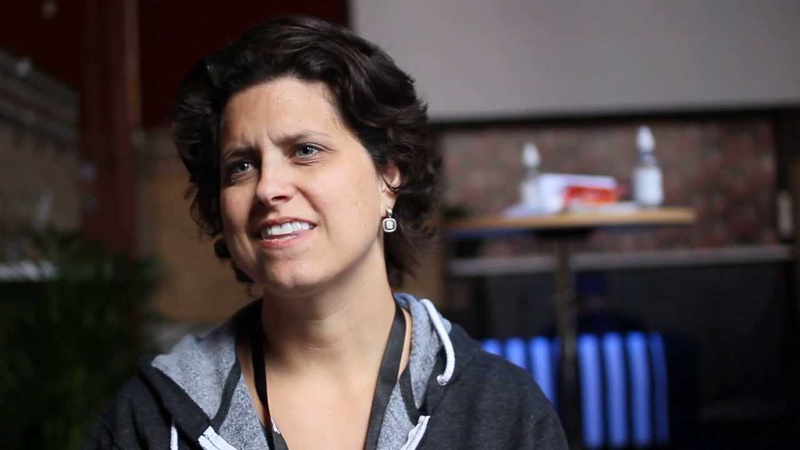
Ouya's Julia Uhrman talks unconsole potential
Key insights
7 takeaways- 01The Ouya microconsole is positioned as a $99 open platform designed to democratize television-based gaming by lowering development barriers for independent creators.
- 02Ouya supports flexible monetization strategies for developers, including microtransactions, episodic content, and donation-based systems.
- 03The hardware is designed to complement existing consoles by focusing on controller-based play, local multiplayer, and immersive television experiences.
- 04The platform mandates a free-to-try model for all games, which serves as the primary mechanism for consumer content discovery and adoption.
- 05The company utilizes an iterative, transparent development cycle that incorporates real-time user feedback to evolve the platform's software library.
- 06Initial retail distribution is focused on North American partners, including Amazon, GameStop, Target, and Best Buy.
- 07Future growth strategies are centered on international expansion, which requires localizing the user experience and establishing regional payment processing infrastructure.
Ask AI about this video
Transcript
okay so it's pocket gamer not biz we were at the nordic game conference in melbourne sweden and we just had a very uh inspiring i think we could say talk from julie from oya thank you so um and i guess we've just been talking kind of oh yeah i call it unconsole people call it microconsole i don't know what i like on console because you could well talk about it but um but obviously a lot of the press focuses on the hardware and obviously that's an important part of the i guess experience what you're trying to do is talk about making it beautiful and small but um interesting for me the talk was much more about the games and the developers and that's kind of i guess where you really found the kind of attraction we wanted you to be affordable and accessible to all gamers so having a price point at 99 was important making sure that all the games were free to try was important um and building a box that was as beautiful on the outside as was powerful on the inside was important to us as well um and that's why we partnered with eve behar and it's you know small but beautiful but at the end of the day you're not going to buy it because it's inexpensive you're not going to buy it because it's beautiful you're going to buy it because there's a great game on it that you want to play
and ideally many great games on it that you want to play and so our goal is to really find the great content highlight it and make sure that you're aware of it as a reason to buy have you been surprised at how much kind of attraction you've had because you were saying it's interesting it's not really been mobile developers and obviously there's some mobile phones who are doing android already but you've got a lot of guys coming from from console a lot of guys who haven't made android games before and you've got super double finders when you talk to you know aaa developers large independent game developers even new game developers when they build the game when they envision a game and they dream up the game that they want to build they want to build it for the television like that is the best screen in our lives right 60 foot inch television hd sound or hd you know quality screen surround sound that's the platform that they want to build for and up until today it's been incredibly difficult you can't be a man of two um on a team trying to build a game for the additional consoles it's just incredibly difficult challenging and expensive and time consuming so you end up going to other platforms and what we're finding because the majority of game developers are previous consular pc game developers is that
when given the option to build for the platform that they want which is the television screen there's a lot of excitement enthusiasm to do that and i guess it's kind of it's interesting because we kind of kind of cover the mobile space a bit more kind of heavily than the console space but the big games at the moment are attaching plans so you don't you don't kind of need the control so i guess it was a slight kind of thing i mean the games are going to be successful you're the ones that are optimized for the television that really leverage a controller i mean the benefit of a television-based game is that you get emotionally immersed in the game like a good game sucks you in you're contorting your body you're yelling at the screen you're sweating from the eyebrows like that's the type of experience you expect from a good game on the television and those are the games that we expect to have on ouya our controller has a touch pad so if there are games where that mechanic makes sense you don't have to rebuild your game um some acerkinish games might work great but the but the but the excitement of a television-based game is the local multiplayer is that couch play is that online multiplayer um and so we offer that and deliver it through the best screen in our lives which is the television and obviously
this week we've had we've had xbox one and places important i mean is that is that that kind of scale combination good for you because it shows the difference or is that could you think you can get a little bit lost at e3 i mean i think we offer something very different than the traditional consoles um we're an open platform we open it up to every single developer that wants to build a game for the television we open we're open to every single type of business model whether it's microtransactionally based or a shareware type game or a donation based game or episodic game play um and because we're open and it doesn't require hundreds of people and hundreds of millions of dollars to make that great next sequel right um you can very easily the small team with a small budget build a great game and put on the television and become the next big game and it's that promise that's exciting we don't view ourselves as an a an either or decision i have to buy the xbox one or buy oh yeah there are reasons to buy in and of itself we have innovative exclusive games that you can't find anywhere else and you're going to want to buy because of what you can play i guess we're getting quite close to launch now we're
where are we we're still in may but it's you've got about we are nearly a month away yeah i guess that's that is that kind of when the hard work actually starts or is that kind of i guess it's a slight amount of relief every single day is hard i mean there's work every single day because there's a lot we want to do we're constantly iterating and improving oh yeah we did it in a very different way we didn't build the product behind closed doors for two to five years and then launch it with a huge marketing budget and say here we are this is wonderful this is great you're gonna love it buy it what we said is this is great we know you want it we're gonna continue to get better though every couple weeks we do a new update that improves the process and it's going to continue to get better we're growing in real time which i guess is yeah which i guess has it has it's ups and downs yeah when we unveiled oh yeah a lot of people preview as like a final product which was disappointing because we're not the good news was every piece of feedback we got from those previews was something that was on our to-do list so we feel very confident that when we launch in june we're gonna have a great product that people are gonna love and then we can start surprising and delighting you because there are things you don't expect that we will do that we think will be wonderful another interesting thing you said which i may have taken a bit out of context you said you kind of go light
in the north america and you've been surprised by the global yeah kind of kind of demand so it's going light in the us that's the biggest market in the world we are launching in retail in the us at amazon gamestop target and best buy we're going to support those retailers we want to grow wherever our audience is and we have audience all throughout the world and we want to find a way to satisfy them so um those are going to be a lot of trade-offs we want to make sure the product is good when we go into other regions that it's localized that we have the right payment processes in place but we'll want to grow as quickly as we can to satisfy that demand thank you awesome thank you
Summary
The Ouya microconsole aims to democratize television-based gaming by providing an affordable, open platform that prioritizes accessibility for both developers and consumers. Positioned as a complement to, rather than a replacement for, traditional consoles, the system focuses on delivering high-quality, immersive experiences on the television screen. By removing the high barriers to entry associated with traditional console development, the platform enables independent developers to reach living room audiences without requiring massive budgets or large teams.
The core value proposition centers on a 99-dollar price point and a mandatory free-to-try model for all games, ensuring that content discovery remains the primary driver for consumer adoption. The platform supports diverse business models, including microtransactions, episodic content, and donation-based systems, fostering an environment where small teams can compete with larger studios. While the hardware features a compact, aesthetic design, the strategic focus remains on the software library, specifically games optimized for controller-based play, local multiplayer, and the immersive nature of the television experience.
Development of the platform follows an iterative, transparent approach rather than a traditional closed-door cycle. By releasing updates frequently and incorporating user feedback in real-time, the company aims to evolve the product continuously. Although initial retail efforts are concentrated in North America through major partners like Amazon, GameStop, Target, and Best Buy, the platform has experienced significant global demand. Future growth strategies prioritize international expansion, contingent upon localizing the experience and establishing robust regional payment processing. Ultimately, the platform seeks to carve out a unique market niche by offering exclusive, innovative content that leverages the television as the premier medium for gaming.












Comments