The video game industry is currently undergoing a significant structural correction, marking the end of an era where scale and massive production budgets guaranteed market dominance. Major publishers, previously insulated from broader economic downturns, are now experiencing stagnant growth and are forced to implement widespread layoffs and project cancellations. This shift signals a transition away from content accumulation toward more efficient, sustainable business models, as the industry returns to its cyclical, performance-based roots.
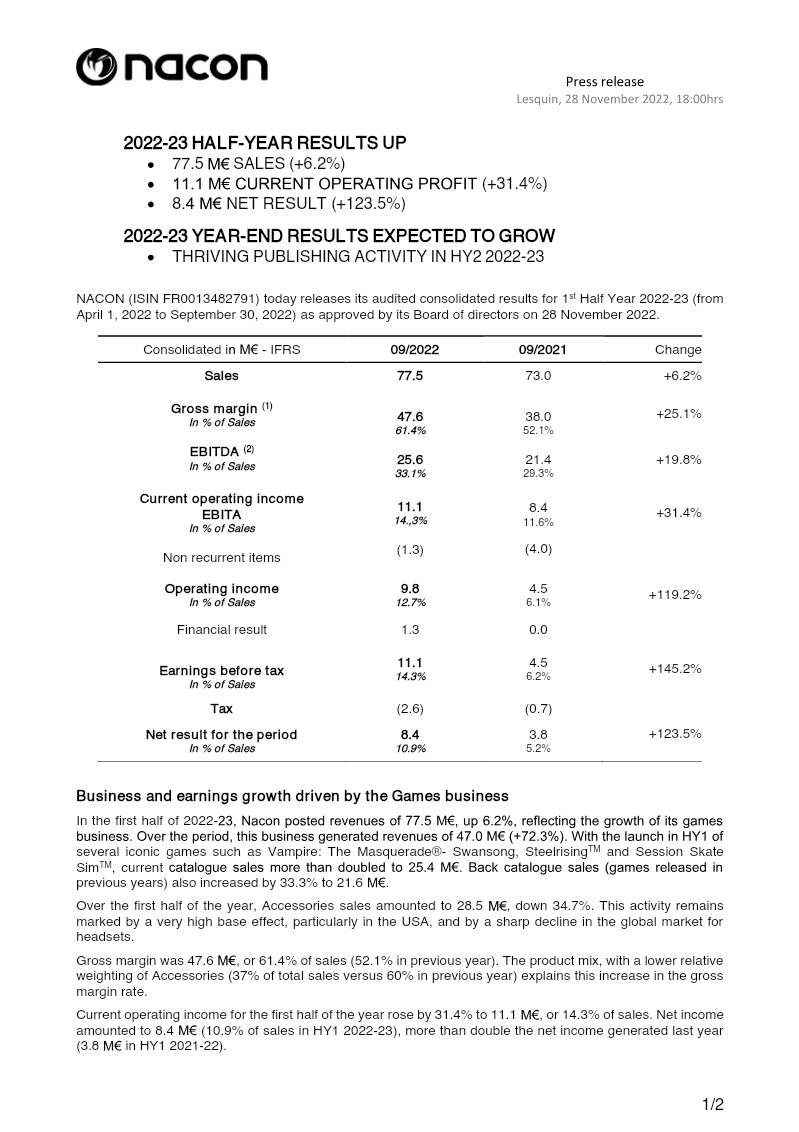
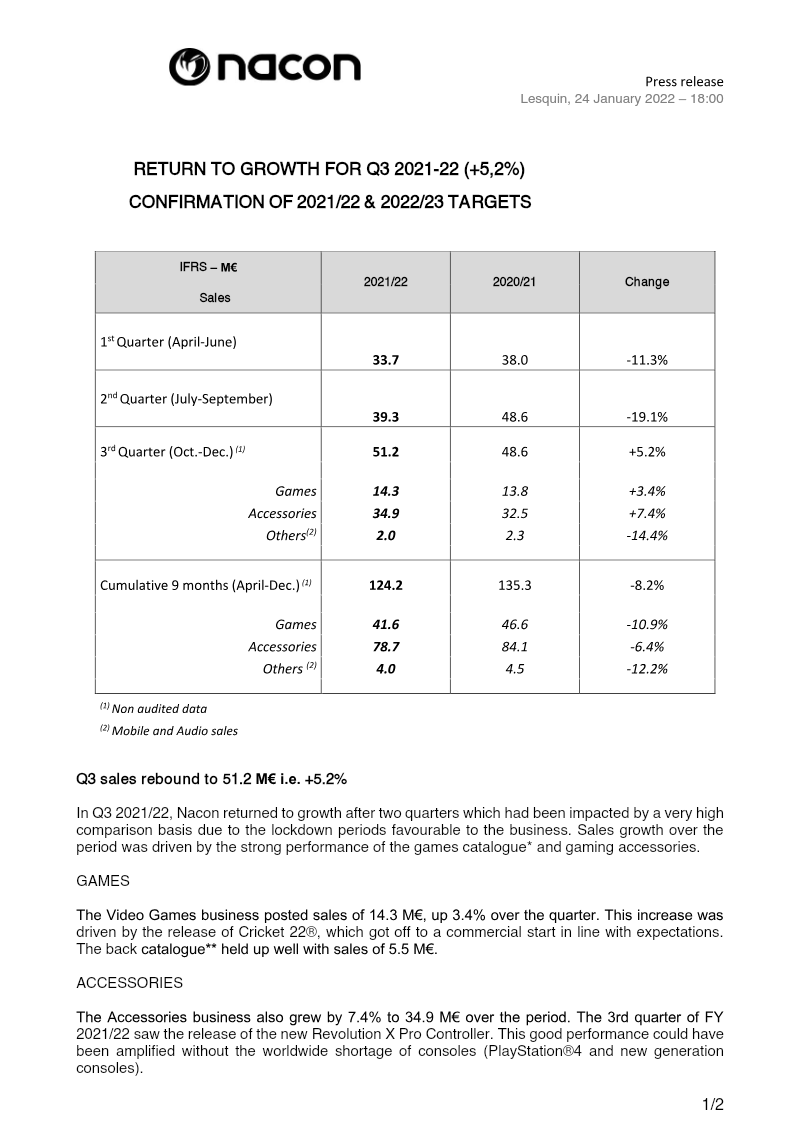
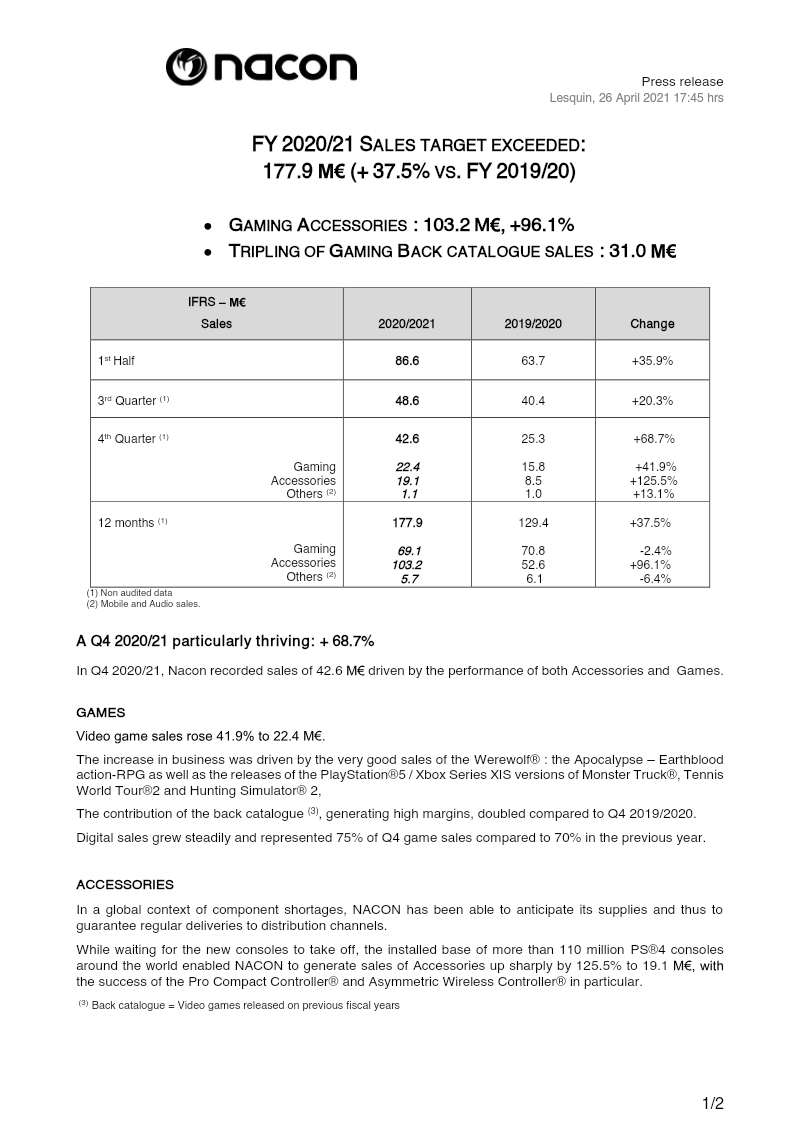
Data analyzing the annual revenue of the top ten global publishers compared to smaller firms from 2016 to 2024 illustrates this cooling trend. While the top ten firms leveraged acquisitions and intellectual property depth to maintain resilience during the post-pandemic period, their growth has largely flatlined. Specifically, Electronic Arts reported a 1.3% decline in net revenue for fiscal year 2025, reaching $7.5 billion, while other industry giants like Sony and Microsoft have initiated substantial workforce reductions and deprioritized proprietary hardware strategies in favor of software-focused ecosystems.
The industry is moving toward a phase where distribution innovation and operational efficiency take precedence over the previous reliance on massive, high-risk production pipelines. While smaller studios faced these market corrections earlier, in 2023, the largest firms are only now reckoning with the delayed consequences of their expansionist strategies. The current landscape suggests that size alone no longer functions as a competitive moat. Moving forward, success will likely depend on the ability to manage mature assets effectively, as evidenced by the potential divestment of niche, cash-generative properties like CCP Games’ EVE Online, rather than chasing unsustainable, breakout growth.