FinancialNippon Ichi Software
Nippon Ichi Software 33rd Annual Securities Report
102 pages~39 min full read
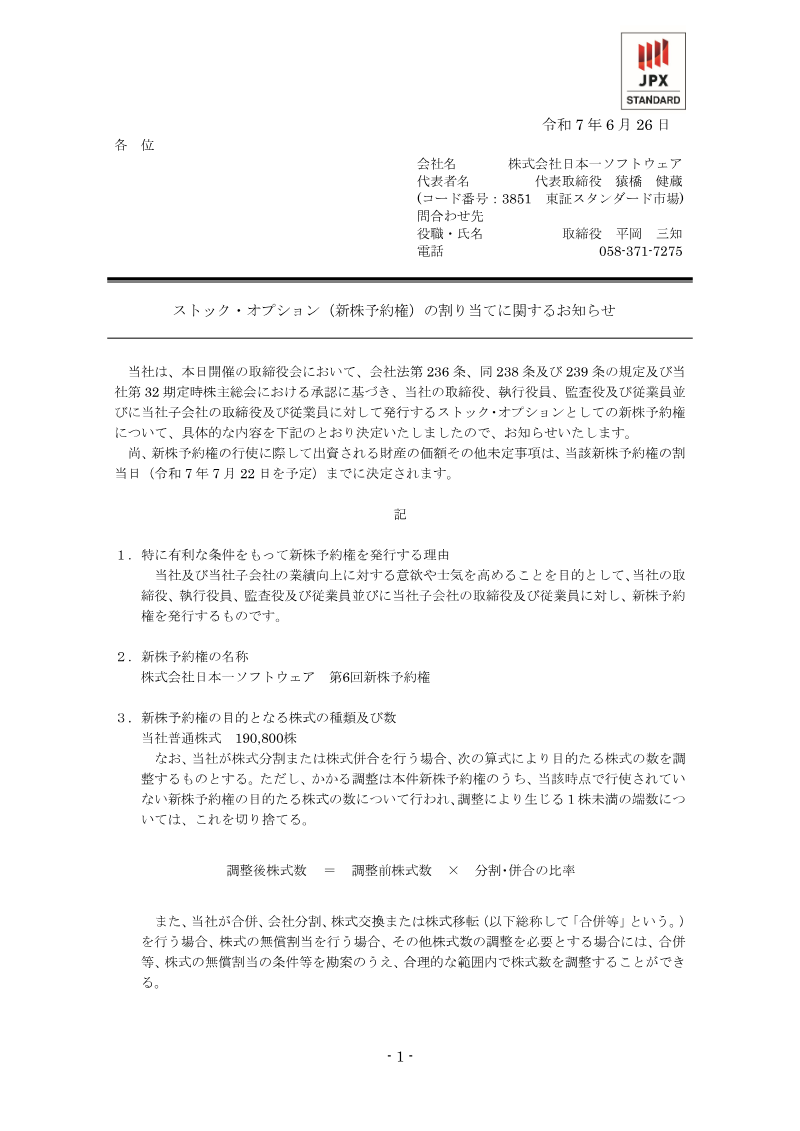
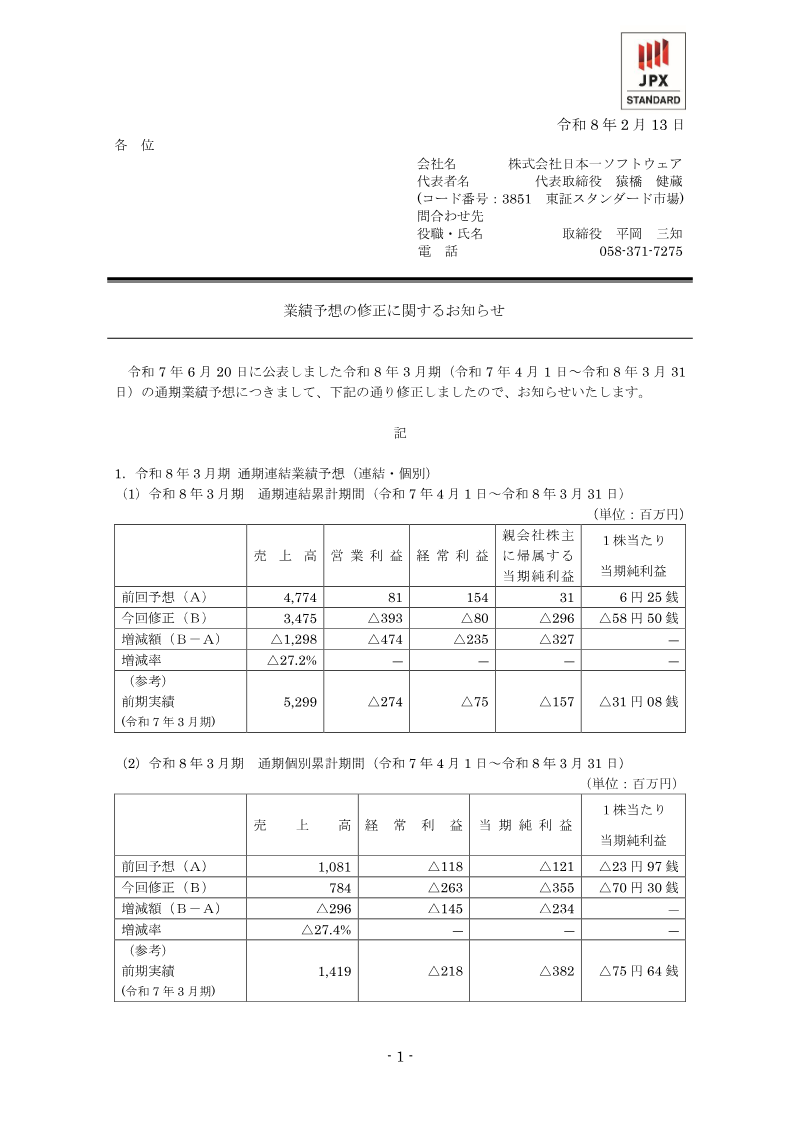
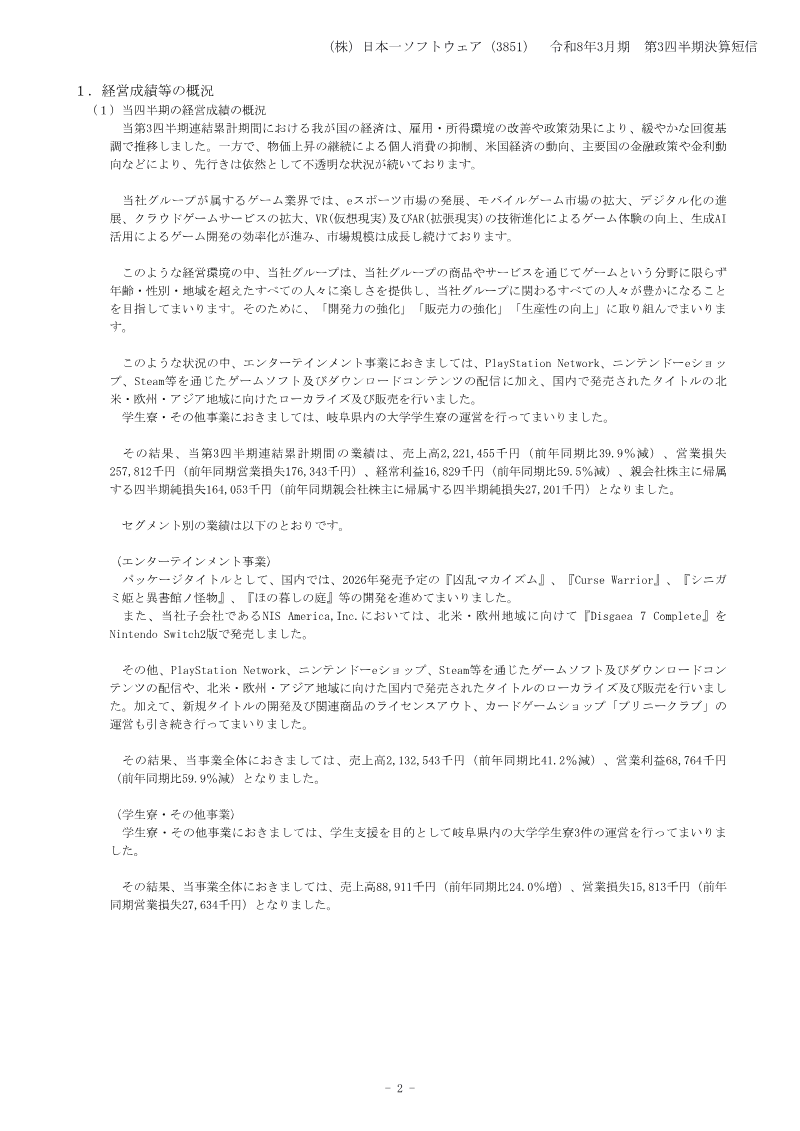
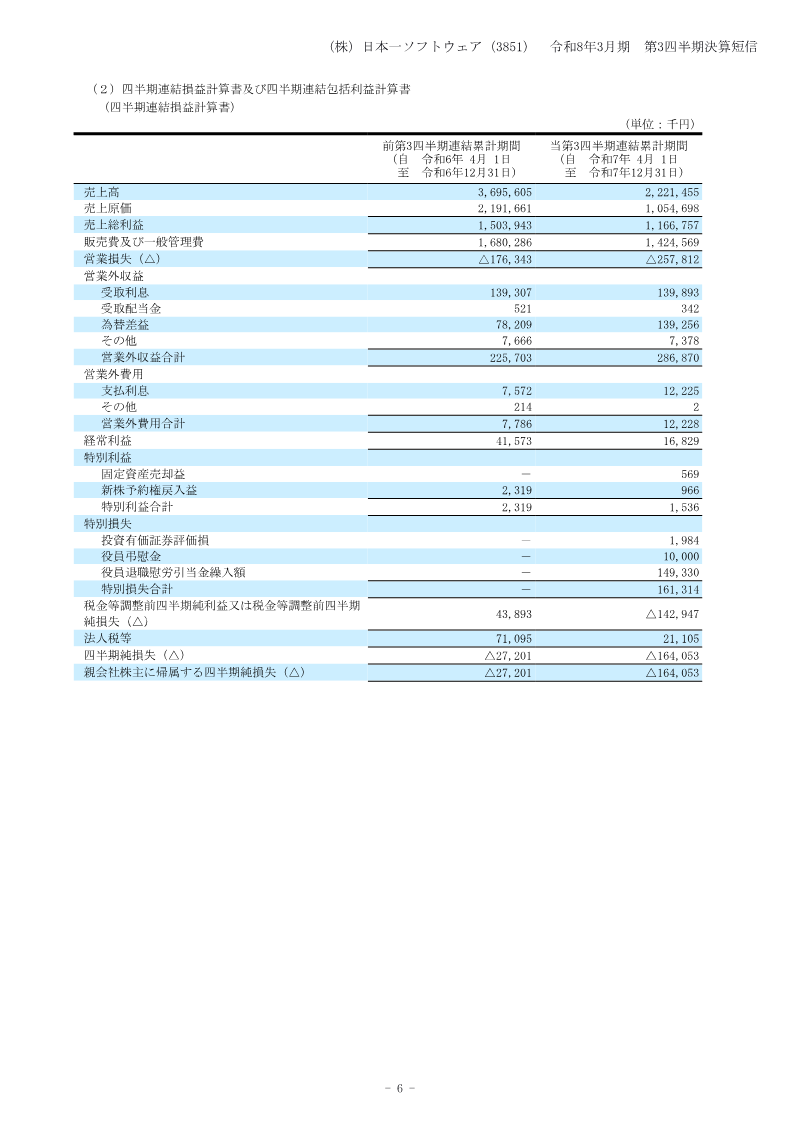
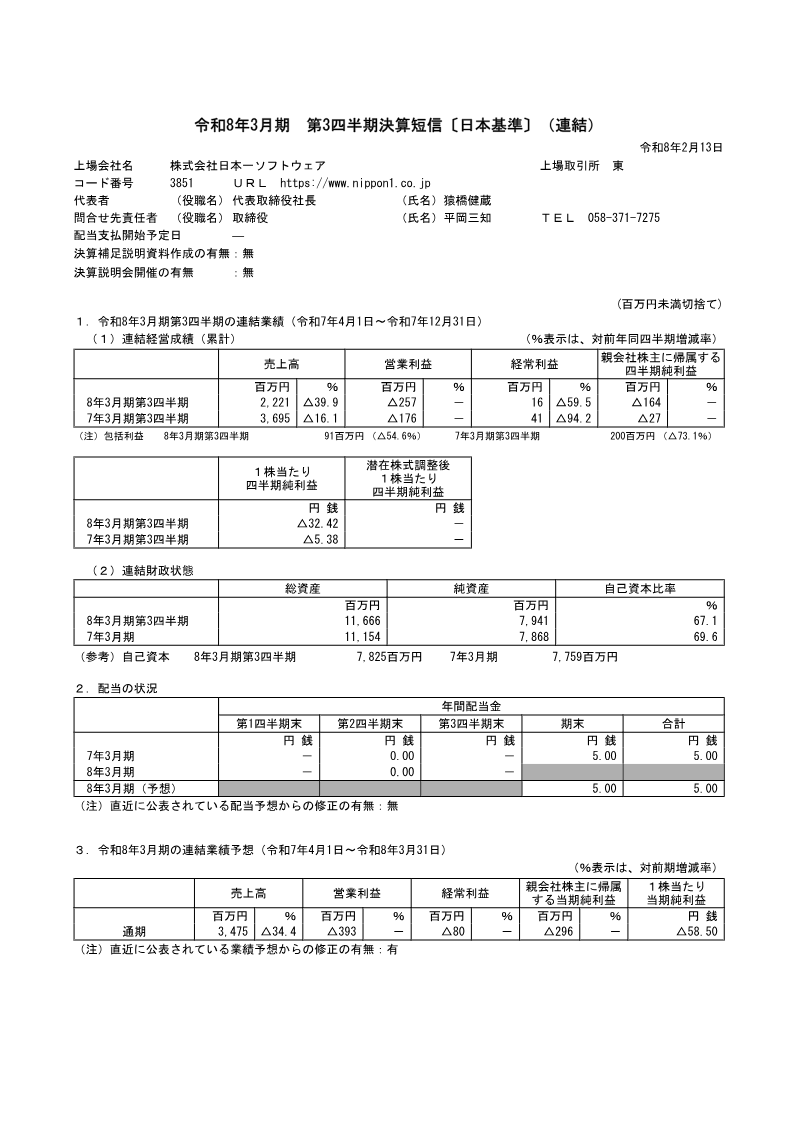
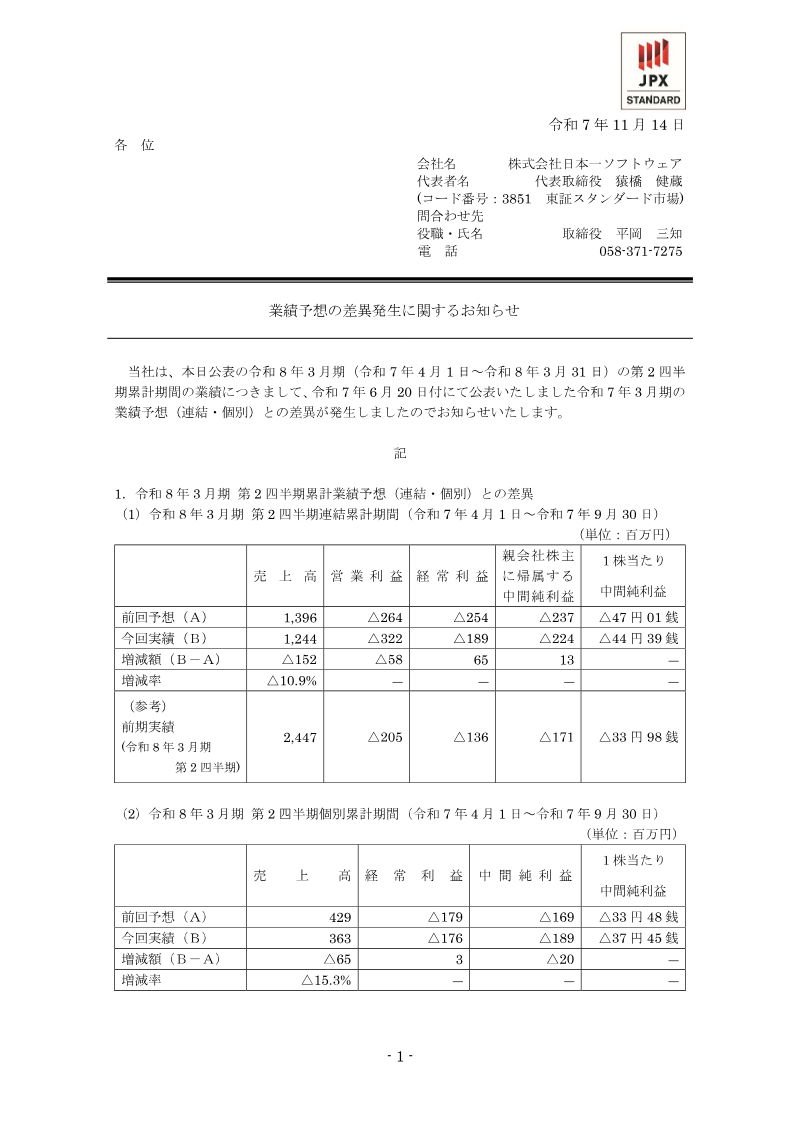
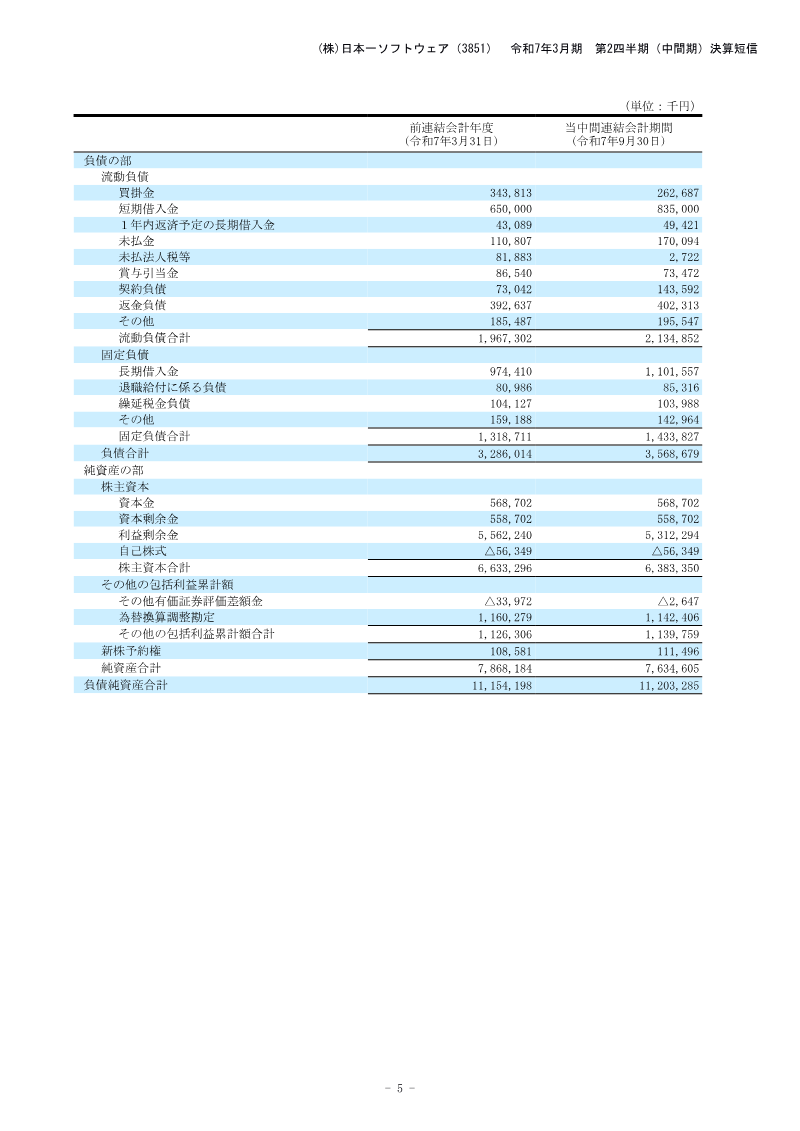
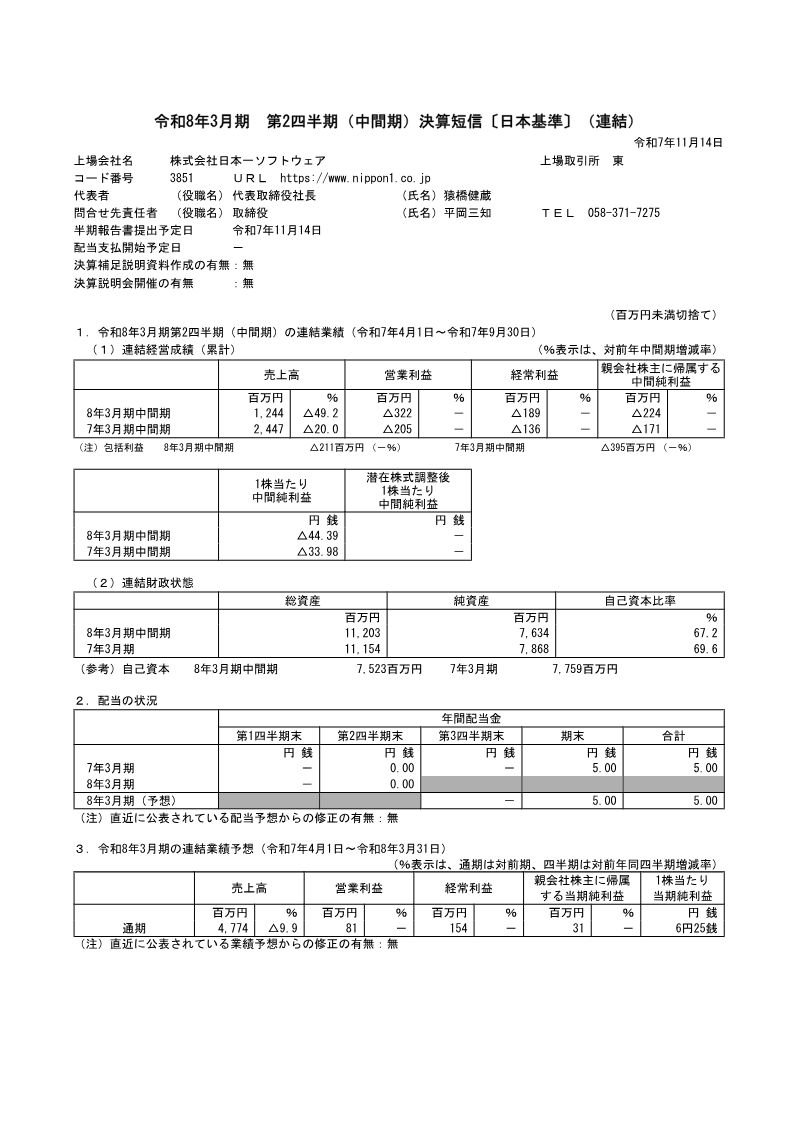
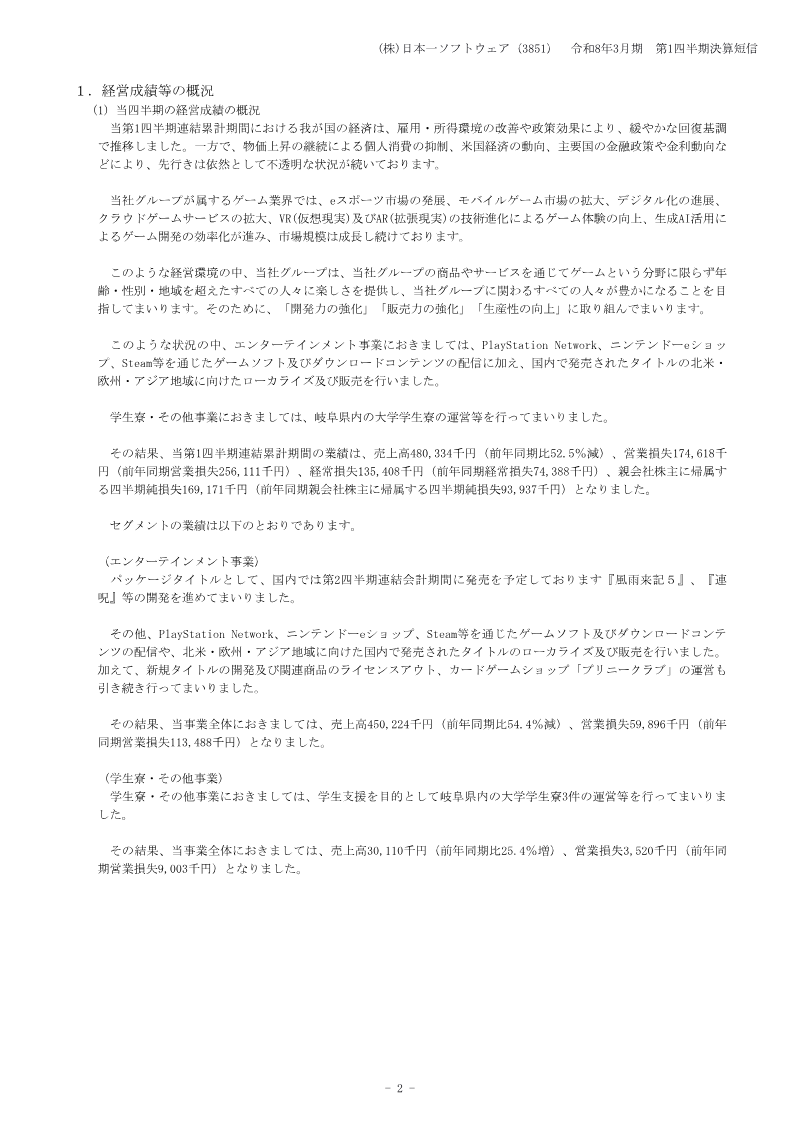
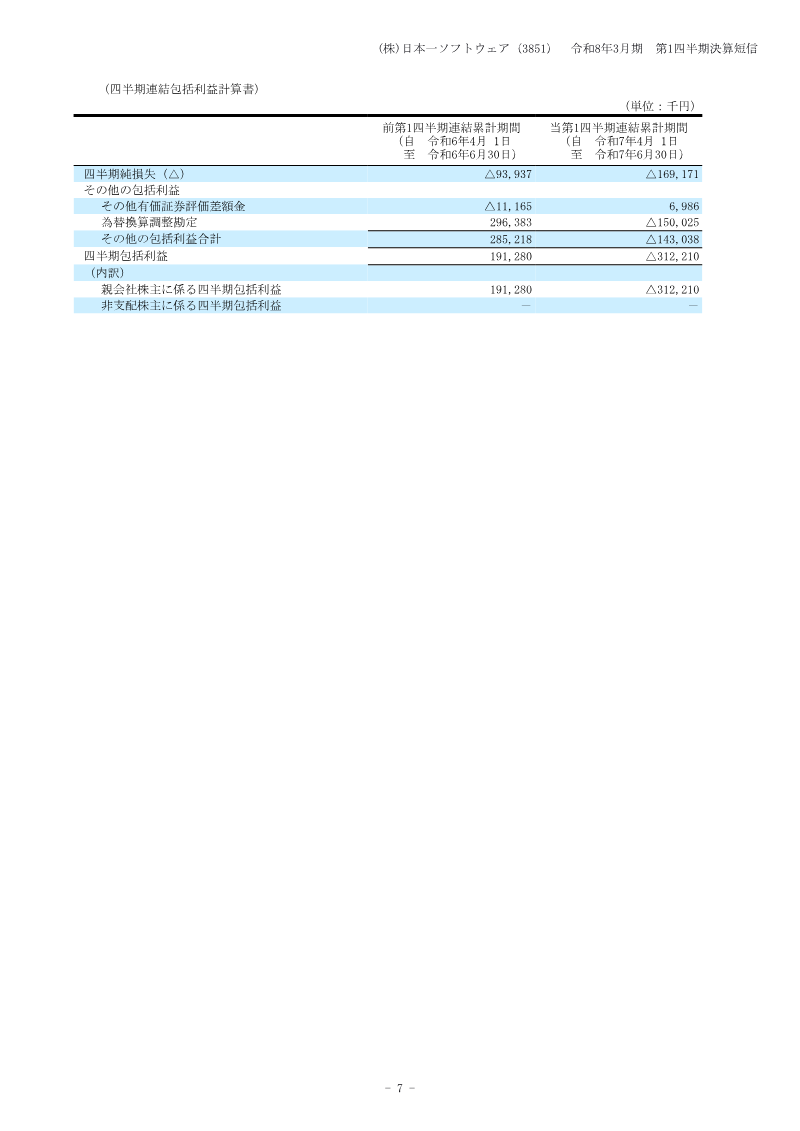
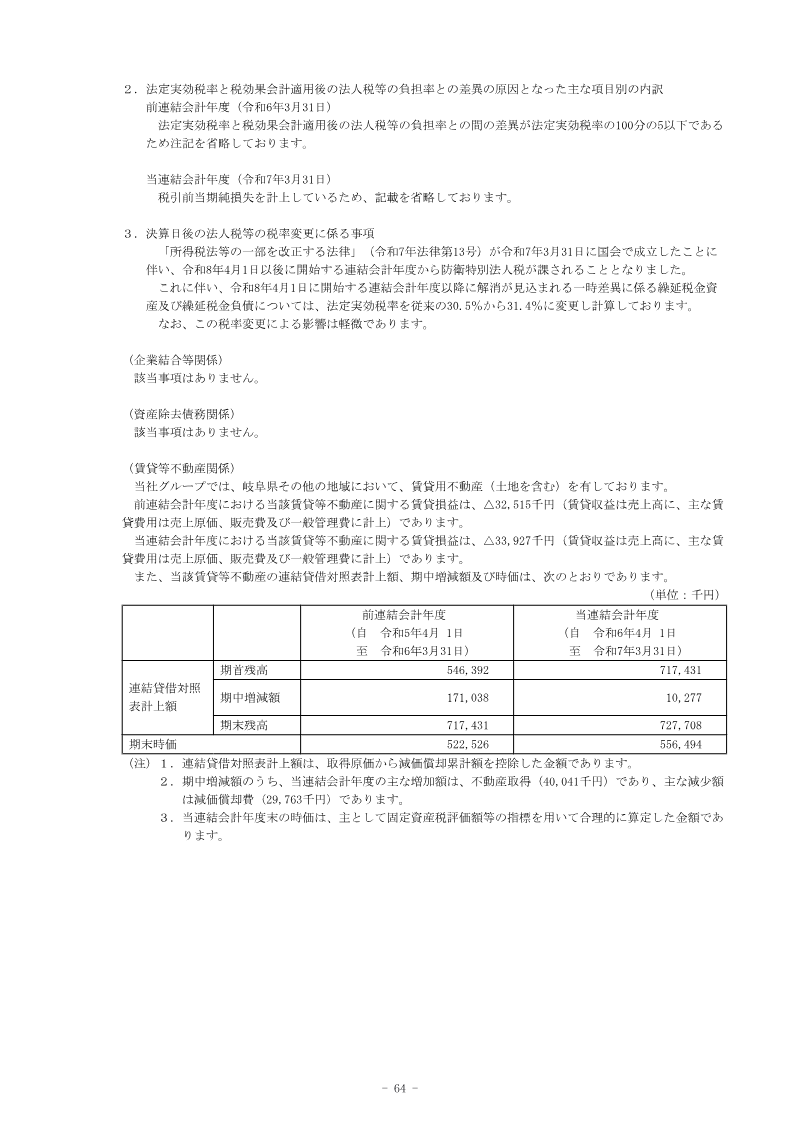
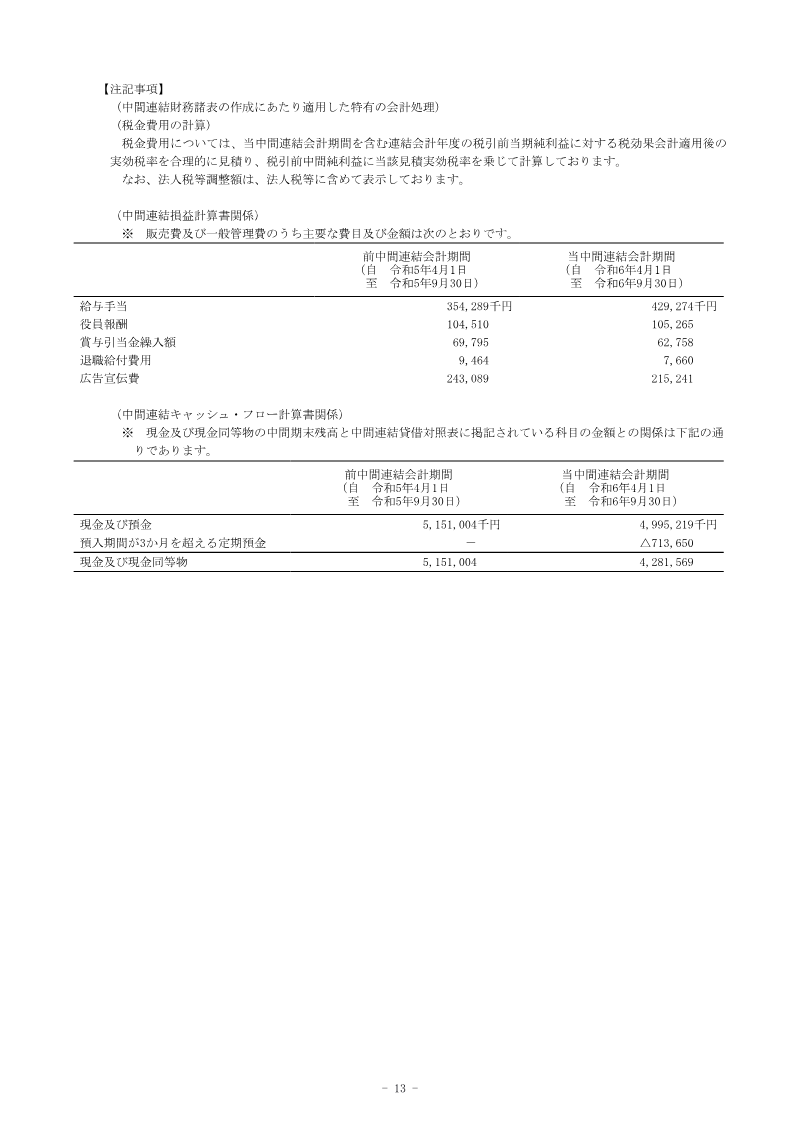
Nippon Ichi Software faced a challenging fiscal year ending March 31, 2026, characterized by a significant downturn in financial performance. Consolidated net sales fell to 3.6 billion yen, representing a 31.9 percent decline from the previous year’s 5.3 billion yen. This contraction in revenue, primarily driven by reduced sales of packaged entertainment titles, resulted in a consolidated operating loss of 409 million yen and a net loss of 255 million yen. Consequently, the company’s net assets decreased from approximately 3.26 billion yen to 2.89 billion yen over the course of the period.
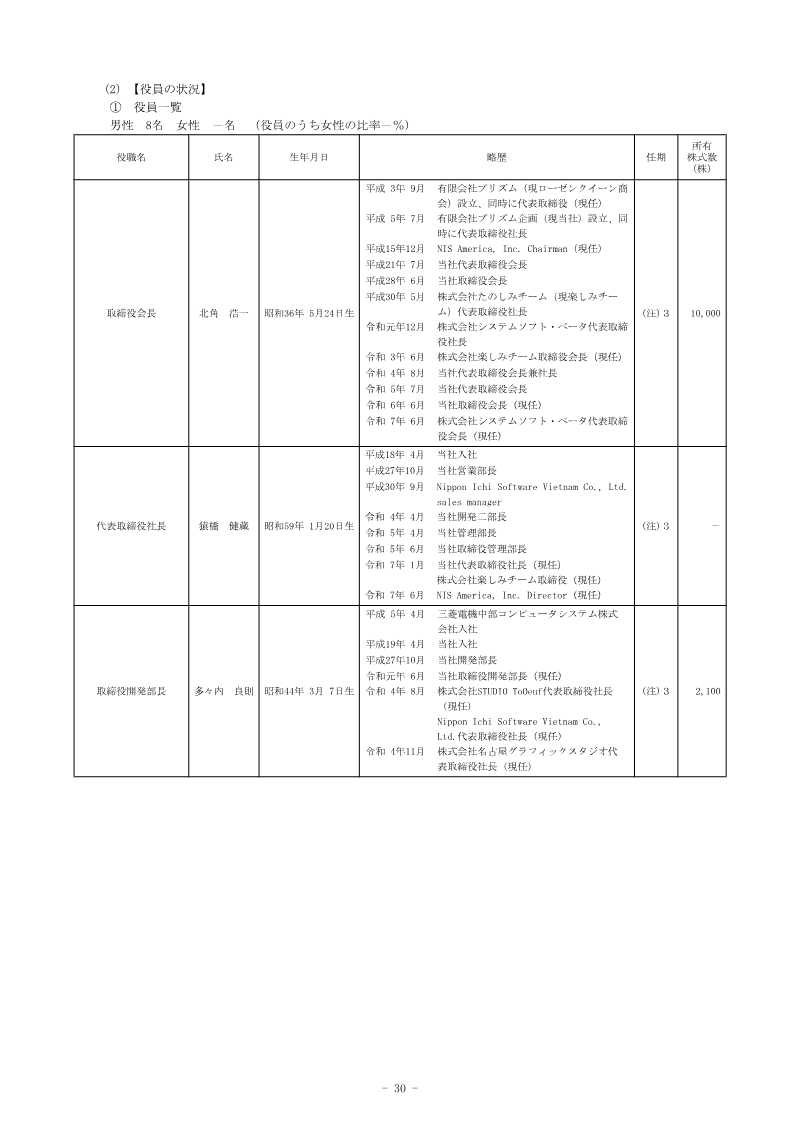
The company’s operational difficulties stem from a combination of internal constraints and broader market risks. Limited development capacity, a heavy reliance on specific popular intellectual property, and rising production costs have hindered growth. Furthermore, the firm faces ongoing exposure to foreign exchange volatility, regulatory shifts in international markets, and the inherent uncertainty of demand forecasting for game content. To address these issues, management has prioritized the enhancement of development and sales capabilities to improve overall productivity. Special losses were also incurred during this period, including impairment charges on business assets and retirement benefit provisions for overseas subsidiary executives.
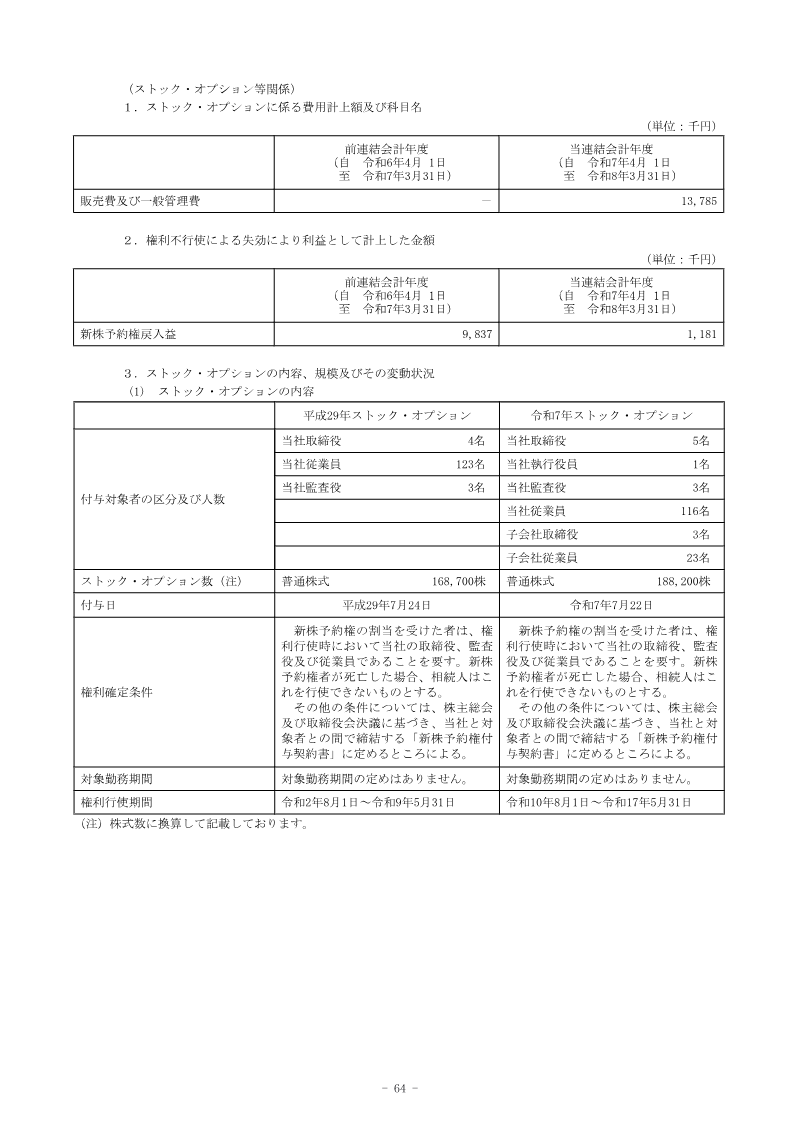
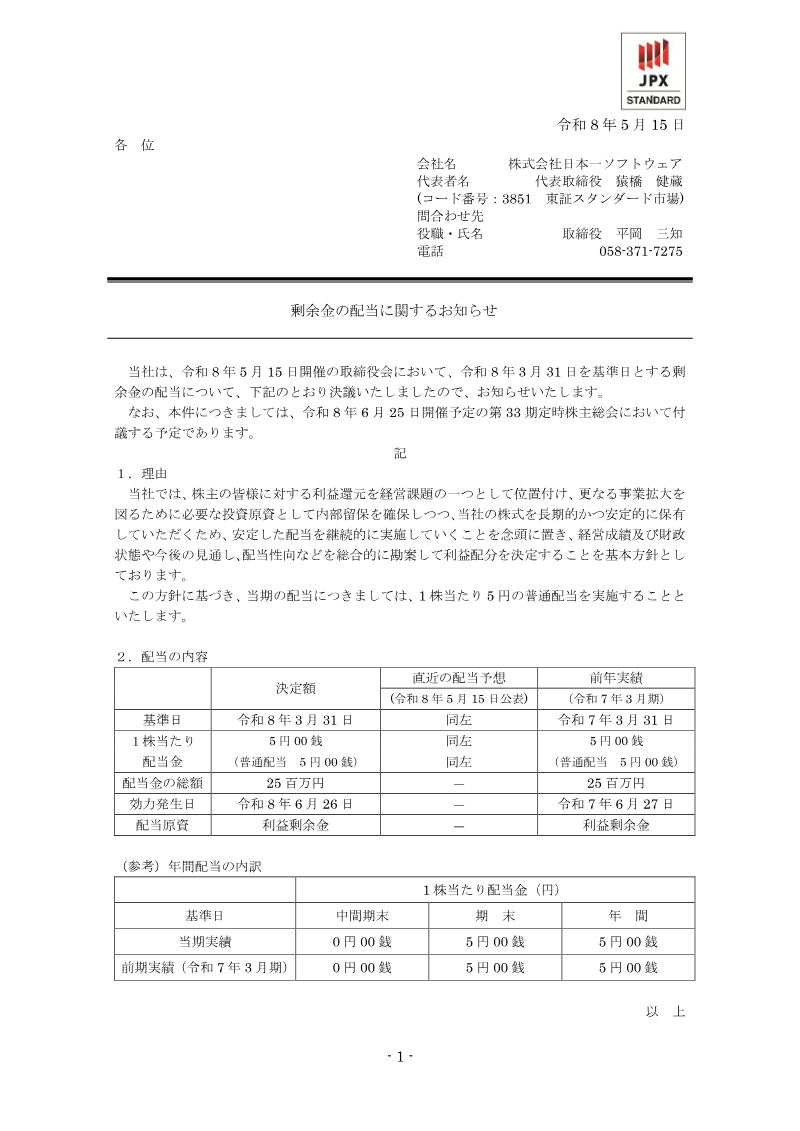
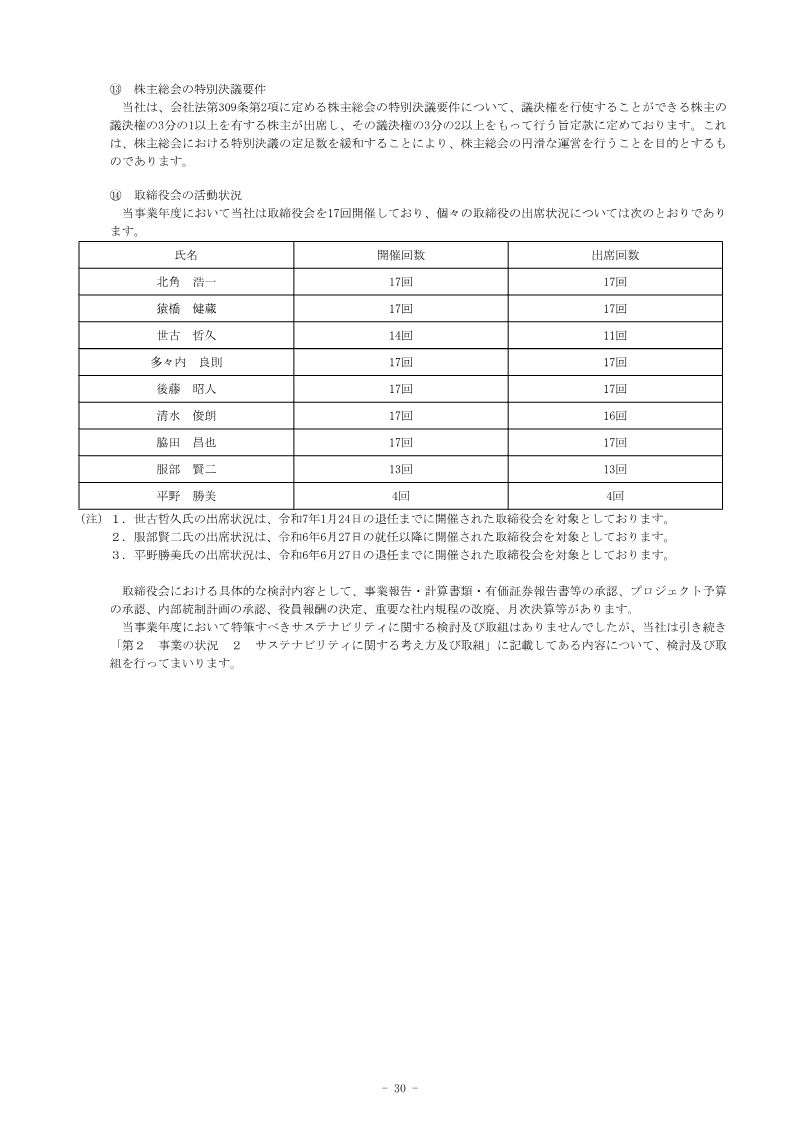
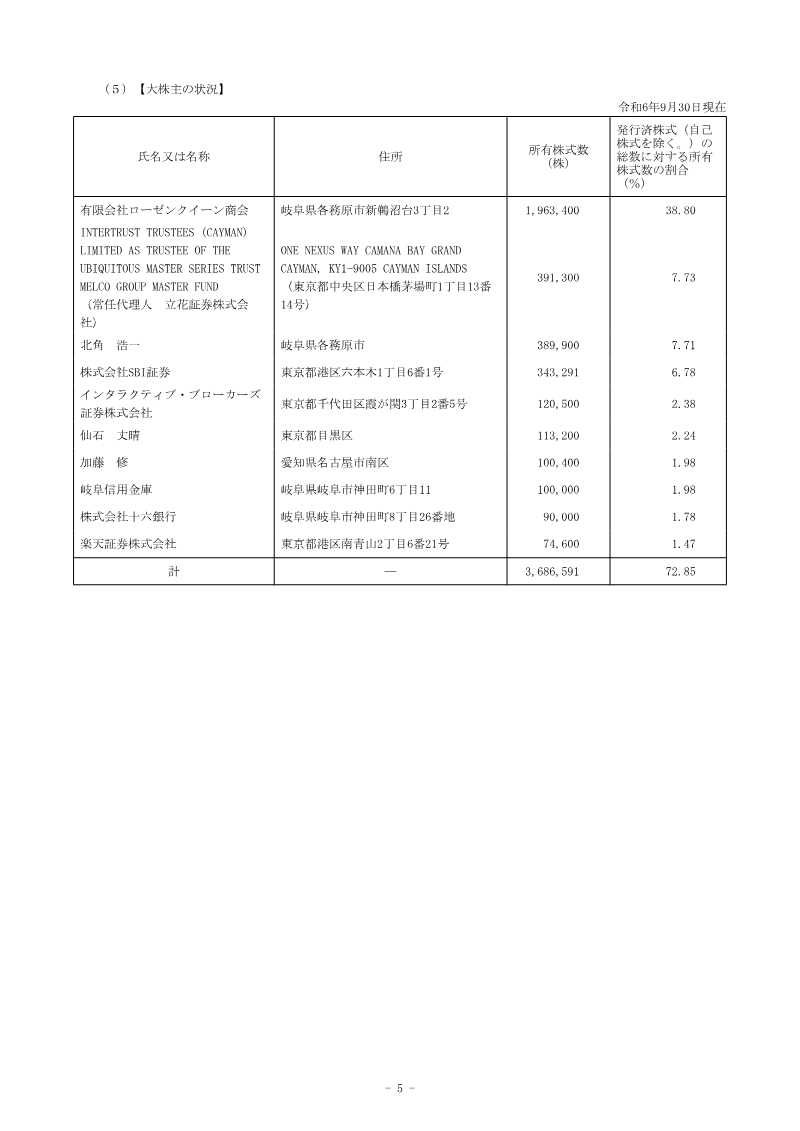
Despite these financial setbacks, the company maintains a stable corporate governance structure, supported by an audit board and internal control systems that have been deemed effective by external auditors. The firm continues to operate its core entertainment segment alongside its student dormitory business, while adhering to a policy of maintaining internal reserves and providing stable dividends, evidenced by a year-end dividend of 5 yen per share. While the audit firm identified the valuation of game software inventory and work-in-progress as a key audit matter due to market volatility, the financial statements were ultimately confirmed to be in compliance with Japanese accounting standards and provide a fair representation of the company's fiscal position.
Nippon Ichi Software · 2026
Nippon Ichi Software · 2026
Nippon Ichi Software · 2026
Nippon Ichi Software · 2026
Nippon Ichi Software · 2026
Nippon Ichi Software · 2026
Nippon Ichi Software · 2025
Nippon Ichi Software · 2025
Nippon Ichi Software · 2025
Nippon Ichi Software · 2025
Nippon Ichi Software · 2025
Nippon Ichi Software · 2024
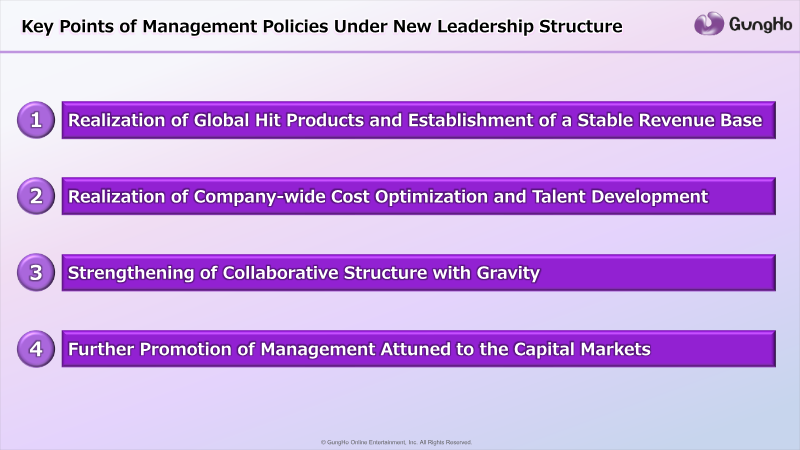


GungHo Online Entertainment · 2026

Deconstructor of Fun · 2024

The Game Business · 2026

Game Developers Conference · 2026

The Game Business · 2026

Jason Schreier · 2026
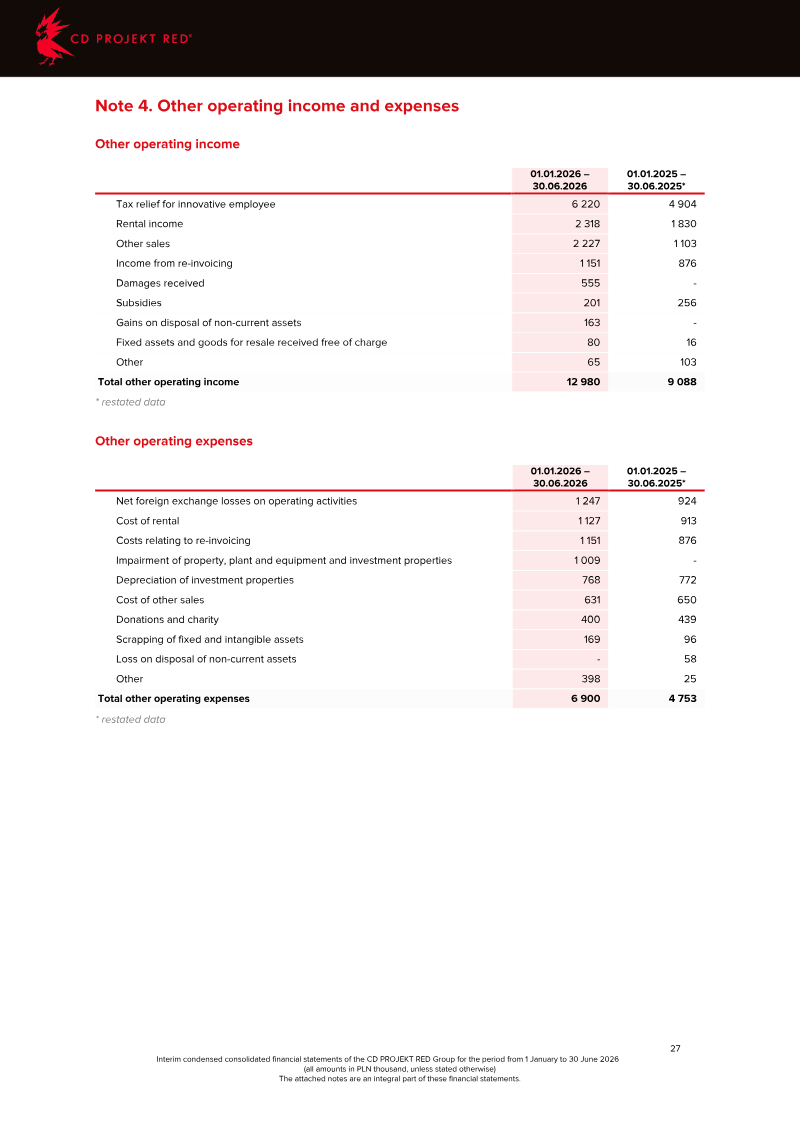
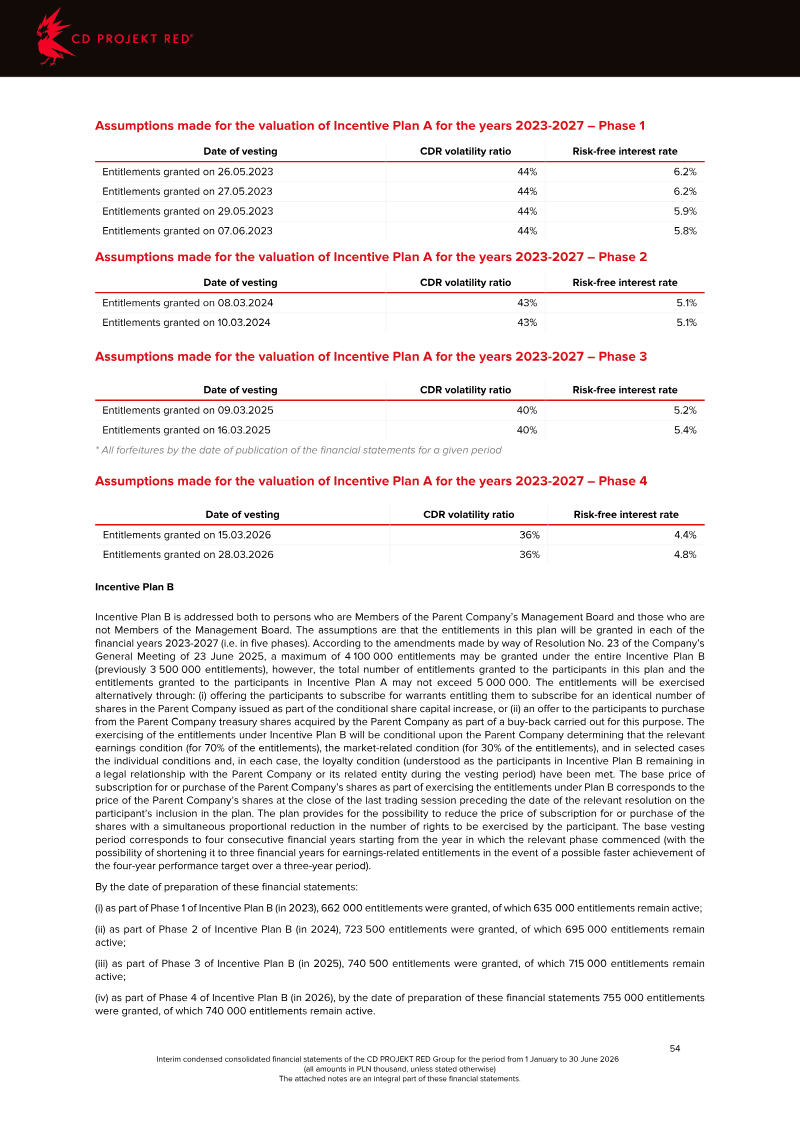

CD Projekt · 2026

PocketGamer.biz · 2026

The Game Business · 2026

Jason Schreier · 2026

Deconstructor of Fun · 2026

The Game Business · 2026
Comments