
Nintendo is currently experimenting with a $65 price point for select video game releases, marking a departure from the industry-standard pricing tiers of $60, $70, and $80. This strategy has been observed in 2026 with the release of enhanced Switch 2 editions of previously established titles, specifically Animal Crossing: New Horizons and Xenoblade Chronicles X Definitive Edition. By positioning these upgrades at a $5 premium over their original $60 retail price, the company is testing consumer appetite for incremental technical improvements that lack significant new content.
This pricing approach reflects a broader "variable pricing" strategy, where the company evaluates the value of a title based on gameplay depth, durability, and repeatability rather than adhering to a rigid industry-wide structure. Previously, the company has utilized a range of upgrade models, including free technical updates, $20 content-heavy expansion packs, and a $10 premium for titles released simultaneously on both the original Switch and the Switch 2. The introduction of the $65 price point suggests an attempt to find a middle ground for re-released software that offers graphical and performance enhancements without the substantial development costs associated with entirely new games.
The shift occurs within a volatile market environment where publishers are navigating plateauing sales and varying consumer expectations regarding the value of premium software. While competitors have largely coalesced around the $70 price point for current-generation titles, the move to $65 highlights a nuanced effort to monetize legacy intellectual property through iterative hardware-specific upgrades. By diversifying its pricing tiers, the company continues to refine its approach to balancing technical performance with consumer-facing value propositions.
Game File · 2026
Game File · 2026
Game File · 2026
Game File · 2026
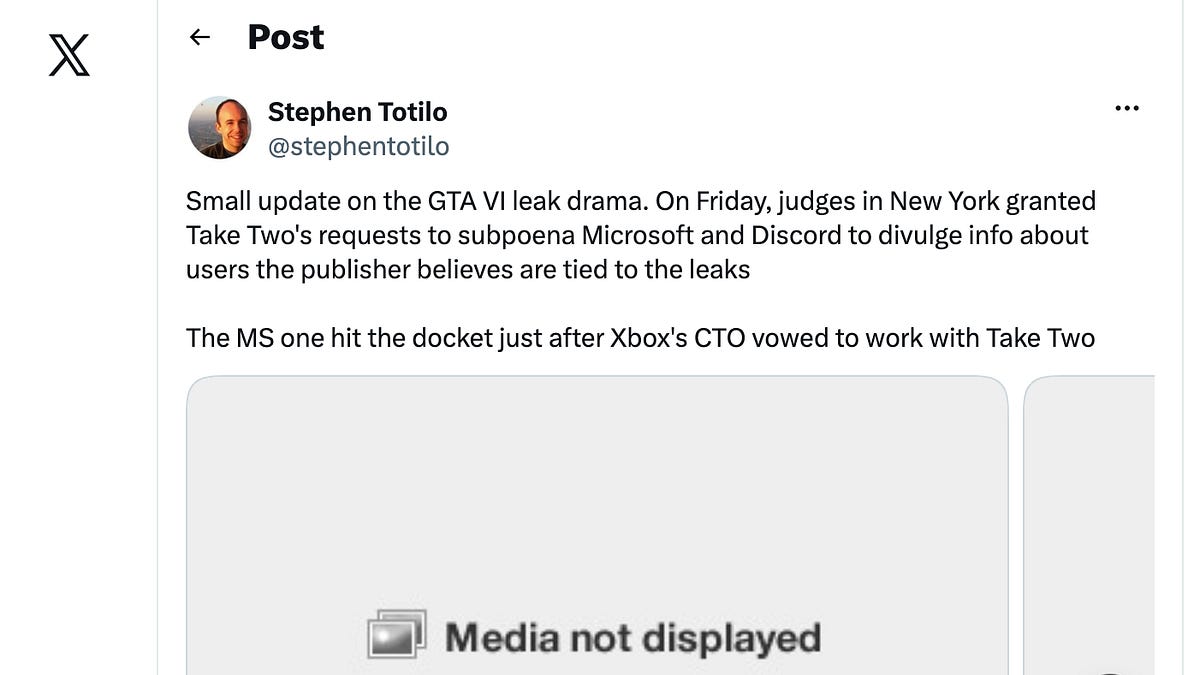
Game File · 2026

Game File · 2026
Game File · 2026
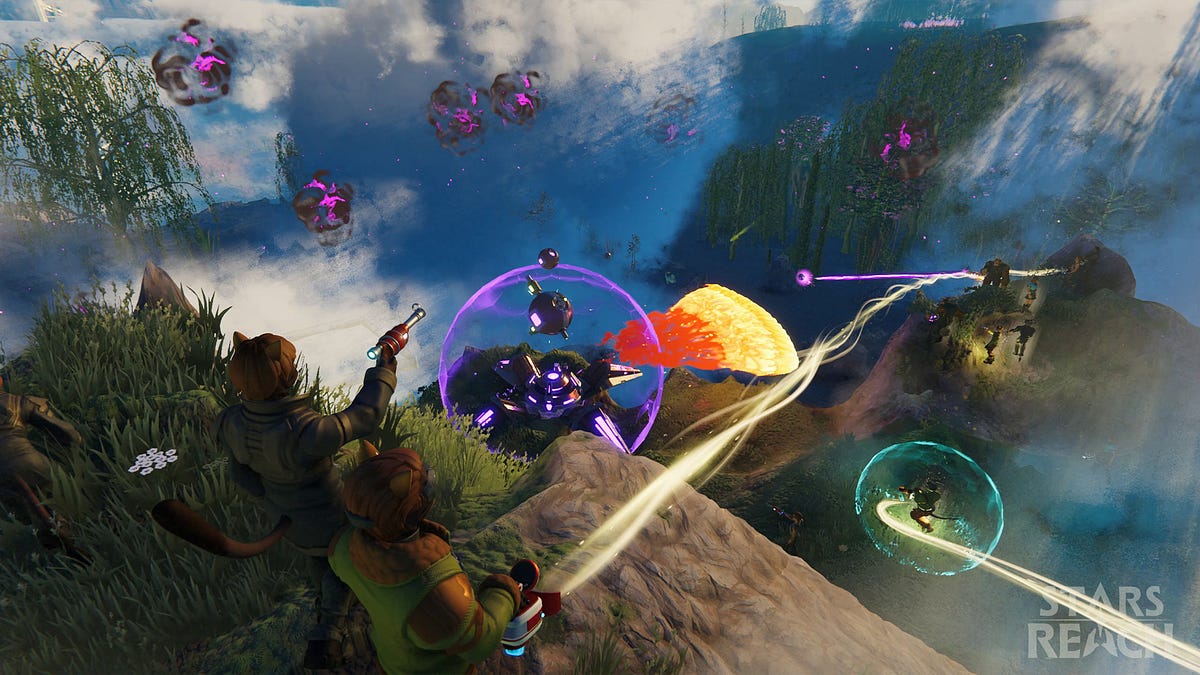
Game File · 2026
Game File · 2026
Game File · 2026

Game File · 2026
Game File · 2026
Bandai Namco · 2021
Newzoo · 2026

Coda · 2026
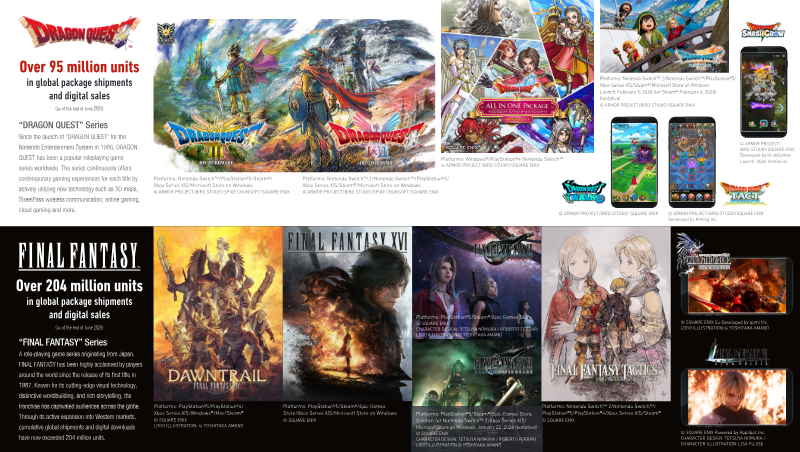
Square Enix · 2025
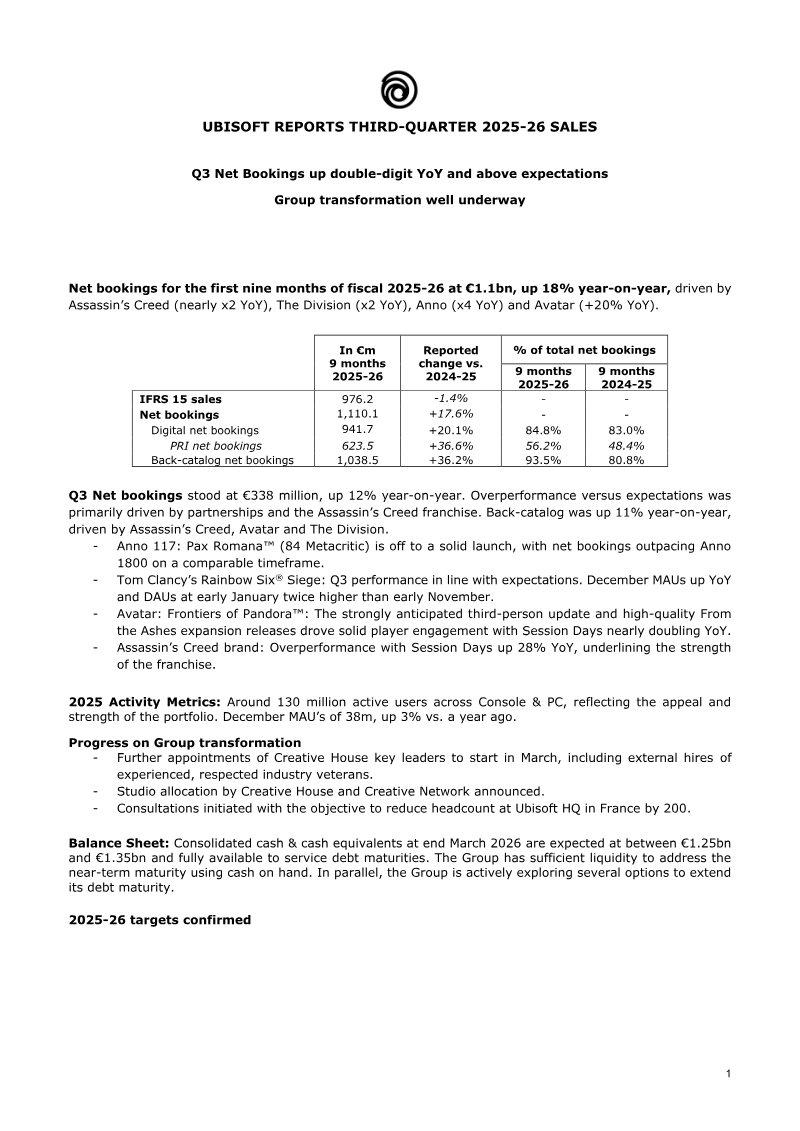
Ubisoft · 2025

Nintendo · 2025

Koei Tecmo · 2024

Sony Group · 2024
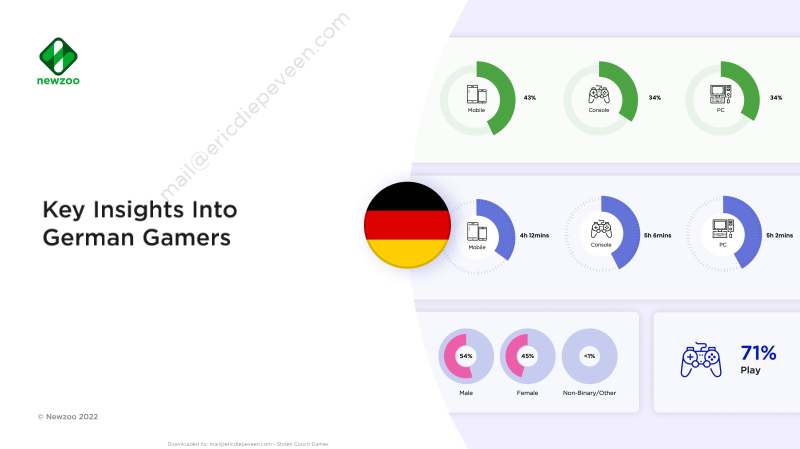
Newzoo · 2022

data.ai · 2018

Bandai Namco · 2017
GREE · 2014