1 free read left. Create a free account for unlimited reading + AI research.
Create free accountWhitepaperInternational Journal of Role-Playing
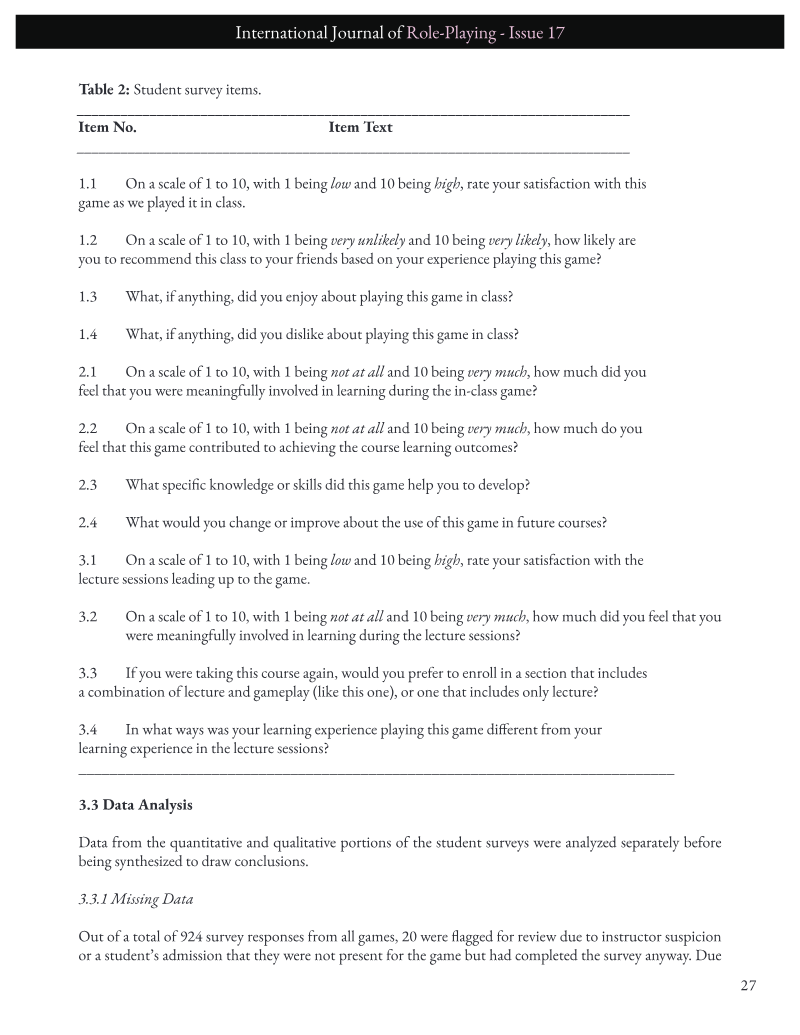
A survey of 924 undergraduate students showed a preference for the comfort of traditional lectures.
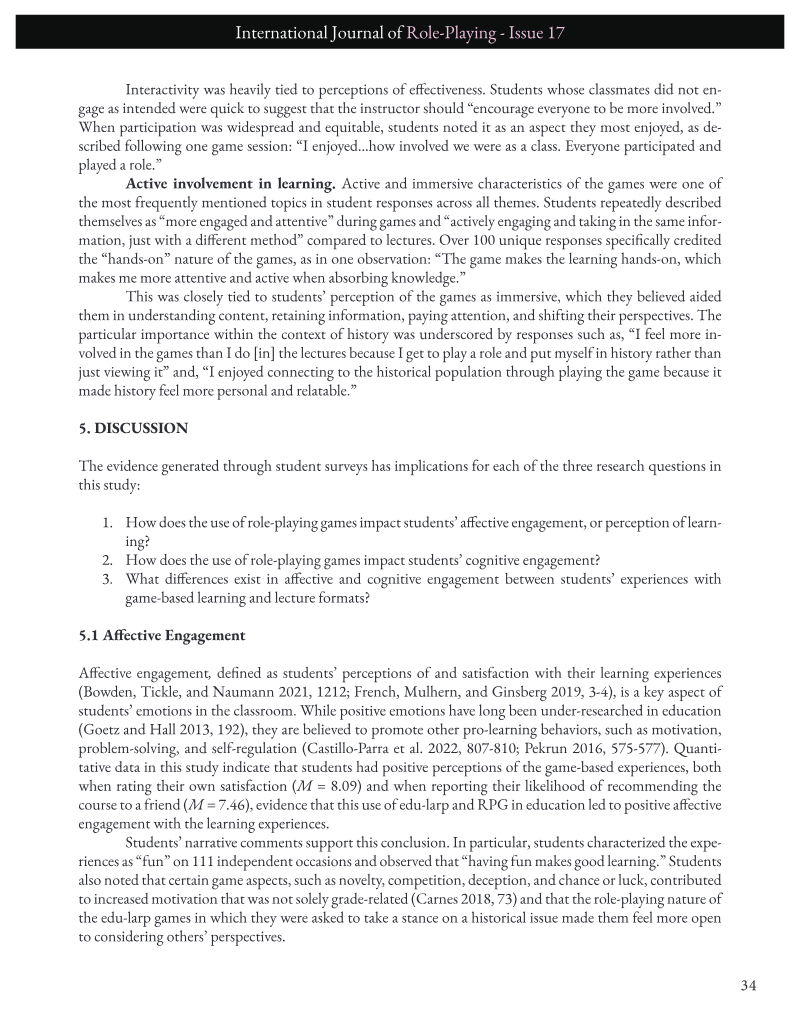
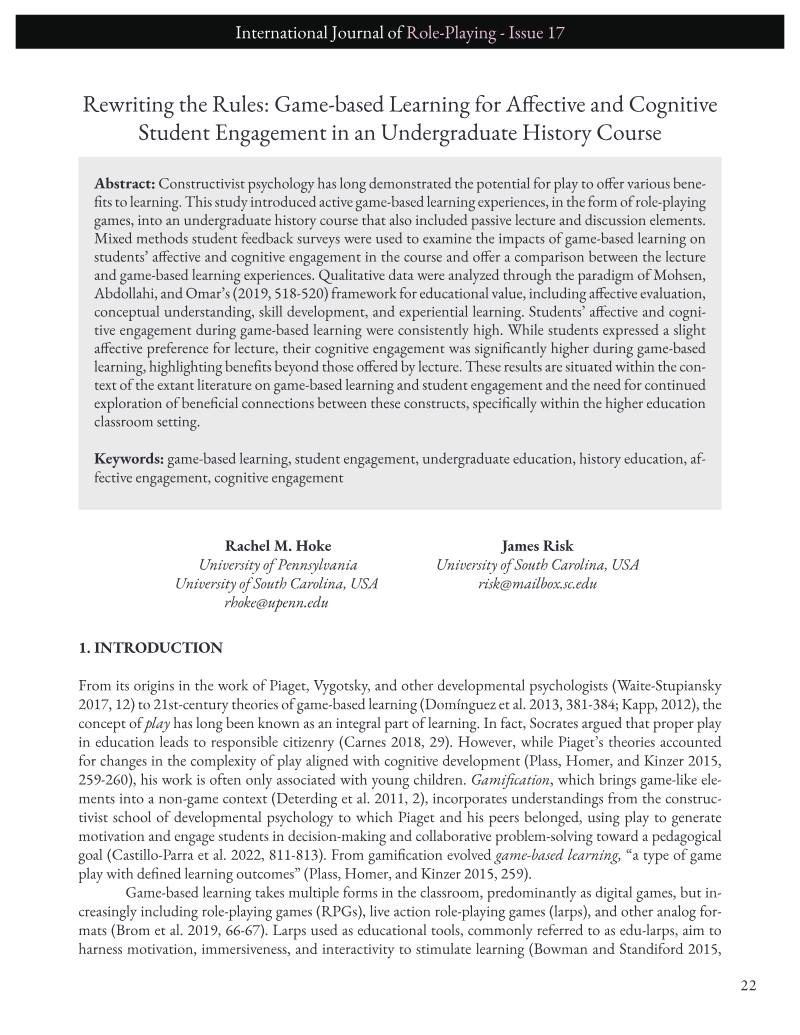
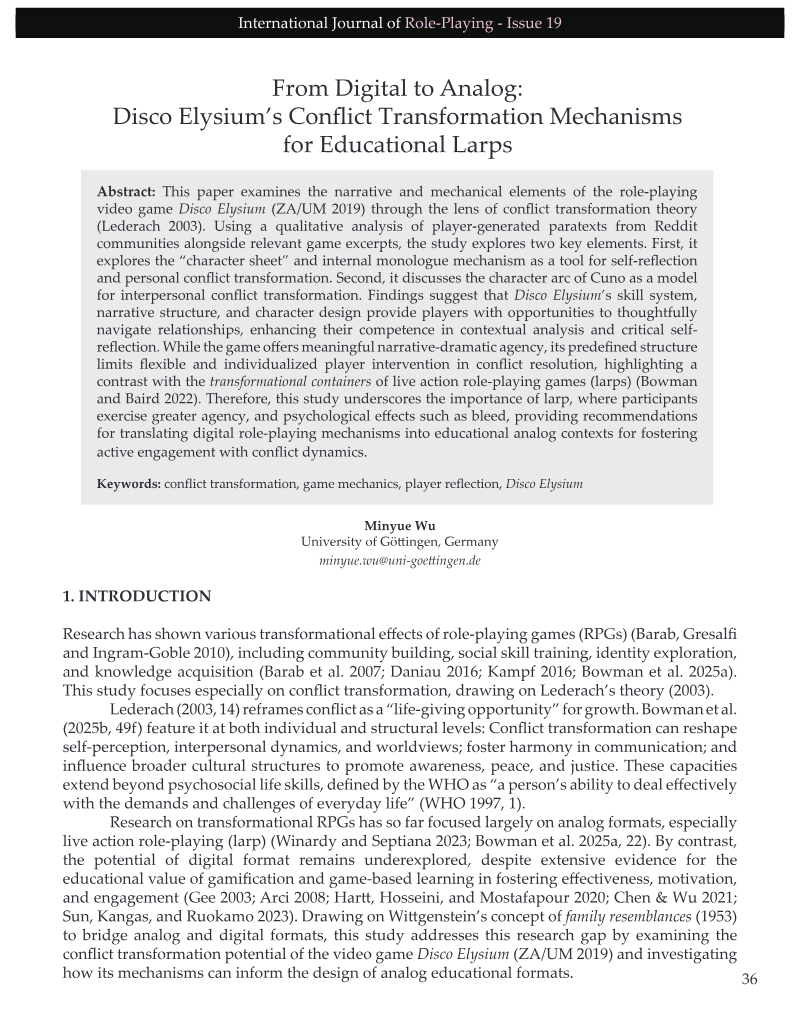
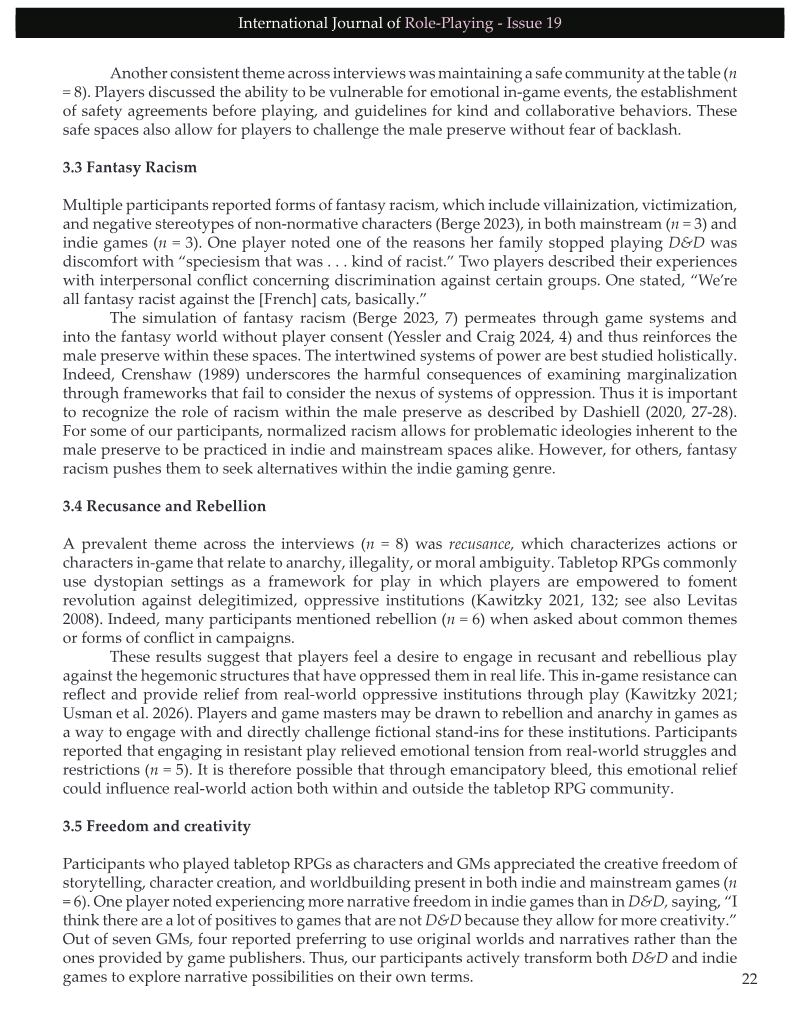
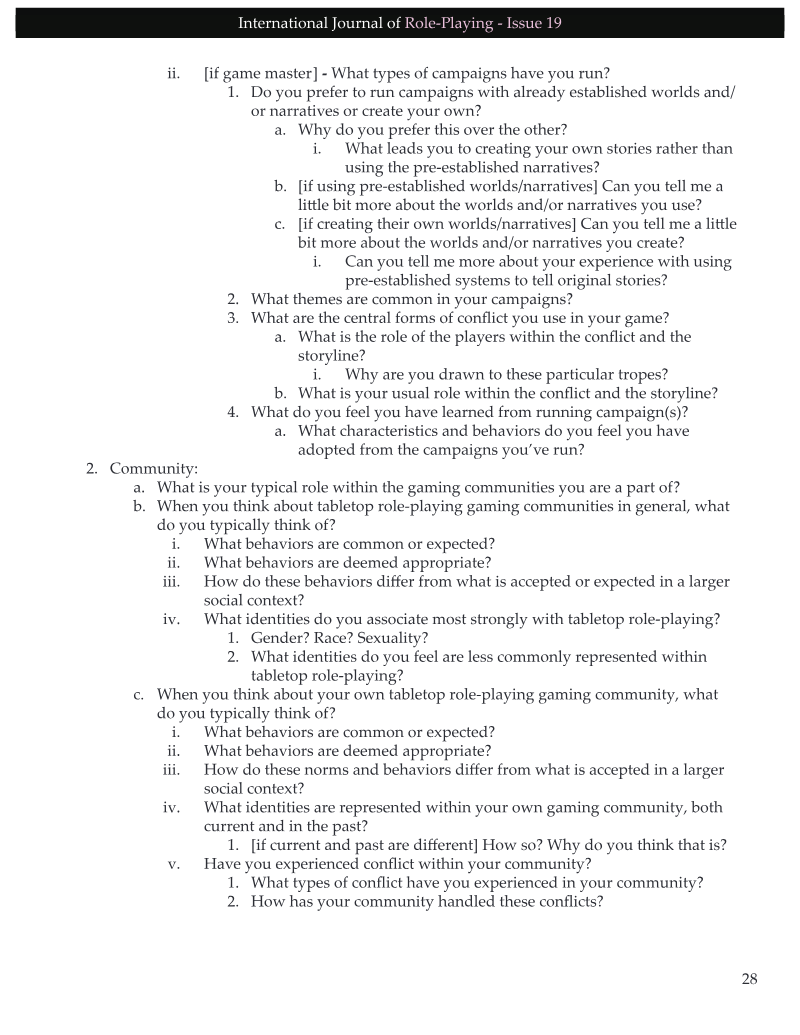
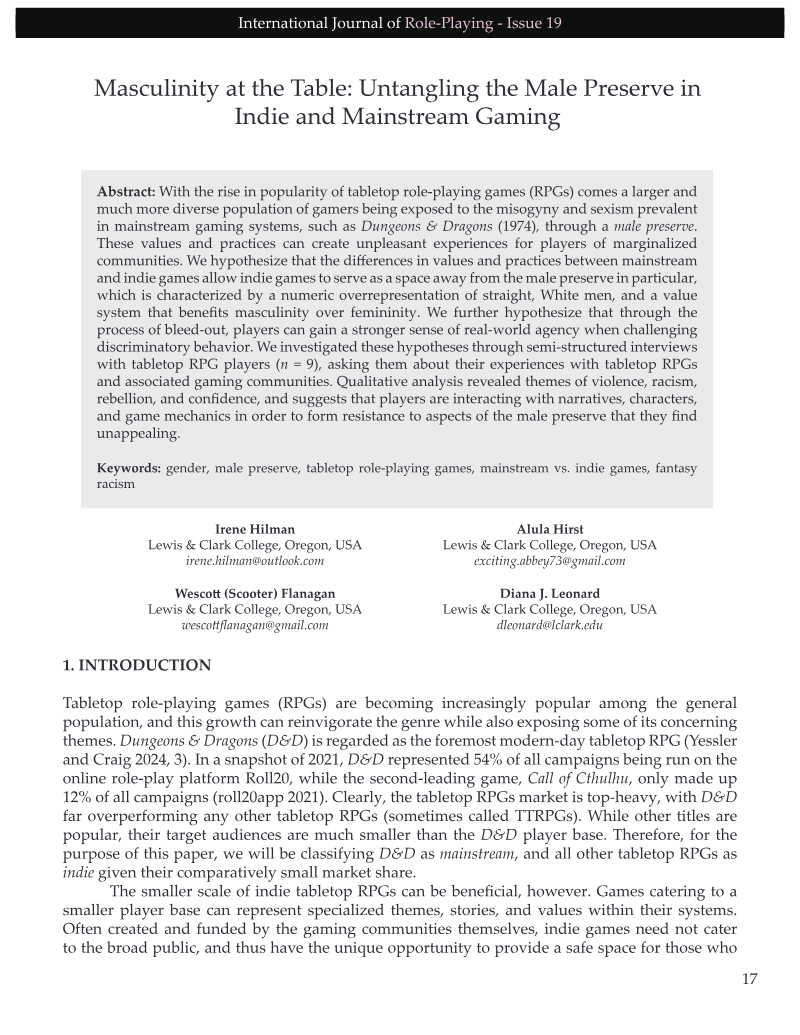
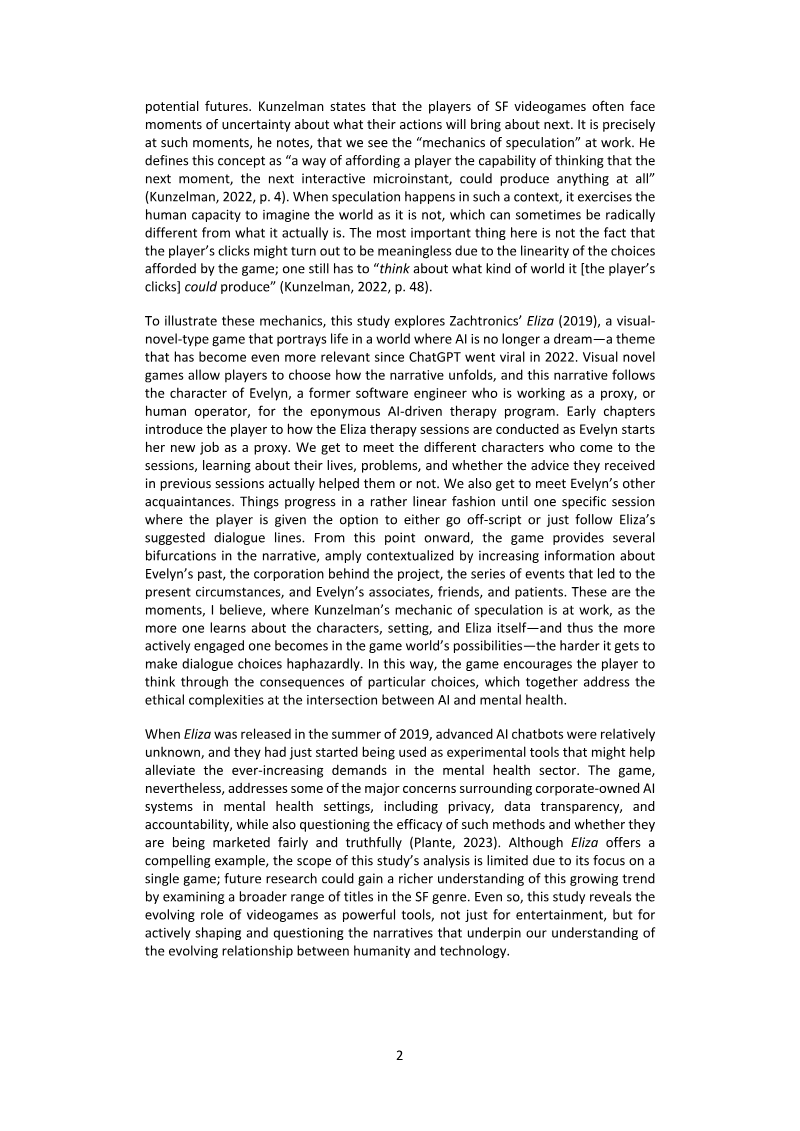
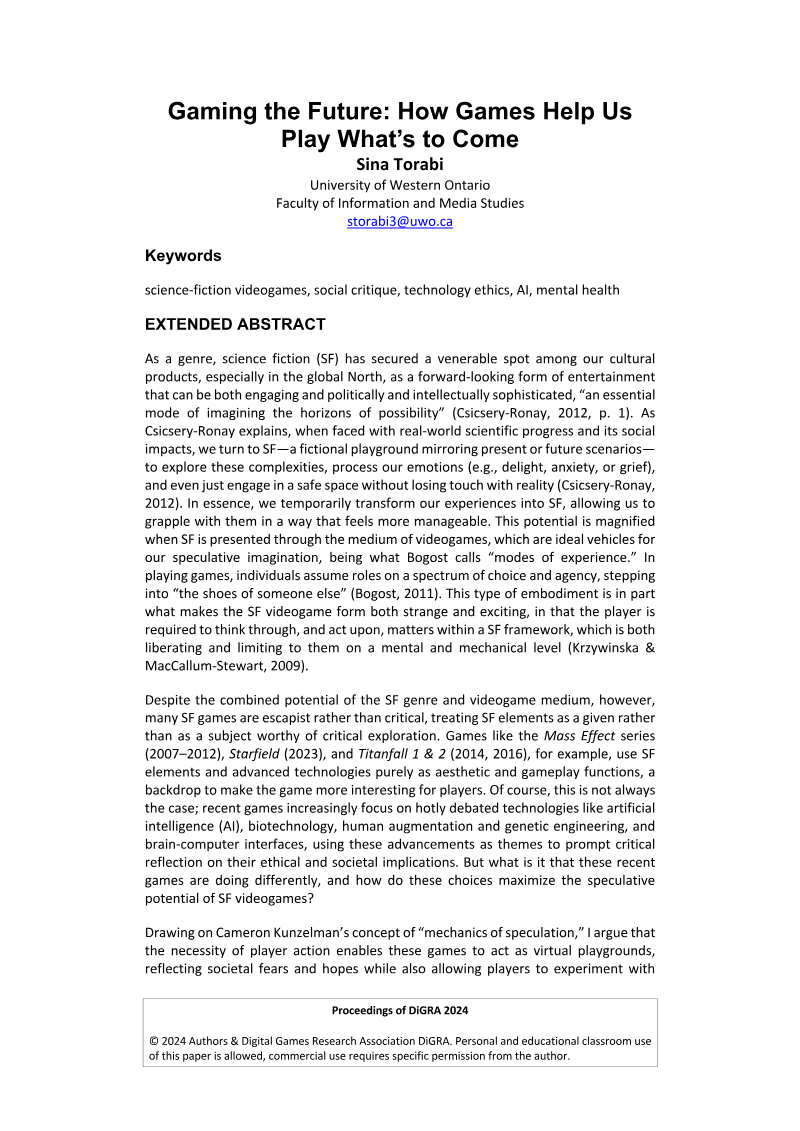
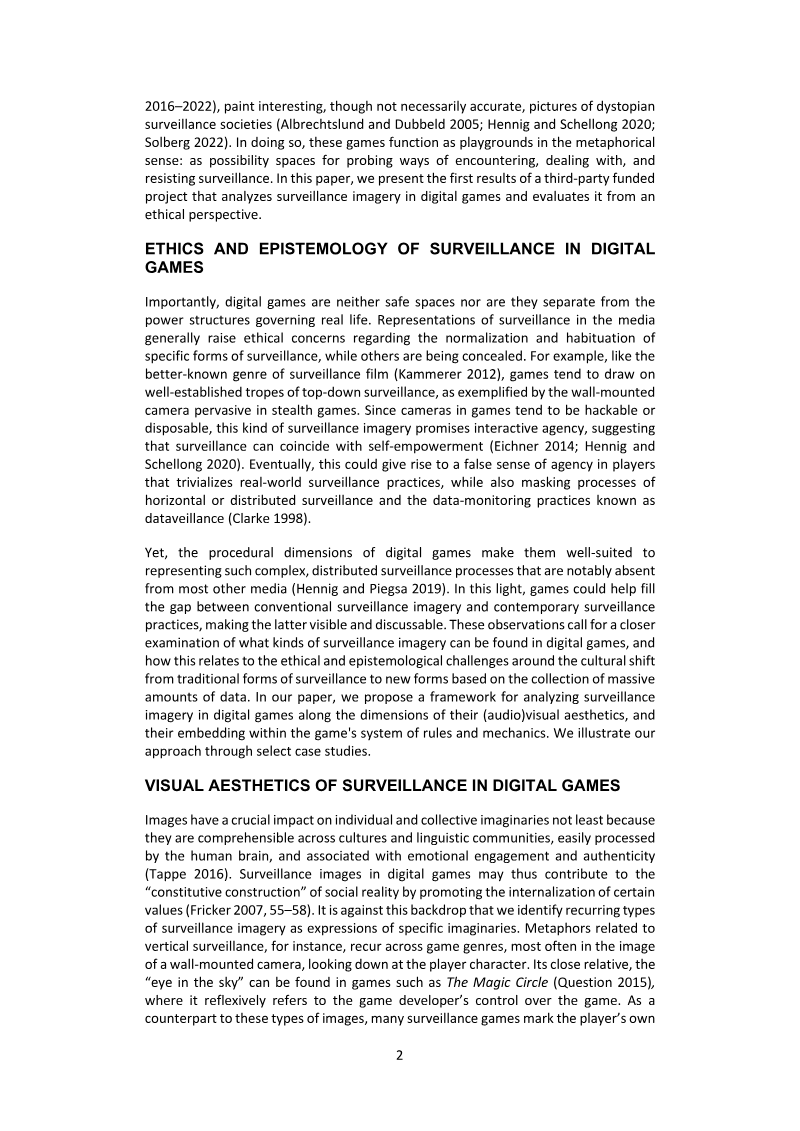
Integrating role-playing games and educational live-action role-playing games into undergraduate history curricula serves as a powerful pedagogical strategy for enhancing student engagement. By shifting from passive lecture-based instruction to immersive, interactive experiences, educators can foster deeper cognitive involvement and skill development. This approach prioritizes active participation, allowing students to cultivate critical thinking, collaboration, and executive function through hands-on application of course material.
Quantitative and qualitative data derived from a survey of 924 undergraduate students reveal a nuanced dichotomy between student preference and learning efficacy. Although participants reported a slight affective preference for the comfort and familiarity of traditional lectures, they consistently demonstrated significantly higher levels of cognitive engagement during game-based sessions. The findings indicate that while passive instruction remains popular, game-based learning is superior for promoting conceptual understanding, perspective-taking, and personal connection to complex historical subjects.
Ultimately, the evidence suggests that game-based learning functions most effectively as a complement to traditional instruction rather than a total replacement. By leveraging the immersive nature of role-playing, educators can bridge the gap between theoretical knowledge and practical application. Future research should focus on refining assessment instruments to mitigate self-reporting biases and investigating the specific role of post-game debriefing sessions in solidifying learning outcomes. These insights provide a clear framework for institutions seeking to modernize their teaching methodologies to better meet the demands of contemporary student engagement.
International Journal of Role-Playing · 2026
International Journal of Role-Playing · 2026



International Journal of Role-Playing · 2026
International Journal of Role-Playing · 2026

International Journal of Role-Playing · 2026



International Journal of Role-Playing · 2026
International Journal of Role-Playing · 2026
International Journal of Role-Playing · 2026
International Journal of Role-Playing · 2026
International Journal of Role-Playing · 2026
International Journal of Role-Playing · 2026
International Journal of Role-Playing · 2026
Eludamos: Journal for Computer Game Culture · 2025










Comments