Loading the document
1 free read left. Create a free account for unlimited reading + AI research.
Create free accountWhitepaperIFIP International Conference on Entertainment Computing (ICEC)
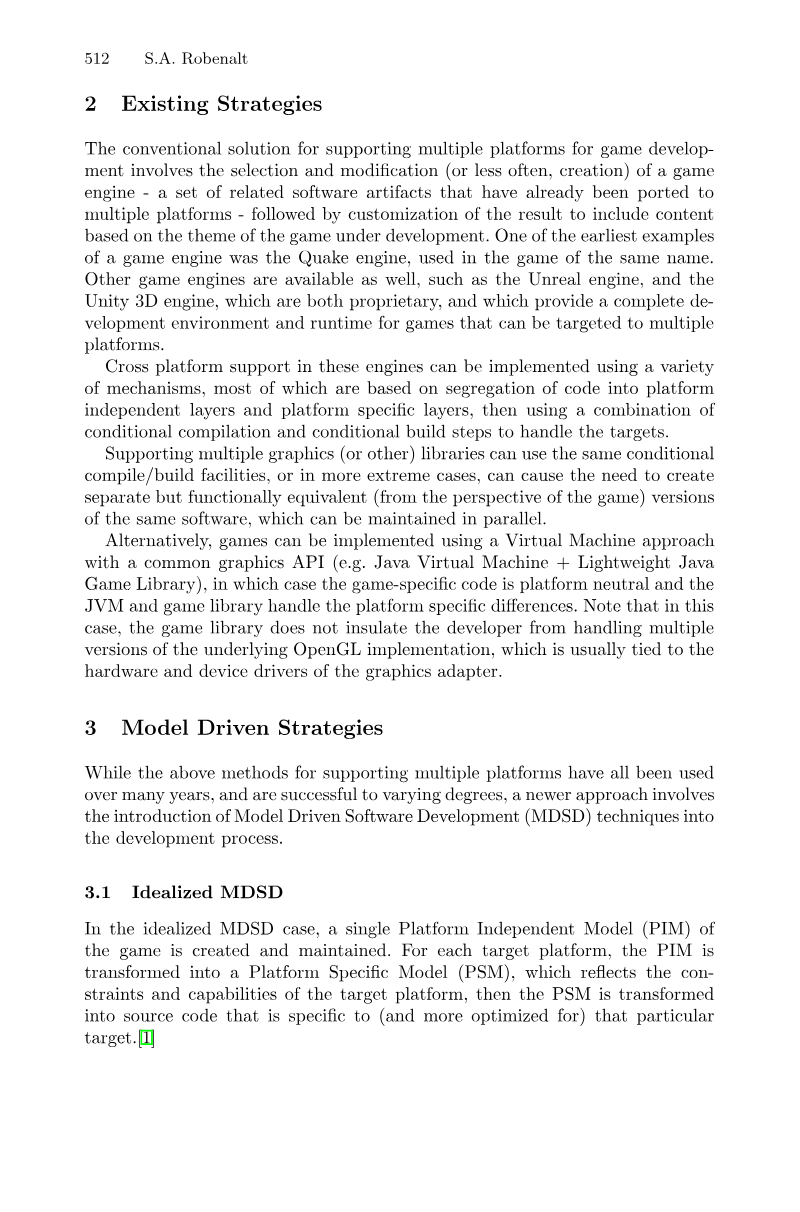
Supporting diverse operating systems, programming languages, and graphics APIs requires significant manual effort, impacting code consistency and quality.
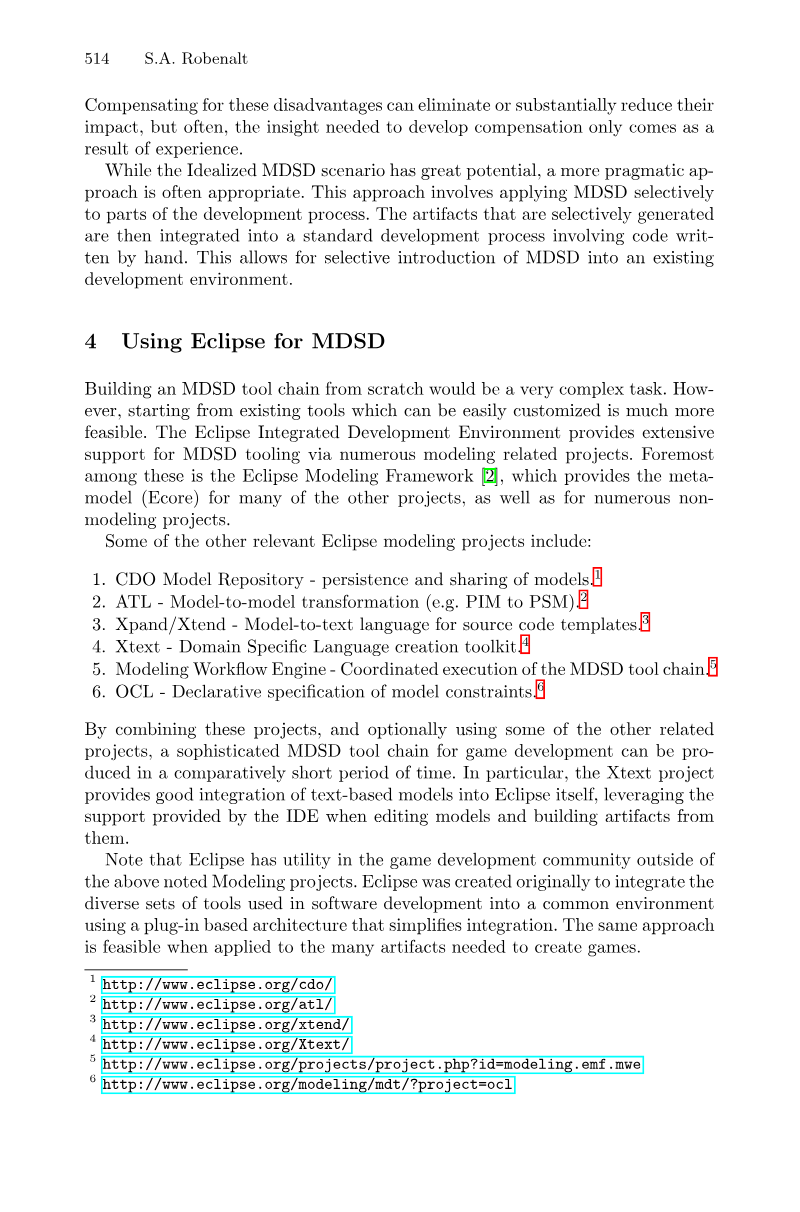
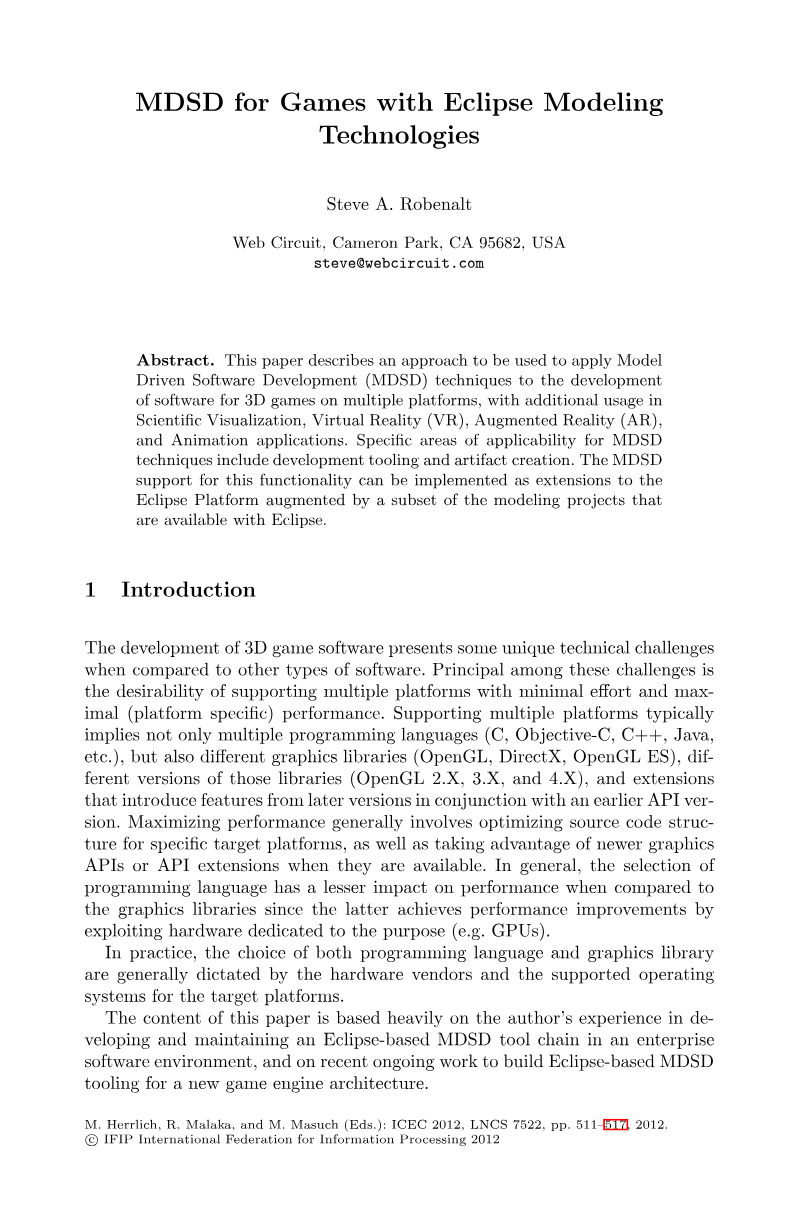
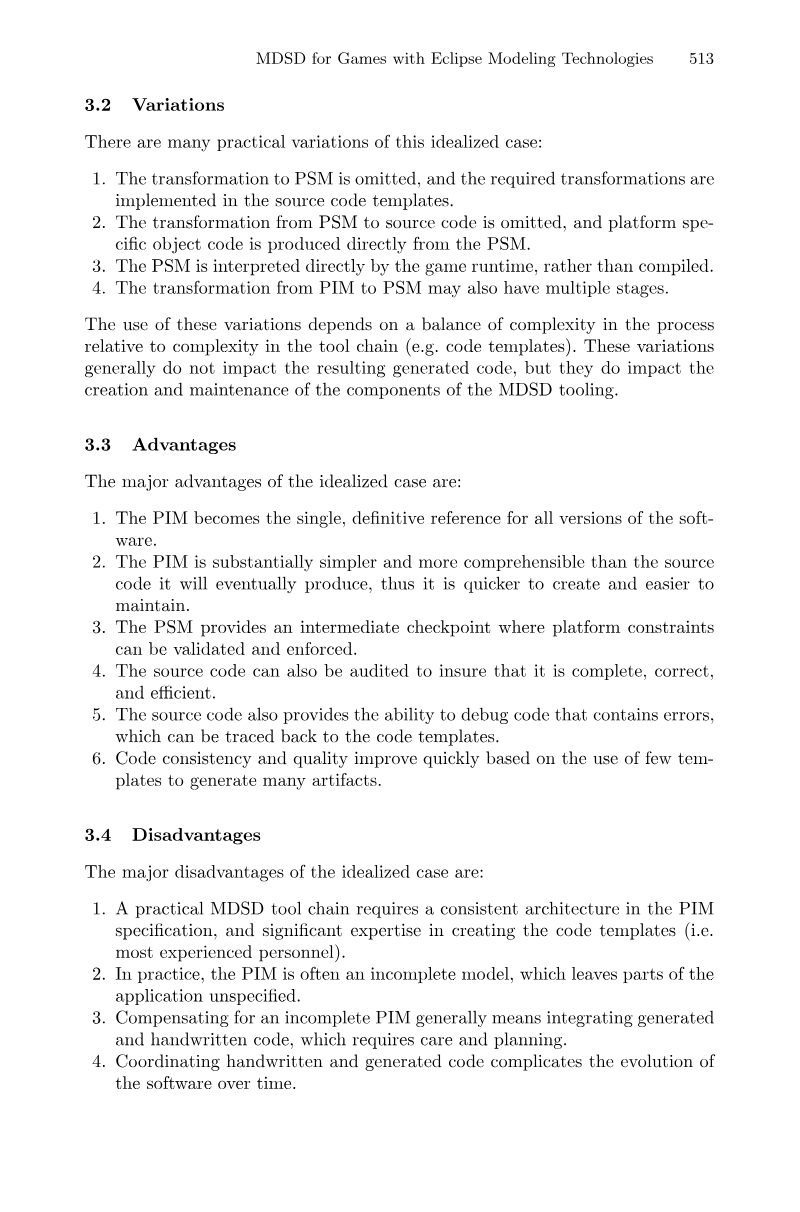
The application of Model Driven Software Development (MDSD) to 3D game development offers a strategic solution to the industry’s persistent challenge of cross-platform compatibility. By utilizing a Platform Independent Model (PIM) as a single, definitive source of truth, developers can automate the generation of platform-specific code, thereby reducing the manual effort required to support diverse operating systems, programming languages, and graphics APIs. This approach aims to improve code consistency, enhance quality, and streamline the maintenance of complex game architectures.
The methodology centers on leveraging the Eclipse Modeling Framework and its associated ecosystem, including tools such as Xtext for domain-specific language creation, ATL for model-to-model transformations, and Xpand/Xtend for model-to-text code generation. By integrating these technologies, developers can build a sophisticated tool chain that handles the translation of high-level game requirements—such as geometry, lighting, and animation—into optimized, platform-specific artifacts. This framework is particularly effective for managing shader programs, where MDSD can simplify the targeting of multiple graphics API versions and hardware configurations.
While the idealized MDSD model provides significant advantages in efficiency and auditability, the analysis acknowledges practical hurdles, such as the need for high-level expertise in template creation and the complexity of integrating generated code with handwritten components. Consequently, a pragmatic, selective implementation of MDSD is recommended, allowing teams to augment existing development workflows rather than replacing them entirely. By adopting these modeling techniques, the game industry can achieve greater agility and performance, mirroring the successful outcomes observed in enterprise and mobile software development sectors.

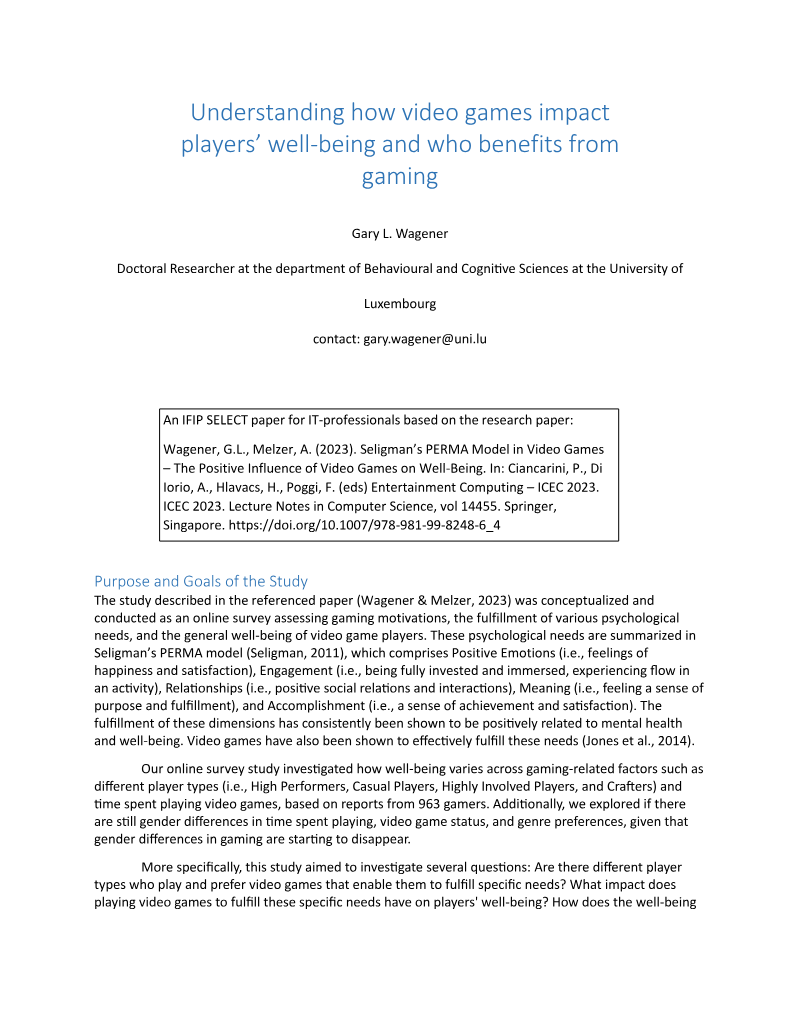
IFIP International Conference on Entertainment Computing (ICEC) · 2023
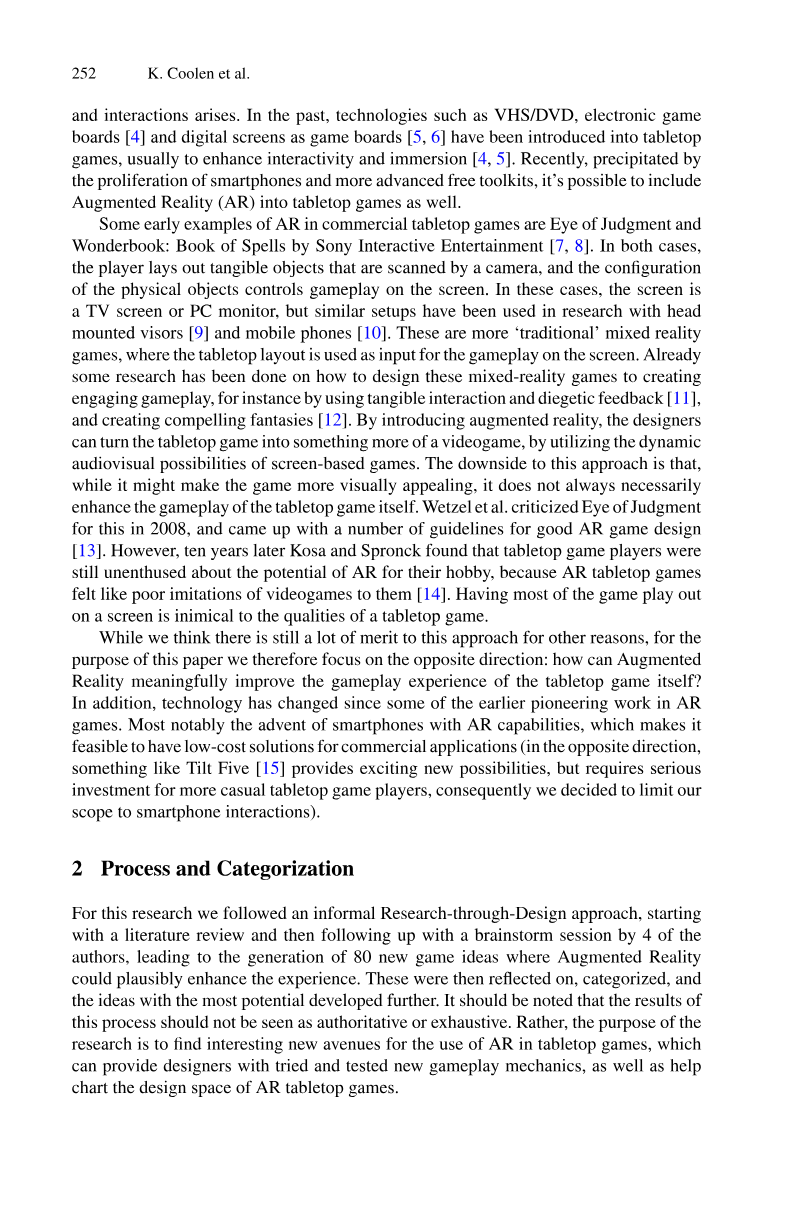
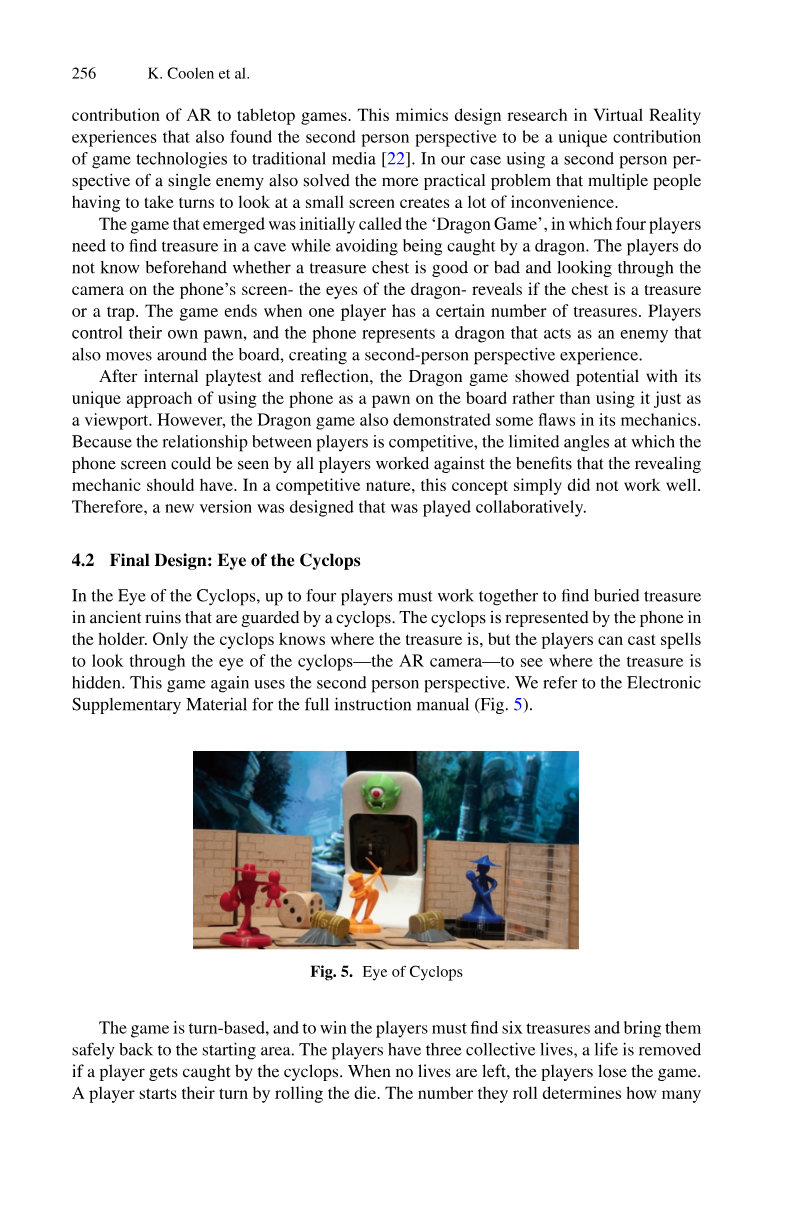

Springer · 2023
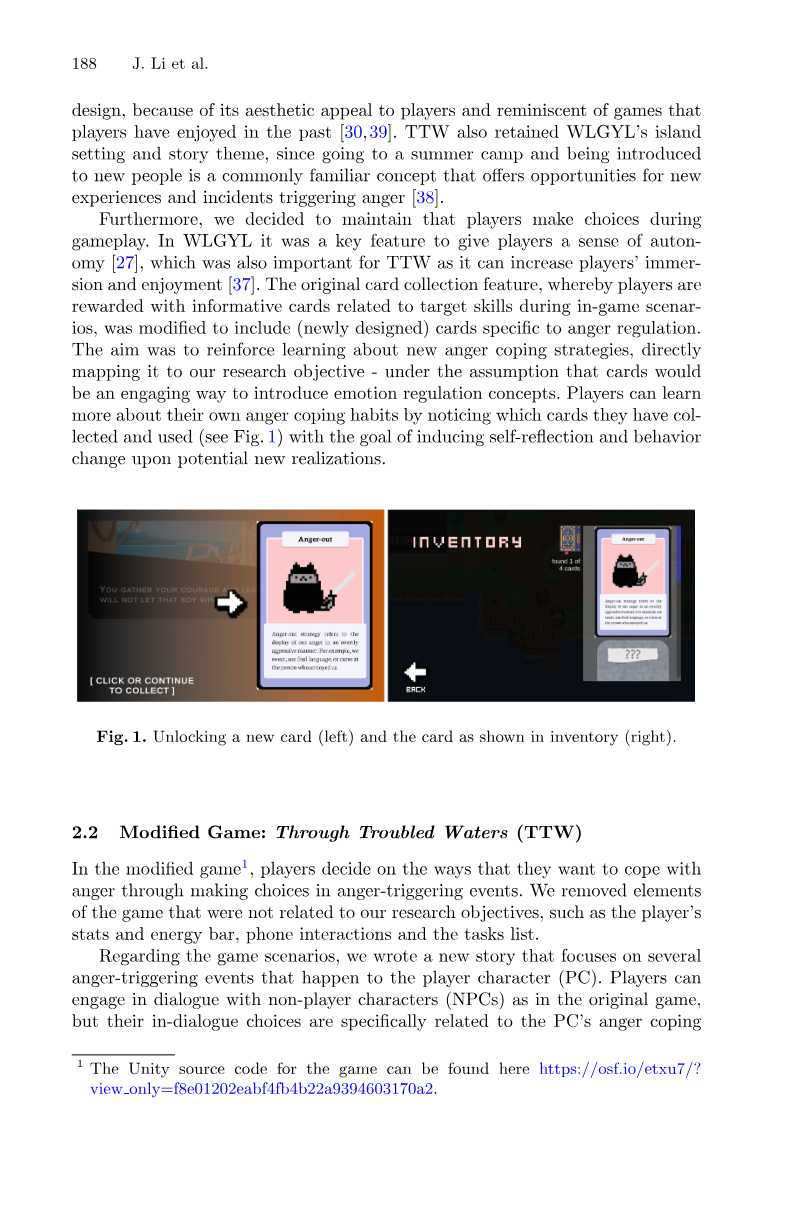

IFIP International Conference on Entertainment Computing (ICEC) · 2022
IFIP International Conference on Entertainment Computing (ICEC) · 2021

University of Glasgow · 2021
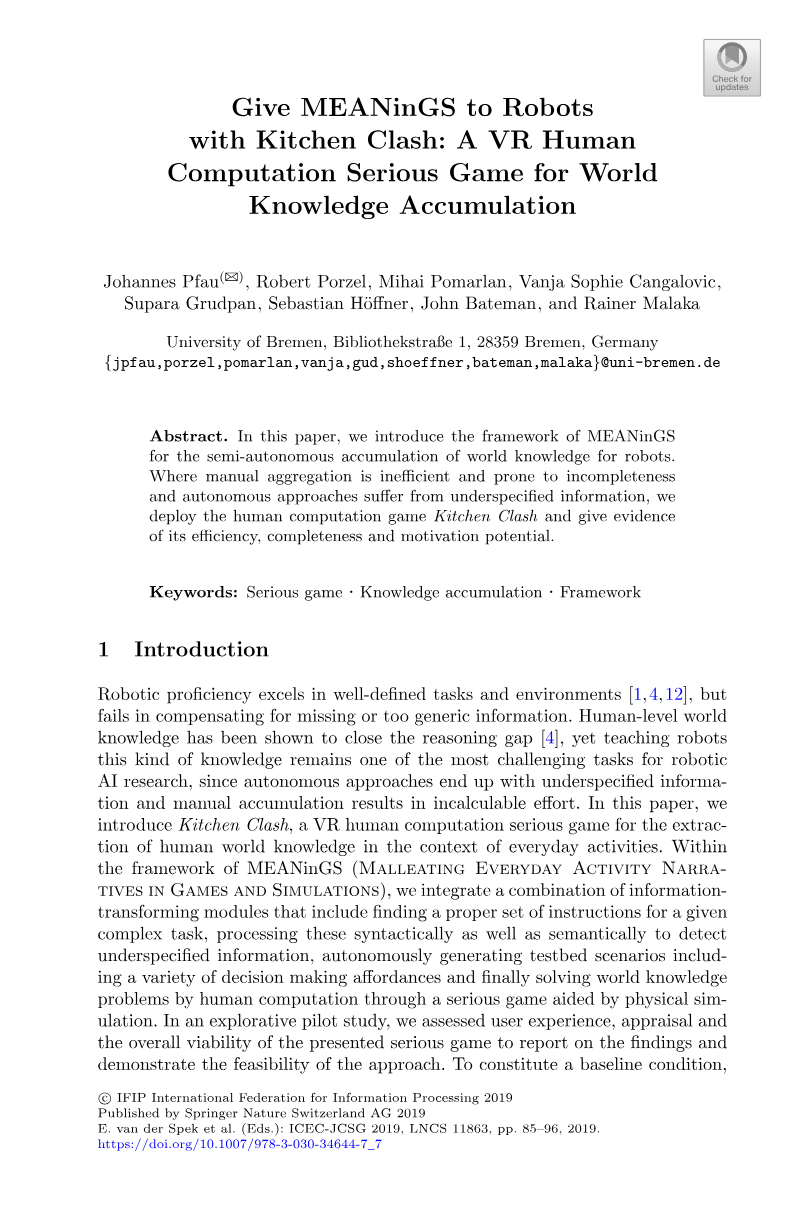
IFIP International Conference on Entertainment Computing (ICEC) · 2019
IFIP International Conference on Entertainment Computing (ICEC) · 2018
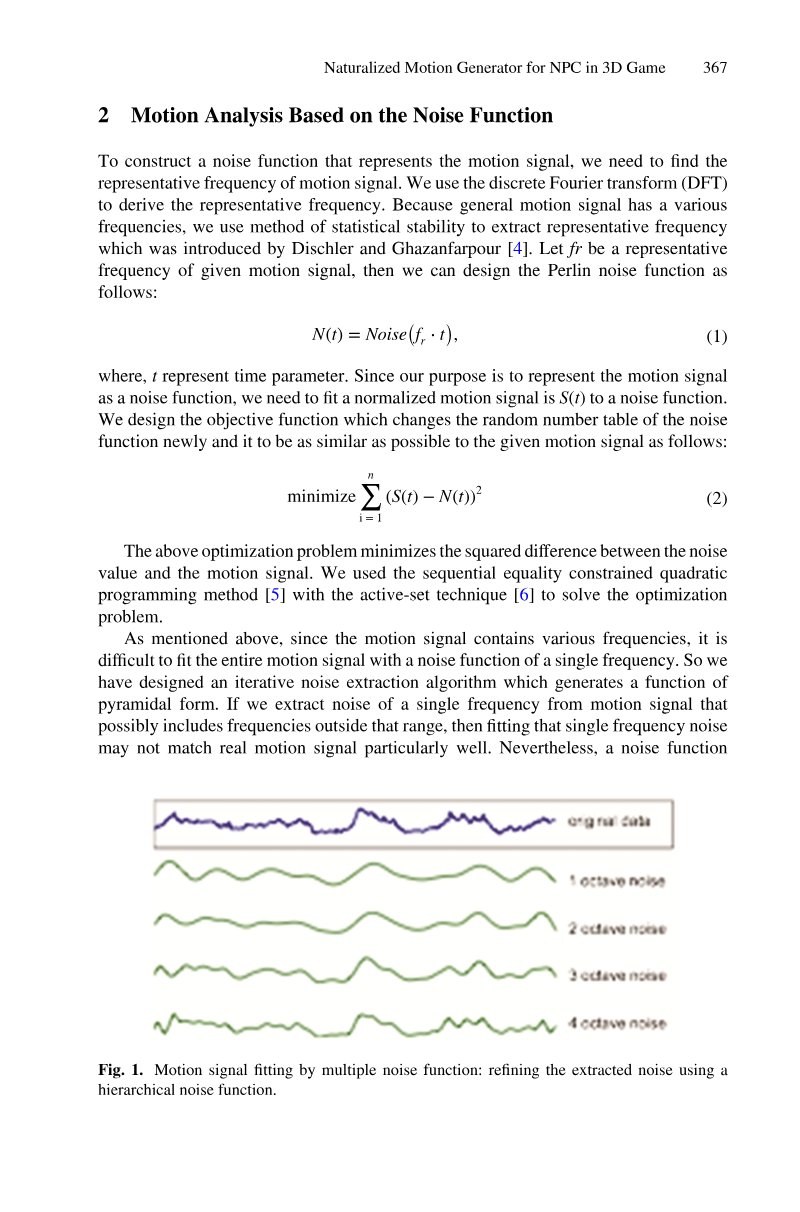
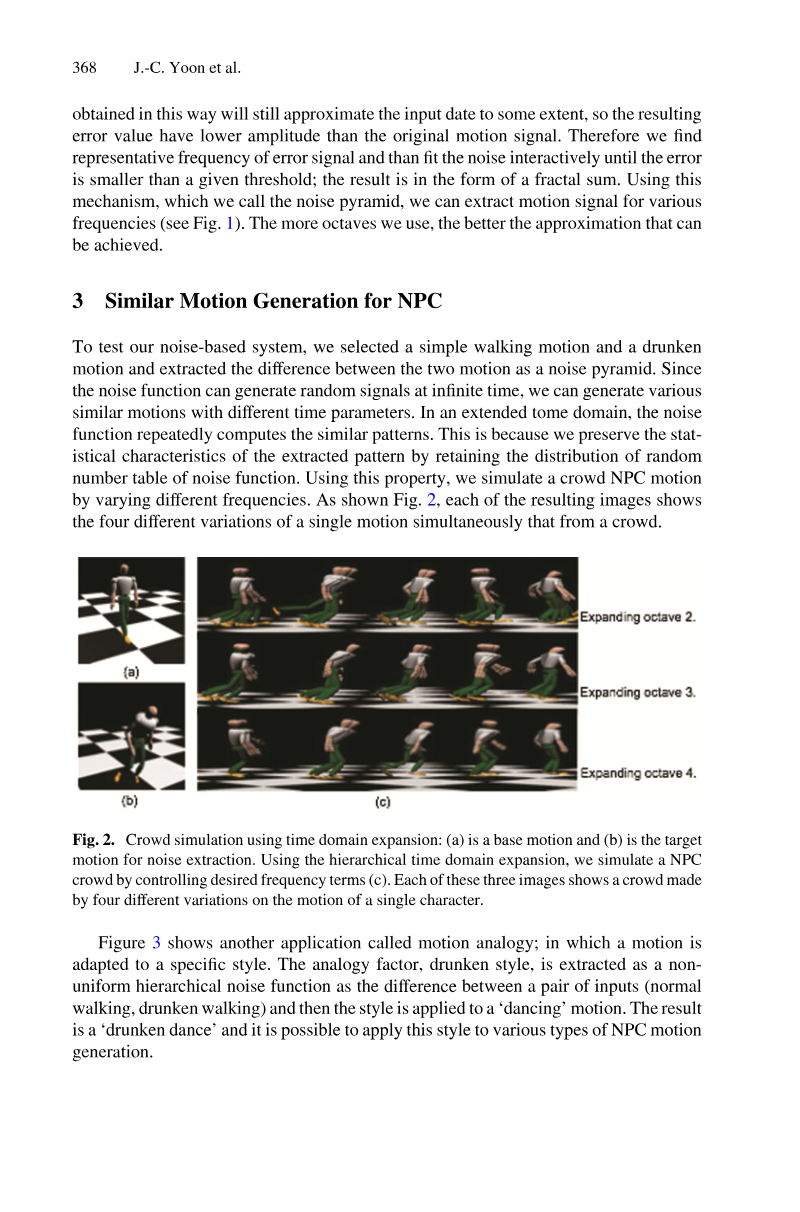
IFIP International Conference on Entertainment Computing (ICEC) · 2017

IFIP International Conference on Entertainment Computing (ICEC) · 2017
IFIP International Conference on Entertainment Computing (ICEC) · 2016
University of Vienna · 2015
IFIP International Conference on Entertainment Computing (ICEC) · 2015












Comments