1 free read left. Create a free account for unlimited reading + AI research.
Create free account
Maximising IAP Revenue With Global Pricing
Key insights
5 takeaways- 01Developers should move beyond simple currency conversion by building a propensity-to-buy index that incorporates macroeconomic indicators such as GDP, device penetration, and local consumer goods pricing.
- 02Machine learning techniques, specifically multi-armed bandit testing, should be used to isolate the impact of pricing changes from external variables like seasonal trends or content updates.
- 03Transitioning from static, U.S.-centric pricing to region-specific models based on local purchasing power and demand elasticity can increase monthly revenue by 24% to 45% in growth markets like Indonesia, Brazil, and Europe.
- 04Pricing strategies must be treated as an iterative process with monthly adjustments to account for fluid game economies, currency fluctuations, and competitive market pressures.
- 05To ensure statistical significance when establishing predictive revenue benchmarks, developers must maintain a minimum threshold of 25 unique payers per segment.
Ask AI about this video
Transcript
so next up we're going to um uh an old old friend of mine and i would say old actually not fair i'm old he's a good guy um ted ted uh veronica who's from rappy is going to come and join us hey ted long time no see um it seems like ridiculous that i've only seen you on a camera for 18 months hello so anyway um good good stuff so you're going to talk to us about maximizing iap revenue apparently absolutely sounds good excited about it yeah all right ted i'll leave it to you thank you very much okay hello everyone my name is ted verrani i am head of business development for wappier and yeah as oscar said i want to talk about how you can maximize iep revenue with global pricing so why why is this important a topic to us right so we you know it's a
you know start with a basic you know truth that we think we all know but you know mobile gaming is a big business you can pick your favorite analyst report um but you know according to sensor tower you know mall games generated almost 80 billion dollars last year so that course had a benefit of a nice coveted bump with you know so you know your prior was quite a bit large too but still 26 percent increase as people were staying at home and not much else to do other than to play games but also what's interesting is you know look at this year so also from censor tower is that you know how to slow down right well it's slowing down in terms of growth we got like 18 increase but the most recent half year figure right from the center it's like 45 billion dollars in this first half of the year so so as we didn't go to pre-covered numbers here instead we're continuing to grow a bit you know a slightly slower rate but what's interesting is a lot of that revenue is from people who are really focusing mostly on their gaming two markets right you know they have a version maybe for us they have a
version then for maybe for china you know create a kind of localized version for that and of course japan and korea are quite large very very unique you know markets in that regard but when you think of the rest of the world out there in most cases they're you know offering the us version too and i'm here to say that you know as your largest markets the u.s and china begin to mature and its markets now i think a lot of the future growth can really happen from localizing your game you know to be sure we just had a nice presentation talking about that but then also localizing your ieps for various different markets outside the us so a little background who we are while we care about this topic uh rapier the dna of the company is about almost 20 years of experience of focusing on loyalty and revenue management programs originally working with large telcos like vodafone and t-mobile also a lot of other large brands and enterprises last five years though has been wappier and wappier we've been um focused on games and in some extent apps
but primarily mobile games with two main solutions one is engaging application trying to you know improve retention and get people coming back more often spend more time in your game and the other is pricing optimization so this is more directly related to you know improving iep revenues and then we do that with the benefits and a pretty robust interesting machine learning technology allows us to to predict understand ultimately predict player behavior as a new player comes in your game we're predicting that which are likely to convert to a pair with your probability to churn what's your you know what's going to be expected lifetime value and that the information we try to optimize we call next best action or maybe in this case what's the right price at the right time right location enough about us what we um you know and you know a little bit more about us but you know more related to topic is that you know two main things we within iap pricing that we like to do is um one global pricing topic of today's conversation we'll talk about give you some tips and what you guys can potentially do yourselves here too
is and here we're really auto adjusting prices for an individual game on a per country basis across all live skus according to willingness to purchase and then in some cases we would follow on with what we call promotional pricing and here and just be clear we're not a full storefront takeover it's not dynamic pricing kind of willy-nilly you know magically changing prices in front of player's eyes but rather you know using your existing interstitials and your uni ui you've already built in the game behind the scenes employing our machine learning algorithms and technology to surface up what is the right price so when the player goes to your special offer maybe it's a first purchase discount what's the right price in order to get this player to convert for that player and that's a per user basis so why global pricing so um first of all let me simply put there's no one size fits all when it comes to pricing i was talking a little bit earlier about designing games to us then laying out such a currency conversion and that's you know if you priced your game for the u.s you know it's pretty easy to easy to appreciate understand that it's mispriced for the majority of the world
and currency conversion for app stores is just not sufficient once you pass that and you know it's not a very controversial statement i think that you know pricing to demand curve though does require a very deep understanding of local market dynamics and to get to what is the right price if you really want to get the optimal pricing because it's more than just lower price and then going further it's you know once to make changes you know every game is different but you know if your game has i don't know a lot of price views like most do you know creating hundreds and potentially thousands of price cues is a challenging task right you know it's it's a necessary one out there we're not talking about just changing prices once but then managing those on ongoing basis but if you do that and you should do that you know if you know getting your country specifically into really country specific pricing is going to be the key to really maximizing profit because any just just think about like a you know a small change in price just changing a number of what someone sees in the app store you know has an outsize impact
particularly when you compare that to you know live up to creating new content new features like that's work that's work that requires development resources too but you know what we do is work too and what you can pencil yourself is work too but it's putting some mental energy then really making a small change to price and that's going to be the difference between converting a pair into a player into a pair rather so the questions are you leaving money on the table and the simple answer is yes this is just to illustrate and this is a you know you can fit the whole world here so it's just you can stretch your imagination here too but you know this is some data game you know it probably matches data that you have you see yourself in your own game you have your players spread all over the world right you know obviously a lot since a big area like you know europe but then you know even in southeast asia there's india there's you know there's australia there's other parts of asia but when you layer and you take a look at the pairs it's another familiar story you know the conversion to payer is quite low and then you know it does not match the spread of your way your players are spreading around the world
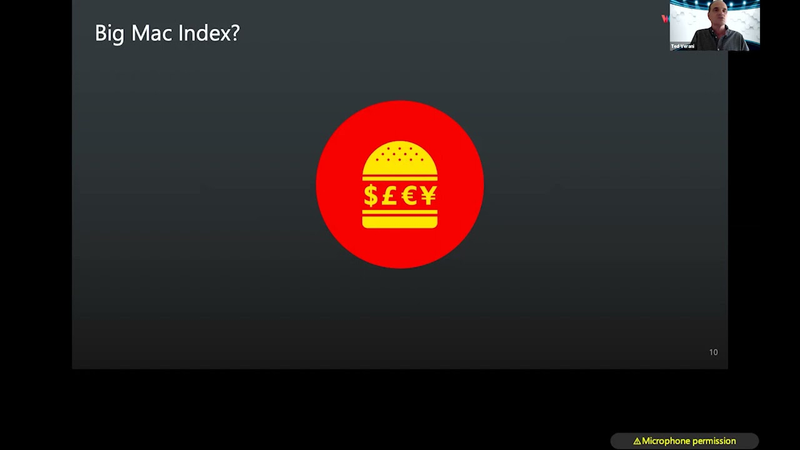
because again you know you're kind of you're miss christ you're really mispriced for the majority of the world so what is um you know so for us it's not a one-size-fits-all approach when it comes to pricing right so each country is different you know you want to say you're price different and so you know germany cannot be the same prices in egypt and i mentioned germany is interesting because germany you know is actually you know not necessarily it's a wealthy country by most you know metrics but you know here is a country that we do really well actually when compared to the us making some changes to prices and then it's not um you know you know if you don't do anything yes you can lower price so we're not suggesting just lower price here right you know key points trying to get to the right price and i get this question a lot like why why you know is it a big mac index you know i mean the fast answer is no right you know some a lot of parts of the world yes the big mac is quite inexpensive but other parts of the world you know it's actually date night you know i'm going to go out and you know versus say the local cuisine which is probably better too so
so no it's not just you know lower price but if you do nothing at all for if you don't have the resources you probably are better off just lowering price too but better is you know a more sophisticated approach to really kind of understanding how you went to locally so what is global pricing global pricing is really the practice of using predictive econometric models to auto adjust the price of an in-app product according to price elasticities for each country and that's support that each country it's on a per country basis in making changes to all life skews you know horizontally across you know in that country a lot going on with this slide here so you know but it's a first step to finding optimal price is looking at data and this is um you know we we look at data we actually first care about a lot of the data outside of your game so actually when we work in global pricing with the majority of our customers and partners we don't require an sdk right so i don't it's not machine learning and getting deep insights into player behavior engagement patterns that
drives prices for global pricing it does for other things but for global pricing that's not the case right we start with looking at macroeconomic data right you know so we're you know it's gdp it's exchange rate what's the fluctuations of this exchange that's particularly important but also microeconomic data we want to you know look at device prices housing rents you know whatever available indices are out there because we want to get an understanding of household purchasing power and then we can start looking at game statistic information right and device information is also important what's your you know what's the smartphone penetration you know on a per country basis what's your ratio of ios versus android you know phones out there um game content game or even game genre is interesting you can have an important impact it's not all these are various different signals that we would look at but you're not necessarily you're doing a price for you know a social casino game the social casino is interesting because it's you know us uk and russell commonwealth will do really well so not as well in other countries you know role-playing games for some reason you know do very well strategy type games within the middle east region but you're not
just pricing that way it's just one of uh and perhaps even a more minor signal that we incorporate into to our data and then we're taking all this information together and we're gonna what we're gonna do is kind of construct what we call as a whap your index a price index that is you know communicates uh propensity to buy iaps and that's the starting point and then we're going to aggregate that data and probably awaiting to that right because it's not just for instance it's not gdp for a country right you know we start there but then we're going to layer that in and then um give it a proper waiting based on the players you know for you know within that country right so we're trying to create within our raptor index a notion of gamerness propensity to make a purchase too that's that's important pieces and then the next step right after that is going to be you know when you know it's the fine tuning phase and this is really where the the machine learning you know shines so we're not it's not neural networks and deep learning or something together but we are applying multi-armed bandit you know
exploration exploitation approach and these techniques allows us to get to an optimal price point so doing a series of tests measure performance and come back to it and see what success fall there so that's where the machine learning kicks in and this again it's all stuff you can do yourself right it does require having some data science expertise you know within the company and resource to do too or you know even you know we're calling us and my details can help you on that too for in our case how we do it and because it is a pretty big task we um we have built a platform um this is a couple million lines of code two billion processed two million events a day um it starts with the index that i was mentioning you know so we were ingesting in the index uh we're gonna then marry the um you know so we already have a notion already on a per country basis of a relative discount that we would put that country versus say u.s but you know no games are not the like yeah in that sense what works in one game does not always work in another game but we do have a starting place and then
we marry that with your game data right you know and again here too we don't know sdk in this situation but you know you um you know but this this aspect is um what we care about is actually not necessarily per player engage in data but just transactions revenue data and the purpose of this is to measure performance because you know to make sure that we're on a right path once we start doing the tests of different price points to get to sort of understanding price elasticities and making sure the right part of that demand curve is we need to know how to measure performance and measure success right because there's a lot of things that can happen in your game that's going to actually then improve revenue for the for the game itself right so in that case um you know we want to remove those other variables too focus just on pricing so you know we'll look at 13 months historical average revenue so it's ideally a games you know over a year old because we want to corporate seasonality we usually hold out a couple you know sizable countries you know to create a control group if you will
of countries um out there it will compare because that's unable to capture performance of of what new content new features you know if you're featured also by you know one of the app stores too we want to capture that in our algorithm or measurement too so that we can strip out remove those other variables to zero in on what the impact of pricing has on performance too and that's just helps us to make sure that we're on the right path as we get to to making price changes uh we're able to make the price stages just directly on the app stores we typically start with uh with the android and that because google makes it easy to do frankly you know it's a zero engineering effort whatsoever um they but also you can get down more granular level in terms of prices on the um google play yes sir so that's good there's also greater diversity of devices right so low end and high-end android phones too also means that frankly we have a better impact on revenues we already also support ios so you want to you know you don't want to just do half your player base you do want to also
take advantage of the opportunity the app store does allow for alternate price tiers in select countries 60 something right now you want to take advantage of that right you know so they let you price lower for brazil indonesia russia and a whole bunch of other countries too so so you want to do that for sure um idea of indicative price changes so where we and this is to be clear this is you know this is real data from what we've seen too but it's an average across different games so i just want to caution just you know you don't look at indonesia and just say lower by 41 percent you know when prices are too on average that's kind of i can can't remember the exact number of games and that was in this measurement too but that's what we see is our prison the point is is that you know we're making these we're making changes against the u.s prices again if you're priced just for us from this price for the majority of the world so you know here you're looking at indonesia 1 you know chile 46 this was in the country philippines portugal's interesting you know right
euro you know zones so you know lumped in with a bunch of other countries you know including other you know northern european countries with higher incomes so great opportunities from lowering prices beer here next year you know we've got mexico brazil russia large country with a lot of players here too drop prices here in this case we don't average spain you know again another you know zero euro zone country um going further you know south africa you know you know now we're going to some other you know european countries austria finland you know less of a price change you know even singapore smaller change you know against the us which we're seeing too but it's not always just lower price you know too right you know and so you know actually some cases we raise spice right you know so less often obviously you know to be sure but you know hong kong even chris price and this one has struck me as odd ireland on average we actually did raise price so i think one of our someone in office did theorize that you know speculated rather that you know dublin does have a lot of tech workers
from some of the big tech companies that located there too so that might have a reason why but you know that actually worked raising price in ireland and of course you know countries like qatar united arab emirates you know very low population high income you know countries too so there's also opportunities and switzerland also comes up unless but again it's this is aggregate levels you know as you say that your your mileage will vary on these things so be careful as you um go along with that just illustrated bios so to illustrate um point here is it works um and this is a case study this is a mobile social casino game a poker game specifically um though you know they came to us or we came to them we came to agreement rather we started working with them november 2018 so a while ago so we continue to work with them today and you'll see that you know we do i think just it's just 16 countries again earlier i said that social casinos not as big around the world but you know you have 17 18 increase you know here in canada
and australia so not exactly a huge number but started a very large revenue base so quite substantial you'd expect to see you know latin america peru brazil but check out some of the european countries like i'm taking germany again 81 in this game actually germany's the number one revenue driver on an individual country basis you know for this title you know consistently and next time it's been we've been working them for now over two years your time range rpo for this game has been between 22 and 84 at the high end increase on the monthly basis average increase in revenue has been 45 percent and you know just in the main point here is you know saying earlier it's not as it's not set your prices once and done you know the biggest change in prices will happen in that first month with it but um over time and we'll make tweaks five no more than five ten percent change usually um making adjustments for currency rate fluctuations but sometimes other things happens in the world changes you players come in and out of your game all the time you know competition can have an impact and we talked
last year we learned about coven right had an impact on terms of player behavior you know your game is dynamic and so your pricing should be you know also dynamic or fluid in terms of you know making adjustments um but we do know more than we recommend no more than making don't make changes more than once a month if that at all another game this is a you can't name it but you know i and very it's a ip based role playing game very big very large popular game been working since may 2020 it's live in ios and android it's a bigger game so we're now optimizing 36 different countries out of the us um total addressable revenue for this game six hundred thousand dollars um but what's what's what's interesting is that the total revenue for this game is 70 of the revenue for this game rather is on the us right so this is you know for this game it's a large company it's they do a great job of monetization but they have a very you know aggressive live ops scheduled they're doing a lot they're actually doing a lot of really interesting stuff normalization but they just didn't have the bandwidth
they're trying to kind of work on also on global pricing but they knew that was an opportunity and that's where we came and we've been working out for a year we continue to work with them and make conversations you can see the increase of revenue has been on average 24 each month so now we're up to driven over a million dollars revenue for them that's just straight to the bottom line for them you know for the for profit for them too and again you're seeing ranges you know as high as 129 percent in chile you know you have brazil doing really well but also again european markets you know germany belgium you know france you know you know wealthy countries but yet still doing very well in terms of percentage increase you know eastern europe with ukraine southeast asia also represented you know here too and then why do we do this we just the benefit of a platform you know we um you know as i mentioned earlier it's not a trivial task to you know make changes to you know hundreds of thousands of price views so you know this is a couple new lines of code processed couple billion events a day this allows us to go in in a very and this
this is what actually would communicate with a partner's um app store you know google play or the itunes account so it's not a human being on a site that gets in there but rather it's a platform with an api call connection back end allows us to make a price adjustment and then manage those prices on an ongoing basis partners have complete control and visibility you know of what's going on too so and then you this you know just from that point somebody mentioned earlier about you know phrases countries we don't we don't actually recommend or we don't make changes to every single country you know around the globe rather but you have to have a certain number of players and payers for us to be effective and for you to and really it comes down doesn't mean that you couldn't change prices and probably a good impact but if you want to actually know whether or not you're having a positive impact on performance which is important for us in particular we want to report results you know back to partners you know you want to have a sufficient number of payers uh in a per country basis for creating that performance benchmark that i mentioned earlier um that's it you know
final kind of thought you know and i think it as much as you know test test test right you know this is not a set prices once endeavor and then kind of be done and walk away right you know the world changes new players coming out of your game you know mentioned earlier about you know exogenous element factors like you know covid can happen you know we have you know even competition can have impact you know marketing changes your life cycle game changes you know we think your pricing should also be dynamic and change with it and that is what i have so here's my email address i think we have time for some questions oscar um i uh you know if there's any questions anyone else also has you want some information who we are emails up here tv rapier.com feel free to reach out come to our website and you can learn more about the company information cool thank you very much for that was great and i think this is one of the areas i think most uh developers understand possibly
in some ways the least because quite a lot particularly indie developers they're going to go well i don't know how much is my thing worth yeah how much is that worth i don't know i well that game is going to put this price therefore it must be the price it should be and actually i think that really does everyone i mean i don't know but as a trade marketeer you know there are four ps one of which is pricing and pricing is basically one quarter of the whole way of thinking about marketing arguably and i think getting people to understand that it's not one and done it does it does benefit from analysis and data how much do you think people understand the importance of pricing strategy as opposed to just putting a number on it i mean most people i don't want to be flipped to most people don't and that's kind of reason why we kind of went after this opportunity and it's not and they know you know it's just it begins actually did to do a studying this for some research on it where i don't have in front of me
but you know it's like you know it was fascinating we actually queried developers and we asked that question of when do you decide your prices and you know and it was like you know there was actually like it was less than ten percent said after even launch you know like that he was like you know that you know it was like you know since a bunch of people was in beta you know so too and you look and like you said i agree with you like you know the four p's right and pricing being you know a pillar you know on there you know you look at other industries and that's kind of our background too you know they have whole pricing departments too and i know games are game developers are relatively small companies so you don't have that luxury your perhaps too but the reality is that pricing is critical right inside too and said and i think it is by most game developers unfortunately treat it as an afterthought or at best they you know they look at maybe the nearest competitor or maybe a game the amino league of legends charges this so you know but you know that you know that you know where maybe they find another proxy and that's and that's probably fine to start with you know but once you go live then you should test it
right you know you should be you have higher you got to measure the net and that's it's finally go out that way to be you know look at competition look at how other people price and maybe do something similar but then you know find a way to measure performance find a way to then to make adjustments for that and then at the very minimum like i was saying this purpose this conversation is that recognize that the world is not just a mere copy of the united states the same income levels and willingness to purchase because that's how most people are pricing and you know and it's such just a great opportunity to make those adjustments on a per country basis and an exchange rate isn't just a one-for-one in terms of the value to that person and the disposable income as a percentage yeah i mean i was mentioning earlier about how germany we've done and honestly when we first started doing it surprised me right because conventional wisdom is that people in germany you know they make good money right that's true right but like i like to say that a german you know makes a hundred you know dollars you know they they're gonna they're gonna you know save some right they're gonna spend 90 of it too contrast to an
american we make a hundred dollars we spend 110. so yeah so you know that's you know it's a different time and then you layer in the game and it's women's purchase and that actually does make a difference in genre then you know it has a difference yeah i mean there's a couple of things i think it's worth sort of pursuing on the kind of the theory behind pricing so for example price says something you know price isn't just the number and the value for the user it's about also stating what positioning you want to state that that asset delivers is there something in the way that you could cause what's in my head here just to be clear i look at monetization in-app purchases to be one of the ends of the funnel you know i'm looking at uh what you spend in a game from time to ad viewing uh to even in-game currency use as part of the journey that establishes the value that i'm going to spend and so for me working out what price says in terms of the value proposition
as well as what it says in terms of the um disposable income of the player is all intrinsically part of that so if i'm looking at data using a tool like yours how do i take into account that whole journey uh is that possible or am i only looking at the end kind of like final price when i'm using a tool like yours no no you and and you know it's in many cases we do the work for our partners so like you know like as one of our partners described us as you know because you know we removed the brain damage you know from them you know so you know i like that um the but we can say so it begins kind of what you're saying is like you're saying too and that's a long answer potentially but it's begins with behavioral psychology and figuring out that price right you know so that's actually where it begins and you know really you know so there's also so there's plenty of games actually do think this stuff very well through right in terms of the cycle that's we have you know you know anchor pricing right you know it's like later you know so that's just it's well documented the economic literature is out there and stuff too that is kind of more related when we talked earlier as
mentioned promotional pricing you know too so that's you know how do you get someone to make that purchase so that's kind of the beginning what i've been talking about global pricing is then you know applying kind of a per country discount across all your live sku's that would be your storefront pricing and your promotional pricing right because and i don't think i said this well enough i'm not subscribing it because you know you again you've already did do a lot of good thought in terms of initial game economy you know so too right you know so we don't want to disrupt that with pricing and so the way you do not disrupt that when you're making change for countries like making horizontal across all live skew change to prices right on a per country so if it's if germany's 17 less than u.s or whatever it is then it's just across 17 across all life skews and that's an important point the other question about you know managing it it is like saying earlier it's it's managing it it's a life cycle you know process too so you have to but you also have to make sure you have good data and you have to be able to separate adjustments to price to other things because there's a lot of good things that go on in the game that
improve revenue right you know you can marketing will happen you know you could be lucky and get featured right that's going to obviously have an impact in downloads it's going to translate revenue you got to be able to separate that out you know you know which like i said you know we have enough time to get this along almost whole discussion by itself so much we want to talk about i was going to ask you um about you know what was the minimum number that you obviously you know for machine learning in terms of you know paying users it is um that's a great question actually there's a number um and it's depends so it's not the machine learning aspect and the kind of the is that's more related to promotional pricing but for global pricing we care about is the number of unique pairs per country and so that is it's 25 or 30 is sort of that secret number not secret i just told you um the um but but that's what's happening that's actually no no i want you to know that it could be it's actually one of our criteria because we i wish we could actually help every game like you mentioned and there's indie
developers here on that too um and there's probably some things that we could do this discount would work but you know reality is that every customer wants to know whether it's working or not right you know performance and so and that's why we need like 25 unique payers and that's just for measuring performance after the fact because we take that we create an algorithm or it's a predictive algorithm what it basically says what should germany do revenue wise and we strip out other factors and we get down to what the expected revenue is and then at the end of the month we take actuals we compare that performance benchmark and that's how we communicate that hey we did good work for you no that makes sense to me i'm gonna hopefully joseph will forgive me i'm gonna ask you one quickie uh jonas uh hanson was saying they went with the big mac index to do their global pricing is that a good idea or as a kind of rough rule of thumb or not well i mean i was kind of cheeky about it when i you know put in the lined out on it you know too but you know but i i don't think so because it's you know like i said earlier i mean it's not necessarily the same price
because mcdonald's does have a pricing department you know and right you have something and every mcdonald's is actually a franchise you know that with their own they're going to take a look at the local economy and i've been in some countries around the world where you see people like dressed up all their best you know kind of looking good because i'm like that's date night and i was like i think it was guatemala i'm like you know what that was actually more expensive big mac than the local food which frank was better you know that was what i was eating um too so i don't it doesn't work if i would if i wasn't gonna try to pick a good in the country i'd probably pick a local beer you know because that is you know usually adjusted towards you know wellness then you've heard it here first folks it's the local beer index as as uh which tells you so much about ted in the night if you're doing nothing if you're doing nothing else nothing else yeah if nothing else local beer i'll go back to bonus i want to say i applaud you at least for making the efforts that's great you know honest because that is what everyone should be doing and that's you know i'm glad you did that and that's i
think the one takeaway from this conversation is that you know the world is not the same don't treat everyone like an american and um treat everyone in the country different and that goes to pricing as well embrace diversity as always ted thank you so much and i know what you mean about the different mcdonald's the experience going into mcdonald's in in bangalore compared to you know seoul very very different experience
Summary
Maximizing in-app purchase revenue requires a transition from static, U.S.-centric pricing models to dynamic, region-specific strategies that account for local purchasing power and demand elasticity. By integrating macroeconomic indicators—such as GDP, device penetration, and localized consumer trends—developers can construct a propensity-to-buy index to tailor price points to specific markets. This approach acknowledges that standard currency conversion often fails to capture the full economic potential of diverse global regions, necessitating a more nuanced understanding of local market realities.
Implementing these adjustments effectively relies on rigorous, data-driven methodologies. Utilizing machine learning techniques, such as multi-armed bandit testing, allows developers to isolate the impact of pricing changes from external variables like seasonal trends or content updates. Rather than relying on broad economic proxies like the Big Mac Index, more granular indicators such as local consumer goods pricing provide a more accurate reflection of regional disposable income. To ensure statistical significance, developers should maintain a minimum threshold of 25 unique payers per segment when establishing predictive revenue benchmarks.
The impact of localized pricing is substantial, with empirical evidence demonstrating monthly revenue increases ranging from 24% to 45% in key growth markets like Indonesia, Brazil, and various European territories. Because game economies are inherently fluid and subject to currency fluctuations and competitive pressures, pricing must be treated as an iterative process rather than a static configuration. Developers are advised to conduct testing and adjustments on a monthly cadence to maintain optimal performance. Ultimately, moving away from a one-size-fits-all model toward a localized, data-informed strategy is essential for capturing untapped revenue and sustaining long-term growth in the global mobile gaming landscape.























Comments