More from KU Leuven
View all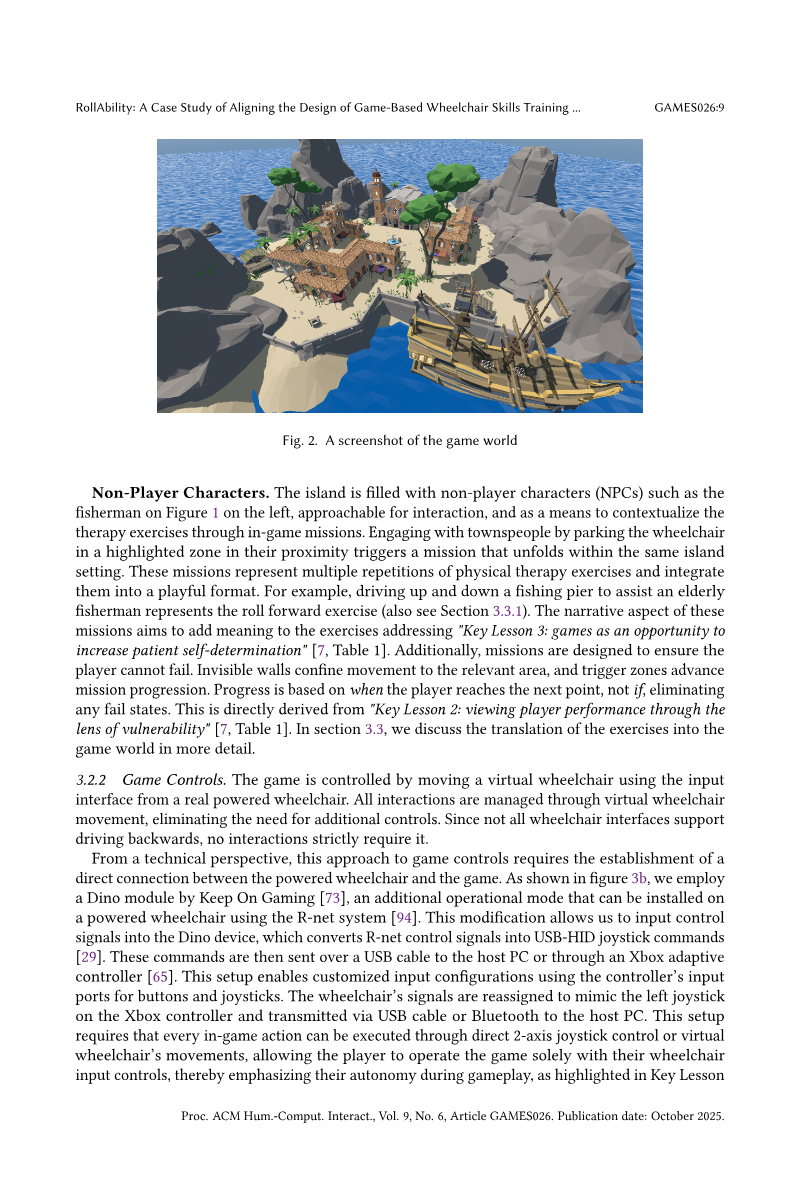
Whitepaper
RollAbility: Aligning Game-Based Wheelchair Skills Training with Clinical Protocols
KU Leuven · 2025
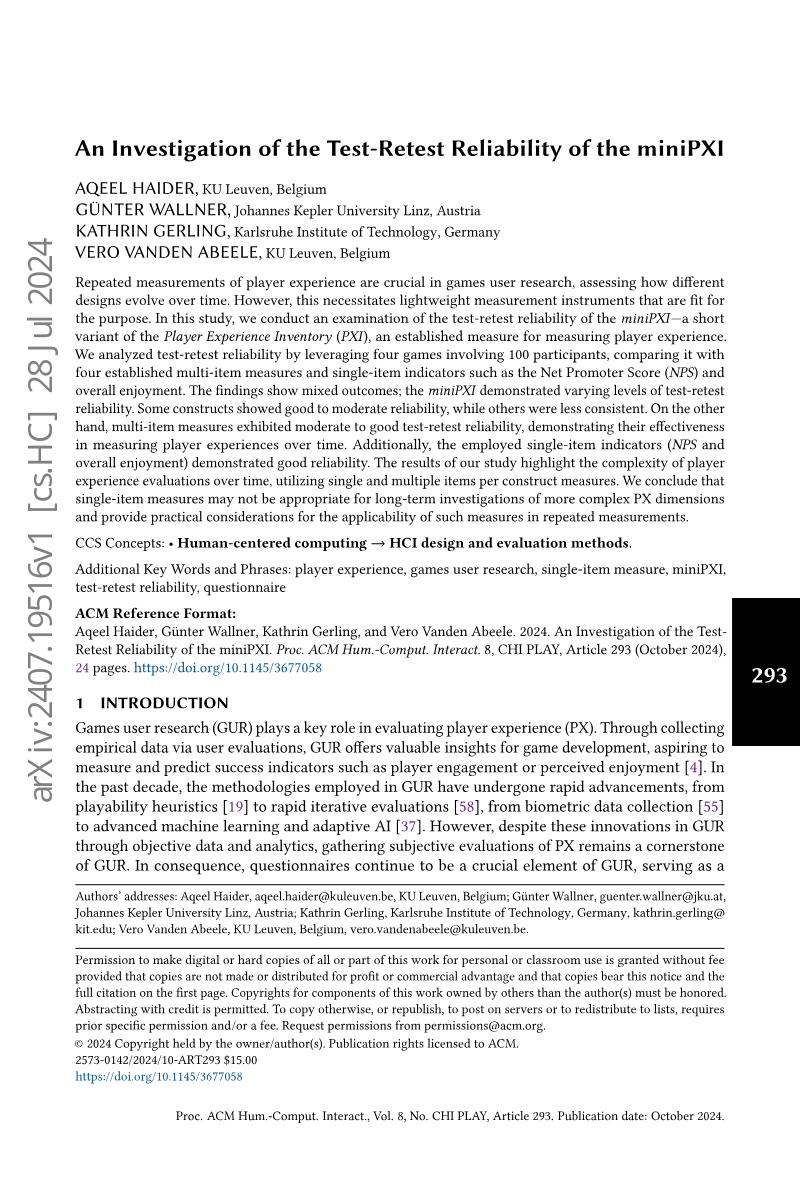
Whitepaper
An Investigation of the Test-Retest Reliability of the miniPXI
KU Leuven · 2024

Whitepaper
Feasibility, Enjoyment, and Language Comprehension Impact of a Tablet- and GameFlow-Based Story-Listening Game for Kindergarteners
JMIR Serious Games · 2022
Whitepaper
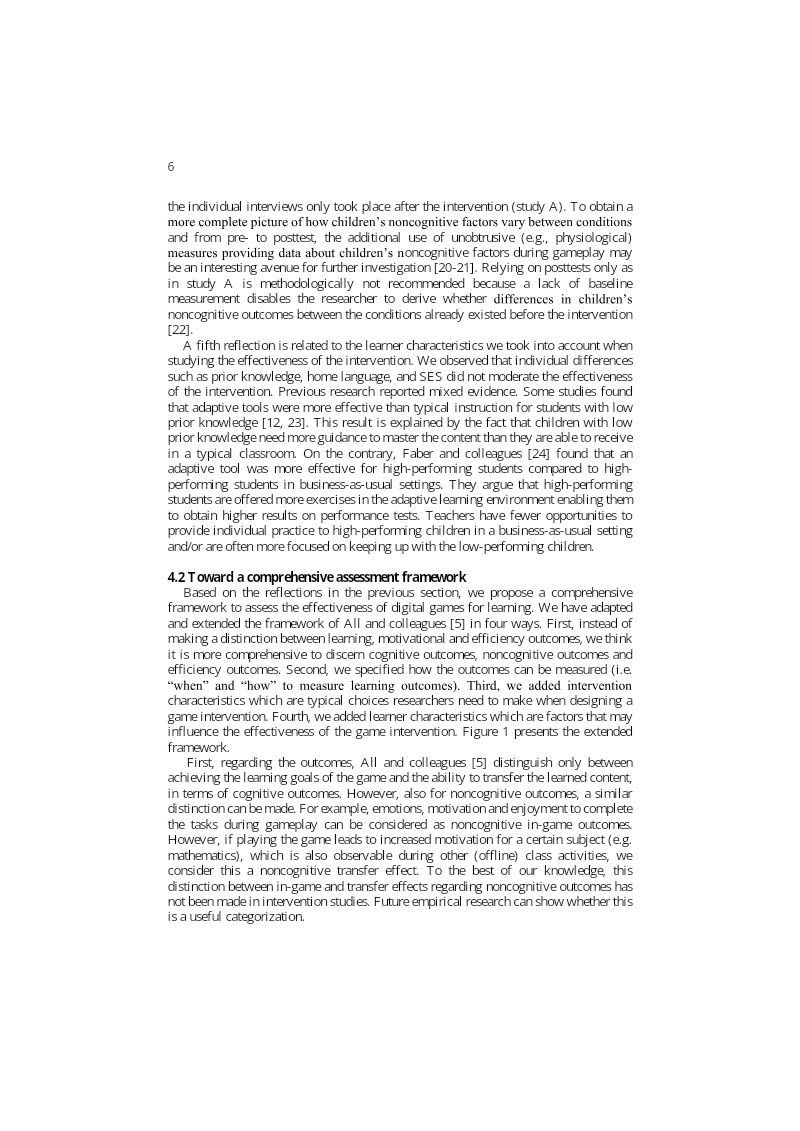
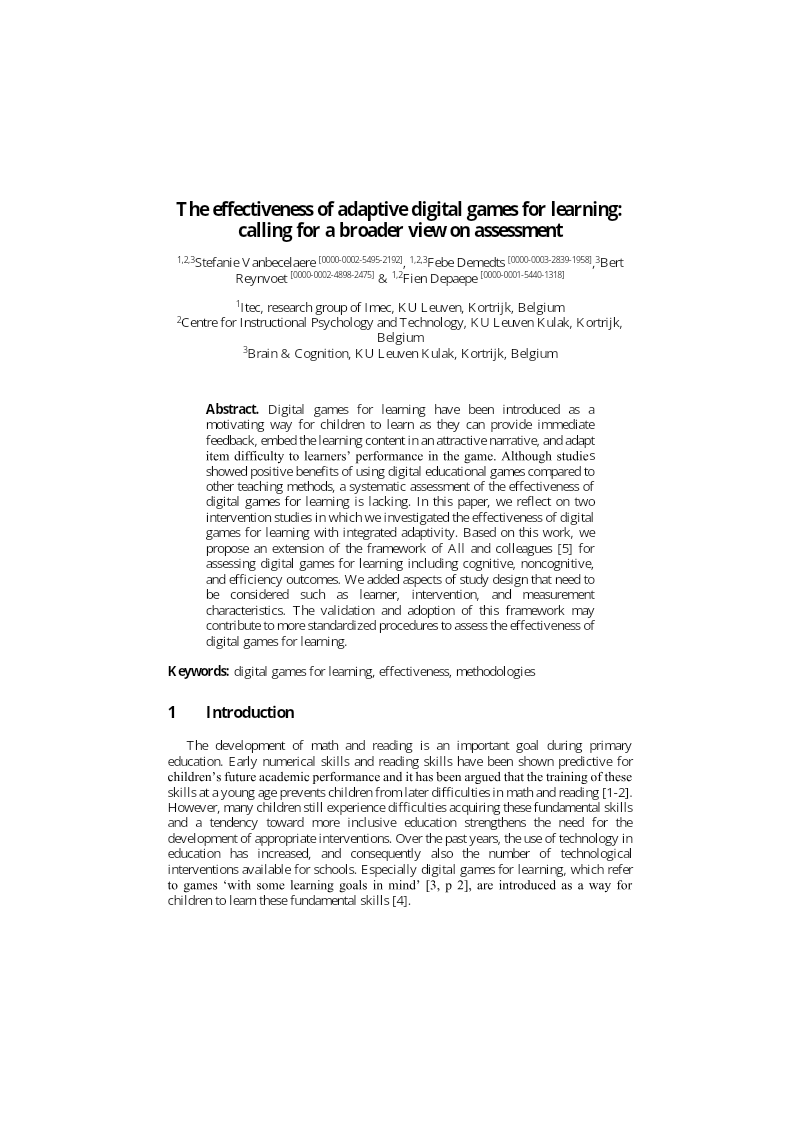
The Effectiveness of Adaptive Digital Games for Learning: Calling for a Broader View on Assessment
KU Leuven · 2022
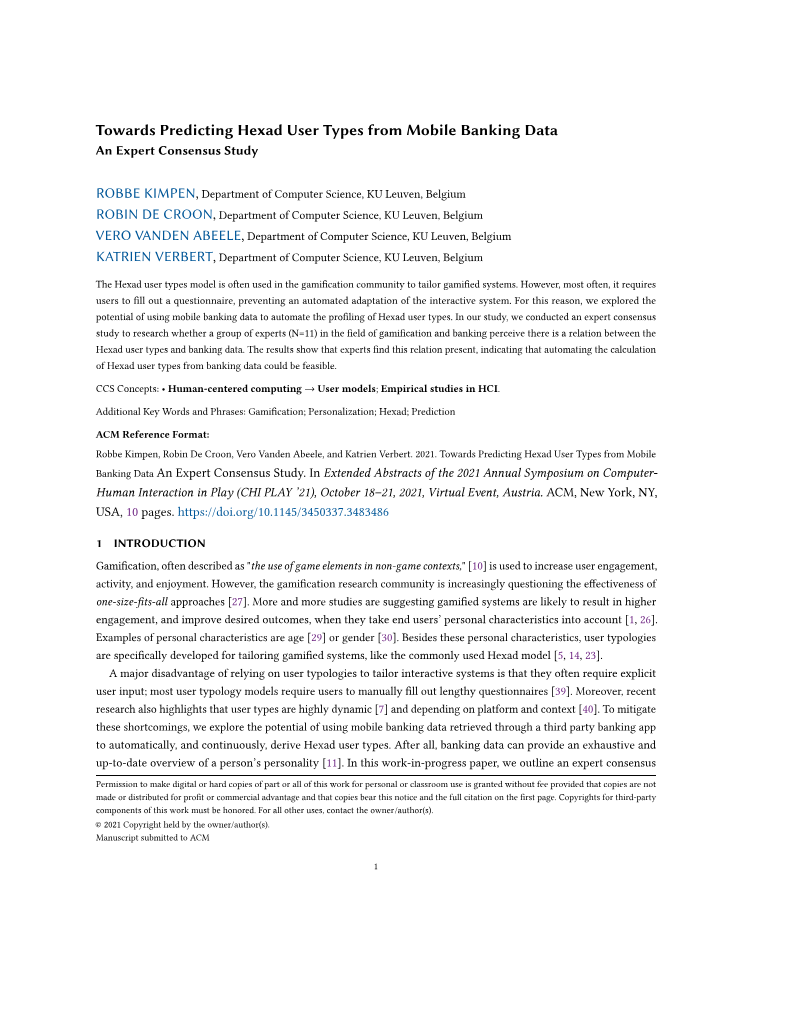
Whitepaper
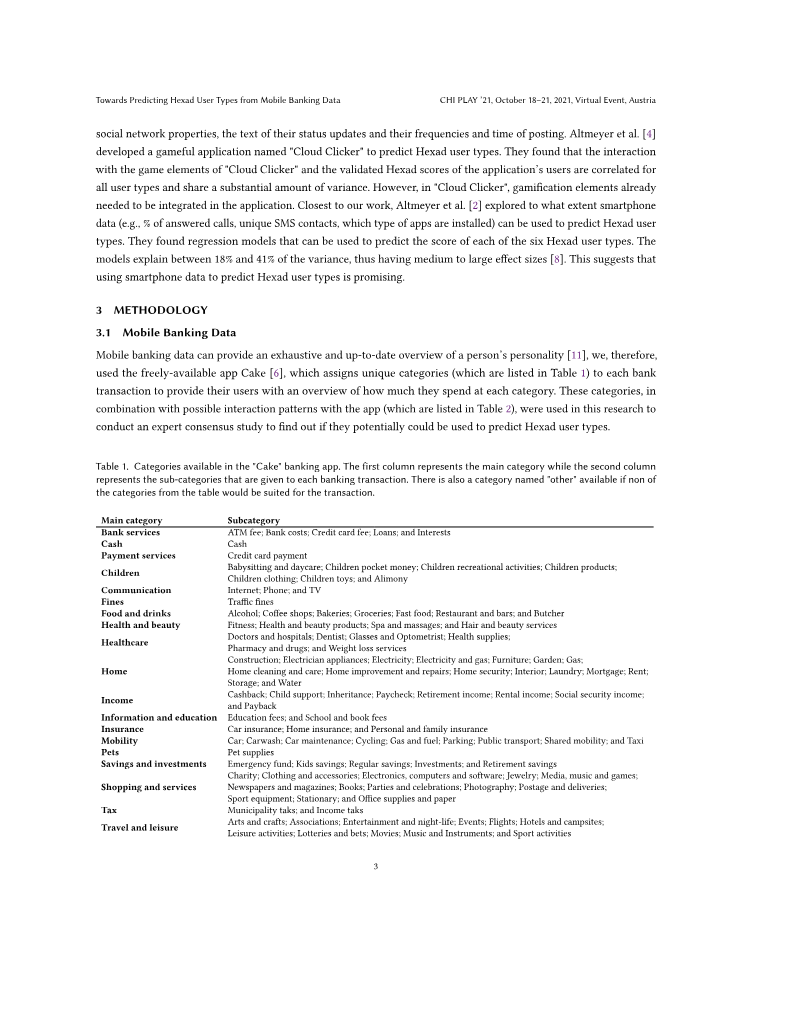
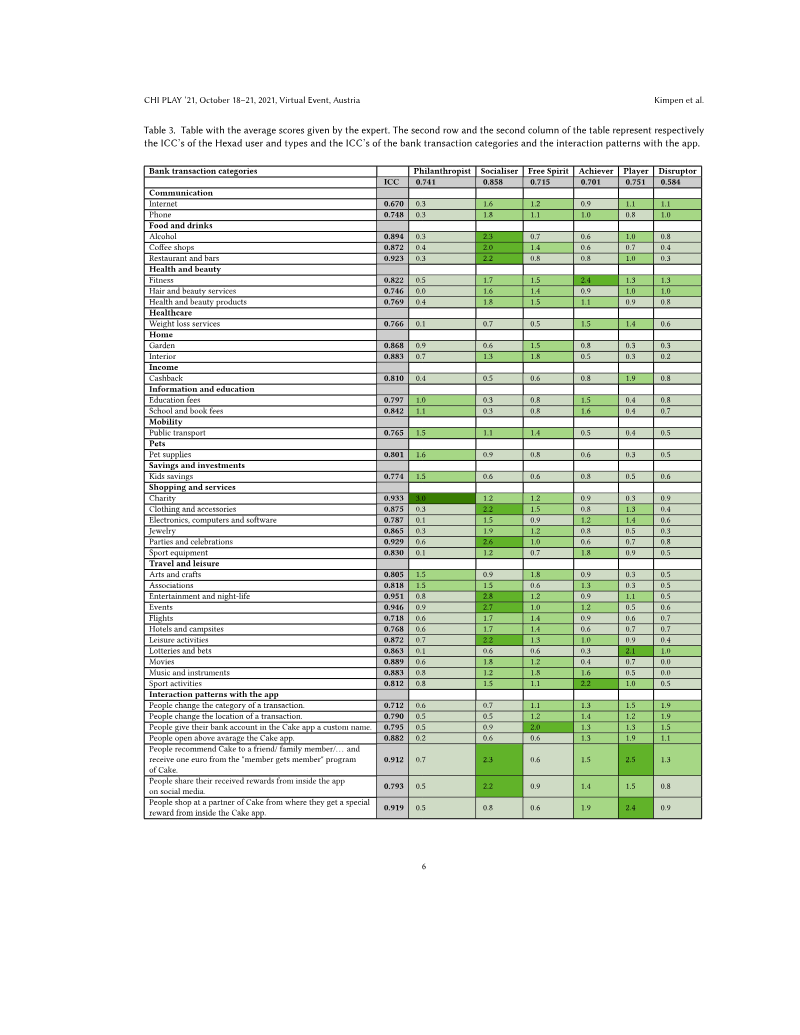
Towards Predicting Hexad User Types from Mobile Banking Data: An Expert Consensus Study
KU Leuven · 2021
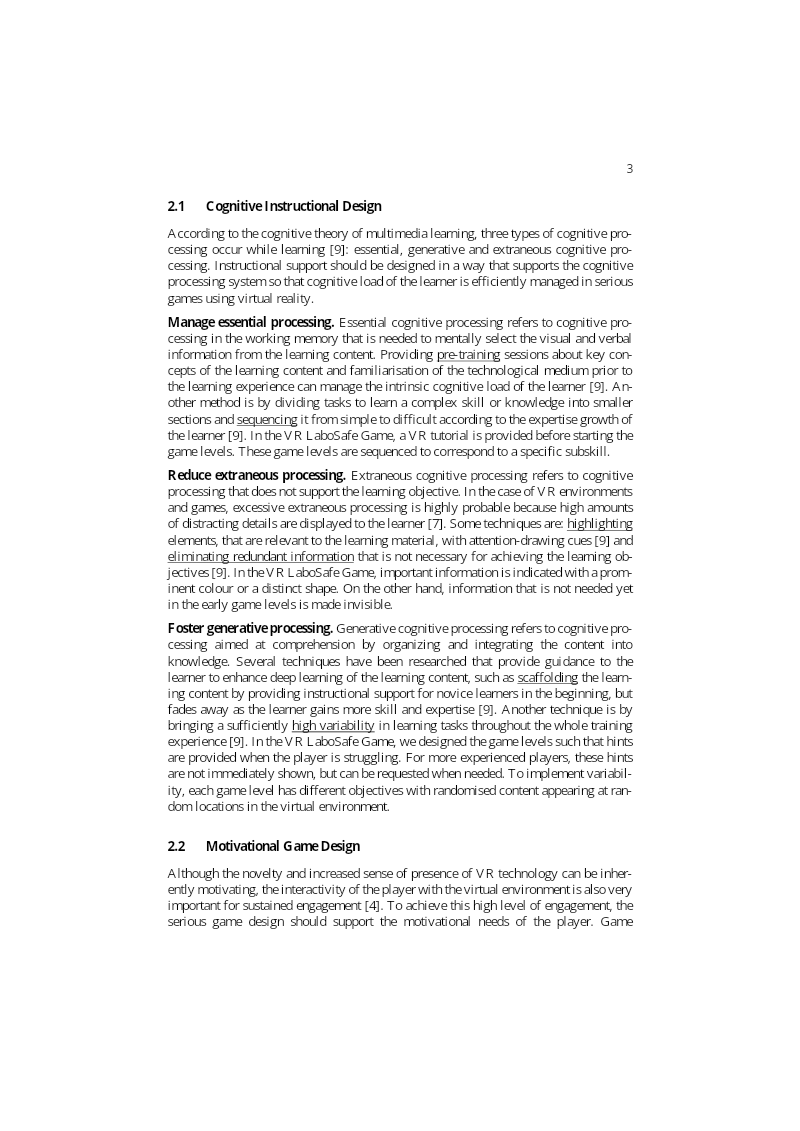
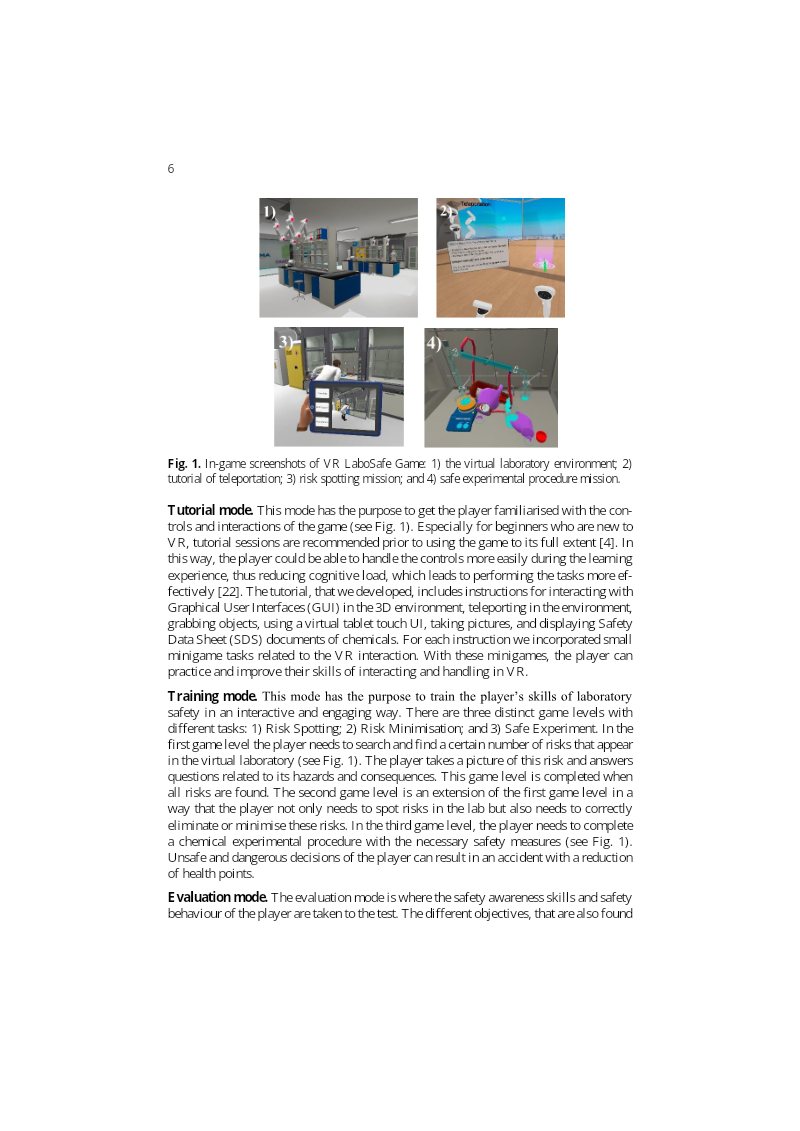
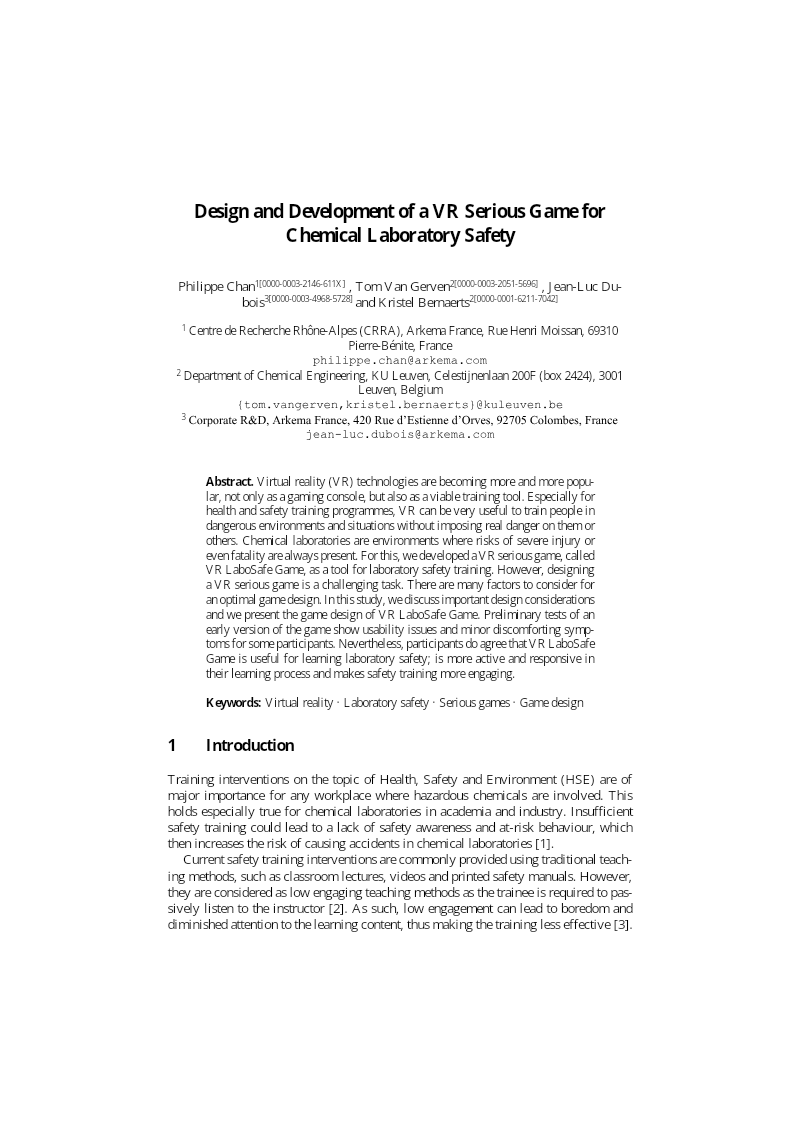
Whitepaper
Design and Development of a VR Serious Game for Chemical Laboratory Safety
KU Leuven · 2021
Whitepaper
Tailoring Gamification for Adolescents: A Validation Study of Big Five and Hexad in Dutch
KU Leuven · 2020
Whitepaper
If You Guild It, They Will Come: Organizational Leadership in Games
KU Leuven · 2018
Whitepaper
Bibles and BioShock: Affording Religious Discussion on Video Game Forums
KU Leuven · 2017
Whitepaper
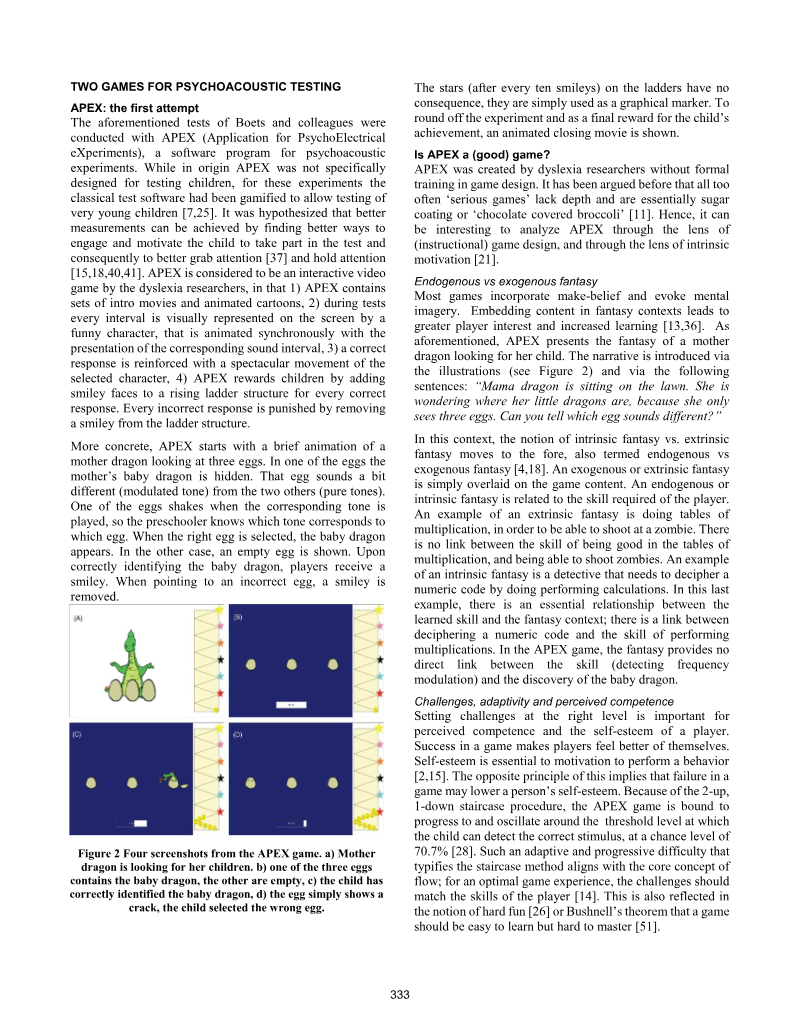
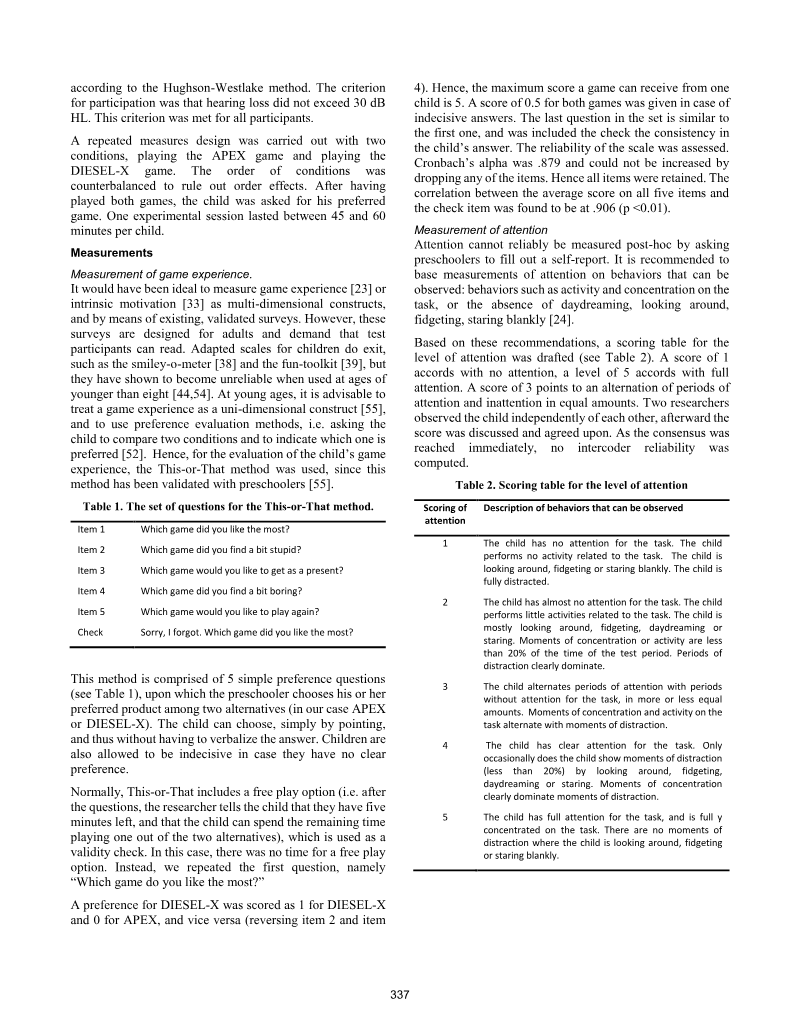
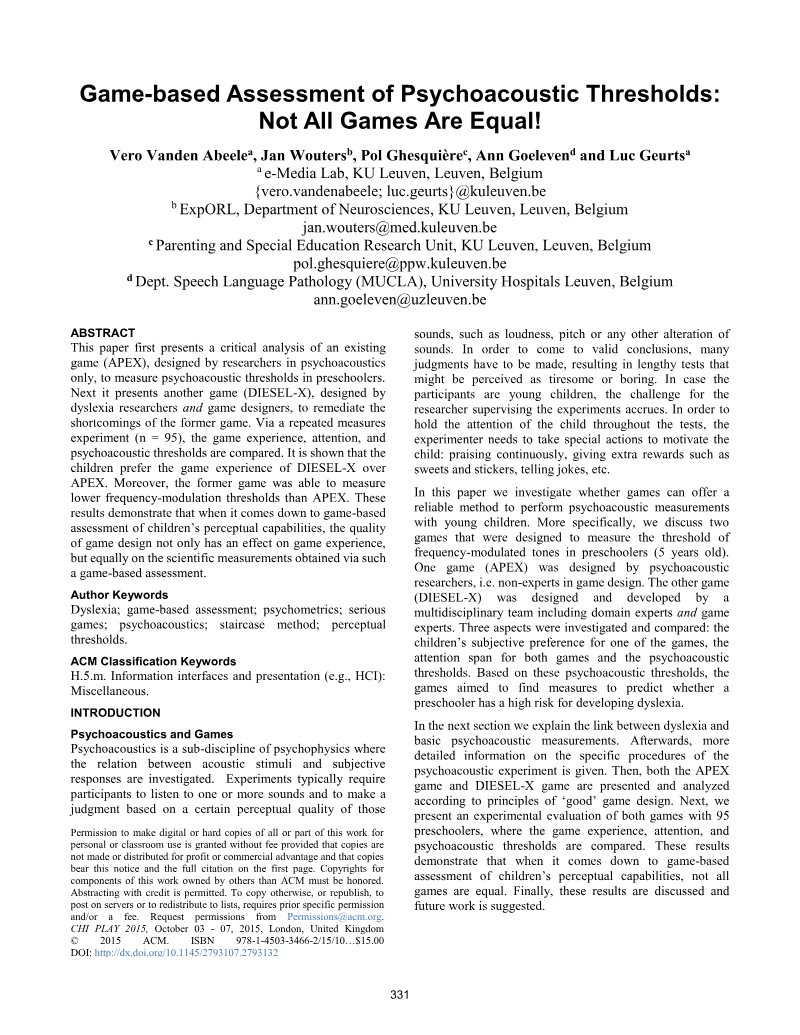
Game-based Assessment of Psychoacoustic Thresholds: Not All Games Are Equal!
KU Leuven · 2015
Whitepaper
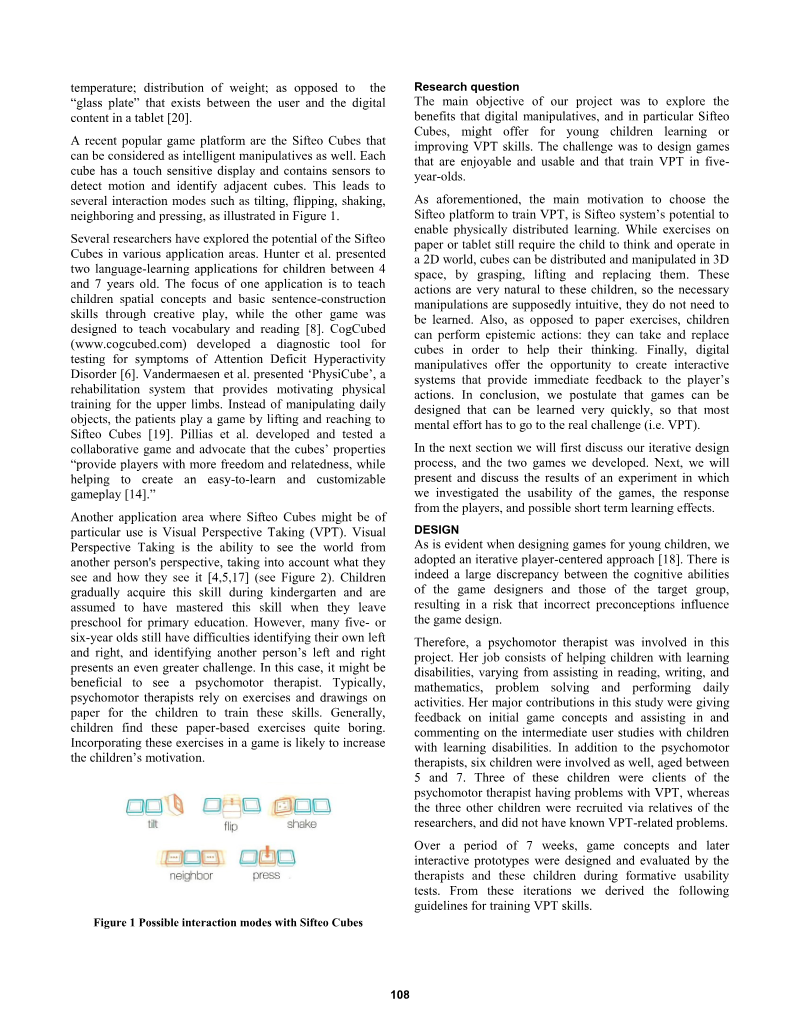
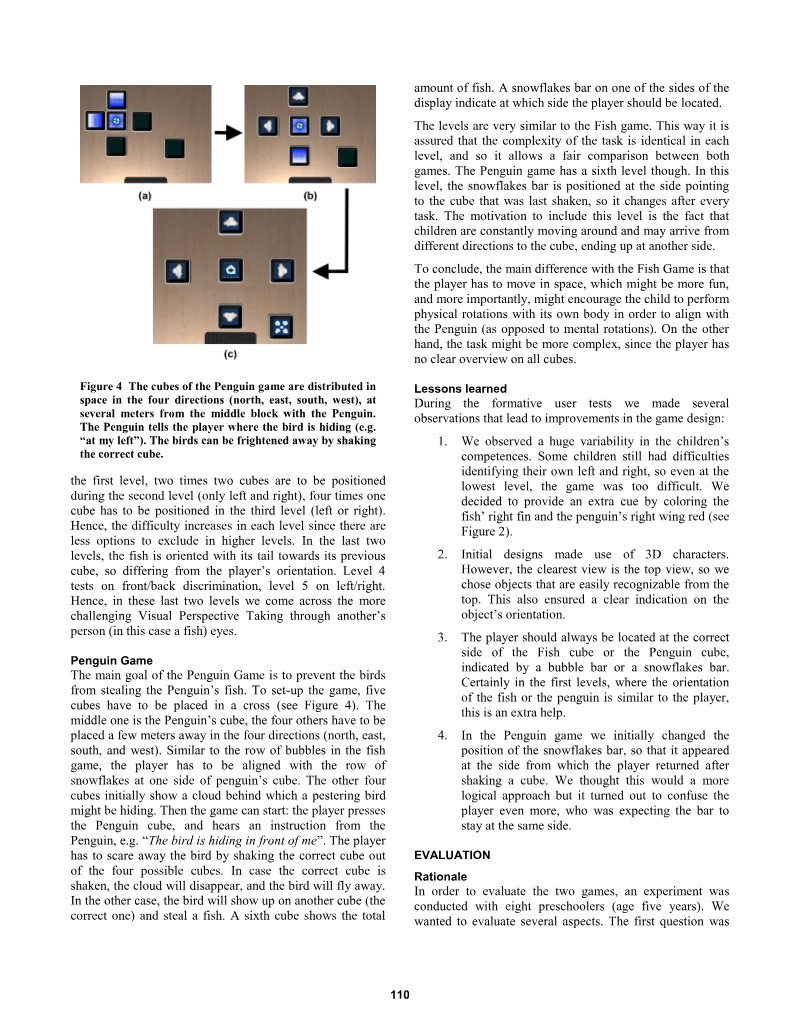
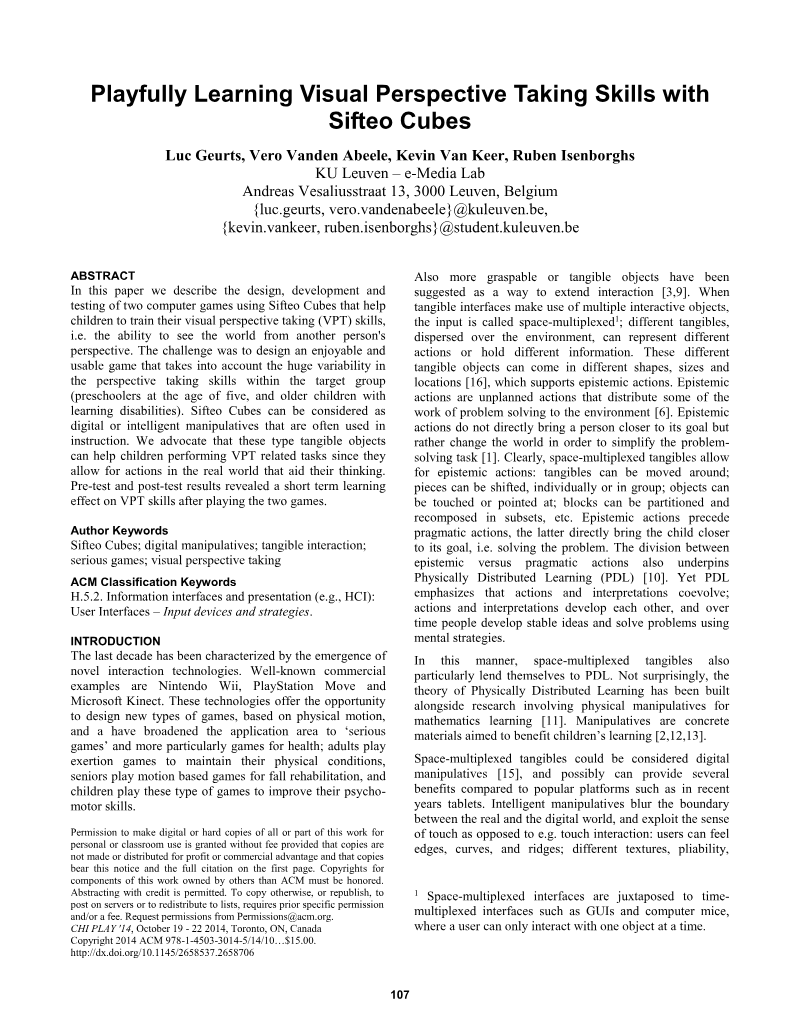
Playfully Learning Visual Perspective Taking Skills with Sifteo Cubes
Association for Computing Machinery · 2014
Whitepaper
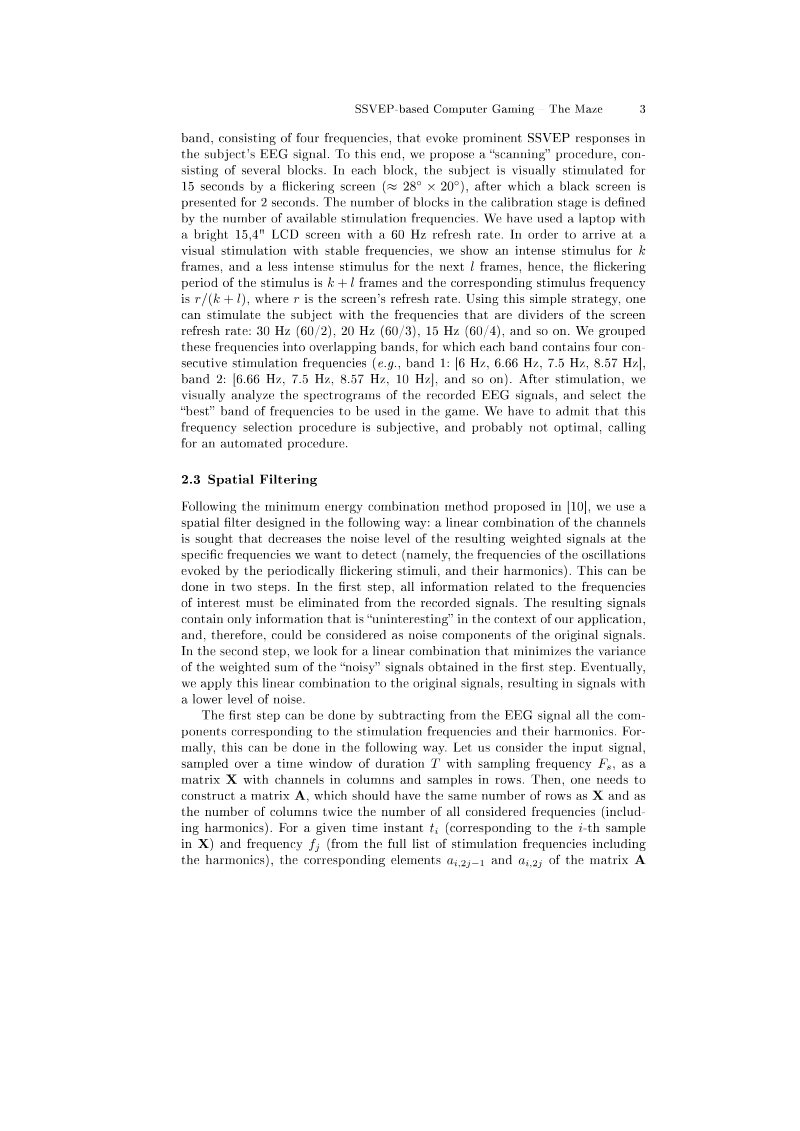
Steady State Visual Evoked Potential Based Computer Gaming: The Maze
KU Leuven · 2012