Loading the document
Key insights
4 slides
Narrow focus
Current research on educational games primarily focuses on immediate cognitive gains.
A broader assessment framework is needed.
Assessment Gap. Current research on educational games is limited by a narrow focus on immediate cognitive gains.
1 / 4
- 01Adaptive digital games significantly improve learning efficiency, allowing students to achieve educational goals in less time compared to nonadaptive versions.See it on page 4
- 02Adaptive game features do not necessarily produce superior cognitive gains or better knowledge transfer compared to nonadaptive versions.See it on page 4
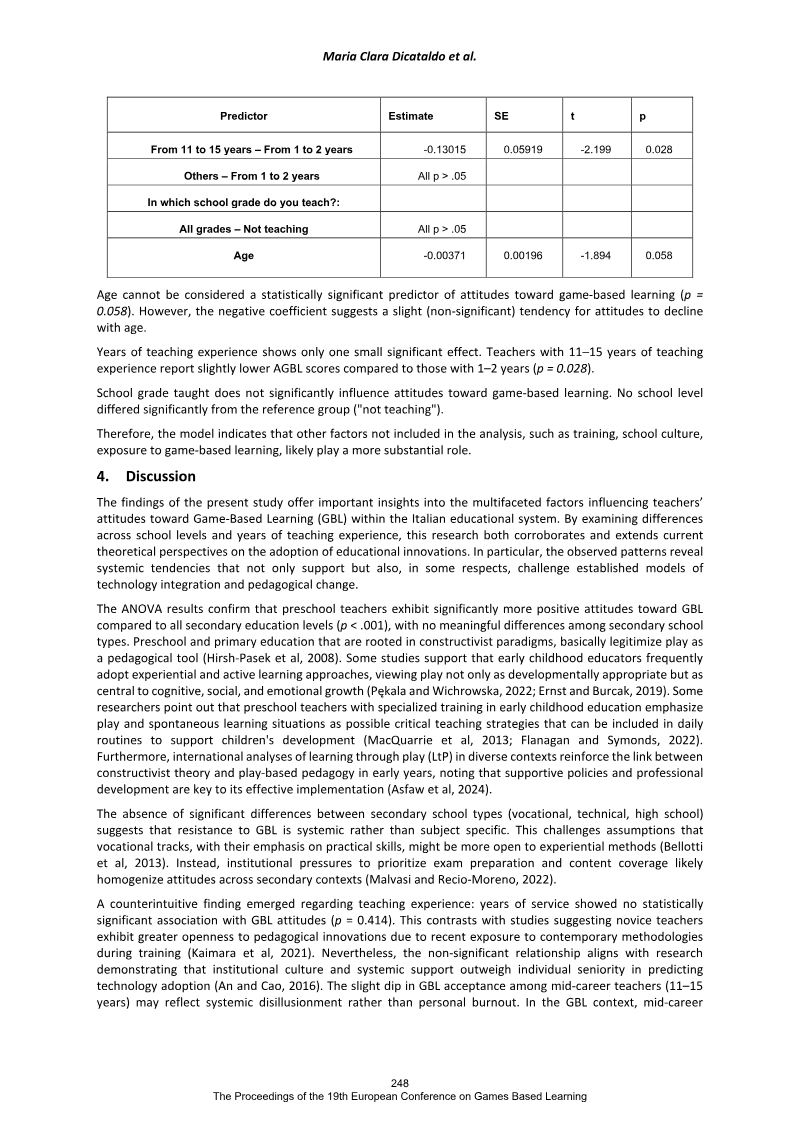
- 03The efficiency benefits of adaptive game design are not uniform, as the impact varies significantly based on a learner's prior knowledge.See it on page 4
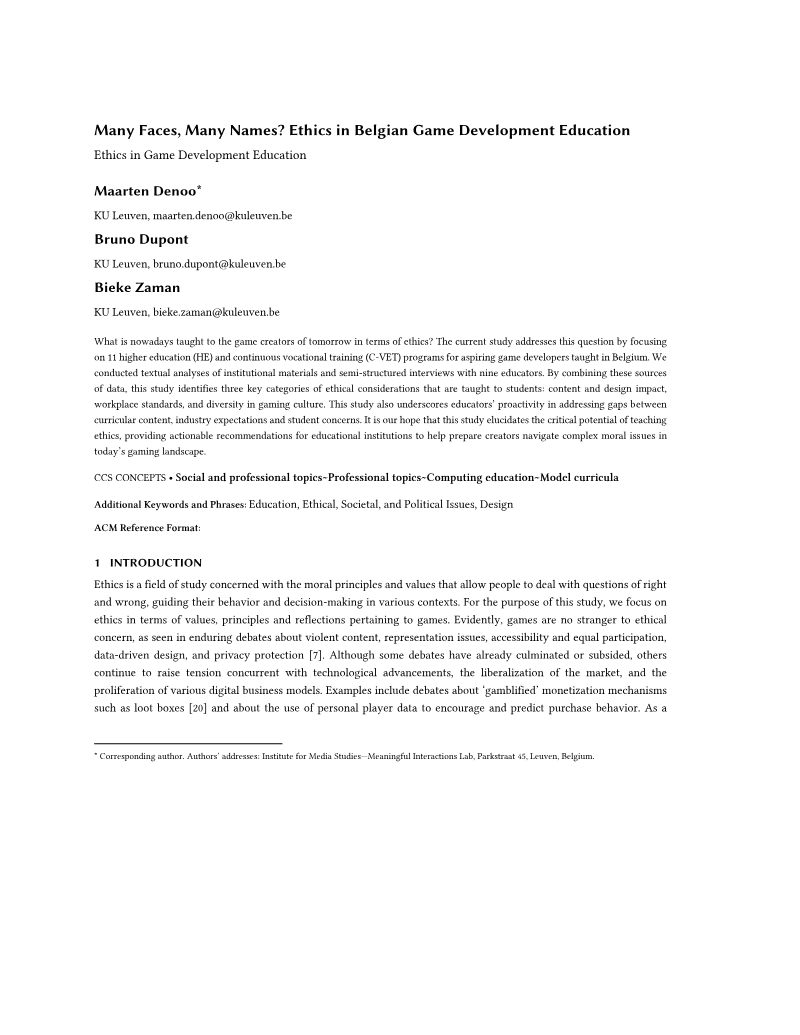
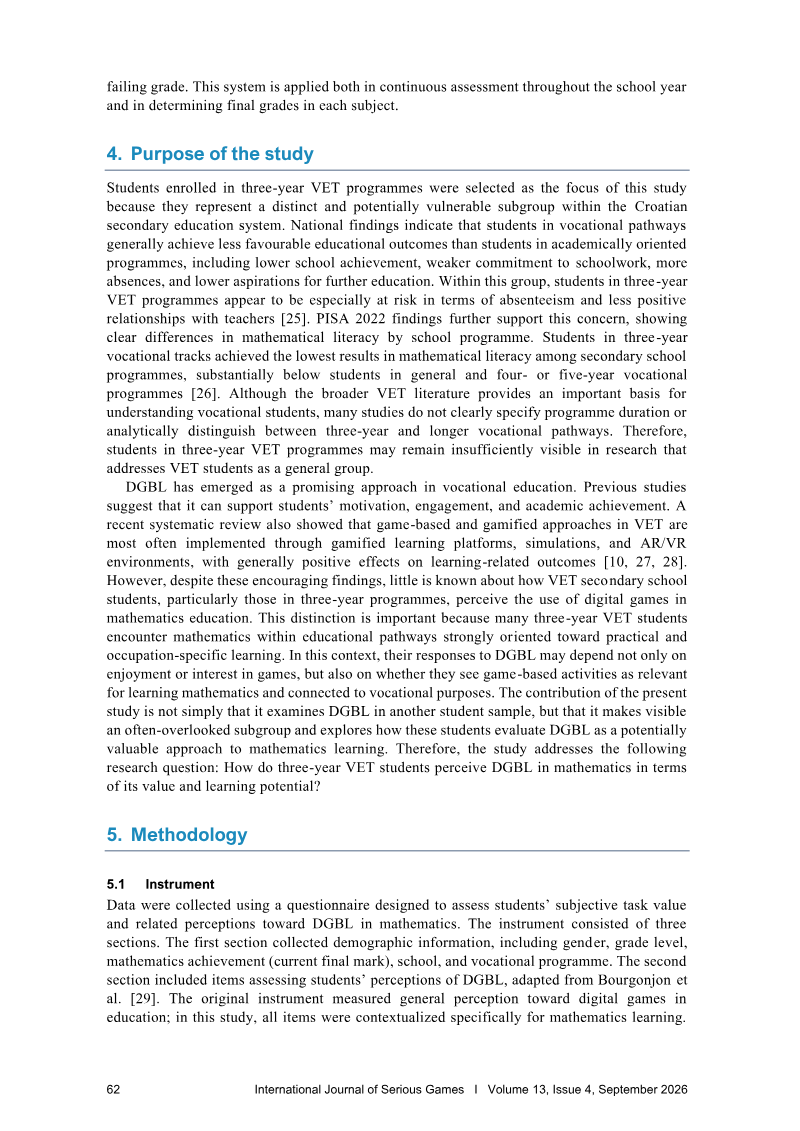
- 04Current educational game research is limited by a narrow focus on immediate cognitive gains, necessitating a more holistic framework that includes noncognitive and efficiency outcomes.See it on page 2
- 05A proposed assessment model for future research suggests integrating standardized testing with unobtrusive log data to better capture the interaction between game features and learner variables.See it on page 7
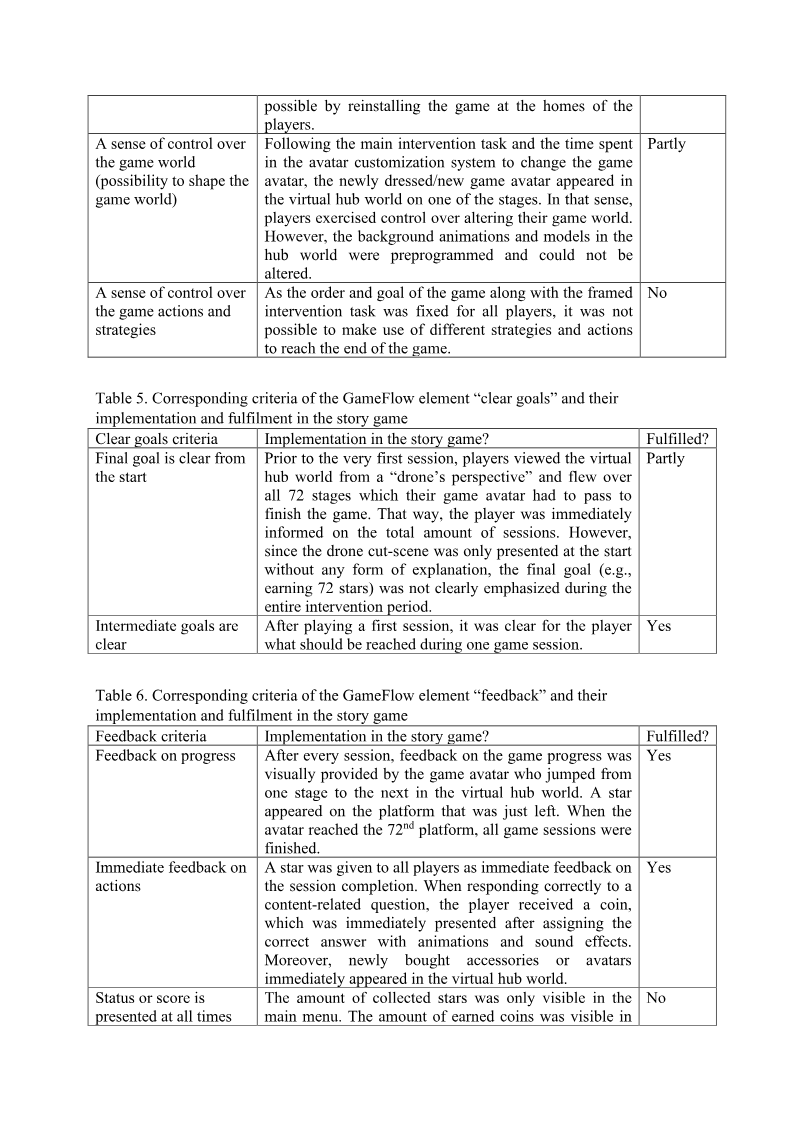
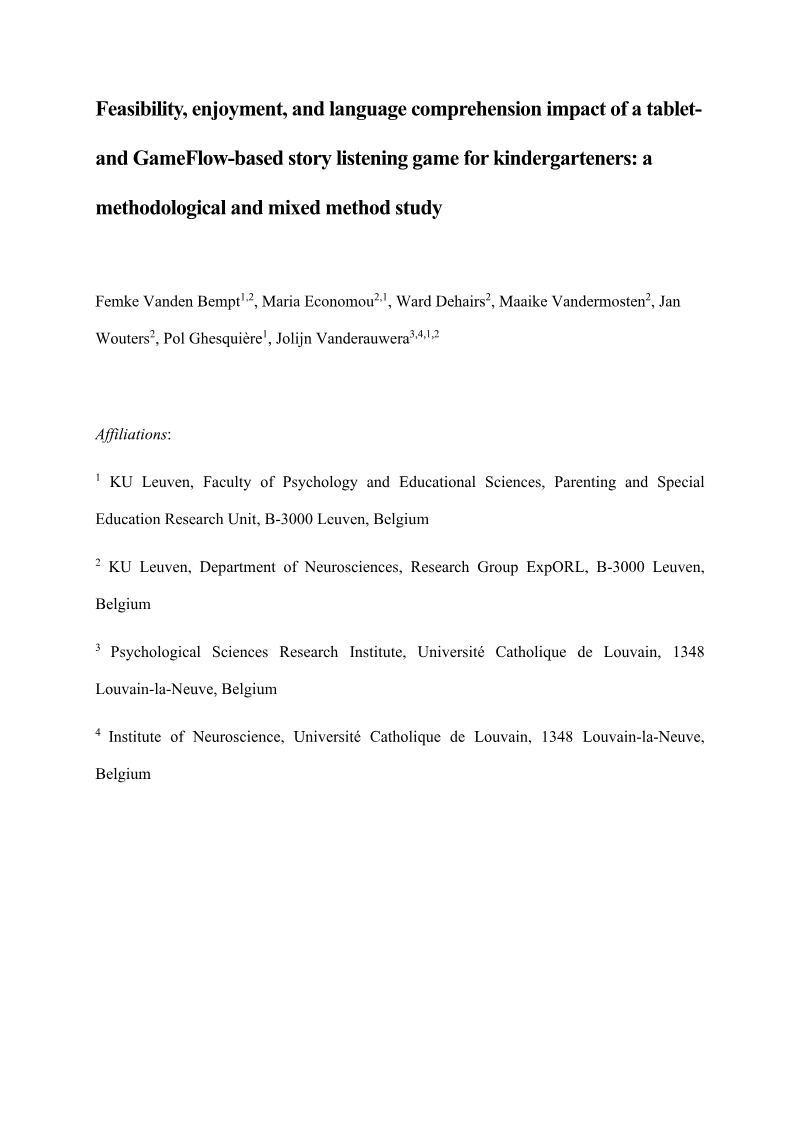
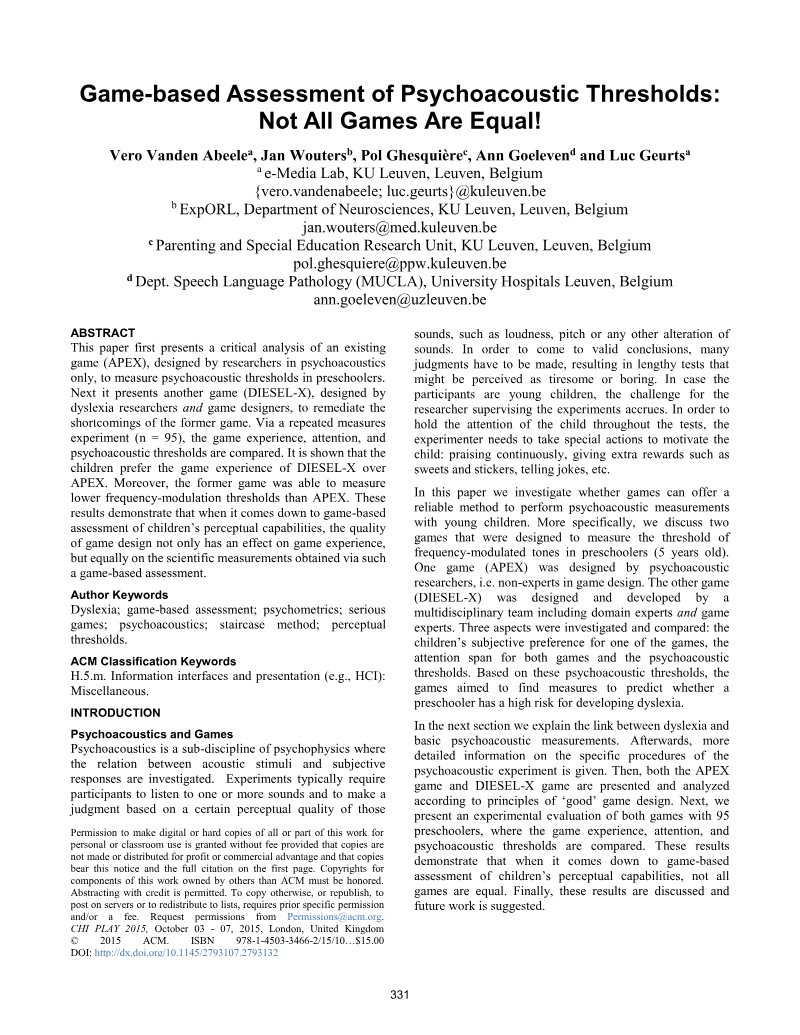
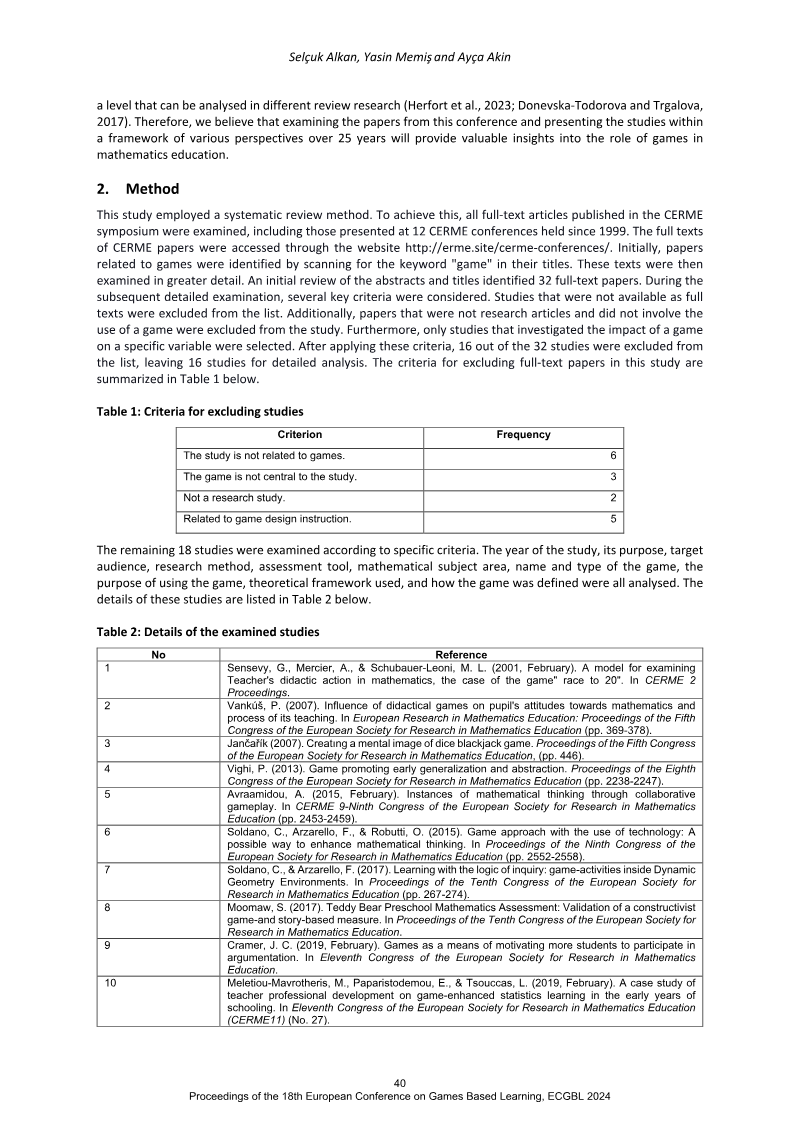
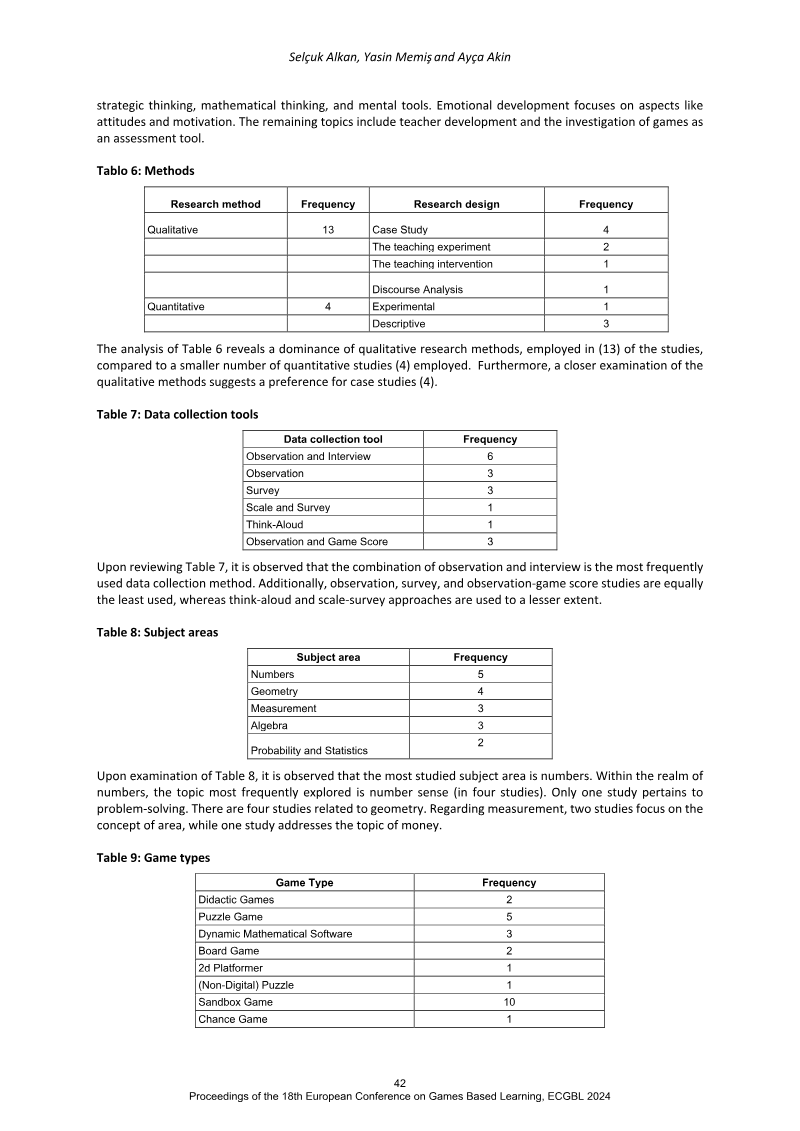
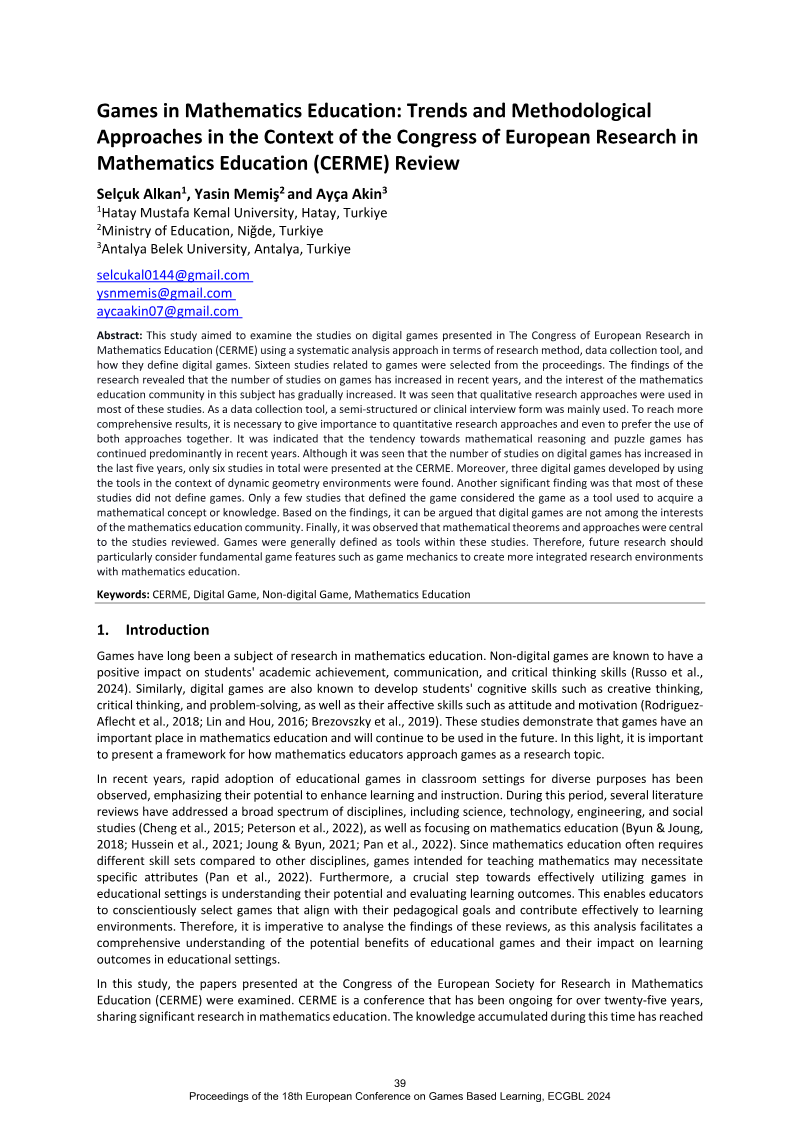
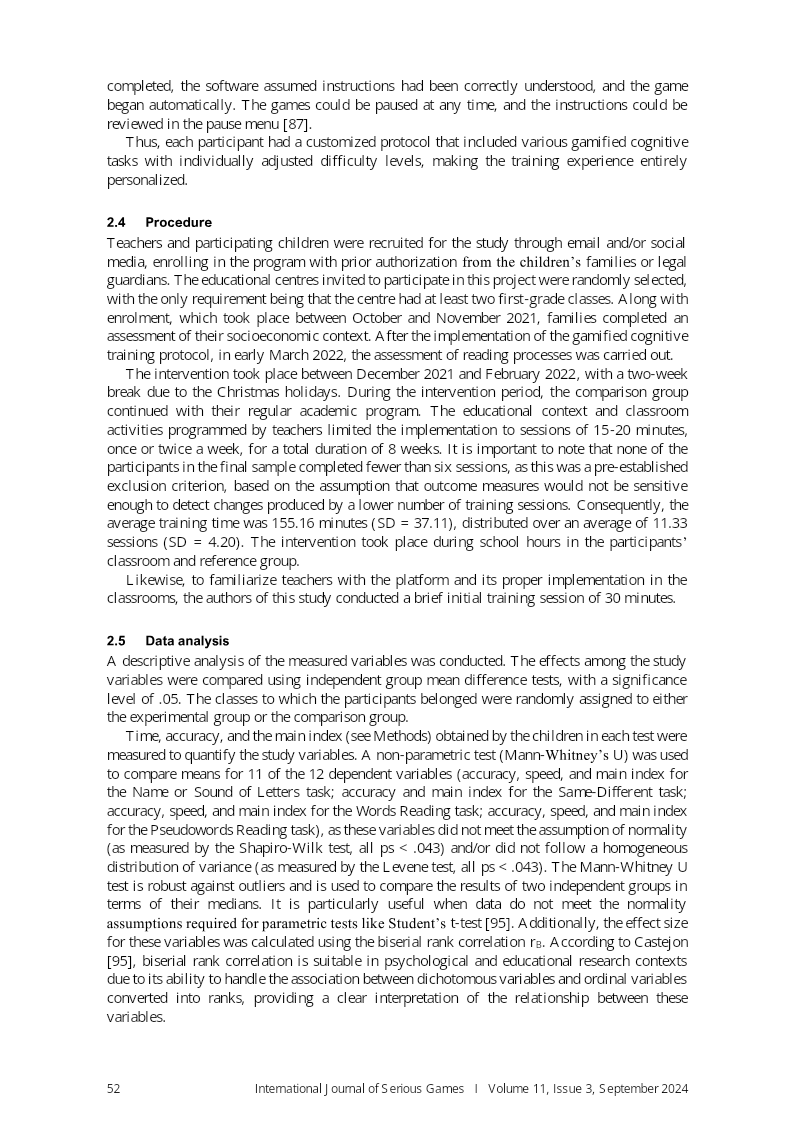
- 06The findings are based on two Belgian studies involving 191 kindergarteners testing a reading game and 84 first-grade students testing a number sense game.See it on page 5
Ask AI about this report
Summary
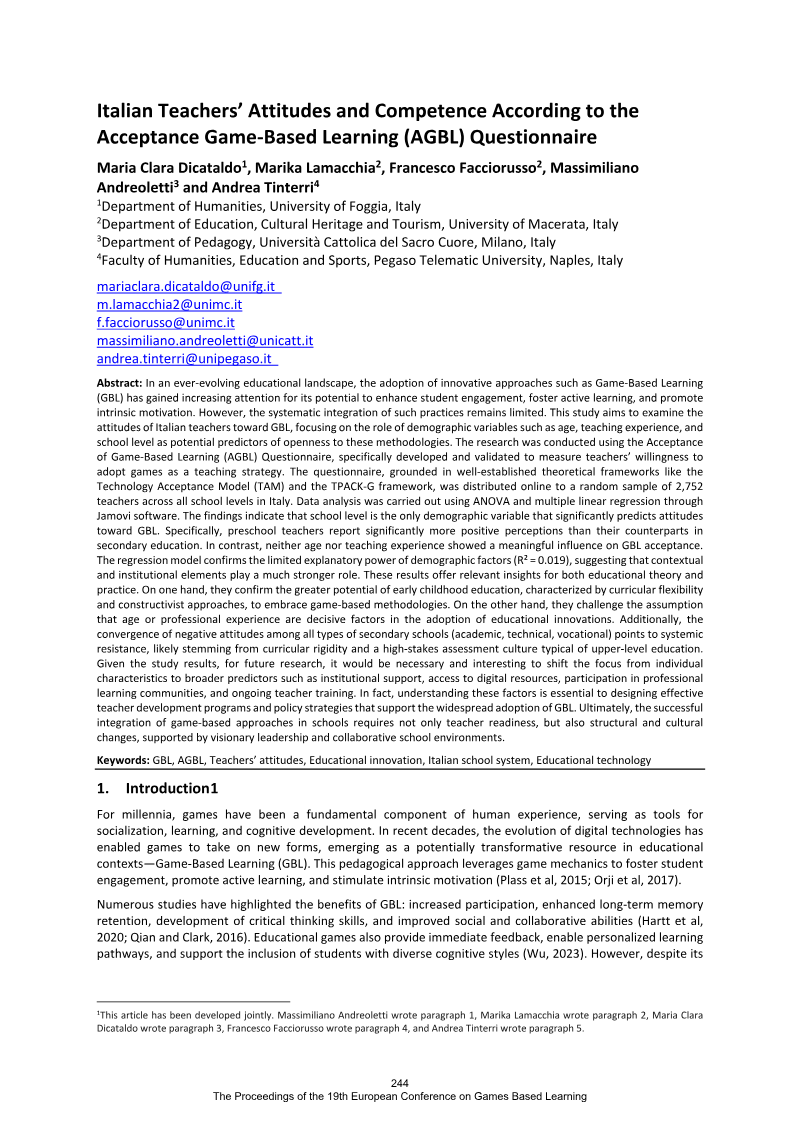
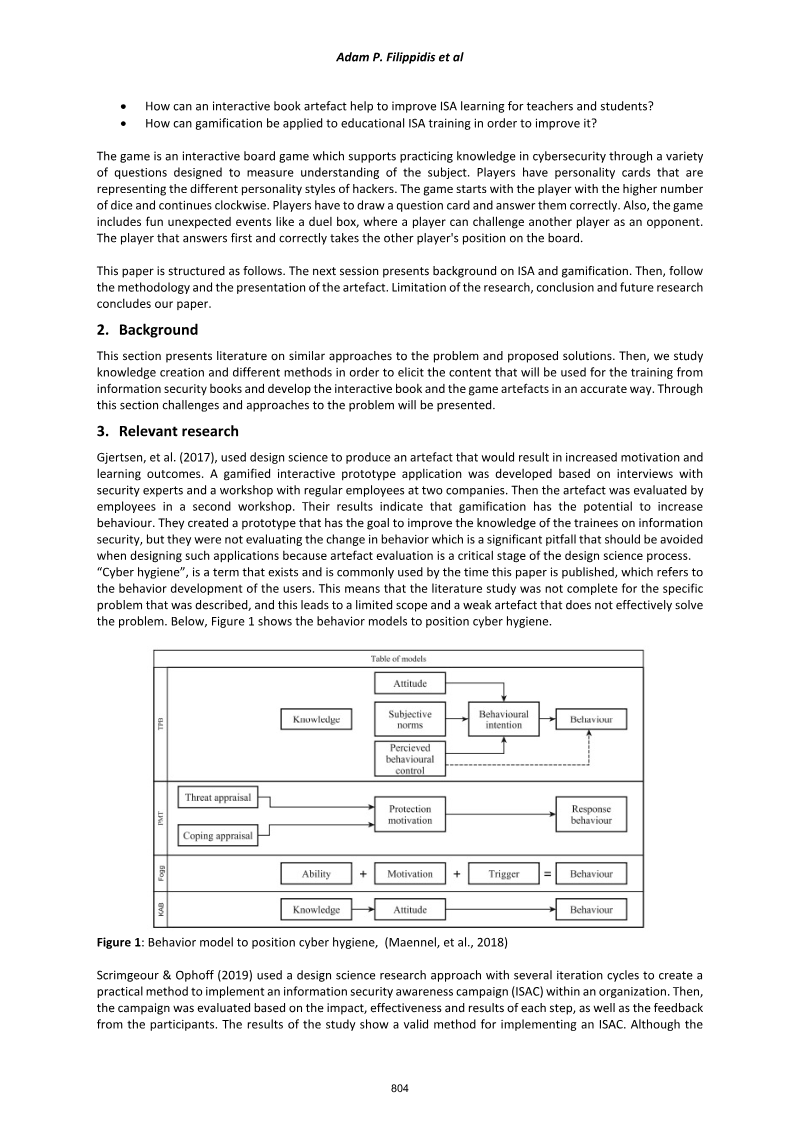
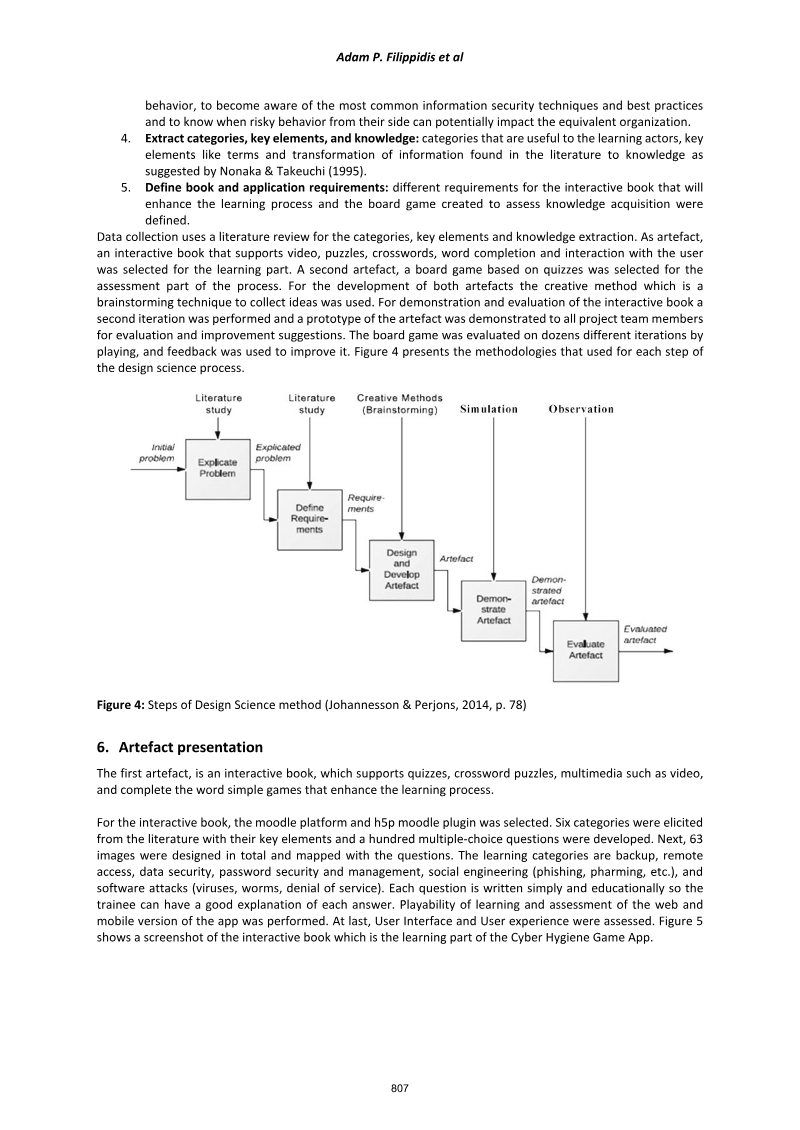
The primary purpose of this analysis is to address the lack of standardized, comprehensive assessment methods for digital games used in educational settings. While digital games are increasingly utilized to teach foundational math and reading skills, research has historically focused narrowly on immediate cognitive gains. The thesis argues that a more holistic evaluation framework is required to capture the multifaceted impact of these interventions, incorporating cognitive, noncognitive, and efficiency outcomes while accounting for specific learner and intervention characteristics.
The research is based on two intervention studies conducted in Belgium involving primary school-aged children. Study A examined a reading game with 191 kindergarteners, while Study B analyzed a number sense game with 84 first-grade students. Both studies utilized a value-added approach to isolate the impact of adaptivity—a feature that adjusts item difficulty based on real-time performance—by comparing adaptive versions against nonadaptive versions and active control groups. Key findings indicate that while adaptive games did not produce superior cognitive or transfer results compared to nonadaptive versions, they significantly improved learning efficiency. Specifically, children in adaptive conditions achieved learning goals in less time, though the benefit of this efficiency varied based on the learner's prior knowledge.
To standardize future research, the analysis proposes an extended assessment framework. This model categorizes outcomes into cognitive, noncognitive, and efficiency metrics, while emphasizing the importance of timing (pre-test, post-test, and delayed assessment) and methodology (standardized tests versus unobtrusive log data). By integrating these elements, the framework provides a structured approach for researchers to evaluate how game features, such as adaptivity and narrative, interact with individual learner variables like socioeconomic status and prior knowledge to influence educational outcomes.