1 free read left. Create a free account for unlimited reading + AI research.
Create free accountWhitepaper DiGRA
1 free read left. Create a free account for unlimited reading + AI research.
Create free accountWhitepaperDiGRA
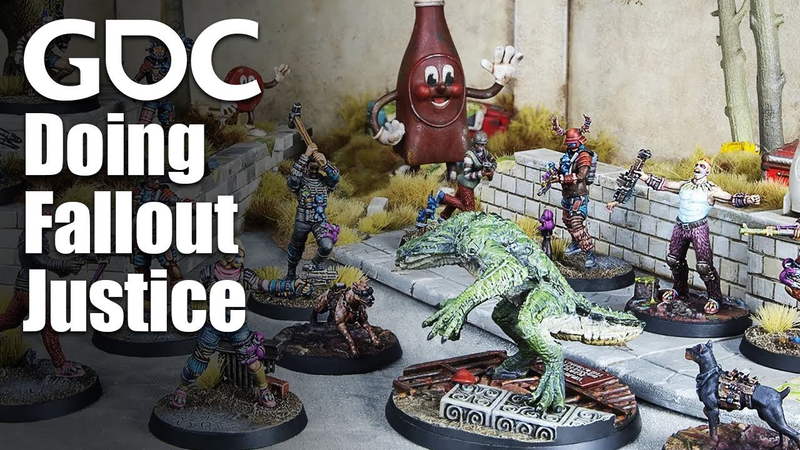
The paper frames kitbashing as players negotiating meaning through material alteration within rule-based constraints.
This paper argues that kitbashing, the modification and recombination of tabletop miniatures, is best understood as an information practice in which players negotiate meaning through material alteration under rule-based constraints. Drawing on material game studies and vibrant materiality theory, it frames analog games as assemblages where human creativity, physical affordances, and rule structures jointly produce meaning. The authors use Warhammer 40,000 as a case study, selected for its tightly regulated rule system alongside a large hobbyist community that produces both official and customized figures, enabling systematic comparison between standardized and kitbashed miniatures.
A central claim is that miniature bases function as material anchors: non-negotiable physical features that stabilize shared interpretation and gameplay consistency. Because bases are tied to mechanics involving movement, attack range, and objective control, players may alter weapons, poses, and decorative elements but generally keep bases materially consistent with official models. The paper illustrates how visibility rules, measurement conventions for base-less figures, and event organizers' validity decisions together produce shared material standards that emerge from a mix of formal rules and community agreement. It also notes that players sometimes declare the meaning of visually ambiguous components before play, underscoring the negotiated character of representation.
The authors conclude that kitbashed miniatures are negotiated material information artifacts, flexible enough to support individual expression yet stable enough to sustain consensus across play contexts. The study frames kitbashing as more than aesthetic customization, proposing a lens for understanding how stability and flexibility are balanced in craft-based gaming systems. The work is conceptual and framework-oriented, and the authors acknowledge that future research should examine players' own perspectives and extend the analysis to other tabletop games and craft spaces.
Each row is a game or company this document names, each column a document, oldest first. A mark means that document names it. Select a row to see those documents.

DiGRA · 2026

DiGRA · 2026



DiGRA · 2026



DiGRA · 2026



DiGRA · 2026



DiGRA · 2026



DiGRA · 2026



DiGRA · 2026

DiGRA · 2026



DiGRA · 2026



DiGRA · 2026

DiGRA · 2026
European Conference on Games Based Learning (ECGBL) · 2024