1 free read left. Create a free account for unlimited reading + AI research.
Create free accountWhitepaper DiGRA
1 free read left. Create a free account for unlimited reading + AI research.
Create free accountWhitepaperDiGRA
The authors argue that immersion from a game's rules deserves its own framework.
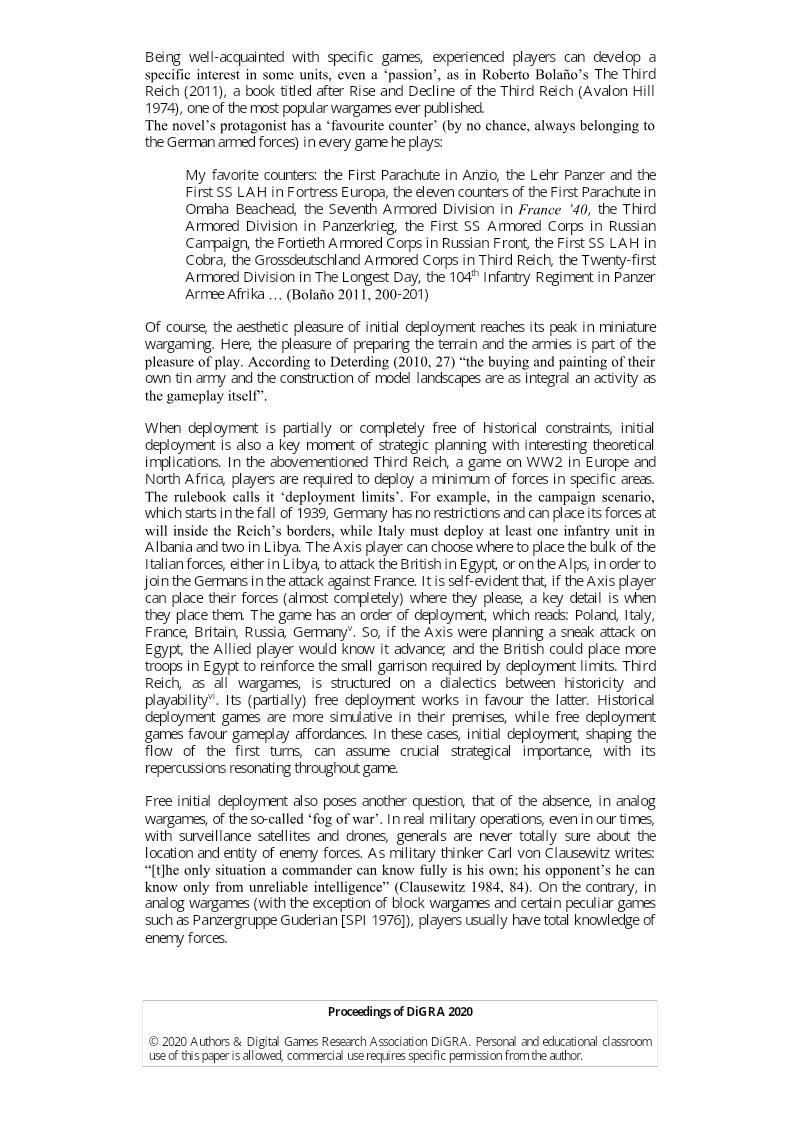
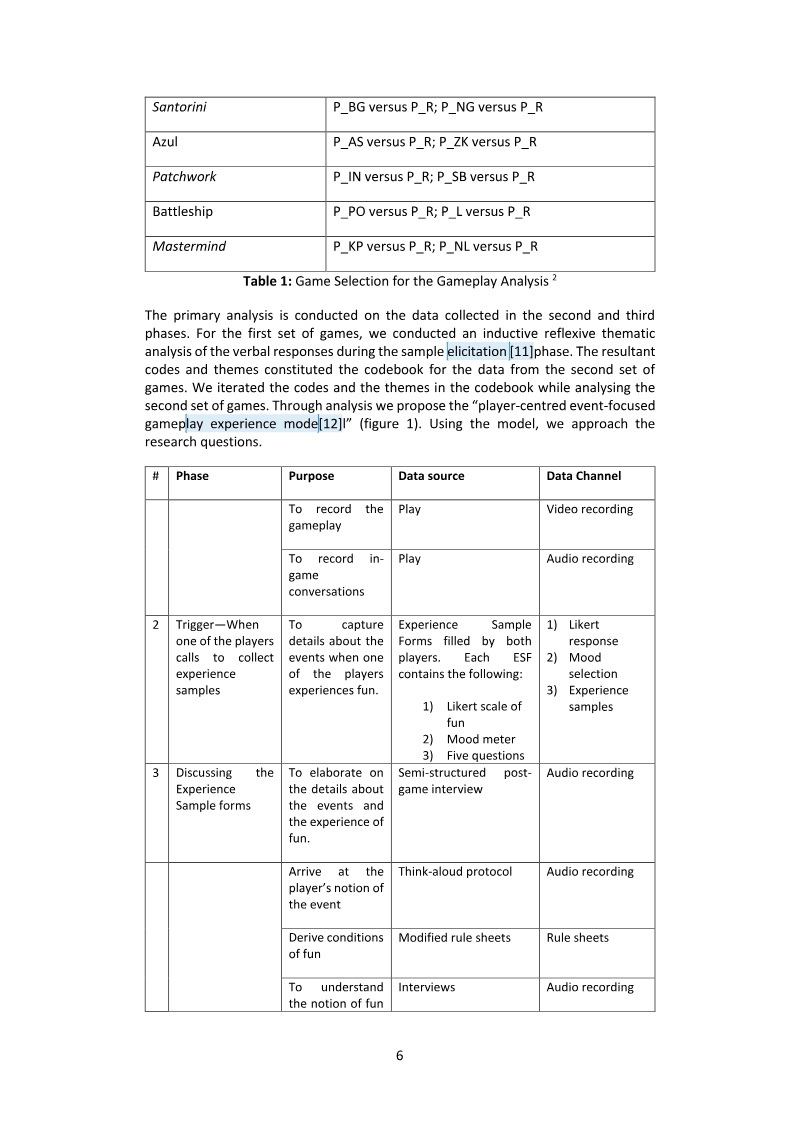
This study examines rule-based immersion in abstract strategy tabletop games, a dimension of player experience that the authors argue has received far less attention than narrative and fictional-world immersion. Using a phenomenological qualitative design, the researchers interviewed ten non-hobbyist participants aged 21 to 30, recruited from a college in India, after they played Connect Four and either Azul or Battleship over four sessions. Thematic analysis of these interviews was used to identify the ludic elements, ludic events, and player attributes that shape immersive experience.
The findings describe ludic elements as interconnected: objectives drive strategy, strategy drives actions, and actions produce feedback. Games examined include Azul, Connect Four, Ludo, Chess, and Battleship. Among the events that heighten immersion, the study highlights newness in game state, dramatic reversals, and end-game phases, while rewards and penalties provide feedback that sustains engagement. Participant views were mixed on the role of luck, the relative merits of fast versus slow pacing, and whether longer or repeated shorter games deepen immersion. Their responses also varied according to skill level, strategic preference, and psychological state, suggesting that immersion is shaped as much by the individual player as by the game itself.
The authors are explicit about the limits of these conclusions. The small, non-hobbyist, single-institution sample means the results should be regarded as preliminary, and the study's qualitative design is oriented toward identifying themes rather than measuring their prevalence or strength. The work is therefore best understood as an exploratory step toward a framework for rule-based immersion, with broader and more diverse sampling needed to test and refine its claims.
Each row is a game or company this document names, each column a document, oldest first. A mark means that document names it. Select a row to see those documents.

DiGRA · 2026

DiGRA · 2026



DiGRA · 2026



DiGRA · 2026



DiGRA · 2026



DiGRA · 2026



DiGRA · 2026



DiGRA · 2026

DiGRA · 2026



DiGRA · 2026



DiGRA · 2026

DiGRA · 2026
Board Game Studies Journal · 2016