1 free read left. Create a free account for unlimited reading + AI research.
Create free accountWhitepaper DiGRA
1 free read left. Create a free account for unlimited reading + AI research.
Create free accountWhitepaperDiGRA
Romantic choice features in franchises such as Assassin's Creed, Mass Effect, Hades and Baldur's Gate 3. The genre originated in Japan and remains underrepresented in English-language scholarship.
This paper examines intimacy, vulnerability, and uncanniness in English-language dating simulators and romance games, a genre that originated in Japan and remains comparatively underrepresented in English-language scholarship despite the prominence of romantic choice in major franchises such as Assassin's Creed, Mass Effect, Hades, and Baldur's Gate 3. The authors focus on a cross-section of titles, including the Monster Prom series, Boyfriend Dungeon, Florence, Doki Doki Literature Club!, and Dream Daddy, to analyze how gameplay and narrative construct experiences of intimacy. Drawing on McGlotten's definition of intimacy as an affective experience of connection and belonging, the analysis treats intimacy as closely tied to fantasy, longing, failure, and vulnerability.
The paper identifies three primary affects emerging from these games. Adoration arises from the interplay of player choice, the recognition of familiar character archetypes, and the disruption or subversion of those archetypes. Emotional vulnerability is portrayed through challenging romantic situations such as awkward communication, unwanted advances, breakups, and emotional unavailability, often conveyed by altering or inverting the player's agency through gameplay mechanics. Uncanniness appears through dark themes, including the uncertain presence of monstrous figures, constrained player control, and a pervasive sense that the game environment is subtly wrong.
The analysis builds on earlier scholarship addressing the uncanny in romance games, the shifting between cute and eerie registers, and the role of agency in dating simulations. The authors conclude by considering the broader significance of romance and dating elements in video games, noting their growing acceptance in mainstream culture and the expanding body of research on the forms of intimacy that virtual experiences can foster. The work is presented as an exploratory overview rather than a comprehensive survey of the genre, and it relies on close design analysis of selected games rather than empirical data such as surveys or player sampling.
 Assassin's CreedGame · Ubisoft Montreal · 2007 · 329 documents
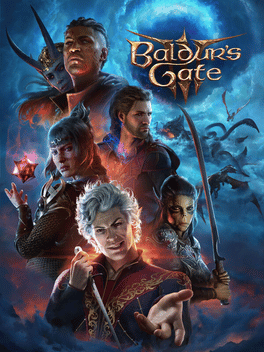 Baldur's Gate 3Game · Larian Studios · 2023 · 117 documents
 Baldur's GateGame · BioWare · 1998 · 103 documents
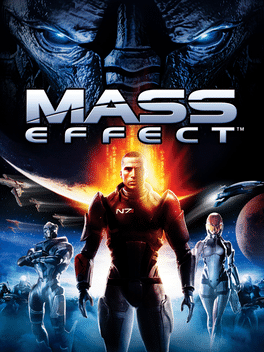 Mass EffectGame · BioWare · 2007 · 55 documents
 HadesGame · Supergiant Games · 2020 · 43 documents
Each row is a game or company this document names, each column a document, oldest first. A mark means that document names it. Select a row to see those documents.
DiGRA · 2026
DiGRA · 2026