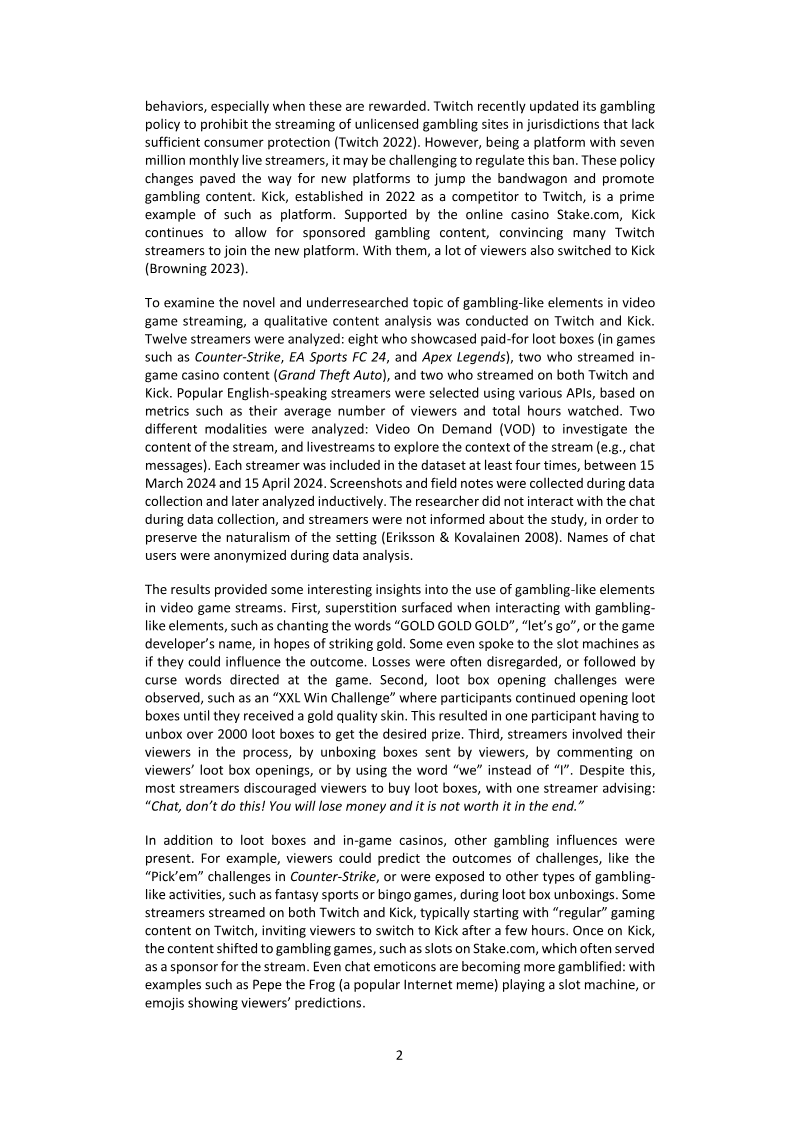
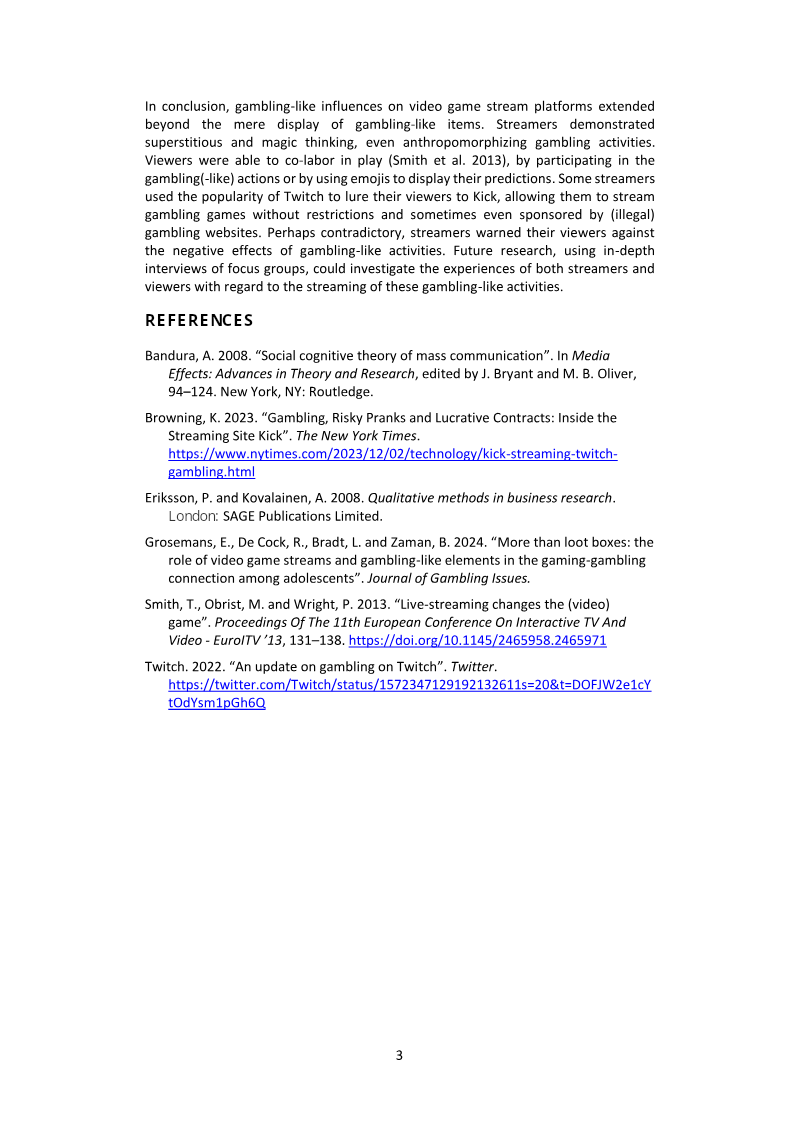
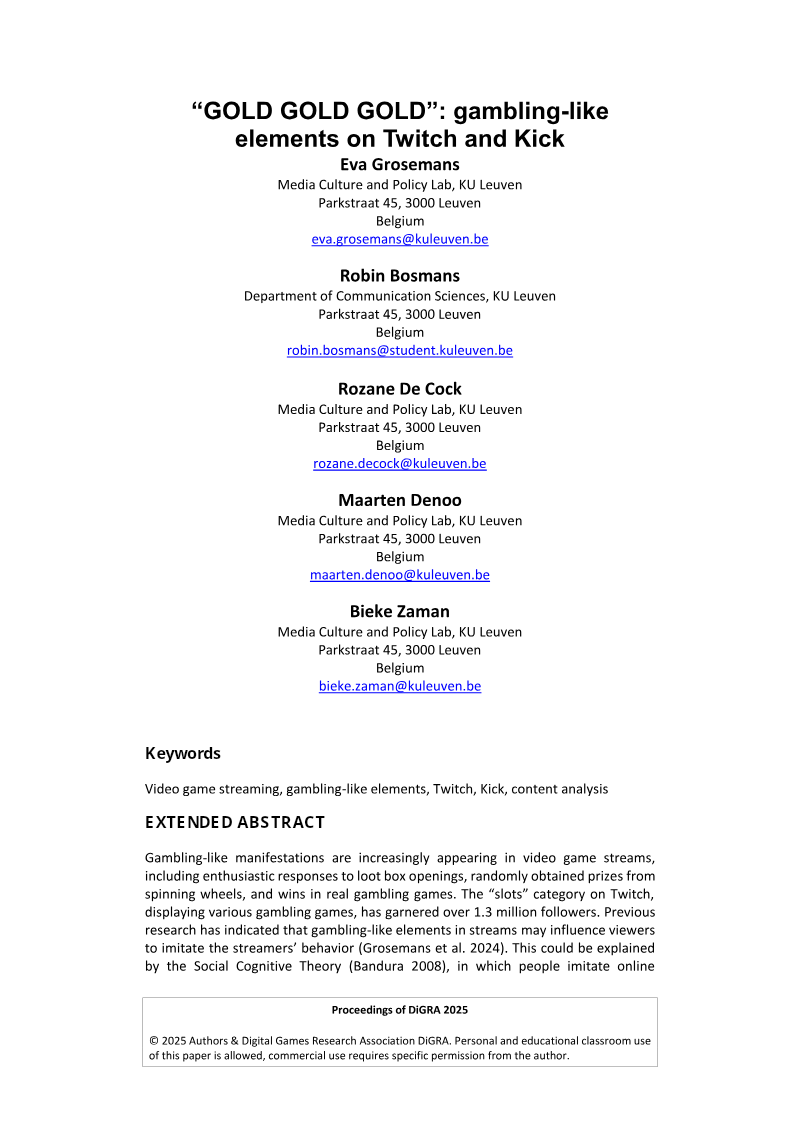
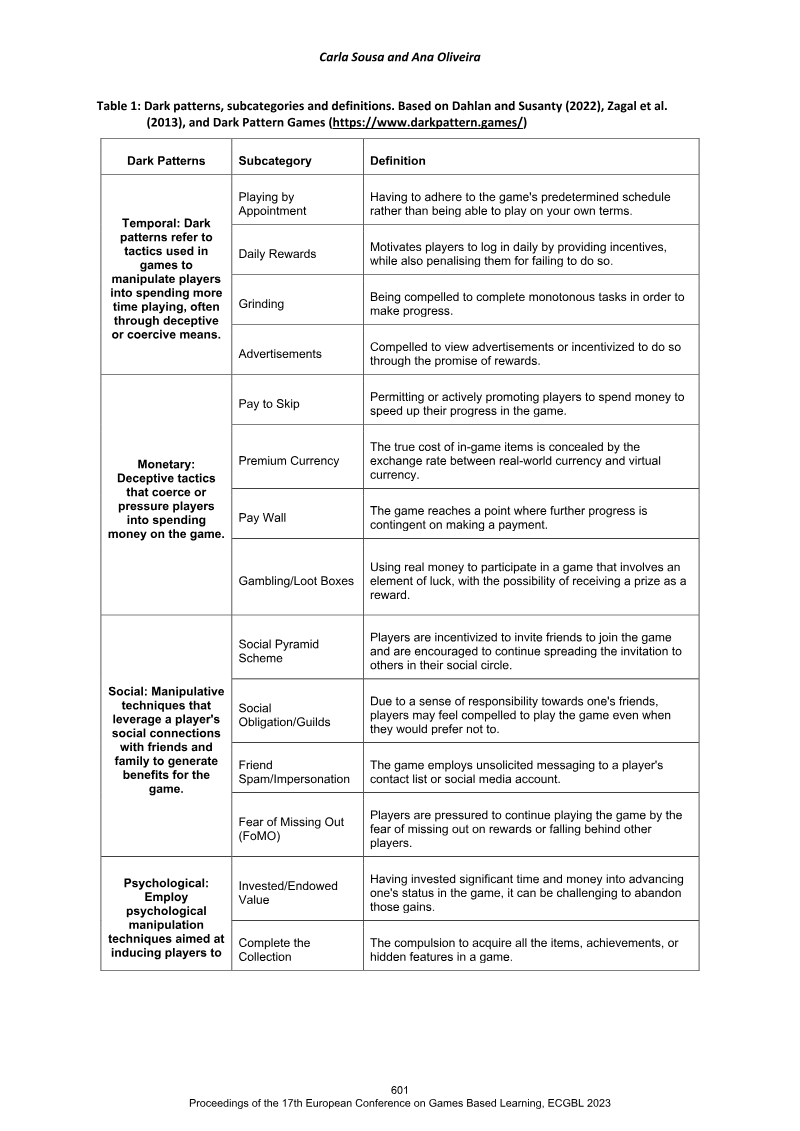
1 free read left. Create a free account for unlimited reading + AI research.
Create free accountWhitepaper DiGRA
1 free read left. Create a free account for unlimited reading + AI research.
Create free accountWhitepaperDiGRA
The study sampled 667 adolescents in Valencia, with assessments roughly six months apart.
A three-wave, school-based longitudinal study of Spanish adolescents examines loot box (LB) purchasing, a chance-based microtransaction in videogames, and its links to online gambling, Internet Gaming Disorder (IGD), and Online Gambling Disorder (OGD). The study sampled 667 adolescents in Valencia, aged 11 to 17, with assessments roughly six months apart, using a non-probabilistic incidental sample. Purchasing was measured over the prior 12 months at the first wave and the prior 6 months thereafter.
Loot box purchasing was common and relatively stable over follow-up, with point prevalence of 27.7% at the first wave, 32.2% at the second, and 29.4% at the third. Prevalence differed sharply by sex, ranging from 44.7% to 49.1% among boys and 6.4% to 11.1% among girls. About 56% of participants never purchased, while 16.6% purchased at all three waves. Transition analyses showed moderate temporal stability: persistence among earlier purchasers was 78.9% in the first interval and 65.1% in the second, with remission rising to 34.9%. A first-order Markov model found prior purchasing to be the strongest predictor of later purchasing, and girls had substantially lower odds of purchasing than boys.
Purchasing predicted higher subsequent risk of online gambling, with relative risks of 2.38 from the first to the second wave and 1.80 from the second to the third, though the association was clearer among boys in the later interval. Estimates for IGD and OGD clinical indicators were generally positive but imprecise, with confidence intervals often including the null, so evidence on those outcomes remains inconclusive. The authors conclude that loot box purchasing in adolescence is a prevalent, sex-differentiated, and temporally dependent behavioural risk marker, but that the findings do not establish a causal pathway, and they call for prevention, monitoring of minors' digital spending, and regulatory safeguards.

DiGRA · 2026

DiGRA · 2026



DiGRA · 2026



DiGRA · 2026



DiGRA · 2026



DiGRA · 2026



DiGRA · 2026



DiGRA · 2026

DiGRA · 2026



DiGRA · 2026



DiGRA · 2026

DiGRA · 2026
DiGRA · 2023