1 free read left. Create a free account for unlimited reading + AI research.
Create free account
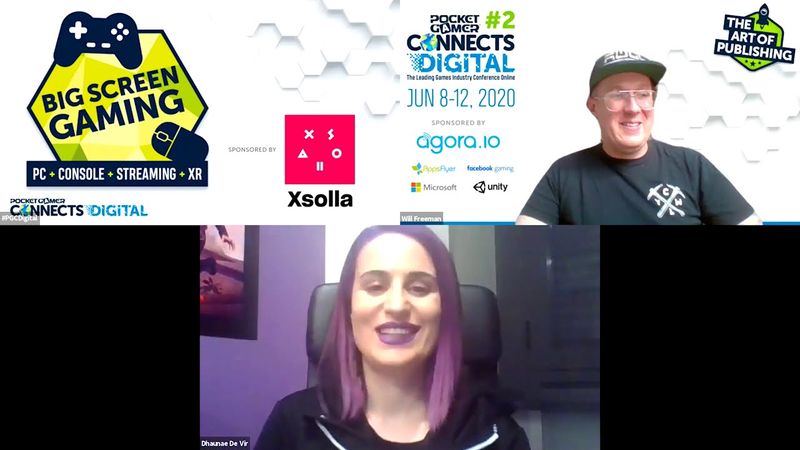
Licencing & Business Development at Paradox PG Connects Digital #2
Key insights
6 takeaways- 01Licensing serves as a strategic bridge that allows Paradox to explore niche categories and new technologies, such as virtual reality, without diverting internal resources from core grand strategy and management game development.
- 02Paradox manages its intellectual property as a lifestyle ecosystem rather than isolated products, aiming to deepen long-term fan connection through consistent brand presence across diverse media segments.
- 03Paradox Interactive utilizes a transmedia licensing strategy to extend core video game brands like World of Darkness, Cities: Skylines, and Europa Universalis into tabletop games, comics, fiction, and card games.
- 04The partner selection process is highly rigorous, requiring prospective licensees to demonstrate creative synergy, a deep understanding of brand pillars, and adherence to strict operational guidelines.
- 05The World of Darkness franchise operates as a shared meta-plot where narrative developments in video games are synchronized across physical products and novels to create a cohesive brand ecosystem.
- 06Business negotiations for licensing deals are structured around financial projections and minimum guarantees, with a focus on collaborative marketing and synchronized release schedules to maximize cross-platform engagement.
Ask AI about this video
Transcript
next up we are going to have um dehaani davir um from paradox uh to talk about licensing and business development and you know those could be hugely useful um regardless of regardless of your kind of role in games or what you do um some really interesting insights um should i say that's a guaranteed um so yeah um let's hand straight over i believe yeah oh yeah um fantastic background there um so yeah welcome to hani divia and i'll hand over to you hello hello uh you should be able to see me too i could see and hear you so i shall shut up and leave you to it okay so i'll share my screen uh
to start with the presentation so hello everyone my name is downa devier and i am a business developer for paradox interactive today i'm going to talk about licensing and business development at paradox so let's start with licensing licensing is funeraled all of it through a specific department that is of a quite uh recent creation at paradox among other things it is not our core business because as most of you know pardox uh develops games uh publishes games uh our own our own games and also other companies games so that's uh the core of what we do but now um since um a couple of years back we've opened uh this this specific team uh for licensing and i'm going to explain
why um first of all i want to say that licensing does business development but that's not the only business development that happens at at paradox so there are other pieces i'm going to talk about business development in licensing because it's the most unknown uh thing that i think that we are doing at paradox and i think it's good to shed a light on it so uh licensing is divided into various segments and since our core business is developing and publishing video games and we have other segments that are not video games which are for example a ttrpg so role-playing games tabletop we have comics fiction we have events for example and board games card games
and here comes the confusion that that happens at times which is that we also license uh video games and why is that because it's confusing because we develop and publish around video games we sometimes publish other companies video games and we are now also licensing well since a while back but you know um two three years back we are also uh licensing third parties to develop our brands so that's when it can be confusing so what's the difference between the games that we landed license out and the games that we publish or we co-publish so those are the games that are in generous that we don't consider ourselves to be experts in we're experts in grand strategy we are experts in management games we are experts in rpg but for example if we wanted to
um create a sports game we would not be the ones doing it or publishing it we would do it uh via licensing so and the thing is that licensing allows us to explore these new opportunities that otherwise we would have just missed so it's very is i have to say it's very uh exciting it's a very exciting work to do and um we um a big thing an important thing that we do because if we go back once like um it's not the core business but it helps the core business how do we help the core business one of the main things that we do to the business is that we support brand development so we have a series of brands those are some of our brands but we have plenty it's been a lot of years publishing video games and so we have cities skylines uh we have stellaris europa universalis but let's start with with world of
darkness and world of darkness um was an acquisition that we made back in 2015 and it was not a universe created as a video game it was a universe created as a gtrpg as a role-playing game pen and paper and it has multiple game lines multiple brands for vampires werewolves for mages changelings wraiths and um the interesting thing um with world of darkness is of course yes we we bought world of darkness to create video games based on world of darkness but we are also aware that world of darkness is a lifestyle so it is very convenient that we have the licensing department to support the fact that is a lifestyle and we can create a plethora of different experiences different ways in which the audience can have fun with the with the brand that
they love and this is of course not limited to world of darkness but it's the quintessential example so to speak because it's something that was not created as a as a video game it just um evolved in this way so there's a documentary called a world of darkness documentary that you can find on amazon prime that explains for example the impact of these brands on popular culture so that's very interesting and with the learnings that we have from world of darkness we are applying those to our other brands that stem directly for video games that we created uh you you probably know for example city skylines is one of our most popular video games is single player and you design your city and you build and it's actually being used um as an educational tool as well just not not
only gaming because it is so versatile then we have stellaris which is a grand strategy game to explore the vast ever-changing space we have europe universalis which is also grand strategy game in which uh you start with a nation and you try to to get uh global dominance and you you start in the in the late middle ages and finish around early modern era so um so we're applying all the all the things that we've been learning and from from the lifestyle that the world of darkness is to to these other brands and licensing is helping provide for example we're releasing um of course uh board games and uh for european universalis and card games and more things will be coming for for the different brands that we have and now finding suitable partners um
this is uh this is quite an interesting thing because since we are experts in video games and we cannot be experts at everything we cannot be experts at um creating products for every segment that we are currently supporting so we need to find um suitable partners and what does this actually mean and it means that these partners have to be good at what they do of course everyone aspires to to that but they also need to be aligned with our brand vision so every time that we interact with a prospective partner and that want to to develop um that want to develop a product based in one of our brands following the licensing model and we share with them a brand guidelines for them to read and absorb and then they can present a pitch and to us that then we review to see
if they're actually if they have understood our our brand vision if they have included the pillars into the pitch and and in you know if we can uh if we're going to be able to work well together creatively right because we also have to to be able to click and then um on top of that we also need a partner that can follow our process so we have a predefined process that we have designed for efficiency and and we also have to you know to gel on that because uh different companies have different rhythms and different ways of working and maybe they are amazing at creating uh some products that we want to release and maybe they're super aligned with our brand vision but then you know the places that we want to work um are different so it's not so easy to to find a partner and whenever
um whenever we find a partner that meets these requirements and we manage to successfully release something and we'd like to think that um this could be um a long-lasting partner because um we at carlos uh think um long term and um and you know it's always good to to work with with companies that you've been um successful working together for previous projects now i want to also highlight um what transmedia products means because i think it transmedia is a word that gets thrown around a lot and maybe maybe sometimes it's not really suitable for the you know when it comes in the conversation in our particular case for example i can put a world of darkness which is the most developed one and the our most developed brand in
in this regard in the regards of transmedia and it means that for world of darkness this is a shared universe and when for example vampire the masquerade which is one of the soft brands in in world of darkness and when um for example let's say we're going to release uh bloodlines too soon as as you probably know and let's say that in that in that video game um certain area is controlled by a certain faction anus at a certain moment of the you know in 2021 let's say so if if uh a novel is published and it talks about that area at that time and um so what was going to happen is that it's going to be controlled by the same but the same faction if then also in that novel there is one character that dies when
a board game is released later that character will remain dead because it is it is this shared universe so it's transmedia so if you as a as a part of the audience as part of the fun community want to follow them the whole uh storyline and the whole meta plot uh the teeth beats you you need to experience all all of those products which are self-contained you don't need to go to you know you don't need to um play all the games or read everything but if you're really a fan you're going to want to do it which it's an advantage for our partners because their products boost uh each other so um i think that is um it is both um an exciting team an exciting family to be a part of and at the same time is it's um quite interesting creative challenge because
you have all of these um moving pieces that you need to to create with with those in mind so i i would say that um that we are an attractive partner from a creative perspective to to work with and also because we're an ambitious company and it's uh we're should be also interested to work with uh from the business side of things so um this is my presentation um you may have uh some questions i can go deeper in in some of the things that i mentioned uh because i've gone like super quick um but um but that would be all for me like um i can go deeper and something if someone says please go deeper and how's that process or please go deeper in uh how long since you first get in touch with this
uh potential partner till this partner is approved and they start working like things like that i'm i'm here to to answer fantastic yeah i mean we do i'll use this as an opportunity we do have lima we have 15 uh 15 minutes left so let um we've got one question coming in so i will just put our call to our lovely audience we've got two questions coming in uh more of that please just in case you missed it you can um use the little q a button and below the presentation on zoom um we've got a couple coming in um and i'm actually gonna start with the i'll answer it well we'll tackle both i won't answer them that would be no help to anybody we'll um tackle both of the questions but i'll start with the one um simply ask please go deeper into the whole negotiation process how should a team start now that's a very broad question i'm sure we could it is totally broad
about but um yeah some more on that would be absolutely fantastic yeah okay so it's depend for starters it depends on the segment that we're talking about because of course every segment has its own baselines as to how things work and i mean maybe you could if you have you want to say like this specific segment and then i can go deeper on that but i broadly i can say that first of all we're very friendly we're very open and um it's basically we get a pitch either a full presentation or just an email with an idea and then we get back to you as to how we could like and when i say we i say the beast death team we get back to you to help you polish your your idea and your so there is uh it becomes adequate to present it to the corresponding brand team so that we can both approve it from the
business side and from the brand creative side so uh what i want to say is that um business developers and for licensing we we try to help you out make things happen because uh like i said we are we are very like the experimental and daring part that doesn't mean that of course when negotiations come to presentation things like that it's just you know it's that would as would it would be expected uh by the market but then you know it can slide um up and down things that it depends on the circumstances and it depends uh very much on the segment i know i'm sure that answers your question um well i'll tell you i was going to say to anybody asking questions in the text window if you need you know if you wanted to elaborate something to confirm something i'll keep an eye out for um for those so yeah and we have a good number of questions coming in you're still welcome to um welcome to continue answering
questions we'll certainly get through as many as we can um but yeah next i'll touch on the first one's coming which was do you believe that licensing allows the publisher to keep more open view of possibilities of work i mean a more transmedia view of the brand which chimes perfectly with some stuff you're saying earlier that that is for sure i mean if we were limiting ourselves to what we are experts on there would only be you know only i mean it's a lot but there would only be video games coming out on ground strategy management and rpg and maybe more as we expanded but we wouldn't have uh would say we wouldn't have escape rooms for example we wouldn't have fiction because we don't do that we wouldn't have jewelry because we don't do that so for that we need to to get the right partners to you know to do the project together great stuff um yeah dude brilliant a few
more questions um i think let's try and get through them all and the next one is a short question a big question um how do we identify the right price to pay for a license well that's a great question actually and it's not as as difficult as as it seems first of all it's not um it's not a license that that you pay and we forget about it it's um it's on royalties based and then you can where we are exp so let's let's start from the beginning let's say that you pitch a project to us right and you send the creative part and then you say the best you send the business part and that includes a p l like this is how much we are planning to make so based on that we will then say okay so then let's establish this minimum warranty because you need to back up the fact that you're saying that you're going to make this much right and then depending on the slider of the minimum
warranty and depending on which segment it is the minimum warranty and the and the royalties rate they can slide right they depend on each other but it is it is pretty easy because there's you know it's the the when you when we do the calculations it's very apparent what makes sense for both companies no one wants to rip anyone off so you know it's it's quite easy great stuff great stuff um are you interested in are you interested in multiplayer games with a multi-platform strategy or only single player oh we are interested at licensing we're interested in everything so i can tell you that the only thing that i can tell you and i haven't specified that we are not interested is in licensing anything that is not uh based on our brands we want to develop our brands because sometimes we get pitches about
uh games or products that belong to brands that the center has created or something we are not interested in that but if it's based on our brands we are very much open to to discuss pretty much anything great stuff um let's have a look um when a team comes i guess this is a chance for you to clarify another one um similarly i believe would be my guess when a team comes to you do they need just a transmedia pitch or some prototyping a product that's ready in some way so i mean um the more the more that we can see the better but it's not definitive it's not like if you are coming with a prototype already we're going to be more inclined to approve it is just that we will have more facts more data sorry to move faster if not uh then that's included in our process like if you have like a regular pitch and you don't have still a prototype
it's that um our process that is reflected on our contract would would set the window so maybe we we sign but you still need to deliver on what we agree so the prototype is a great help to make us decide yes we can go with this company it's not essential but it always helps interesting stuff really interesting um another one on the transmedia um side of things um which is you know it's it's interesting to hear this being being talked about again um when dealing with trans media what is your approach on marketing new products that are beyond your expertise because i guess that's the nature of the beast with trans media right is it might involve embracing relatively anything so we offer full support to our partners that are that are in our in our family in the sense that if you are going to release a product
and that let's say because i know that we have like this everyone thinks well if it's not a video game maybe where they are going to forget about me and about marketing me but that is not the case like i mentioned before for example for world of darkness uh this is the best example right now since it's the ones that we have developed more as a brand and as a transmedia brand and we we support equally all of the partners because every product is part of the universe and every product adds and so we actually sync releases and announcements so that everyone has their slot zing um yes i'm really um really good sorry the message saying i'm muted popped up just as i unmuted myself um right i've got over that um yeah really interesting stuff i'm going to pick i think we can get through all of these but i'm going to pick this one next it left out me is can you over license
and they mentioned brands like rovio were criticized for angry birds being maybe in their in the words the question a bit too ubiquitous so yeah can is over licensing a a worry so that's that's such a great question um could be a worry if you are not loyal to your to your pillars and your brand but if you if you analyze what you're going to release and if it makes sense in the big puzzle of your transmedia universe that you are creating then you can be sure that you're not going to be over licensing on the other hand um personally i have to say that over licensing has worked well as a strategy for some not that we're going for that definitely not but it's not inherently bad either great stuff um yeah that was a yeah
fascinating answer fascinating question that issue of over licensing is a really interesting one we've got lots of content to fill whole hour talks for uh next time um yeah um someone else has asked um can you expand more on a typical license deal what or how much should a game license holder realistically expect to recoup do they mean from the from the minimum warranty from the initial investment that they made with to recoup from from where yeah that question was i believe anonymous um so if the person um [Music] can you expand more on a typical license deal what or how should a game license holder realistically expect to recoup um yeah if the person asks to ask that question can elaborate on that i mean in the meanwhile i can i can say that for example the minimum warranty that we establish is always recruitable like it's always so then you recoup
it and then you start paying royalties so i think that's pretty fair maybe that was a question maybe that was different um and just to say to the audience i mean well you're clearly getting some fascinating you know very practically useful answers and we've definitely got time for a couple more questions um i yeah so um another anonymous question asker saying um have you any particularly interesting case studies of licensing a game brand to another game developer of licensing a brand to another game developer game developer also but the regular cases like we have a brand and we license it to another i mean we have we have several interesting cases we are um because we do quite a due diligence of selecting our partners then we have um success cases that that are like super interesting and um and then cases that we're still
waiting for you know to be to to happen just recently we have um announced like earlier this week and read the oblivion afterlife and um and um everything this is one of the things that we wouldn't have been able to do if it weren't because of of licensing because um okay we could potentially do that type of game but never if it's vr because it's not only about the generate in the case of uh lessons in video games it's also about the technology if it's something that's super out there and we are not experts then um it's a good it's a good case for for licensing so i i cannot right now recall any particular example that i would tell it is brilliant for you to show you this something but um what i can tell you is that um we are we are pretty happy with our
with our partners and all of the cases are actually interesting to follow what can i say yeah yeah no fair enough and i'll just give our audience a question to ask maybe one more there is somebody looking for um insight on hair dying tips but i'm not sure this stage is the place for that although they have been very complimentary about the background wall color and but i think we will skip on that one as we're here to talk about licensing games um one more is coming excellent you mentioned a good relationship with the partner is important can you give us an example of a situation and you don't have to be specific of course whatever allows you to kind of talk about it most freely um an example of a situation where a difficult developer made closing the deal harder impossible um so when for example when potential partners are not responsive uh for example because sometimes the the the window of opportunity of opportunity just passes because we need to to coordinate so many
moving parts if you're not responsive then you you might lose like the window of opportunity that there was for that particular project it all depends on the segment of course for for some of them like the window is way bigger but for some others it's just like very so i would say be responsive i would also say be kind being kind is a very nice thing to do to everyone and um and also if we ask a question please uh answer the question and go straight to the point so that we can see that you're efficient and that we can have a good business relationship moving forward fantastic and yeah i think that's a really nice point we are out of time now um a couple of another a good question has come in but time has run out and i think that yeah it's a nice point to end on that point of being kind being thoughtful being human right those are not just nice things to do they're i mean it's great they're nice things to do but they can also be very important they're tools that are powerful in this
process um so yeah um we shall leave it at that thank you so much for your time um the effort of preparing that your insight it was really fantastic thank you for answering so many questions um and yes uh yeah i just want to say thank you so much and if anyone else has any any additional questions feel free to add me on linkedin and i can i can answer your questions there excellent i mean yeah thank you so much for offering people to do that um because yeah there were those couple more questions that were good ones so um yeah great stuff well yeah i really appreciate your generosity with being part of the conference and um yes i will free you you can leave your stage now thank you very much cheers bye
Summary
The licensing and business development strategy at Paradox Interactive focuses on expanding the company’s core video game brands into diverse media segments, including tabletop role-playing games (TTRPGs), comics, fiction, board games, and card games. While Paradox remains primarily a developer and publisher of grand strategy, management, and RPG titles, the licensing department serves as a strategic arm to explore genres and formats outside the company’s internal expertise. By leveraging external partners, Paradox extends its intellectual property into new markets, effectively treating its brands as lifestyle ecosystems rather than isolated products.
The primary objective of this licensing model is to support long-term brand development through a transmedia approach. A key example is the World of Darkness universe, which functions as a shared meta-plot across various media. In this framework, narrative developments in one product—such as a video game—are reflected in subsequent board games or novels, creating a cohesive experience that encourages fan engagement across the entire brand portfolio. This strategy also applies to established video game franchises like Cities: Skylines and Europa Universalis, where licensing allows for the creation of physical products that deepen the connection between the brand and its audience.
The selection of partners is a rigorous process centered on brand alignment, creative synergy, and operational efficiency. Prospective partners must demonstrate a clear understanding of the brand’s core pillars and adhere to established guidelines. The negotiation process typically involves a pitch followed by a business evaluation, where financial projections and minimum guarantees are established based on the specific segment. Paradox emphasizes that these deals are collaborative, often involving shared marketing efforts and synchronized release schedules to ensure that all products within the ecosystem support one another.
Ultimately, the licensing department acts as a bridge for innovation, allowing Paradox to experiment with new technologies, such as virtual reality, or niche product categories without diverting resources from its core development focus. Success in this area relies on maintaining long-term, responsive, and professional relationships with partners, ensuring that all licensed content remains authentic to the original brand vision while providing meaningful value to the community.













Comments