1 free read left. Create a free account for unlimited reading + AI research.
Create free accountWhitepaper DiGRA
1 free read left. Create a free account for unlimited reading + AI research.
Create free accountWhitepaperDiGRA
The paper argues that esports, despite rapid growth and claims of inclusivity, is becoming increasingly exclusive. Hardware access is shaped by longstanding disparities of race, gender, and socioeconomic status.
This paper examines digital inequality as it manifests in digital gaming and competitive esports, with a particular focus on the United States. Its central thesis is that esports, despite its rapid growth and claims of inclusivity, is becoming increasingly exclusive, and that differences in hardware access, rooted in long-standing disparities of race, gender, and socioeconomic status, shape who can participate and benefit. The authors combine the digital divide literature, which has evolved from a simple binary of access to a more nuanced view of differentiated use, with critical game scholarship to frame this argument.
On the positive side of the ledger, the paper reviews research suggesting that gameplay can function as a "digital bridge." Studies cited show that playing games is associated with greater computer and technological self-efficacy among young minority students, and that game-based interventions can increase minorities' interest in computer science. However, the paper highlights a notable hardware gap: roughly 36 percent of U.S. households reportedly lack gaming devices, and only 41 percent report playing games on a personal computer. Because PC gaming appears to build computer self-efficacy more reliably than console ownership, this device variability carries consequences for skill development.
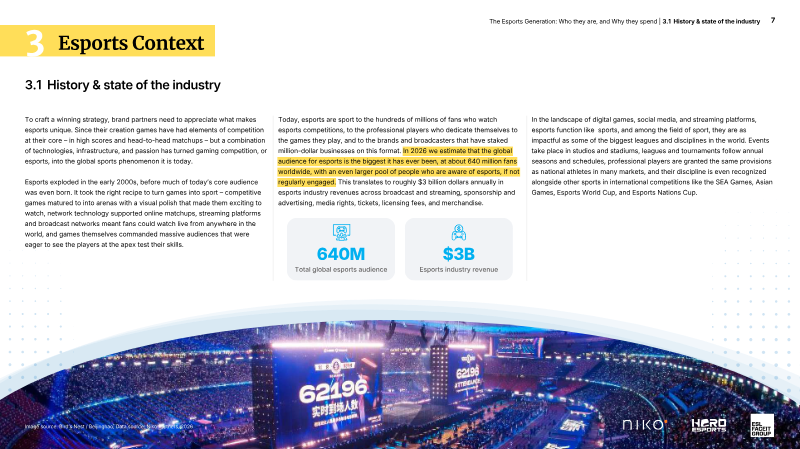
In the esports domain, the paper points to a financial and educational divide. Global esports revenue was projected to exceed one billion dollars in 2019, with prize pools concentrated in PC-based competitions; a single League of Legends world championship distributed over two million dollars, compared with roughly a quarter million dollars across nine fighting-game titles at a major console-focused event. Roughly 200 colleges offered esports scholarships totaling nearly 15 million dollars, and most listed scholarship-eligible titles are PC-centric, a pattern the authors argue disadvantages minority players who are less likely to own PCs. The analysis is primarily literature-based and exploratory, drawing on secondary sources, market reports, and tournament data rather than original primary survey research.
Each row is a game or company this document names, each column a document, oldest first. A mark means that document names it. Select a row to see those documents.
DiGRA · 2023
DiGRA · 2023
DiGRA · 2023
DiGRA · 2023
DiGRA · 2023
DiGRA · 2023
DiGRA · 2023
DiGRA · 2023
DiGRA · 2023
DiGRA · 2023
DiGRA · 2023
DiGRA · 2023
DiGRA · 2019