Key insights
5 slides
Key Disparity
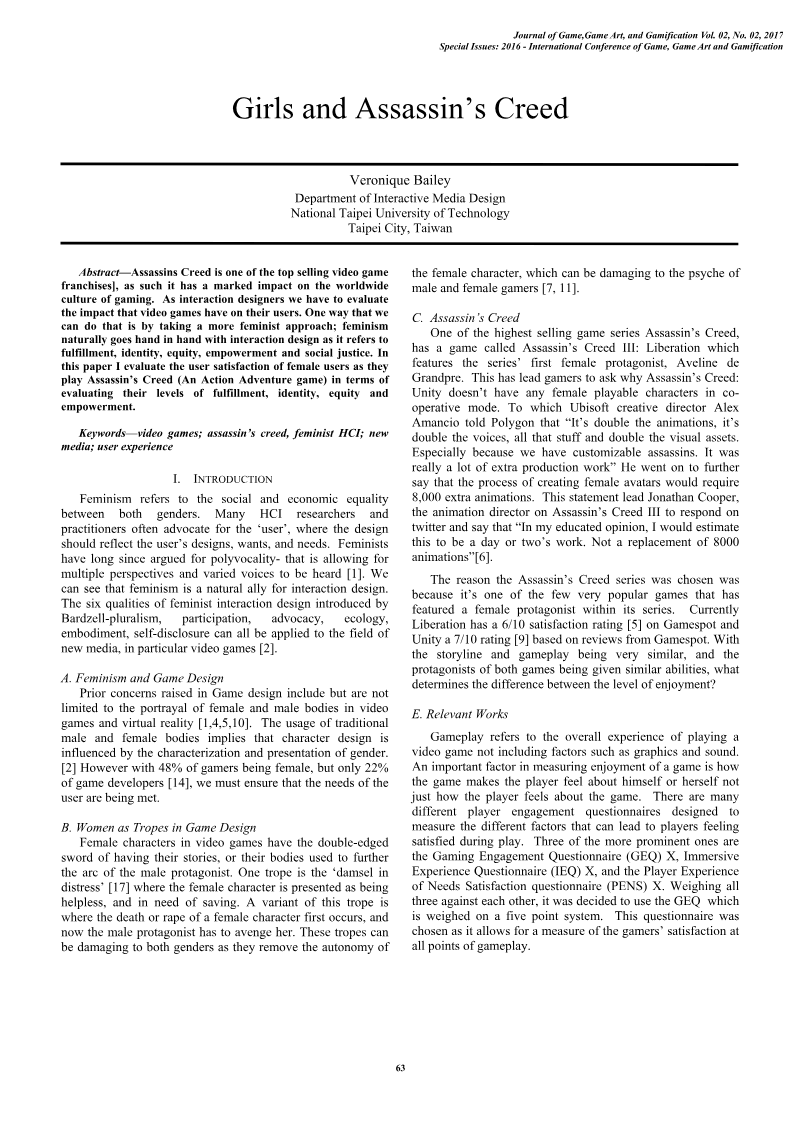
The video game industry has a critical disconnect between its player base and design workforce.
Women constitute a majority of the player base, yet they are significantly underrepresented in the design workforce.
1 / 5
- 01The video game industry faces a critical disconnect between a player base that is majority female and a design workforce where women remain significantly underrepresented.See it on page 2
- 02Gender diversity is a strategic necessity for innovation, as varied team perspectives mitigate groupthink and improve the ability to solve complex creative challenges.See it on page 4
- 03Systemic barriers to entry, including technical recruitment biases and educational gaps, originated from gendered marketing of home computers in the 1980s and persist today.See it on page 6
- 04To address talent shortages and narrow innovation, organizations must replace passive inclusion efforts with structural interventions like standardized recruitment and structured interviews.See it on page 9
- 05Implementing robust sponsorship programs is essential for supporting the career advancement of women and ensuring long-term retention within development teams.See it on page 12
- 06Achieving balanced team demographics is a strategic requirement for capturing emerging markets and aligning game content with the experiences of a global, diverse audience.See it on page 12
Ask AI about this article
Summary
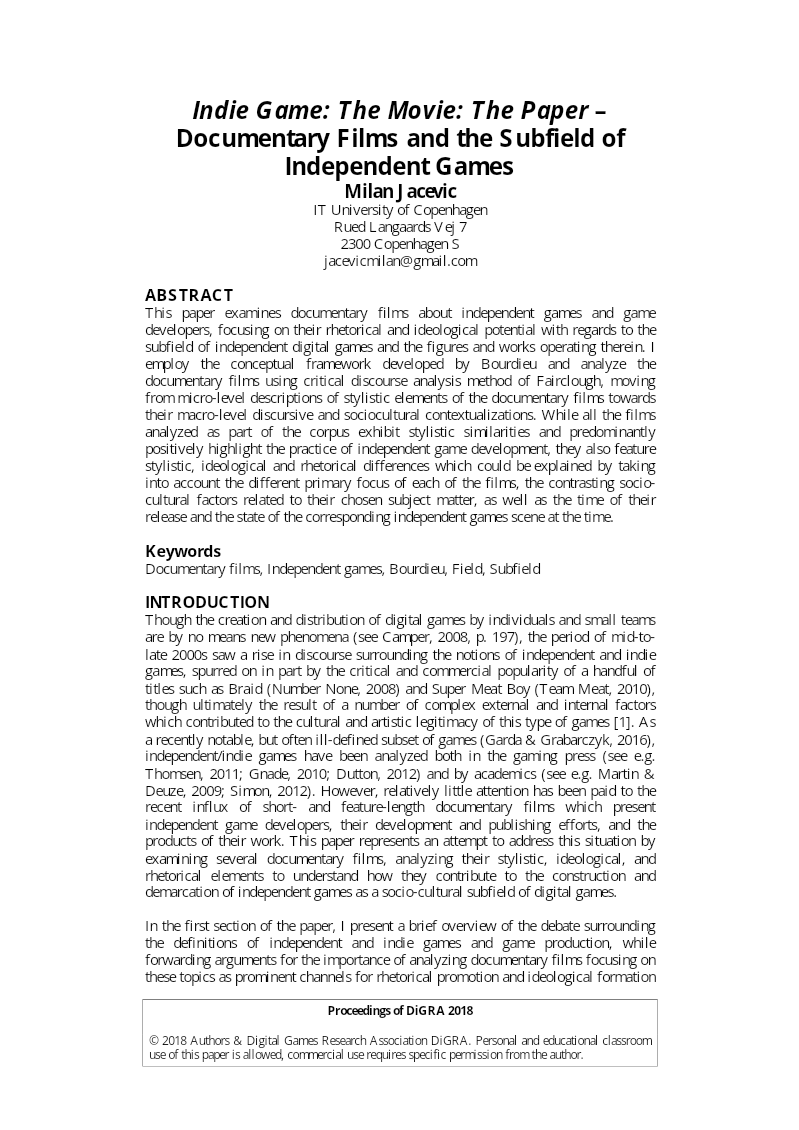
Gender diversity serves as a fundamental catalyst for innovation and collective intelligence within the video game industry. By integrating varied perspectives, development teams effectively mitigate the risks of homogeneous groupthink and enhance their capacity to address complex creative challenges. Although developers across the spectrum share core motivations, the industry currently faces a significant disconnect between its player base, which includes a majority of women, and its design workforce, where women remain notably underrepresented. Addressing this disparity is essential for companies aiming to capture emerging markets and unlock their full creative potential.
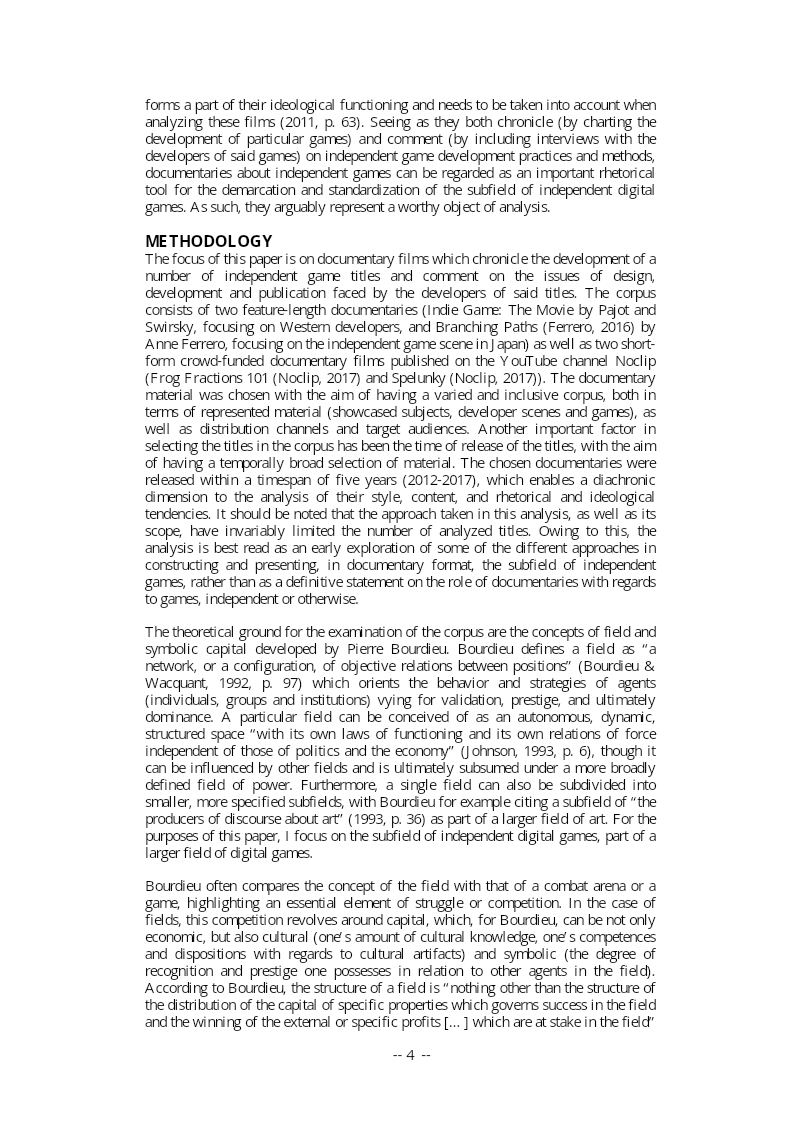
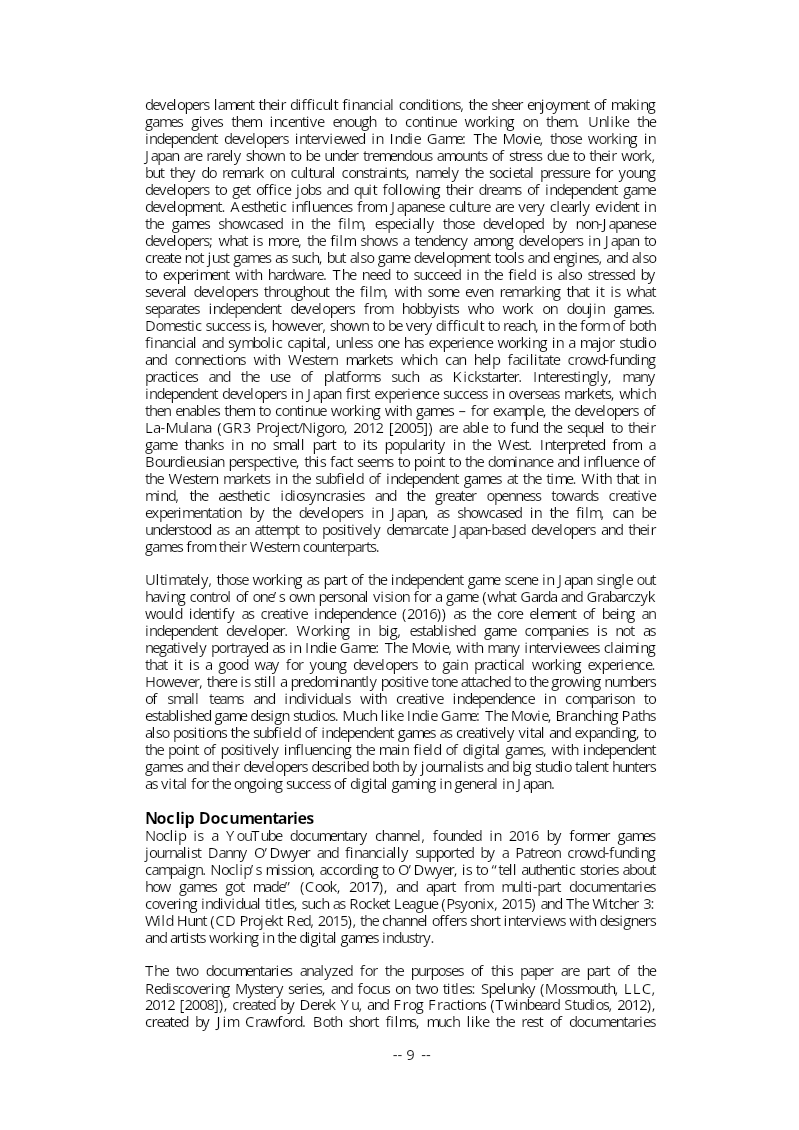
Historical precedents, particularly the gendered marketing of home computers during the 1980s, established long-standing barriers that continue to influence technical recruitment and professional entry today. These systemic obstacles are compounded by persistent educational gaps and a lack of diverse character representation in game content. Such factors create a cycle of exclusion that limits the industry’s talent pool and narrows the scope of innovation. To dismantle these barriers, organizations must move beyond passive inclusion efforts and adopt rigorous, structural interventions.
Achieving a more equitable landscape requires the implementation of standardized recruitment practices, such as structured interviews, alongside robust sponsorship programs designed to support career advancement. Maintaining balanced team demographics is not merely a social objective but a strategic necessity for fostering an inclusive environment that encourages diverse problem-solving. By prioritizing these actionable solutions, the industry can overcome unconscious biases and cultivate a more representative workforce, ultimately ensuring that game design evolves to reflect the diverse experiences of its global audience.