1 free read left. Create a free account for unlimited reading + AI research.
Create free accountArticle gamevironments
1 free read left. Create a free account for unlimited reading + AI research.
Create free accountArticlegamevironments
Shailesh Prabhu describes his team as spread across Sweden, France, India and Copenhagen. He has recently taken a full-time game design job in Copenhagen while continuing independent work on the project.
This interview, published in the 2016 issue of a game studies journal's interview section, features Indian game designer Shailesh Prabhu discussing his work and his upcoming two-player local multiplayer game Sky Sutra. Prabhu describes his current arrangement as a loosely organized, multicultural team spread across Sweden, France, India, and Copenhagen, and explains that he has recently taken a full-time game design job in Copenhagen while continuing independent work on the project. The conversation covers the game's asymmetric design, in which one player steers a flying carpet that leaves a trail and the other attempts to stun and displace them, as well as the game's origins in a physics-inspired concept about players occupying different planes.
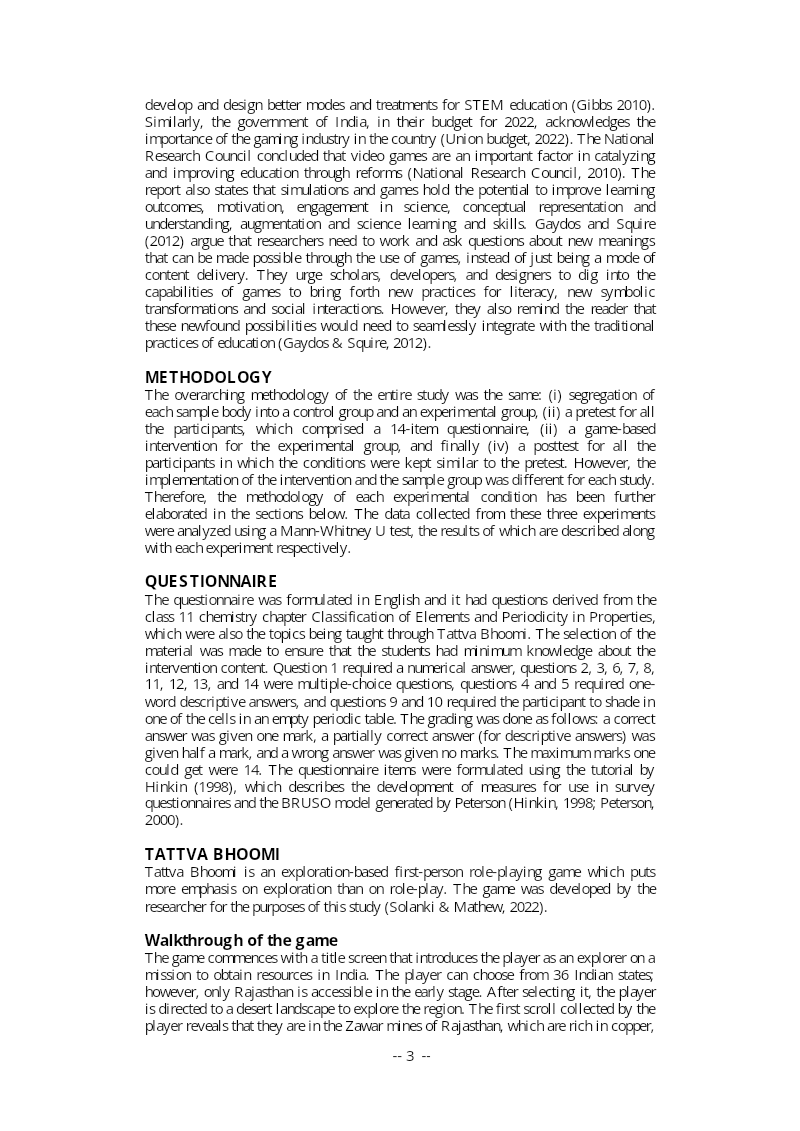
Prabhu reports that the game was shown at the Indie Game Shindig in Kerala in 2015 and at Now Play This in London in 2016, with generally positive audience reception. He addresses the question of cultural representation directly, noting that the game's visuals draw on Indian cultural themes but that he rejects the expectation that Indian developers should only make games about mystical subjects. He also discusses his earlier 2012 title HUEBRIX, a project built by a three-person team over roughly a year that drew press and user attention in India and encouraged the studio's ambitions for global markets.
The interview offers a candid picture of an independent developer working without a formal production process, shaping projects around available talent and resources, and reusing constraints, such as the absence of an animator, as sources of stylistic identity. Prabhu indicates that Sky Sutra aimed for a release within about three months of the interview, and that limited press coverage existed at that stage.
Each row is a game or company this document names, each column a document, oldest first. A mark means that document names it. Select a row to see those documents.



gamevironments · 2026



gamevironments · 2026



gamevironments · 2026

gamevironments · 2026



gamevironments · 2026



gamevironments · 2025

gamevironments · 2025



gamevironments · 2025



gamevironments · 2025



gamevironments · 2025

gamevironments · 2025

gamevironments · 2025
DiGRA · 2026