Romanian Game Development Industry Report 2019
201941 pages~76 min full read
The 2019 Romanian Game Development Industry Report establishes that Romania’s gaming sector is rapidly maturing, delivering a notable economic contribution and expanding its global footprint. In 2018 the industry generated $188.5 million, marking a 19.2 % increase over the previous year, and employed more than 6,000 professionals across roughly 103 active entities, the majority of which are concentrated in Bucharest, Cluj‑Napoca and Timișoara. Seventy‑seven percent of these firms focus exclusively on game development, while a substantial share provides ancillary services such as quality assurance, publishing and testing for international publishers.
The ecosystem is highly diversified, ranging from small indie teams producing niche titles to multinational subsidiaries that co‑develop major franchises. Mobile and hyper‑casual games dominate commercial success, exemplified by Deep Byte’s titles surpassing ten million downloads and KillHouse’s “Door Kickers” achieving half‑a‑million sales. Romanian studios also contribute to console and PC projects, with Ubisoft Romania and EA’s testing division supporting flagship series. Emerging specializations in virtual reality and narrative‑driven experiences further broaden the sector’s capabilities.
Education remains in an early stage; only a few university programs address game design, limiting the pipeline of formally trained talent. Nonetheless, the industry benefits from a strong pool of creative and cross‑disciplinary professionals, fostering a growing record of internationally recognised releases. The analysis draws on data from SuperData, Newzoo, Goldstein Research and Dealroom, underscoring Romania’s position as an increasingly influential player in the global game development landscape.
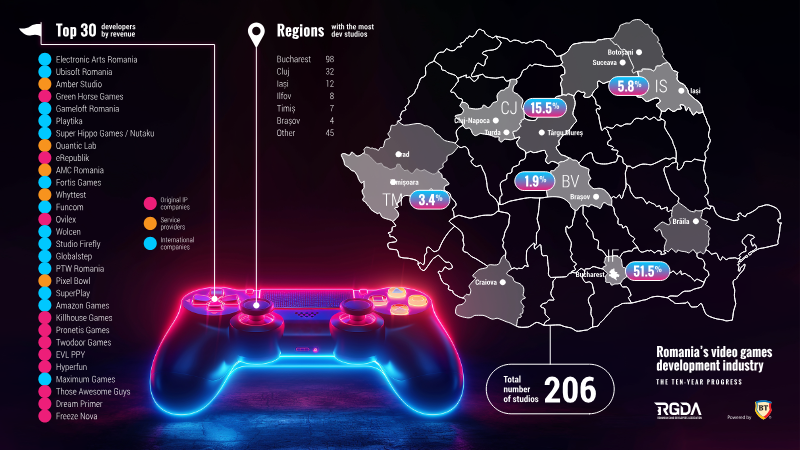
RGDA – Romanian Game Developers Association · 2025
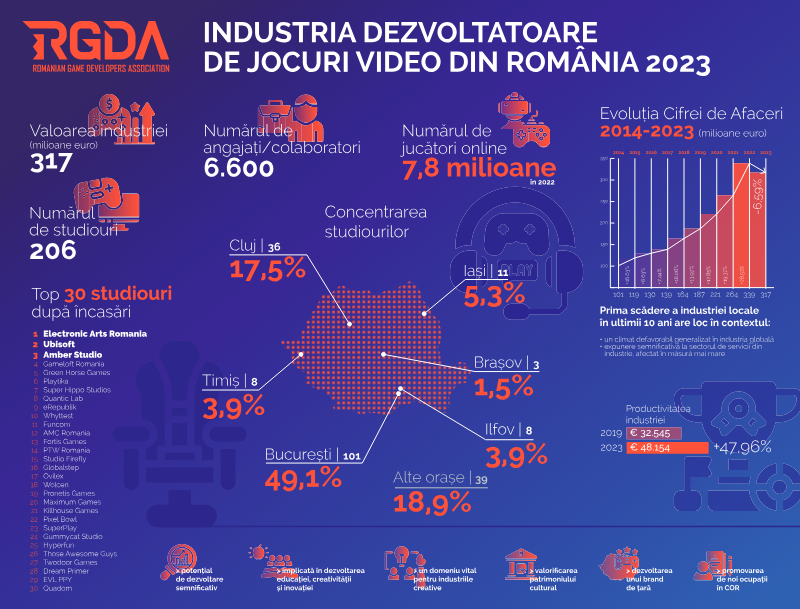
RGDA – Romanian Game Developers Association · 2023
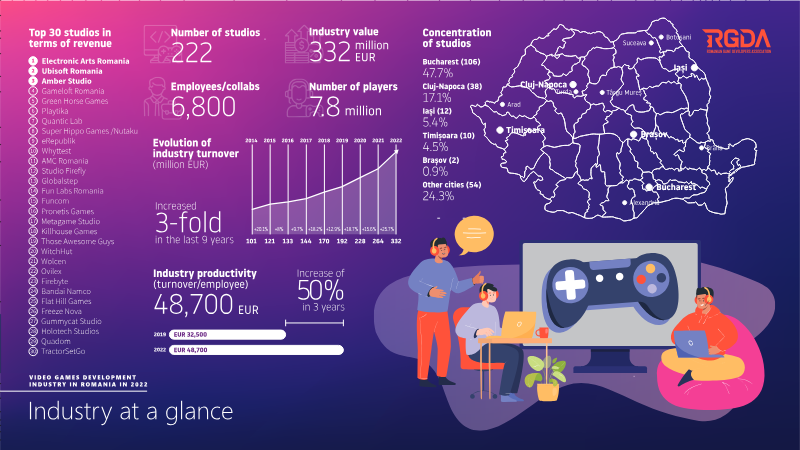
RGDA – Romanian Game Developers Association · 2022
RGDA – Romanian Game Developers Association · 2021
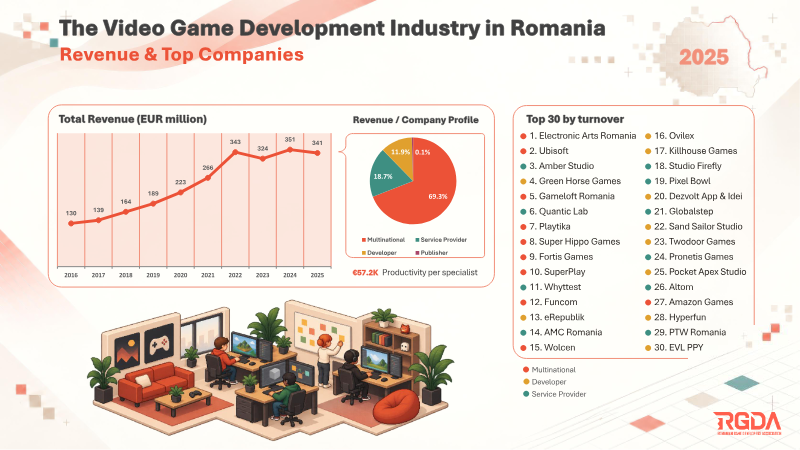
RGDA – Romanian Game Developers Association
8Bit · 2026
Values Value · 2026
InGameJob · 2025

InGameJob & Values Value · 2025
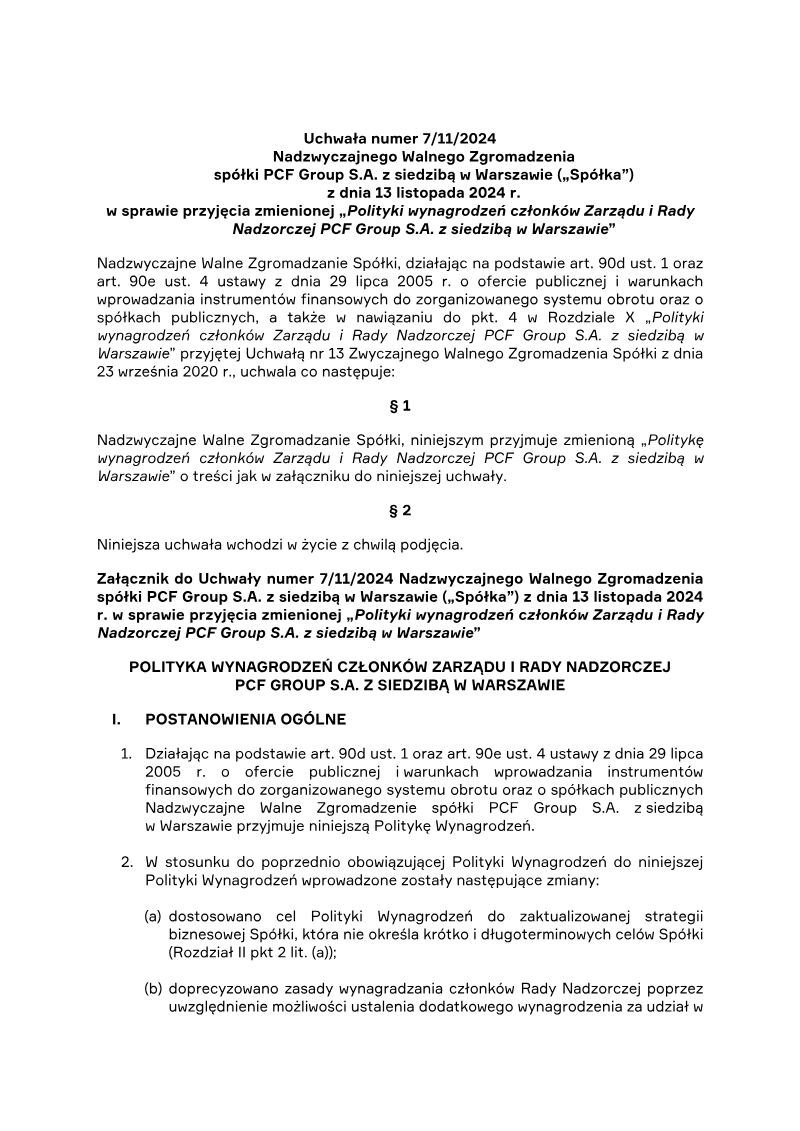
PCF Group · 2024
Dutch Games Association · 2024
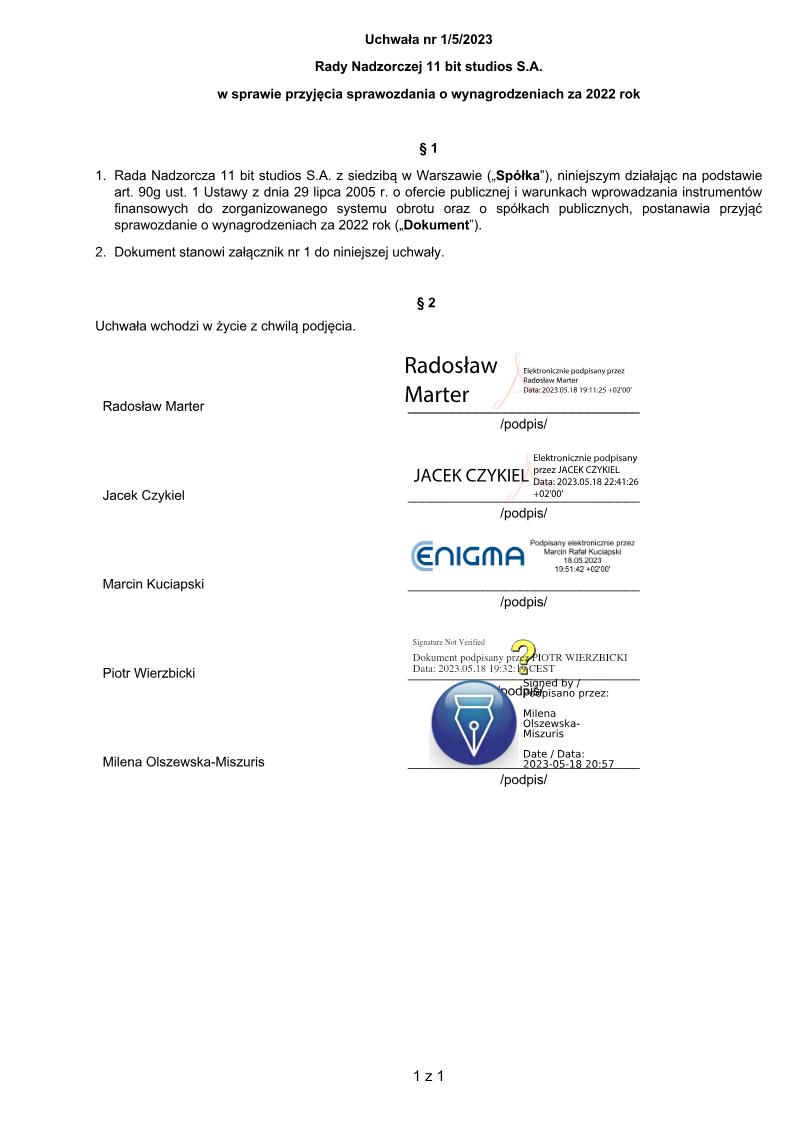
11 bit studios · 2023

DEV · 2023
PCF Group · 2022
11 bit studios · 2022
Dutch Games Association · 2018
Dutch Games Association · 2015