1 free read left. Create a free account for unlimited reading + AI research.
Create free accountReport DiGRA
1 free read left. Create a free account for unlimited reading + AI research.
Create free accountReportDiGRA
The industry shifted after its traditional fee-for-service model collapsed. Indie development has become the conventional mode of business in a country without large triple-A studios.
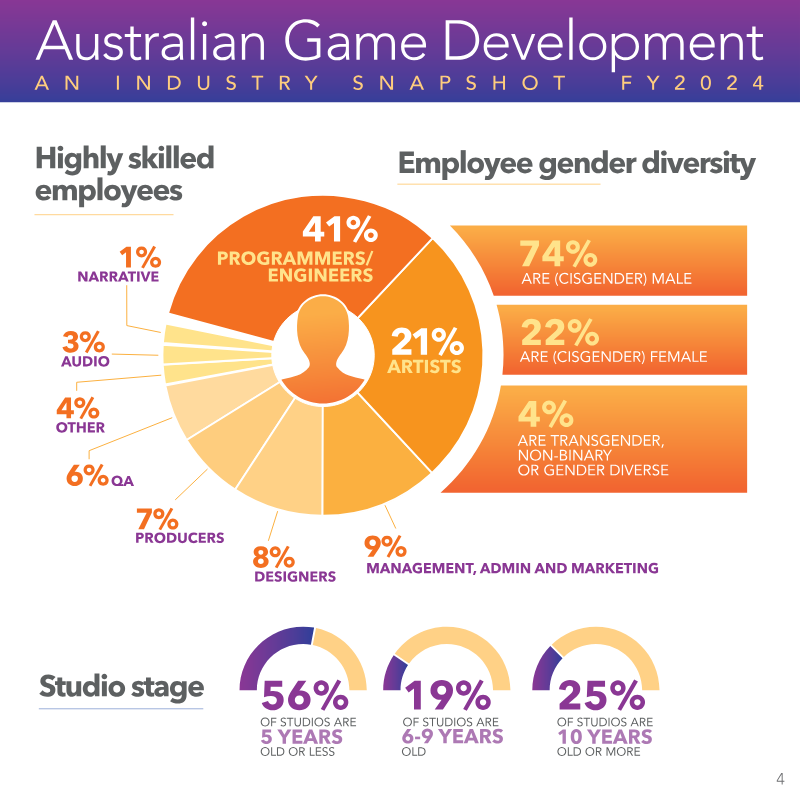
This paper examines the Australian videogame industry's transformation following the collapse of its traditional fee-for-service model, arguing that "indie" development has become the conventional mode of business in a context without large triple-A studios. Drawing on interviews with a wide range of Australian developers and on national industry statistics, it situates Australia within a broader shift toward a decentralised, network-based understanding of videogame production rather than a single homogenous global industry.
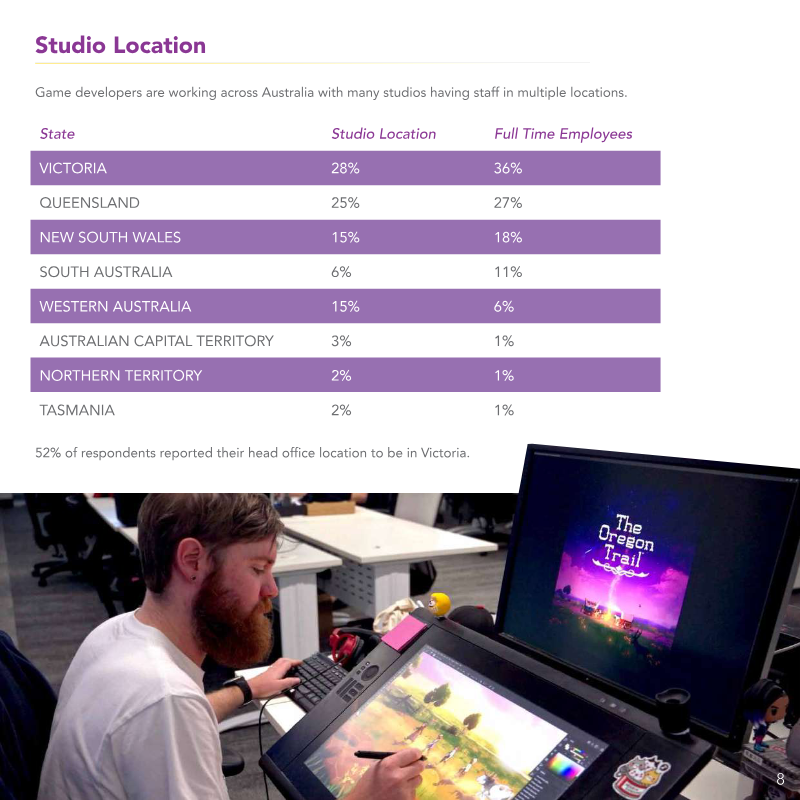
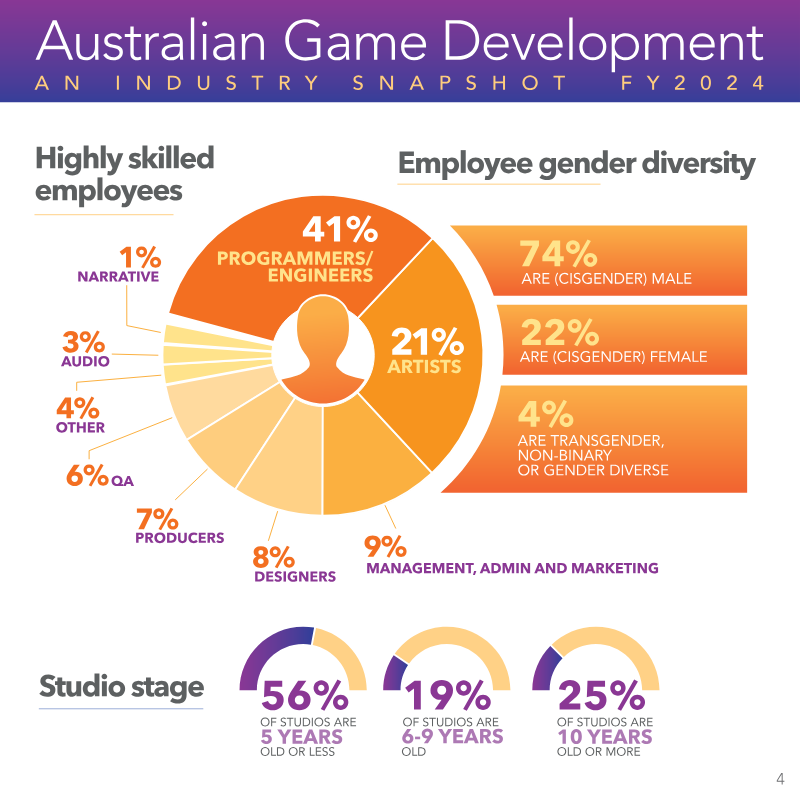
The authors frame the sector's recent history as one of "creative destruction." Following the Global Financial Crisis and the subsequent parity of the US and Australian dollars, the number of people employed in the industry fell from 1,431 in 2007 to 581 in 2012, even as studio numbers rose from 45 to 84. By 2018, employment had recovered to 928 while the studio count had dropped to 63, which the authors read as evidence of a complex web of smaller groups and individual developers stabilising and increasingly exporting original intellectual property for digital distribution platforms. The paper notes that over 90% of Australian developers identify as indie.
The central inquiry concerns what it means to be an indie developer when indie is the normal condition of production. The authors find that the indie identity carries both a stoic national pride, a sense of "doing it rough" without government support, and a lingering aspiration tied to US- and Japan-centric triple-A industry structures, whose absence still shapes how regional developers define themselves. Some developers reject the label altogether, and the authors caution that its ubiquity may obscure the broader ecology of amateurs, students, hobbyists, and artists working in non-entertainment sectors. They conclude that game studies needs richer frameworks than the triple-A, indie, and mobile trinary to account for contemporary development practice.

DiGRA · 2026

DiGRA · 2026



DiGRA · 2026



DiGRA · 2026



DiGRA · 2026



DiGRA · 2026



DiGRA · 2026



DiGRA · 2026

DiGRA · 2026



DiGRA · 2026



DiGRA · 2026

DiGRA · 2026
Interactive Games & Entertainment Association · 2024