1 free read left. Create a free account for unlimited reading + AI research.
Create free account
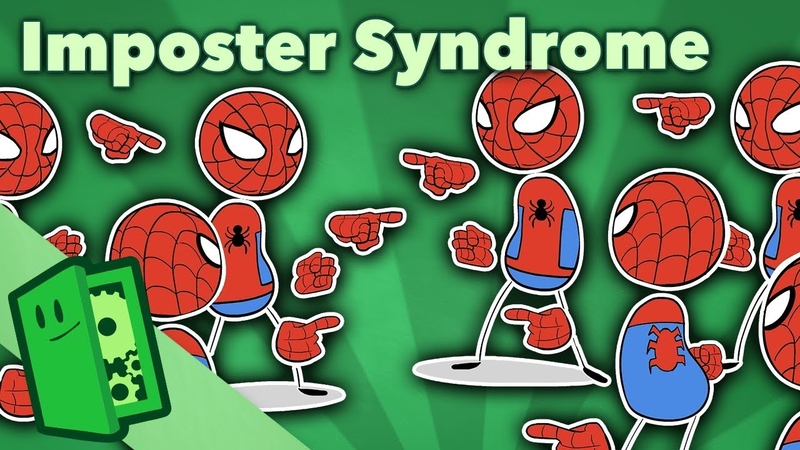
Imposter Syndrome - Fake It Till You Make It - Extra Credits
Key insights
6 takeaways- 01Imposter syndrome manifests as a persistent fear of being exposed as a fraud, leading to chronic stress, burnout, and counterproductive behaviors like overworking or avoiding career advancement.
- 02The condition is universal rather than gender-specific, though it is frequently intensified by hyper-competitive environments and the experience of being an outlier in homogenous workplaces.
- 03Approximately 70% of professionals experience imposter syndrome at some point in their careers, regardless of their level of success.
- 04Reframing the 'fake it till you make it' mindset as a tool for growth rather than dishonesty helps individuals align their self-perception with their actual capabilities.
- 05Seeking mentorship and fostering peer support groups are essential strategies for normalizing the need for help and dismantling the mental blocks associated with the syndrome.
- 06Individuals can mitigate the impact of imposter syndrome by objectively documenting their accomplishments to counter the tendency to attribute professional success to luck.
Ask AI about this video
Transcript
Have you ever started a new job or been accepted into a university program and then just felt terrible about it? You feel like you don't really belong, that you aren't good enough, and worst of all, eventually everybody's going to find out. That right there, that's the imposter syndrome talking, and it's absolutely no way to live. So today, we're going to discuss what imposter syndrome is, where it comes from, and most importantly, the ways you can overcome it. The imposter syndrome is a psychological phenomenon where people feel like they're not as competent as their achievements indicate, and it can be a major problem because it means you're living in a constant state of stress. You feel like you're faking it, always looking over your shoulder to see if somebody's going to expose you. And it happens to people in many professions and levels of power, from CEOs of major corporations all the way down to new writers and narrators of moderately popular YouTube shows. Imposter syndrome stunts people, even successful people, from reaching their full potential. Sufferers can get so worried that
they'll be found out that they develop unhealthy coping mechanisms, such as overworking, not asking for raises or promotions, or ironically, procrastination, because they're afraid they'll just end up failing when they actually do the thing they were hired to do. Some people give up entirely and settle for a menial job below their capabilities. It can manifest as physical symptoms, such as anxiety or stress panics, and in extreme cases, sufferers can turn to substance abuse. All of these things can negatively impact a person's productivity, causing actual burnout or failure, which in turn just makes those nagging imposter feelings even worse. Oddly enough, when imposter syndrome was initially researched, it was very wrongly thought to solely affect women, which is why so much literature on the subject is primarily targeted towards them. But make no mistake, imposter syndrome affects all genders and ethnicities. However, cases affecting women and minority groups are heard about more often for one simple reason. One of the leading causes of imposter syndrome is feeling like the odd one out in a work environment, such as the historically white male-dominated game industry.
However, there are a myriad of other causes. Another major source that many of us have unfortunately experienced is a hostile, hyper-competitive work culture. This is all too common in academia and creative fields, where people can be shunned for not volunteering for excessively long hours, or often judged against one another. Unfortunately, too many of you probably know exactly what imposter syndrome feels like, and maybe even have some thoughts about where it comes from for you. So, let's get to the most important bit. Managing those imposter-esque feelings. When it comes down to it, imposter syndrome is really a symptom of having a warped idea of what constitutes competency. Feeling like you aren't supposed to be there, or that you're failing everybody around you, comes from expecting and demanding perfection from yourself. Or the idea that you have to do everything on your own without asking for help. Therefore, first, you have to learn to accept that nobody's perfect. You don't need to do it all. It's okay to ask for help when you need it, because you don't need to know everything. You don't need to be an expert at a job you just started, or have read all the classics before your freshman year at a great school. Now,
hopefully some of the pressure lifts when I tell you that nearly 70% of people experience the imposter syndrome at some point in their lives. For instance, our studio director Jeff mentioned feeling this way recently when a colleague explained some new server tech he didn't fully understand. Now, despite Jeff having over 20 years of experience working in MMOs, what up EverQuest, he felt like he'd have to learn that entirely new discipline just to keep up. And personally, if I could just break away from the script here for a second real quick, I actually felt this way when I first started at Extra Credits. It felt, um, like I had not earned my place, and that I would never be doing the job well enough to, what's the word I'm looking for, deserve to be here, you know, putting on these shows for you every week. And it's tough, it, you know, it's tough. But something that did get me through it, I think, is knowing that it does happen to almost everyone. Mike Myers, Neil Gaiman, Maya Angelou, even Oprah, all hugely successful people have spoken openly about dealing with imposter syndrome in
the past. So, just like I sort of learned, I think it's important to remember that you are not alone. Now, something actionable you can do the next time you begin to feel the imposter syndrome creeping up is look around at everybody around you and remember that statistically, over half of them are feeling like imposters as well. So, how is it that they all seem so natural and competent compared to you? Because most people are faking it, at least to some degree. Nobody is actually perfect and totally competent and we're all learning as we go. As cliche as the line fake it till you make it sounds, it can often be the most helpful mindset in overcoming the imposter syndrome. And though it is easier said than done, you can do that by reframing your thoughts away from negatives. Don't imagine all the ways that you'll fail. Instead, focus on the positive outcomes you want. For instance, when showing your game, don't say to yourself, "Ugh, they'll hate it. My game isn't ready." Instead, think, "Ah, it's going to be great finding out what isn't working early so I can fix it." Another exercise that can be helpful, even though it can feel a little bit silly at first, is to write yourself your own letter of recommendation. People who suffer from
imposter syndrome often have a habit of dismissing their achievements as luck or some other external reason. So, in your letter, objectively list what you've accomplished without downplaying your contributions. You'll often find you've achieved more than you ever let yourself admit. If your imposter feelings are too much to overcome by yourself, try to organize a group of friends and colleagues who might also be feeling the same way. If you put a call out on social media, I'm pretty sure you'll be surprised at how many of the people you felt inferior to might be feeling the same way about you. And if you're in a management position and notice this happening to new people, consider setting up a kind of mentorship program to ease in new hires. Imposter syndrome is, at its core, mostly a mental block. So, you have to keep reminding yourself that you are not a fraud, you are capable, and you deserve the success you've earned. Also, remember nobody got to where they are by themselves, and it's never wrong to ask for help. We know it's scary to put yourself out there and possibly face judgment from others, but if you can shake off those insecurities and boldly present yourself, whether you really feel that
confident or not, you'll almost certainly be surprised at how well things turn out. See you next time, everybody.
Summary
Imposter syndrome is a prevalent psychological phenomenon in creative industries, including game development, characterized by the persistent belief that one’s achievements are unearned and that one will eventually be exposed as a fraud. This mindset creates a cycle of chronic stress, anxiety, and unhealthy coping mechanisms—such as overworking, procrastination, or avoiding career advancement—which can ultimately lead to burnout and diminished professional performance. While historically misidentified as an issue affecting only women, the condition is universal, though it is frequently exacerbated by hyper-competitive work environments and the experience of being an outlier in homogenous professional spaces.
The core of the issue lies in a distorted perception of competency, often fueled by unrealistic expectations of perfection and a reluctance to seek assistance. Data suggests that approximately 70% of individuals experience these feelings at some point in their careers, including highly successful professionals across various fields. Recognizing that this experience is widespread is a critical step in mitigating its impact.
To overcome these feelings, individuals are encouraged to reframe negative internal narratives toward positive outcomes and to objectively document their accomplishments to counter the tendency to attribute success to luck. Practical strategies include seeking mentorship, fostering peer support groups, and embracing the "fake it till you make it" mindset as a tool for growth rather than a sign of dishonesty. By normalizing the need for help and accepting that professional development is an ongoing, collaborative process, individuals can dismantle the mental blocks associated with imposter syndrome and better align their self-perception with their actual capabilities.



















Comments