Key insights
6 slides
The core issue
The French secondary education system's cinema curriculum is currently failing.
The curriculum relies on an outdated, narrow canon rooted in the 'politique des auteurs' and traditionalist values.
1 / 6
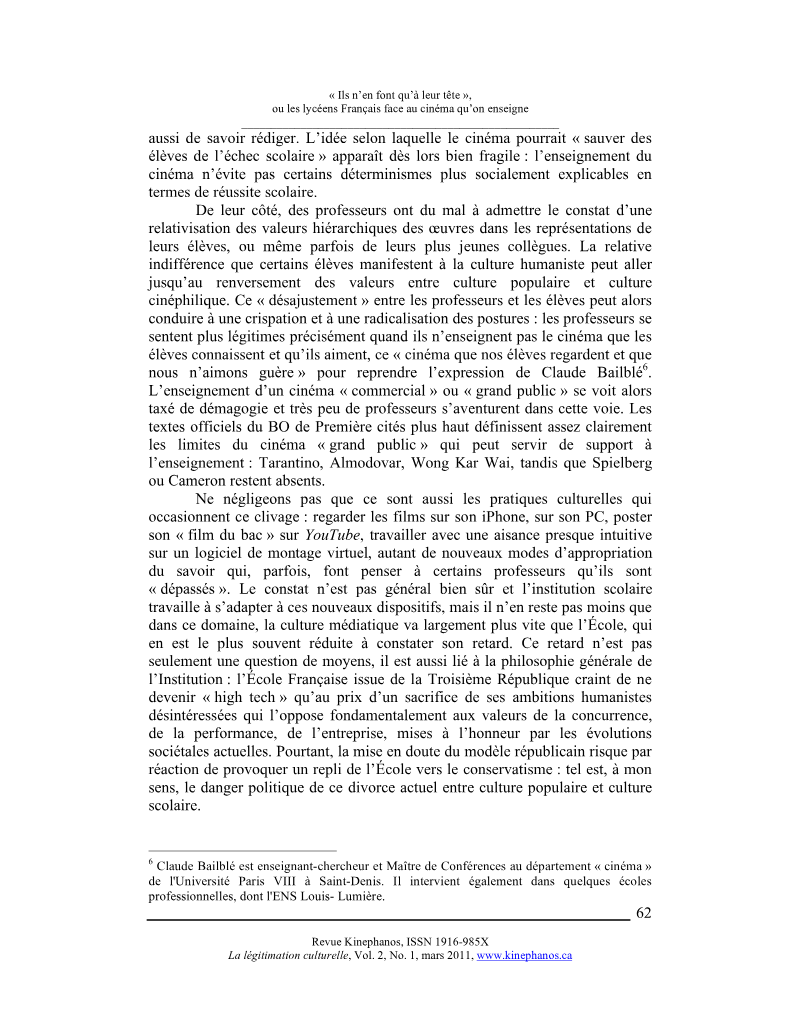
- 01The French secondary education system’s cinema curriculum is currently failing because it relies on an outdated, narrow canon rooted in the 'politique des auteurs' and traditionalist values.See it on page 12
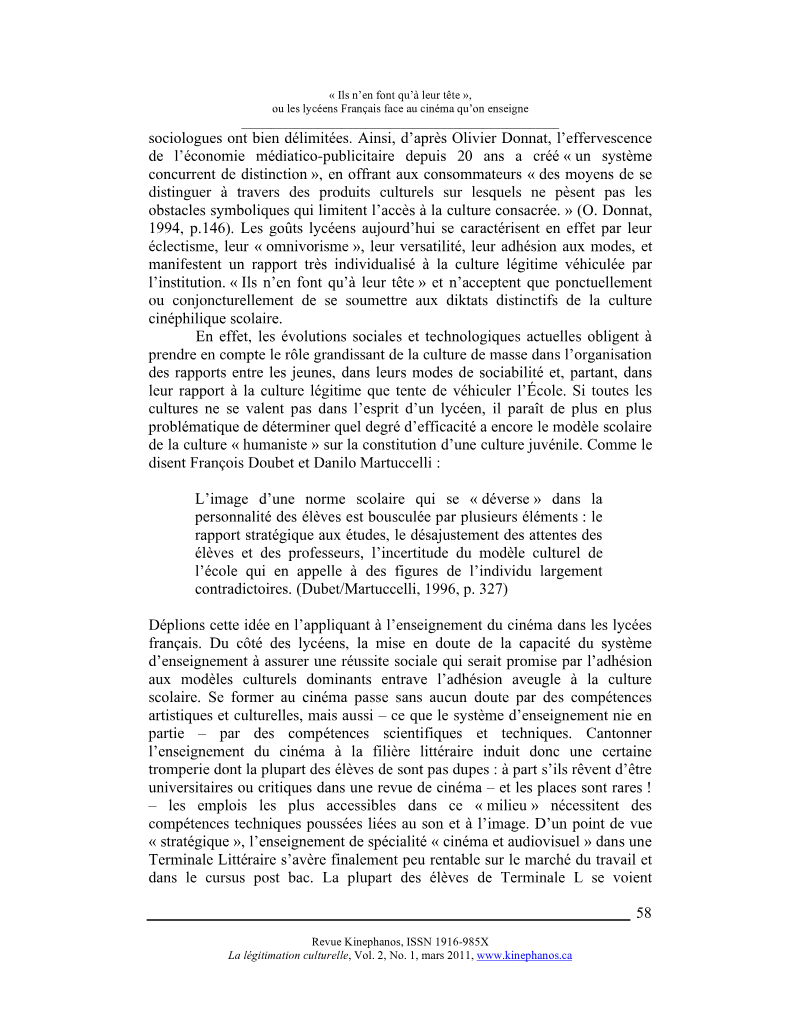
- 02There is a widening disconnect between the state-sanctioned hierarchy of 'good taste' and the eclectic, autonomous viewing habits of contemporary high school students.See it on page 8
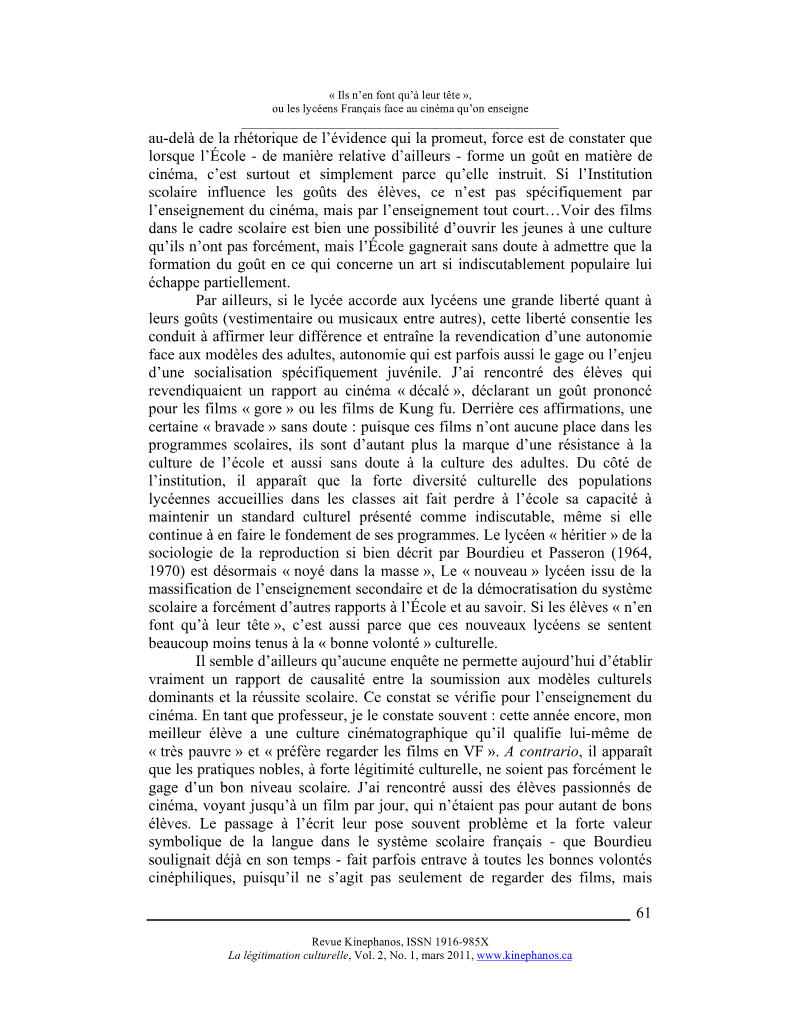
- 03Students actively resist institutional attempts to dictate aesthetic values, preferring to prioritize personal relevance and their own lived experiences over academic prestige.See it on page 11
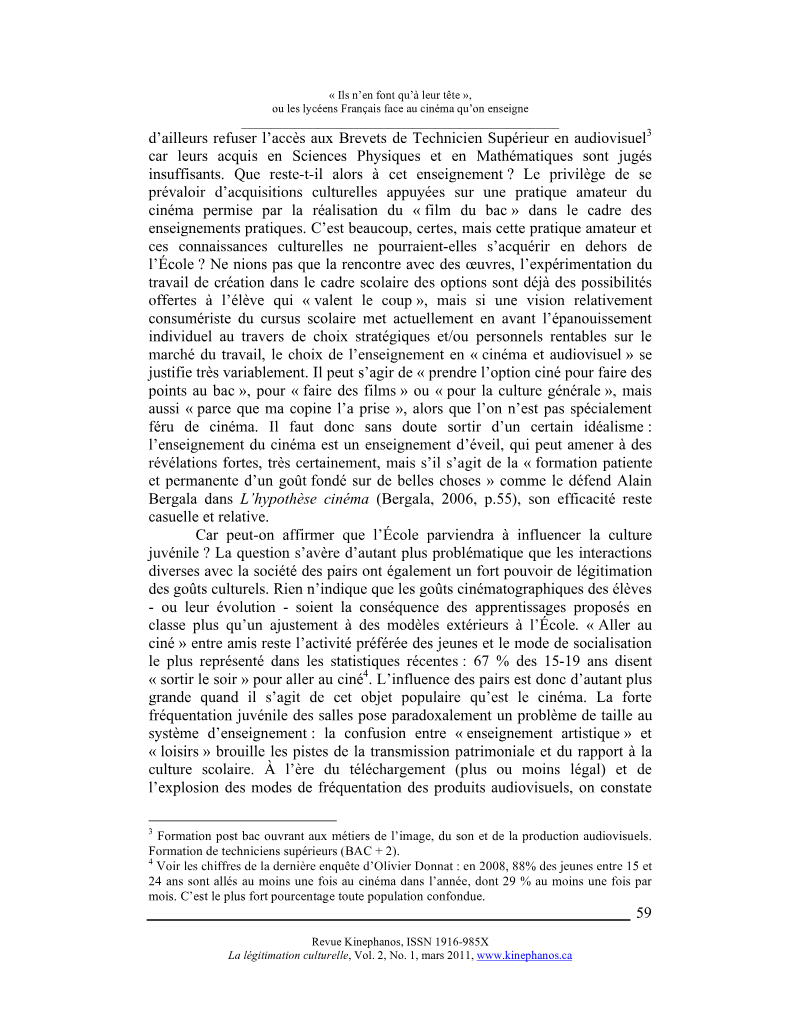
- 04Modern youth cinematic engagement is driven primarily by social dynamics and digital accessibility rather than traditional academic canonization.See it on page 9
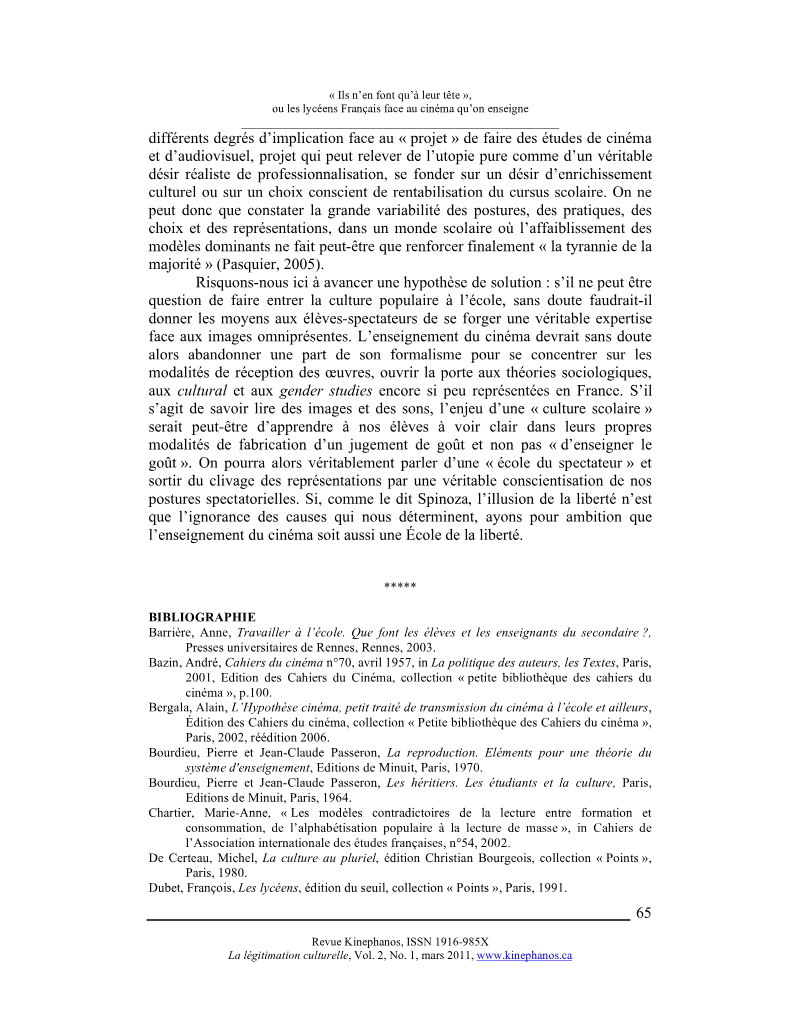
- 05To remain relevant, pedagogical strategies must shift from imposing specific aesthetic hierarchies to fostering critical expertise that engages directly with students' existing consumption habits.See it on page 15
- 06The current educational model requires a fundamental pivot to acknowledge the legitimacy of diverse spectator experiences to bridge the gap between formal instruction and popular media reception.See it on page 15
Ask AI about this report
Summary
The French secondary education system currently faces a significant pedagogical impasse regarding the instruction of cinema. Rooted in the historical influence of the politique des auteurs and the traditionalist values of the Cahiers du cinéma, the official curriculum prioritizes a patrimonial, humanist canon that defines film through a narrow lens of artistic legitimacy. This institutional framework seeks to instill a specific hierarchy of taste, yet it increasingly fails to resonate with the diverse, media-saturated viewing habits of contemporary high school students.
Sociological evidence indicates that students frequently resist these state-sanctioned cultural hierarchies, viewing them as disconnected from their own lived experiences and extra-curricular consumption. While the school system attempts to cultivate a refined, academic appreciation for auteur cinema, students maintain an eclectic and autonomous approach to film that prioritizes personal relevance over institutional prestige. This ideological friction highlights a widening gap between the formal educational mandate and the reality of modern youth culture, where cinematic engagement is shaped more by social dynamics and digital accessibility than by traditional academic canonization.
To remain relevant, cinema education must evolve beyond the rigid imposition of "good taste." The current model’s failure to bridge the divide between academic instruction and popular media reception suggests a need for a fundamental shift in pedagogical strategy. Rather than attempting to dictate aesthetic values, educators should pivot toward fostering critical expertise that engages directly with the students' own consumption habits. By acknowledging the legitimacy of diverse spectator experiences, the institution can move toward a more effective framework that addresses the complexities of contemporary media reception while maintaining its role as a site of intellectual development.