1 free read left. Create a free account for unlimited reading + AI research.
Create free account
IAP Inspector: Mobile Strike
Key insights
6 takeaways- 01Machine Zone and Epic War avoid traditional energy systems and video advertisements, focusing exclusively on the sale of gold bundles and speed-up tokens.
- 02The game design prioritizes high-spending users over casual players by gating progress behind mandatory time delays that can only be bypassed through real-money purchases.
- 03The core progression loop is intentionally restrictive, providing insufficient starting currency to force a choice between immediate spending or exiting the game.
- 04The title is explicitly designed for a niche demographic willing to commit significant time and money to long-term, alliance-based social structures.
- 05Mobile Strike utilizes a social monetization model where in-app purchases trigger gifts for alliance members, creating peer pressure to spend to benefit the group.
- 06The frequency of sales events is so high that it effectively devalues the perceived scarcity of limited-time offers.
Ask AI about this video
Transcript
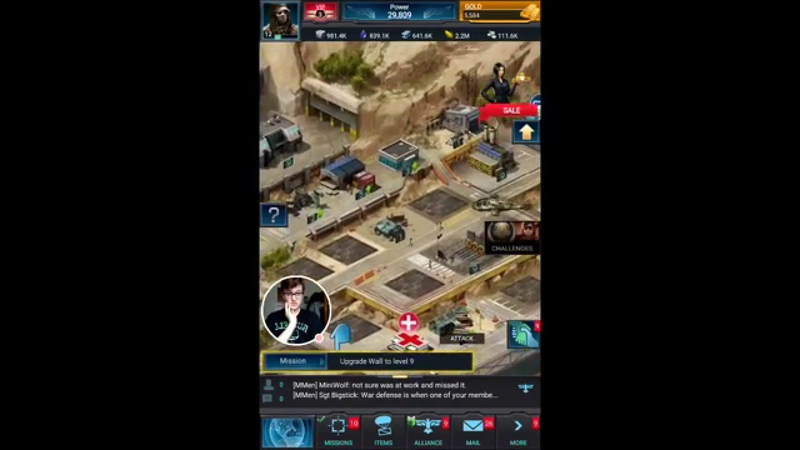
hello and welcome to the first in our conspectus so this will be a compliment to they go written piece so if you want to see in more detail you can click the link in the description but this is where we look at free-to-play monetization from the place productive this time we're doing mobile strike which is then for all intents and purposes the follow up to game of war from machines own so what you're seeing now is very much indicative of what the experience is like as in we've just opened up the game and immediately we're seeing a big splash sigh all scream and yeah there are a lot of these throughout the game and I'm so plastered all over the place even when you're first
starting there's no limit on when they start implementing the sales you know it's a very hard so heavy heavy sells straight away and this is generally what the game looks like playing for a little while now spent spent a little bit of money on a thanksgiving sale which is why we've got so much gold up here in the right hand corner and you wouldn't expect how anywhere near that amount in general / general play if you haven't spent money and you start out with about 100 which isn't very much for the for the function it serves and but for the amount you need it so this is jerry the to show you some the mission structure if you can call it that and point it's a very heavily ease of tutorial aight feels very hand holdy excessively especially seeing as we're level level
12 at this point and we're still very much sort of tapping wherever it tells us to and following orders there's no real sense of development in terms of interactivity the and this is basically as well there's no real exciting like so these are the base missions the building and just building upgrading and that's a lot a large part of the game but in terms of the mission structure you have daily missions Alliance missions all of these but there they amount to little more than wait times as well so let's say we go for specialized mission 40 minutes um so this this is what I mission looks like so it's very heavily menu-driven only close to monetization
as well this is where they really try and get the cash up you so there's so we've got 40 minutes to kill here and as you can see it's all split up into tokens rather than a single cost to diminish that weight that way time you have 60 minutes v that's 15 minutes ten minutes one minute and you can also further higher ones they're also like six hour and three hour speed ups that you can buy using gold and you have a few to start with but again I've got more because of this bundle I bought which got me more then I gained the average player player or a player who wasn't interested in buying wouldn't have this amount so it wouldn't be so easy for them but as it is here we can just use four of these and then we'll see what happens when you complete a mission which is you so you
collect collect your spoils which very rarely involve getting actual hard currency currency is is not something you're you're given very often through standard play um so it's always it's very harsh gating almost where and it establishes that's immediately where it either wants you to play and pay or if you're not interested in paying it sort of wants to lead you out which is sort of the same thing I did they did grimoire and obviously very successfully made a lot of money and people are very sort of committed the people who spend in these up games as well they'll they'll spend they'll spend a lot of money in a single transaction or throughout the duration of their time in the game so it's trying to you know create an atmosphere where those sort of players will be content to play and pay over the long term and in a sense I
suppose there's a certain honesty in that in trying to immediately read out the players who aren't I wouldn't to spend because it's not me it's not going to be the sort of claim for those people but it does also mean that it can be quite an intimidating experience at the first first first time you play and it's immediately bombarding you of sales and wait timers and you know really really putting the pressure on straight away so this is the Alliance help section where you basically help alliance members just by tapping and this if they have enough alliance members helping them then it allows them to diminish wait times and things like that so this or the collaborative aspect which is also really popular from Game four and there's also this which is your gift you receive gifts when other people in your
own spend money so that's another another aspect of pushing monetization that people will be more inclined to spend because they know you know if you've been playing for a while maybe have a social element a collaborative aspect of helping each other out you know that when you when you pay money it's not just you who benefits it benefits everyone in your alliance and which is really clever idea because not only does it make people more inclined to spend but it also means them so you can see here the sort of things that we we've won a lot of these are sort of random these gifts are sort of random trade pact things would you see that I got a 60 minute speed up which isn't isn't isn't bad actually as a reward yeah so so that's really clever system because makes people more likely to spend and you know it doesn't feel too too much like this pressure on it's
just like you is something you would want to do if you were more into the Alliance and you've been playing with these people for a long time obviously i'm only level 12 this point sir and I and I'm not so inclined to do that but um let's look at one of the sales as well because there are a lot of these and it also as I said in the written piece which you can read in the description but that's almost d values the premise of a sale in that there are so many of these all the time if the episode becomes no longer exclusive because they're just have a present um but so yeah that's that's about it's about the gist of the monetization mean there's no wait time world lots of weight out there there are no video ads and there's no energy system which I which I was like when there aren't those things because
or video ads have their place obviously but on top of a game like this it would just seem additionally restrictive but yeah it's um it's very very hard work to get into without spending money that's basically basically your point and so it if someone if you're willing and you like this sort of game for then that makes perfect sense but for me personally I think for a lot of places as you can see it's very very basic visually there's not under great deal of action not very gamey for one of a better expression so yeah there unless you're the sort of person who's going to really get into this and play it over months and months get pally with your alliances and things like that then there's really not much for you here as a more as maybe a more casual free-to-play gamer who would maybe like
a more reciprocal relationship when it comes to getting hard currency and not just feel like you're being gated out of everything because you won't wanted to spend anyway um so yeah that's the first first in-app inspector video hopefully we'll be doing these every week alongside the written feature that goes up on Pocket Gamer top is so okay thanks for watching
Summary
Mobile Strike, a strategy title from Machine Zone and Epic War, employs an aggressive monetization strategy centered on constant sales prompts, time-gating, and social pressure. The game functions as a successor to Game of War, utilizing a similar design philosophy that prioritizes high-spending users over casual players. From the initial launch, the experience is defined by frequent pop-up advertisements and a heavy reliance on in-app purchases to bypass mandatory wait times for building and mission progression.
The core gameplay loop is menu-driven and heavily tutorialized, requiring players to perform repetitive tasks that are gated by significant time delays. While players receive a small amount of starting currency, it is insufficient for meaningful progress, effectively forcing a choice between spending real money or exiting the game. The monetization model is particularly sophisticated in its use of alliance mechanics; when a player makes a purchase, it generates gifts for their alliance members. This creates a social incentive for spending, as financial contributions benefit the entire group, fostering long-term commitment among dedicated players.
The game notably avoids video advertisements and traditional energy systems, opting instead for a model that relies on the sale of speed-up tokens and gold bundles. However, the sheer frequency of sales events often devalues the concept of a limited-time offer. Ultimately, the experience is designed for a specific demographic of players willing to invest significant time and money into long-term social alliances. For casual users, the lack of hard currency rewards through standard play and the absence of traditional gameplay depth make the title feel exclusionary and restrictive.
















Comments