VideoDeconstructor of Fun
TWIG #141 Reactions to XCOM mobile bleeds to debate on free-to-play games
22 Jul 202110 min video
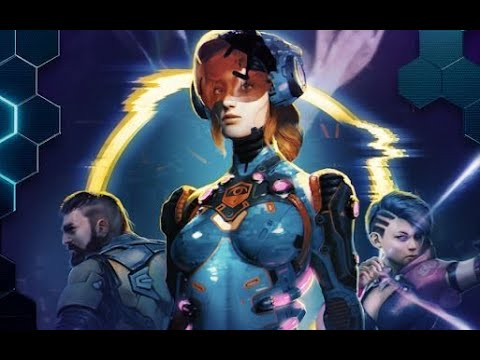
So, new XCOM mobile entered soft launch on Android and Eric, you covered this in in the latest episode. So, like I really think the Android is a platform that everybody's launching soft launching right now. Anyway, so this game was developed by Radium Starfish and of course the the publisher is 2K. Let me start with a positive. I think the production value are phenomenal. The narrative looks great, the characters, the animation, the UX, but this is not XCOM. Like I'm an XCOM fan. This is not an XCOM game. And Kotaku, I mean, Kotaku kind of kindly tore them an another one, but but I feel like this this is following the route of the the Dungeon Keeper, the the the Command & Conquer, the Forza, the Tom Clancy's that all launched on on mobile and people were like, "What the [ __ ] is this?" And it's I think it's it's really kind of sad because you see the developer doing really good work on execution and they they put in years of development and they and that gets turned into bunch of like one to two star reviews because people like myself who have been playing XCOM since I don't remember what was it
launched on Commodore or whatever it was launched on. Putting one and two star reviews and hating the game because it's not XCOM and you're telling me this is XCOM, but this is not. This is like your basic turn-based RPG on mobile. So, I don't know. It's it's it's it's really sad. And and I hope I hope this wouldn't happen this much anymore, but but it did. So, all the power to the XCOM developer and the 2K executives who greenlit this. I mean, come on, guys. Like like let's let's not do this. Like let's let's greenlight XCOM as an XCOM and and other games as other games. Like you don't have to put the IP in. So, that was kind of like my kind rant if I would. Okay, as a quick aside to this because I I don't want to go down this rabbit hole. This is the fundamental problem of with having super core IP is that you can't please anybody. If you try to make it more mass market, it becomes it it's too complicated for that market, but if you try to dumb it down then you piss off your core constituents, right? So
it's like this razor's edge of Dungeons & Dragons, like Warhammer, and what's the other one that just came out? Oh yeah, the Dungeons & Dragons game that just came out was it just a travesty, right? Because you can't appeal you can't appeal that that IP to a broad audience, and again you piss off the ones that love your thing by making it stupid and dumb down. I understand this decision-making because it's like the the the Star Wars game that that EA published, the Galaxy of Heroes. It's Is it Star Wars Galaxy of Heroes? Yeah, I think it's Anyways, the super successful Star Wars RPG game. It makes sense like they they they had the Star Wars IP, they tried to do something different, and to my understanding they just, you know, kind of went back and and put in the the basic turn-based RPG into it, and it worked really well because when you when you're playing a Star Wars game, it's not like you're expecting a certain genre, a certain gameplay. But when it comes to these core gaming IPs, like especially XCOM that has a very unique gameplay that we all played that is all
about the placement, and it's all about how you make your turns. It's extremely strategic, very slow, and then you kind of use that IP but do a totally different thing. You're you're really killing the expectation because I'm not expecting something with a Marvel. I'm not expecting some kind of a game with an with a Star Wars, but I am expecting certain time of type of game with Command & Conquer. I'm expecting certain type of game with Civilization. I'm expecting certain game with an XCOM because those are gaming IPs. So So yeah, I understand. It's a it's a very difficult thing, and power to them. I'm assuming going to And but the other the other thing that they're working on XCOM for Marvel, right? And so this creates a bigger opportunity for them in theory, right? If they can get off their turn-based like if they can make it more appealing to the mass market, but they probably won't, right? Because they've been making the same game for what? Decades. And so it's it's a real challenge to get their head moving in a direction of what's what's more appealing to a Marvel audience as opposed to what's appealing to an XCOM audience. And so, again, this is the the part the problem with the IP
and the gameplay itself is is by definition core and they're trying to make it more mass, but it's it's just always challenging. I do have to say that next games when they had the The Walking Dead game, that was the closest towards XCOM that I've seen on mobile. Like it was it was a lot of placement and luck. So, I think it was kind of weird that they didn't copy something from that and go a little bit deeper, but they just didn't. they have too much creative integrity of copying someone else, right? So, that's Yeah, but Miska, I'm I'm surprised you called that Kotaku review kind cuz that was just like a just a like they a shred, right? Like that was No, they just shredded them, dude. Yeah, they Shredded them. Like they were they were just waiting for that game to launch so that they could dunk. Oh, that but that was that was that was a half half rate I mean, they basically just like copy pasted like game name and pasted XCOM. That was a rant against free-to-play more than anything. Yeah, dude, XCOM That's the problem with Kotaku and IGN. IGN's the worst, dude. Those Those guys are so [ __ ] out of touch with what's going on in this
industry. It is like remarkable that people listen to them anymore, right? Because I understand that free-to-play sucks for people that are like into AAA games, but ultimately, like you got to cover what people are playing or you're just going to become obsolete yourself, right? And that's the That's what happened to Pocket Gamer back in Sorry, I did this rant ages ago, but that's what happened to Pocket Gamer back in the day. They refused to cover free-to-play, right? They would not cover free-to-play because they didn't like the monetization mechanics. It's like, dude, and then ultimately, I think they changed and they evolved over time, but I'm sure it was like executives that were there, whoever was the I can't remember who was there at the time. But anyway, it's the same thing with IGN and Kotaku. Get off your high horse and embrace the market, right? Call of Duty, FIFA, Madden, like everybody's going this direction and you guys are sitting there bitching and moaning about it and I I I I can't even listen to IGN anymore actually. Kotaku's okay, but IGN is just those guys are just so pompous and arrogant. I I think Kotaku is worse. They're they're they're the most like sort of
philosophically opposed to free-to-play and I man, it's just like this and then like there was a good Twitter thread from somebody at I can't remember the the company, but somebody who was just kind of went point by point through the Kotaku article and just sort of like refuted or just just at least offered a counterpoint to each of the arguments and it's like ultimately like anytime that you engage on this topic with someone who just like just ideologically finds the free-to-play model offensive, it it all comes down to like well, it's manipulation and it's gambling and it's it's your your manipulating people and and you're causing like reactions in their brain where they can't help it's like give me a break. Like when when free-to-play first started hitting a stride like 2013, 2014, if there had been any case of like a single mother who spent like who worked two jobs and who spent her kids lunch money on gems for Candy Crush, the press would have rooted that woman out and there would have been articles written about it about how like all this this kids are dying cuz their parents are like sitting on the couch in a zombie state playing Candy Crush. Like they they that's never happened. Those aren't the people that
spend a lot of money in free-to-play games. It's rich people with money to burn and if they weren't spending it in Candy Crush or whatever, they'd be going on a ski vacation or they'd be blowing it in some other stupid way. Like it's not there's and still are doing both probably. Like anytime it's just like this it's a fantasy that there's like these people that are like almost like drug addicts like looking for their fix. All right. Wait. All right, super. I I might agree to disagree on this one, right? I I I I'M NOT DISAGREEING with what Kotaku and and IGN are saying necessarily. I'm just saying they got they're so out of touch that they got to embrace it or they're just going to become irrelevant, right? But I do do think these free-to-play systems are kind of represent the base of our nature in terms of like the the the the dopamine rushes from doing like these free-to-play mechanics. And I I I don't particularly like it. I look at social casino and I am just blown away at people spending money on that [ __ ] right? Like I I I still can't believe it, right? And so like I have a little bit of a of a problem with it as well, but like I I I embrace the fact
that people are willing to do that and that's what people are into. I don't know if it's good for society per se. So, you know what I'm saying? I I I maybe, but I So, I wrote an article about this like years and years ago when when South Park did the the free-to-play episode. And I just looked up like every single thing that the press like attacks as being like like a dopamine release catalyst, right? So, there was an article, "Cupcakes could be as addictive as cocaine because they release dopamine." Love. Studies have shown brain chemical dopamine's at higher levels in those in love. So, what do we do? Banning love? And Justin Bieber. When Beliebers, as Bieber's 44 million fans are known, listen repeatedly to his music, a chemical responsible for feelings of pleasure is released in their brains. It triggers a rush of dopamine. Give me That's That's That's what your brain does when you like something. It releases dopamine. All right, dude. But if you dude, social specifically social casino games are designed for that, right? The same way that [ __ ] slot machines are designed that way, right? Like they they make it so it's it's just it's all this dopamine rush every time. When you win, you win.
When you lose, you win, right? That kind of [ __ ] right? That's how it's designed. I talked to these guys and it's like it it's like remarkable, right? And what I would argue is that a lot of these free-to-play mechanics are built around that same type of idea. So, it's like I don't know. You build a better mouse trap, right? And so, but this is not what we're talking about. Let's move on. I think this is a vlogger conversation, but but IGN, you guys got to get get with the program and understand what the hell the market's going. Same with you, Kotaku. continue the uh the free-to-play debate a little bit later. Catch full episodes of Deconstructor of Fun podcast on Spotify, Apple podcast, Anchor, Google podcast, or wherever you get your podcast from.
Auto-generated captions from YouTube — names and numbers may be misheard.
The recent soft launch of the XCOM mobile title serves as a focal point for broader industry tensions regarding the adaptation of core gaming intellectual property (IP) for mobile platforms. While the game features high production values, including strong narrative elements and polished user experience, it faces significant backlash from long-term fans. The primary criticism centers on the disconnect between the established, deep strategic gameplay associated with the XCOM brand and the simplified, turn-based RPG mechanics implemented in the mobile version. This pattern reflects a recurring industry challenge: attempting to bridge the gap between niche, core-audience expectations and the requirements of the mass-market mobile sector.
The discourse highlights a fundamental strategic dilemma for publishers. When developers attempt to broaden the appeal of a complex, core-gaming IP, they often risk alienating their most loyal constituents by diluting the gameplay that defined the brand. While some franchises, such as Star Wars, have successfully transitioned to mobile by decoupling the IP from specific genre expectations, titles with highly distinct, mechanics-driven identities like XCOM, Command & Conquer, and Civilization face greater resistance when their core gameplay loops are altered.
Furthermore, the reception of these titles is frequently exacerbated by a disconnect between industry analysts and traditional gaming media outlets. Critics argue that outlets like Kotaku and IGN maintain an ideological opposition to free-to-play monetization models, often framing them as inherently predatory or manipulative. Proponents of the free-to-play model contend that these critiques are out of touch with current market realities, noting that dopamine-triggering mechanics are a natural component of many human experiences and entertainment forms. Ultimately, the industry continues to grapple with the tension between maintaining creative integrity for core fans and embracing the monetization and design structures necessary to achieve commercial viability in the mobile market.

Deconstructor of Fun · 2026

Deconstructor of Fun · 2026

Deconstructor of Fun · 2026

Deconstructor of Fun · 2026

Deconstructor of Fun · 2026

Deconstructor of Fun · 2026

Deconstructor of Fun · 2026

Deconstructor of Fun · 2026

Deconstructor of Fun · 2026

Deconstructor of Fun · 2026

Deconstructor of Fun · 2026

Deconstructor of Fun · 2026
Deconstructor of Fun · 2026
Deconstructor of Fun · 2024

Deconstructor of Fun · 2026

Deconstructor of Fun · 2026

Deconstructor of Fun · 2026

Deconstructor of Fun · 2026

Deconstructor of Fun · 2026

Deconstructor of Fun · 2026

Deconstructor of Fun · 2026

Naavik · 2026

Deconstructor of Fun · 2026

Deconstructor of Fun · 2026
Comments