1 free read left. Create a free account for unlimited reading + AI research.
Create free accountArticle Game Production Alchemist
1 free read left. Create a free account for unlimited reading + AI research.
Create free accountArticleGame Production Alchemist
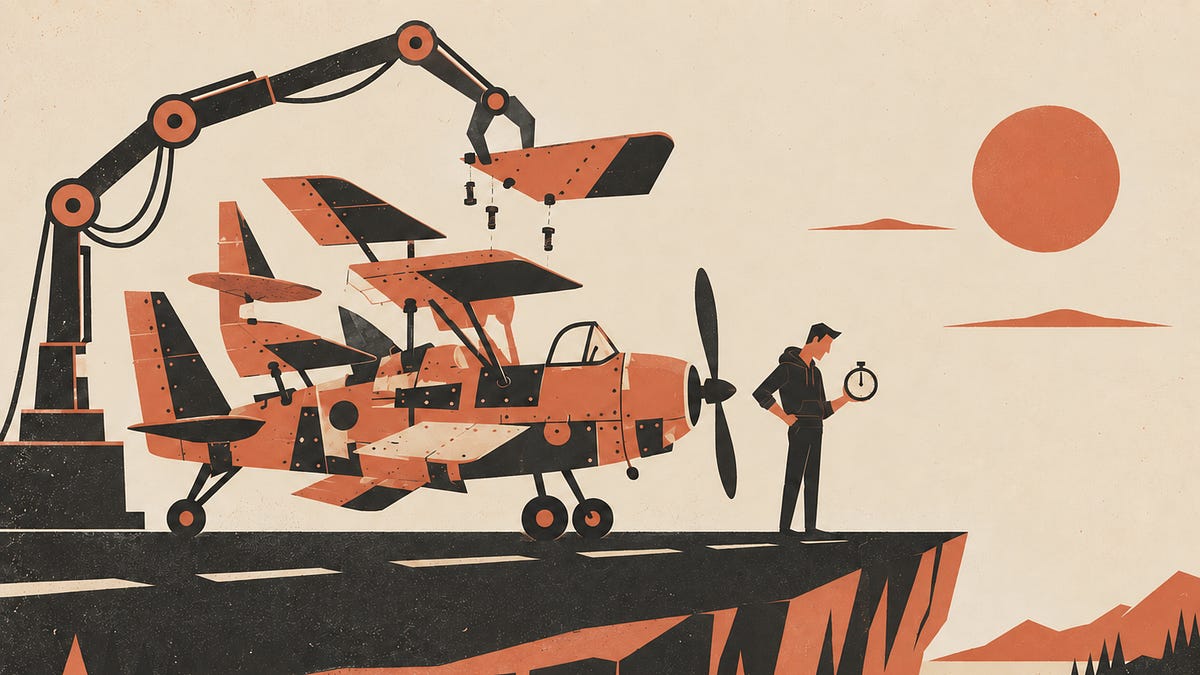
The field guide, authored by a veteran with thirty years of experience across AAA, mobile free-to-play, and live service sectors, argues that game producers already possess the fundamental skills required to integrate artificial intelligence into their workflows. The core thesis posits that effective AI collaboration relies on existing production competencies—specifically managing context, decomposing complex tasks, and evaluating output—rather than mastery of any single, rapidly evolving software tool. By focusing on durable operational frameworks rather than specific model releases, producers can build sustainable workflows that remain relevant despite the volatility of the AI landscape.
The guide outlines a twelve-chapter framework designed to bridge the translation gap between traditional production management and AI-assisted delivery. Key areas of focus include establishing deterministic operational infrastructure, applying constraint theory to AI-integrated pipelines, and utilizing flow metrics to maintain project velocity. A significant portion of the material addresses the necessity of treating AI output with the same critical scrutiny applied to human status updates, emphasizing that the failure mode of being "confident, fluent, and wrong" is a universal risk regardless of the source.
The methodology emphasizes a tool-agnostic approach, prioritizing long-term operational strategy over short-term technical trends. By framing requirements as hypotheses and designing environments that prioritize human-in-the-loop oversight, the guide aims to empower producers to lead AI integration from a position of established expertise. Ultimately, the work serves as a strategic map for industry professionals to leverage their existing experience to navigate the shifting technological environment, ensuring that their leadership remains effective as production tools continue to evolve.

Game Production Alchemist · 2026

Game Production Alchemist · 2026

Game Production Alchemist · 2026
Game Production Alchemist · 2026

Game Production Alchemist · 2026

Game Production Alchemist · 2026

Game Production Alchemist · 2026

Game Production Alchemist · 2026

Game Production Alchemist · 2026

Game Production Alchemist · 2026

Game Production Alchemist · 2026
Game Production Alchemist · 2026

PocketGamer.biz · 2026