1 free read left. Create a free account for unlimited reading + AI research.
Create free account
How to Prepare for Your Next Job | Protecting Yourself as an Employee
Key insights
7 takeaways- 01Maintain an active, updated presence on platforms like LinkedIn and document tangible contributions through portfolios to ensure long-term career stability.
- 02Prioritize personal financial security and professional reputation over organizational loyalty by monitoring company health and industry trends, as the game industry is inherently volatile.
- 03Handle job transitions and departures with professionalism and transparency to protect your reputation, as the game industry is a small, interconnected professional network.
- 04Address career dissatisfaction through internal channels rather than using external job offers as leverage, which can damage professional relationships without guaranteeing retention.
- 05Avoid any recruitment agency that requires fees from job seekers, as reputable firms operate exclusively on client-funded models.
- 06Cultivate strategic relationships with specialized recruiters through targeted outreach and professional referrals rather than relying on generic job applications.
- 07Focus on past achievements and specific value-add contributions during interviews to own your professional narrative when navigating job transitions.
Ask AI about this video
Transcript
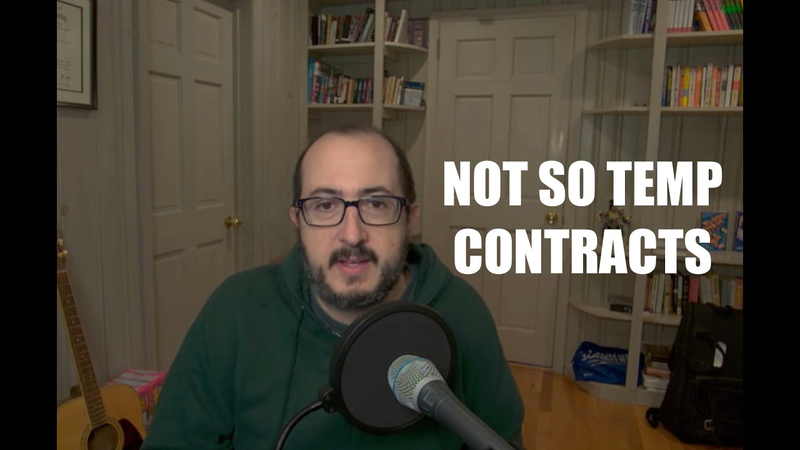
everybody the video games industry can be a really tough environment characterized by dynamic changes in companies struggling to adapt and oftentimes what could happen are companies that are forced to lay off employees or restructure in some way that leaves employees in a pretty tough spot and so unfortunately over the past six months or so I've been hearing a lot of rumors about a lot of videogame companies that are struggling and will most likely have to have some type of restructure some kind and so what I wanted to do today is to actually talk to two executive search experts that will discuss basically two things first how should you as an employee try to protect yourself in situations where the company that you work for may be struggling and secondly what about work situations where you're just not happy it's not a good fit what can you do to help transition out of that kind of a situation and find a better opportunity for yourself and so today on the show I have brought on two experts in the space
the first is Sam Wallace from the Carmichael Fischer group and the second is Jeffrey Lujan from the game group to talk to us about these issues and a lot more in our conversation with them today and so let's take it over to that discussion right now I'm a lifelong search person I've been in search since the late 90s I started in the UK before moving to Vancouver Canada in 2002 I was there until 2014 when I moved down to San Francisco and I launched a nationwide technology practice for Korn ferry which is a global executive search firm after that I moved down to the LA market and I've been here for the last almost three years and fairly recently joined Carmichael Fischer Carmichael fischeri a boutique a global boutique focused on director - VP level executives and I lead specifically the technology practice for Carmichael Fisher great Jeffrey that was very impressive I
I'm a little more boring I'm afraid I served my time in the games industry as a professional started in product management and eventually grew into an executive level role throughout my career and about six years ago I was starting to get into recruitments and employee consultations so Lovett's have lots to share and and lots of advice and input to offer candidates all over okay great so I thought we could open things up by just talking about you know how worried people should be and whether you would recommend employees and game companies take a more proactive approach to protecting against a company restructuring or shutting down so when companies restructured or when they restructure we've heard of some stories
like telltale where there was literally zero severance and health insurance ended at the end of the week people were let go so first of all generally speaking how often and how much do companies protect their employees when they are doing layoffs or when they are restructuring maybe starting with you say oh yeah you know I think it's it's just such a big question because knows two situations are the same you know sometimes we see what we call Everett planned RIF or reduction in force and so then organizations might be more thoughtful and planful about the exit strategy that they're offering to their employees other times market conditions can change on the diamonds or companies are making very quick decisions I think that openness is critical and communication is critical if there is noise about things that may be happening in an organization and I think as an employee if there is noise in the organization the key is to ask questions but certainly stay focused because uncertainty can impact performance and
if there is that instability performance is something that will be looked at really closely for employees I absolutely agree on the two things that that Sam just said I think asking openly in honest questions to your your supervisor or to executives is absolutely step number one that should happen and I always think that you kind of know in your gut if you're being fed the truth or maybe something not quite the truth and and I think they're just making that simple effort to ask the question hey what's going on with the organization should I be concerned I think actually people will be quite surprised at how far they can take that message and prepare themselves whether it's we'll be working with this company for a long time or you know what I
didn't quite get the answer I wanted but it was enough to let me know I need to start preparing for a potential move so I actually agree with with salmon on that analysis for sure and then how proactive should employees be generally speaking in terms of you know looking at other opportunities or doing things to protect against losing their jobs let me jump in on that because it is such a fine line I find and I'm just going back to my time in in the industry Mike myself it is a fine line because you want to be loyal to your employer completely but at the end of the day you also have to be loyal to yourself into your family into your loved ones potentially to your landlord your mortgage holder as well right so my advice in and I used it both as as an employee working my way up in the industry and I advise us as a recruiter stay current in everything from your
LinkedIn account to your resume put an hour in a month is your homework just to stay current in that way you'll you'll always be a little bit ahead of the curve if that makes sense that you won't be caught off guard or be scrambling looking to take advantage of an opportunity or to save yourself when your organization takes a downward turn that may have caught you off guard that would be my response yeah I agree with a lot of what we're talking about here I think it's it's really hard to fully protect yourself even if excuse me fully protect yourself if you hear noise in the market it it's hard to kind of bolster yourself against what may happen because it's so out of your control but I think the preparedness is a really important piece and so we're always striving and remembering to do your best work because again as I said before in times of uncertainty you might be looking up and out to try and find other opportunities but then you're taking
your foot off the gas and they come back to the point I made earlier a performance is so important and your ability your best work and so making sure that you stay focused on that even when there's other things that you're having to prioritize that that's one thing I think that's really important the other thing and we'll talk about this I think quite a bit in the session today is we do you remember to network right because if you're not sure you know well in your contacts current more people know about you so if opportunities do come up your name is likely to come up in conversation and that is really how you find out about other things so you know take the course and the recruiters who are saying here this might be an opportunity go to networking events I think the other thing I would add is is be confident in offering your opinion in those conversations so if you're having a conversation with someone and the role or the the job that you hear about it's not for you be confident in recommending people that you know because as you're offering something helpful something helpful come back in return right great point
and then how about expectations from sort of employee to employer in terms of severance during a layoff what would you say our typical severance packages for different levels of employees and I know every company will be a little bit different but what would you characterize as like industry averages I'll throw this out first and and I'm really interested to hear Sam's point of view and just your point of view as well from the companies that you've let it seems a good rule of thumb and again just a rule of thumb would be two weeks severance for every one year served at the organization and I would suggest that's typically for entry to mid-level employees when you get into the executive c-level group things are a little bit different and are typically negotiated upfront might take away back
from the days that I used to to work in the industry full time - even now experiencing life in the industry as a recruiter it does seem about two weeks per year served is about average for severance packages but but again that's just my experience and I would love I'm learning with you guys am i far off base or whatever you found yeah you know I would agree with you I think rule of thumb that's a good good guideline I do think to repeat what you said I don't think there's any real hard and fast rules I mean employment law governs some things that must be provided by employers but in some situations in the contract you may have negotiated what would happen in the change of controls type of situation and more senior roles may have different offerings than something at a more junior level so it really does vary quite significantly I think yeah definitely just to provide my
own experience I typically seen about generally two weeks regardless of length of employment although for that the more traditional and like all the company then then you get to like kind of the package that you're talking about Jeffrey and to to your point as well the higher level you are the more the softer the you not be fair but certainly that's it that's a case where like the higher level execs have you know kind of special packages and deals and things of that nature yeah I think that's a great point no choice I mean it's something I would love to learn more about in kind of establish with candidates that that I represent is when do you negotiate a severance package right when in years ago when when I was active as an employee it was not uncommon in negotiate a severance package upon hire it seems that we're
we're moving a little bit away from that just based again only on the claims that that I represent today I'm seeing that so I don't know if that's the new norm or what you know you're finding I to be honest again this is such a great learning experience for me it's Sam I'd love to hear what you found yeah I still find a get negotiated an offer and it tends to be in in my experience the more senior roles are talking about severance and change of controls if it's a manager level typically that doesn't tend to have a severance negotiation or less frequently in my experience but certainly and a director VP and up that conversations happen and it gets written into the offer letter and I think particularly in this industry and in the tech industry where we do see change your controls happen whether through acquisitions or M&A activity that language is often the key piece in terms of you know what will happen if the
organization is acquired by another organization and they need to have some framework in order to know what our exit looks like I would just to that the fact that if you if you're ever in a situation where your employer is relocating and the opportunity to relocate with them I think it's highly appropriate at that time for you to negotiate a severance package because you're moving your family you're moving you know everything you have to be with this company and you know hopefully nothing happens along the way but you certainly don't want to be stranded in a strange city with company that no longer exists yeah so I would just add that how do you feel about if you are relocating you may want to put some negotiation before words I would hundred percent agree with that
because typically what I have seen is if the company is offering the real Oh package they're going to have a clawback right so whether it's a call back over three years or four years they have a plan for if you decide to move on from the organization but if you don't have a plan then you're stuck with the cost and the risk and the what-if so yeah I think it's a really important piece I'm just charging my computer just realize I would say the one other thing to think about are the regional differences or the geographic differences so if you are in like the UK or other countries that have you know sort of greater legal safeguards to read on you know um you know severance then you're probably not as worried as is if you're kind of here in the u.s. that point I'm speaking purely on on u.s. centric basis yeah
great point Jersey okay and so just kind of moving forward let's let's talk about specific things employees can do if they are worried about their jobs networking which we briefly touched upon to documenting winds at work in a public way or being active on Linkedin or developing relationships with recruiters can you talk to me about all the ways in which employees can proactively take initiative to protect themselves and then of those things what are the specific activities you guys think are the mo maybe starting with you Jeff sure absolutely I think I think we kind of touched on it a bit earlier on in Samri is a really good point - I think this is really a two-way environment between the employee and the employer Sam mentioned that your so goal as an employer or excuse me
employee is to focus and do your best for that company right now that can't happen if you're constantly worried that you know you're gonna come back office and it's not there the next day or you know maybe your position is being phased out etc so you do want to take some safeguards outside of work to protect your your own interests and and I always go back to again I stay current on everything spend an hour a month updating your Linkedin updating your resume put it on the side take advantage one great thing that I always remember about the games industry such a closed circuit of tight professionals and there are all sorts of mixtures events campaigns you can be a part of you know not just with your company but with with all external members of the games
industry as as a whole I know it's not always easy and you're always tired I remember at the end of you know Wednesday after a 12-hour day the last thing you feel like doing is going to some meet-and-greet mixer do it do it and even if you're not looking for a job you never know really I mean perhaps you're in a position to provide a job who you'll run into at one of those mixers and what type of lasting impression you'll make with with someone at add those those mixers but you know again I really would stress focus on your task at hand in the job environment and on the outset be prepared prepare yourself update your resume it's in these events update LinkedIn and be ready to go I I don't want to get too long when in this but I would like to throw something out that I don't entirely agree with and I would be curious to hear your your thoughts on
this both as a recruiter and as an executive I'm not a big fan of people applying for positions when they're not really interested in accepting that position I think oftentimes that actually burns more bridges then then opens opportunities that would be my last statement on on that and we certainly open that up to your opinions yes I mean I agree with so much of what you're saying right now what no what network I think that's going to be a running theme of this conversation it's like you have to get out there you have to be telling your story and one of the things I describe it as sort of an off-broadway conversation but if you're feeling uncertain and so you're looking to leave because of that uncertainty you may not be articulating your capabilities as well as you can and what you want to do is understand where your strengths are and know how to articulate that in a concise and compelling way and
the describe it is off-broadway it's like if you practiced those conversations when it really matters you will be punchy and you will be and then then you you're weird right and I think that if we're anxious about the role that we're in and we're looking up and out and we're looking to run away from something then we're not presenting the thing that we want to do going forward we're just acknowledging the thing that we want to leave and I think we have to shift that perspective to say I'm running towards something and I'm articulating my value proposition in this way instead of I'm running away from something because this is uncertain and I'm unhappy or whatever it is so I think practice that value proposition go to networking events there are really really big things I think we could probably have an entire hour's conversation resumes I mean this is this is a big conversation like what is what is it they get you the interview is it LinkedIn is it your portfolio I agree I
think you should be current I think my view you need to have enough information out there so that people can clearly and quickly okay bilities are but you need to have enough white space so that curiosity is piqued right so they're like oh I want to find out more about this person because what I'm seeing is compelling and again that takes practice if you haven't written a resume for awhile because you've been in a role for a while it's not going to be the greatest resume the first shot you take so practice we're fine get feedback and again network network yeah Geoffrey I would just to your point about you know not not talking to you know executive search or recruiters if you're not really looking I I have to totally agree with you on that because you know fundamentally you don't want to be crying wolf and then the time that you need the help that you know executive start to recruiters don't take you seriously I'm
always happy to talk to to any anyway honestly as long as you want to talk to me I'm happy to talk to you where I see the real problem in in again it's been several years since I've actually been you know hands on deck in the industry but I I know it's such a small industry right kids and it's a very transient industry what I mean by that is people will follow you around or you'll follow them around I promise who you're working with today at your company there's an excellent chance you're gonna be working with them in some capacity in another company down the road in a partnership what have you in a my real where I've seen a real turning point in in applicants and employees is when they they're not happy really with where they want to be or where they're at right now in their
current employer but instead of addressing that with their supervisor or their management team etc they try to validate their Wharf by going to another company to interview right from and from what I can tell without really the motivation of joining another team but rather taking that to their current company and saying hey I'm worth a lot look this other company wants to hire me right I think that honestly kind of works against ya because very rarely have I seen and I could be totally wrong but very rarely have I seen a situation where one company has spent significant resources in time of their executives to interview you and to please you and to vouch for you only to have you say you know why it turns out I'm not really that interested I'm gonna stick around my old company to have them come back to you later on and not feel abandoned or
feel like you try to pull something over on them I just don't think it's it's an effective tool I I would really recommend if you're unsatisfied where you're at today honestly take it up first internally do yourself a favor get a good feel you know from from your manager or or or or the team they're in and you'll be able to determine if if you feel good about what they're saying to you in in how you can best move forward but I would just caution against trying to prove your your worth validated by pursuing companies you know you're not interested yeah that's a great point so yeah I'm glad you mean that and then from from my perspective a couple of bits of advice I would give people in terms of you know if you're worried about your job or if you do want to protect yourself I would say to your point instead of trying to go you know find another job try try to solve it internally but also you know there's two
things that are that I would recommend first is this notion that I called the digital which is in my opinion like the extension of your resume right which is whether it's a blog or a podcast or YouTube or however you want to however you can - best document what your capabilities are in a public way and so I feel that in today's world of social media and just with all of the channels that we have to be able to put that out there for other people to be able to see how you think what your philosophies are all that kind of stuff I I personally believe that that is like the next you know like the next wave in terms of the evolution of not only I mean the resume is still important but like going beyond that second bit of advice I would give people in terms of like networking it seems like just anecdotally from what I'm seeing that the next the next wave is
seems to be in slack whether it's you know industry specific or there are kind of secret exclusive slack channels that that you know in which you can meet a lot of people within your industry to your point that can make you apprised of different opportunities and where if you are active in that community people are you can keep you top of mind so those are two things that I would say points yeah I just two things would be to that and I say this to Laurie if you're not there then the opportunity can't present itself you could be there and they may not be an opportunity but if you're not there you'll never you'll never find it so definitely be in the moment and then the other point just back to there this idea of counteroffers there's a ton of data and they don't have the reference point but this suggests that if you do typically people leave within six months
yeah okay and moving on to the next topic in now so in my experience executive search has been incredibly helpful in fact just in terms of my own personal experience if that worked for a recruiter named Brent Hale who helped me land my job at this company called some plus earlier my career my career in gaming probably would have completely died and so seriously speaking you know I I think I would be doing something completely different right now and so from my own experience I have so much gratitude towards what you guys do in your profession and understand the level of impact it can have on people's lives including my own so for me it was literally everything like my my whole career so given that can you talk about
the different kinds of search and recruitment services or agencies out there in the you know in you know so what what are the different agencies who do they put in here for different kinds of people and maybe starting with you yes sure you know what I am very very similar to you I I think you know this about me I I owe my entire industry in games to a recruiter I before games I was in feature film animation and I loved it but man my hand sure got tired of drawing you know 10 hours a day so I took a call from someone in gosh maybe 1997 a recruiter who said hey this video game thing it's it's really gonna blow up trust me you'll be perfect for this and and I did and I'm still pretty close to that recruiter now we're kind of
competitors unfortunately because I'm in the recruiting business but I will say this it's doing your homework on on what recruiting agency specializing in what fields you're particularly skilled in or interested in is really a must you know we based on on my background in the opportunity had to work inside the industry I think I have fun in the game group has a pretty good grasp on all aspects of of gaming from art to business to technology and so so we really look at all facets of employment in but I do know lots of recruiters specifically specialize in in arts or technology or executive level employees in you know I'm gonna not mention them
just because I'm not sure they're important to you I promise I promise they are out there and they're all great but again you've got to figure out who you kind of connect with right and interest that person that he or she has your back and we'll give you honest advice whether it's advice you want to hear or not okay as long as you're getting honest advice I think you're with a good and that's just my total take away on a nanny defer to you and ascend so I think about the recruiting industry kind of along this spectrum and I've been kind of wrangling with for a while I'm actually hosting a breakfast on like demystifying recruitment later this month because there are tons of different types of recruitment firms at one end of the spectrum you've got contingent kind of bums on seats they
get paid when they make a placement it's scrappy its aggressive and there's a place for it and then on the opposite end of the spectrum you've got true executive search fully retained c-suite board level very sophisticated and then in the middle you have this massive melting pot of specialization fee structures industry function geography so there's this sort of melting pot that goes on there I think there's a couple of things that are really important to understand about recruitment is that if the firm that you engage with and you start to build a relationship with if they are retained than they are representing the client right they are paid by the client and they are representing the clients interest first and foremost so they're going to be looking specifically for what the client is looking for and if you fit that then you'll be in their mix as a candidate on the contingent side on the other hand they can sometimes be more representative for you because if they know you and they know your client and they know
that client based things so that just simply cool hands with their clients and say hey like this guy's on the market he's awesome she's amazing you guys should meet and so yeah it's important to understand the difference between that sort of retained and contingent model I think just your point it comes down to do they understand what you do do they specialize in that area particularly if you've got very nice skills because if they don't it's unlikely they're going to be particularly helpful so so make sure that they do have a degree of specialization and understand the industry and then it's about finding the people that you connect with at the end of the day they're going to be representing you there'll be your voice until you get to meet with the client and so you have to believe and trust that they will be a true reflection of you so work with multiple agencies I would say that the piece - you don't have to just work with one you can have multiple relationships but it has to be a relationship you do want to trust them and be aware of the type of firm they are because that will drive their motivation and some of their behaviors
let me add on to that Joseph really quick yeah there's Sam really hit a critical point and I think the fact that a contingency recruiter his or her relationship with a hiring manager is I mean so valuable based on exactly what she just said because if you have that good relationship if I have a good relationship with you and you're looking for a particular role based on this job description right I could come in with a candidate because you know me and I could say hey Joseph you know what this person is not exactly verbatim what you're looking for but I know this individual and I know what they're they're capable of performing and because you and I have this rapport together and hopefully you trust me as much as I trust you i chance azar really
good you'll give that some thought in and make a determination you know whether or not um though this can may not check all the boxes uh if you want to interview them based on on the value you place on me and in my nosh so to Sam's point yeah absolutely that rapport between contingency recruiter and the hiring manager or committee cannot be overstated last thing I just want to throw here him and I'm again I would be curious to hear your thoughts I am NOT a fan of anybody who charges any recruiter that comes to a candidate and says I'll help you get a job but it's gonna cost you a thousand five hundred say you're probably not being well represented again I don't know if he you know every recruiting
agency out there I would just caution that's probably not the best representative for for your future career so keep an eye out for that in trust your heart on who you allow to represent you you know I totally agree with that I actually the one other thing I wanted to talk about is just just to share a little bit of my own personal experience a little bit more I I mentioned that there was a recruiter that helped me quite a bit earlier in my career and just to be completely honest there was a period in my career for like six months I was looking for a job I could not buy a job I was like going to websites you know uploading my resume for six months almost nobody contacted me back and then just very coincidentally I met this recruiter Brent Hale and then in two weeks I had three job offers and my mind
was just so completely blown I was just like oh my god like the recruiters an executive search to me from that experience was like so ridiculously powerful and so the questions I wanted to talk about you guys so it's more about you know for those people that do fit your criteria how they actually get in touch with you because you know for for some people it's going to make a huge impact on their lives as it did to me and so you know for you how do you find the people that you work with is it word-of-mouth referrals do you guys respond to cold calls what's the best approach for people to reach out and to you know get in touch with you say I'm gonna start yeah I think there's a lot to talk about here and I think it's it's a tough question right because there's no there's no ideal way it kind of depends on the roles maybe that the recruiter is
working on it depends on how busy the market is I think wait and I'll answer this question specifically but I think Joseph to your point about the relationship the key thing I think about having a great relationship with the recruiter is that there's a moment in time maybe when you're securing the job for today but if you build the right type of relationship then fast forward two years when you're thinking about the next career move or maybe you make a career move and then fast forward five years and you keep that relationship going then they can help you be strategic as you're building and thinking about where to go so sort of subtext but I think in terms of the approach to recruiters the key comes back to the idea of a value proposition right the recruiter is working on behalf of the client or they're trying to find specific types of people for specific types of roles and so if you're clear on what it is you do what you bring what your value proposition is then if my interaction can be more compelling I give you an example of something the dinner work and this is kind of like
what not to do but I got a resume two days ago from a Financial Controller who works in the public sector who's based in Calgary in Canada and it was a generic mail out and it was there was no no thought of why that individual would approach me right it was just a kind of generic send and so that doesn't create any compulsion on my side to say oh great resume not MySpace I know people in this face I'll pass it on and I think that's something to think about maitreya relevant and then again to the point of be there right I do think use the systems of the recruiter get in the database because sometimes we just go straight to the database and do our first search is there and if you're not there we can't find you and if you are there then we have an opportunity to connect so I think there's just lots of there's lots of ways to approach it I don't think there's one single answer and no Jeff what's your there's no single answer I will tell you what I find works for me and for our group and
unfortunately cold calls to us don't really pan out in but I want you to understand why it's not that we're not or I don't see value in you or think you're a fantastic candidate we get it's important to know we we get calls maybe a hundred a day and and it's not it's not always informative and so what I always suggest to people is find me on LinkedIn find our websites reach out to me directly the majority of our referrals and I think we're really fortunate in this do come from word of mouth and but when I do have someone just reach out blindly say over over LinkedIn or over the website the very
first thing I want to do is make sure they have a resume that I can see and evaluate and understand and from there then we delve into a conversation as to what they're looking for when they're looking for it what I see relevant in irrelevant on their resume and so on but I I certainly don't want to have her discourage anyone from from reaching out so as I I'm more trying to give potential candidates better method of reaching us and that is through of course we're her word of mouth but also just you can come on our website or or look at me through through LinkedIn and again tell me what you're about I don't mean to make this so long but I do just want to add this I would say 40% of my week is spent on non formal candidates and clients and
what I mean by that is if I have someone that contacts me and we develop a rapport and I think he or she has a very solid skill set in a winning personality I always I'm here to help them and I go out of my way to find relevant opportunities in companies or businesses I think that they will enjoy and be successful in and I'll just end this by saying Joseph it kind of tags on to your last point where I think the worst way to find a job is to submit a resume through a website I I just don't know I've never seen it work even when I had my own company I know and so I just encourage whatever recruiter you use or don't use try to find a way on the inside of where you want to ultimately
be and use your contacts there to get you in the door whether it's us another recruiting agency or friends of a friend of a friend that's ultimately your best bet to get noticed in a company again my two cents only but find a share okay and then let's talk about for those individuals who are you know fortunate enough to work with one of you could you talk about what the typical engagement looks like from you know whether it's you know from the initial contact to getting introduced to you to securing the closed deal like what does that process generally look like and how do you generally interact with the candidates that you're working with sure I'll jump in and I'll make this short Sam you know what every candidate again is a little bit different believe it or not some candidates prefer only email yet they just they don't want to talk on the phone I get it you know it's sometimes that's not the the easiest way
to communicate particularly if you're some of an introvert so from from the moment we bring you on board right there's your kind of under our wing and we never blindly submit you we always ask you hey here's some available opportunities what do you like what don't you like or as I just kind of alluded to I asked them where are you interested in going um there's a great chance I may know somebody at that studio or at that publisher I'm happy to make that introduction we stay with candidates throughout the process and are there as close or as distant as they'd like some people are relatively new to using a recruiter and so they want to be kind of led through the process through interviews to feedback to offer to counteroffer to negotiation and even
through first a and then some other candidates just say hey I'm interested in this job can you submit me and I'll let you know how it goes it's just depending on on the candidate but you know I consider we are full service and and we're here from the very beginning until the moment you you let us know that you've got it covered and we're no longer need it our approach is a little bit different so when you think along that spectrum we're in that kind of frothy middle of the spectrum that I described and so I think about Carmichael Fisher as being sort of structured by agile so we we do work in a retained environment but we are an outcome-based retained firm so we hired by the client our subsequent invoices after our first retainer tied to us leasing some defined deliverables to the client so so we're taking a job to the market and then
we're looking for candidates to fill that that role and so it's really it's a process that we took say on the client side takes between eight to twelve weeks is the full cycle for a search to be completed and as a candidate you might cycle into that week three and then you know we'll conclude once we get to be off of this accepted and from from a candidate the experience is that we are we're asked by the client to give them a comparative view on a certain type of skill set in the market so we might look at somebody that we think is actually on target somebody who's a little bit more junior somebody who's a bit more senior and present that as a comparative pool of candidates to the client and our goal is to make sure that the client and the candidate are looking at the opportunity completely objectively so we don't sell we're not that kind of strong-arming somebody into a role we're really saying look this is a career opportunity for you let's enable you to be as successful in the interview process as you can so
if you're a candidate with us we'll go through initial screening we'll do fairly in-depth conversations because then we present you and write a report about you to the clients so that they kind of ostensibly done a first interview through us and then when they meet you they already know a lot about you so they can get down into very specifics of what they're looking for and we support you through that whole process we do pre briefings of interviews we do pro a debrief of the interview afterwards so that if you're successful you know how you presented if you didn't make it to the next round you know things that can maybe help you and your subsequent interviews that you go to the market that you have in the market so it's sort of it's a full process to exactly just to your point utter the end where we're supporting the offer we typically get involved in the initial verbal offer so that we can negotiate that by the time the client is presenting the written offer we know it's going to be a yes and so there's no kind of discomfort new employee coming and then we do the follow-up right it
has day one how is month one three months in is it everything you expect it because we can then be again that objective buffer so if something isn't quite right and the new employee doesn't know how to address that with their hiring manager we've got the relationships on both sides so we can support the placement through that so it's a pretty extensive process I would say I'm fairly typical when you think about retained models got it and maybe I could dig in a little bit in terms of the nuance in terms of like from a recruitment perspective I guess there's there's kind of a couple of models the model that you're talking about is you're actually representing the company where you're trying to get a big pool of qualified candidates and kind of funnel them in and find the best candidate for the company and then there may be more of a you know sort of you know can I guess I forgot what we're calling contingency model where you're representing the candidate trying to find a good company for them so there's kind of like there's two different
models I think Jeffrey you work on both sides right I do yes right and so maybe the one thing for the audience to understand is you know depending on the model you know in one case you're gonna have to like impress you for example sanik right and do their best to like best position themselves to make sure that they are representing themselves in a way that impresses you and makes them seem like the best fit for the company and I think on the you know on the contingency side when you're working in that model Jeffrey then is that more of a you know kind of being able to be a little bit more open and sharing and just trying to find the best fit is that it would that be fair to say i think it's it's fair to say I also I also don't want to make it sound like like Sam's approach is not being honest and upfront with you oh yeah it's just a totally different business model more than anything else it's some candidates
that come to us rights because unless we are on a specified retained search which typically for us happens at the executive or c-level basis and I assume very very similar with with with Sam and once you come with us it's very similar to what you're saying you're saying right I want to know you um you don't necessarily need to impress me but I need to know what you can do and what you like to do because because we don't have one specific client that is paying us on retainer right we typically carry about four to six companies at any one time that allows us a little bit more flexibility per se if someone comes up to us and says you know I have this skill and the skill and this skill it
may not be perfect for one company it may be a closer fit for two other companies that we're representing or it may not be a good fit for any of those and yet again I go back to what I said I'm happy to help you find that that company and and it goes back because it interests if I think you kind of knew this one when we worked a little bit together I just like doing it I I've had so much time in the industry and have built you know relatively strong database that it's it's easy for me to do I enjoy doing it and I do think it's so much more beneficial than applying blindly on a website or on a link that's but I think both business models are very appropriate and very effective for for Canada so you know all calibers okay and we've been mainly talking about that you know the case where companies are struggling and people are looking for new new job situations but I thought we
could shift focus a little bit and now talk about the case where maybe there just isn't a good fit if either you know you aren't fitting or you aren't happy at the job you're working at what should people do in this scenario great I answer first last time Sam other firms because I think I have a long answer this is a tough situation right because if you are feeling unsuccessful it's a really hard thing to kind of break through right you go to work and you you're miserable yeah that's a really difficult place to be and I think that when that happens well number one it's really to just you know that right you managers should understand that and see that and if they don't then there's an issue but I think that maybe think about in terms of an example if you are a long-term employee and you are feeling underutilized and unmotivated
because it just is not inspiring for you then it's important not just to go and say this isn't working it's not a fit I'm unhappy I think it's really important to say what is it I want to be doing what would excite me and am I qualified or do I need to do other things in order together and then go with that to your manager go and try and figure that out with your manager because then you're presenting potentially a solution or idea about what could be next but I think the underlying theme sorry it's kind of long winded answer but the underlying theme is take action right don't just sit and be miserable figure out what you want to do try and make it happen with your manager if that doesn't work stay focused and do the best work you can in the world but look up and out and find something else I mean I and I think the key is this should also be coming from the employer and when it doesn't then that may be more of it probably another conversation I think do something is the key so apps absolutely
I agree and I have I want to kind of give you my own philosophy on on this Joseph I I know that there are like home lifers people that join a company and are there for 25 years right 30 years and and I think that's really great but I'm also of the belief that you know if you're going to work just not to cause attention or trouble or or ruffle some feathers you're gonna be a good employee I'm not sure you're gonna be a great employee and that's my personal philosophy okay so I'm not encouraging anyone to go into work and ruffle feathers okay but I am saying you know what be comfortable be comfortable with you be comfortable with your ideas be come forward the contributions you can
make to an organization and and live it your your professional career that way because I think you'll be happier in the long run in I'm kind of going about to answer this along a long ways Joseph might make a decision you'll know you'll know within from my experience anyway you'll know within six months if you are in a good place and I think then most candidates spend the next three to six months figuring out if I'm gonna make a move or if I'm gonna just buckle down and this is going to be where I'm at until they decide to get rid of me I'm not really a fan of either either of those approaches but but I have found that that seems to be what what what happens in I just encourage back to being a recruiter one thing that I really press on all candidates tell me
what you thought of your manager tell me what you thought of your direct supervisor during the whether it's after the phone screen whether it's after the personal interview I'm sure we've all heard this right you really are going to be as successful as your direct manager allows you to be or unless you and you know in my career early on I can say I didn't get along very well with one of my managers and that experience did not last very long I was devastated when they let me go devastated but I'll tell you this much it sure picked me in the pants and I made sure that I was going to prove my life in this industry and in live to my potential not to the potential of someone who happened to get a jump start in their career ahead of me so that's my personal take on it probably not the most professional take
so again I'm not encouraging anyone to take a job and raise hell take it to the top but I'm also not encouraging anyone just to you know bow their head down and not be happy for the remainder of their career either yeah so my final question has to do with posts exit so let's say you got laid off or let go by the company you work for if I'm being honest it seems like the majority of people in this situation act kind of gnarly at least to me so for example they will not change their LinkedIn profile to rank baby let go they kind of go super quiet and seems like they just work with recruiters very discreetly right and so it seems there's kind of an embarrassment or shame associated with this which I can understand but I'm wondering if based on those feelings whether this approach is actually helpful or is it actually a harmful so I wanted to ask you guys
about what the best approach should be and just to provide a bit more context for me personally I sort of took the opposite tack so day one of leaving my last forum for example where there definitely was not a good fit I mean more accurately I was kind of pushed out due to conflicts I changed my LinkedIn profile immediately you know I posted on LinkedIn pretty loudly and I even did like a podcast on my departure and so for me was that that approach at least for me was incredibly encouraging and very helpful lots of different people kind of reached out to me and a lot of different opportunities just kind of popped up because of that approach and so I'm going to open up this question in terms of how people should act after this kind of a situation to best help them with different job opportunities like specifically how should people
publicize and talk about their situation post exit remember earlier we were saying this is such a transient small industry right what I have found is this regardless of how you left or why you left or why the company asked you to delete someone is going to tell that story right someone is going to tell that story it might as well be you tell the story exactly how it happened right there's no shame I promise there is no shame in doing so I I'm Joseph your consummate professional right and so I would never have any worries about what you post on LinkedIn or how you handled yourself in that situation I think lots of people
could learn from you how you handled your recent departure the only thing I would say is you know don't create enemies that's the last thing you need because you are going to cross paths with them again I can't tell you how often in in Sam you probably get this to you how often someone doesn't like a candidate or speaks no against a candidate that you're representing because they worked with him or her ten years ago at a small company and they blew up and caused the fiasco etc so be professional when when you leave a company but speak about it be proud of it it's one stepping stone for the bright future of the rest of your career my approach has actually been to like publicize that I'm out but not like I actually don't like to talk so when people ask me I'm just like well you
know I'm out and then just kind of like focus more on the future or shoot me be telling the story of like what happened here's what I was just getting to this on the public forum on your LinkedIn there's no reason to get into the weeds okay the fact is you're you're gone you've left and you want people to know you're no longer with that organization I do think it's really important that you embrace the reason why you left and and if you don't embrace it like this is what I was kind of getting into earlier someone's going to give a different story so really what happened and and that's not going to be effective for for an individual so embrace what happened in you know what everybody has different challenges at their work everybody in so it's not a bad thing it's a character-building thing and it really the way I tell candidates is you know
what this happens and it's probably a positive thing because it's just frees up your energy in and your ambition to deliver it for another company or for yourself or a new opportunity so embrace it don't be ashamed of it right that's my personal philosophy Sam yeah you know I think I think if you've been released and let go for a company it's a really hard situation right because this ego and pride and uncertainty involved and those things fuel behaviors and drive sort of emotional responses to things you know I think just back to your point it's like remember who you are as an individual and as a professional because that needs to just sort of be represented in in everything that you do so even if you leave and you're desperately angry or unhappy about it those emotions don't need to drive the way that you present that story and I think you know I talked about it before
this idea of practicing in the off-broadway conversation I think the thing in when you leave an organization is is when you're talking to a future prospective employer you don't know what you did and achieved in that role even if you were terminated understand what you were successful at and embrace that and use that to move forward I think if you have been terminated from a position and you're working with a recruiter or a future employer you disclose that you don't have to get in the weeds necessarily unless they ask them if they do they need to ask proprietary have to be transparent about it right you need to be honest straightforward and don't be really careful not to embellish things because exactly Jeff what you were saying it's a small industry and other people may have experienced a layoff at the same time or may have been familiar with the story and so if you embellish it or if you tell the different stories you're gonna get caught out and then and that can follow you for years so just be thoughtful about that I mean it's it's kind of a simplest be smart about
it right be the professional that you are be smart and thoughtful and think about how you articulate your value and your mannerism determination your value is what you were successful at and what you can bring to the next organization great well Sam and Jeffrey thanks so much for your time today before we close this out do you have any final words of advice or recommendations to our audience I wish we would do this every week I'm learning so much I just you know thank you so much very nice to be on this panel with both true professionals and appreciate that game group is always here we're anxious to hear from you and help however we best can Thank You Joseph thank you Sam yeah no I heard that it's been a pleasure to join the conversation I think there's so many topics that we could separate from what
we thought it so much to talk about but appreciate the time and spending time with both of you and spending time with your audience okay do you want to contact you I know for you Jeffrey you're saying it's probably best for them to try and contact you via LinkedIn so maybe I can provide a link to your LinkedIn profile for you Sam is there are you open to people contacting you and if so you know simile is great because then it's the nice thing about that is it gives us both immediate visibility into background so that would be awesome oh great well thank you very much for your time and yeah that's that's a wrap thank you very much [Music] [Applause] [Music] [Music]
Summary
Game industry professionals must adopt a proactive stance toward career management to navigate the inherent volatility of the sector. Maintaining an updated professional presence on platforms like LinkedIn and documenting tangible contributions through portfolios or public-facing content are essential strategies for long-term stability. While organizational loyalty is common, individuals should prioritize their own financial security and professional reputation by remaining vigilant regarding company health and industry trends. When career dissatisfaction arises, addressing concerns internally is preferable to using external offers as leverage, as the latter often undermines professional relationships without guaranteeing retention.
Effective career navigation relies heavily on cultivating strategic relationships with specialized recruiters. Understanding the distinction between contingent and retained search models allows candidates to engage more effectively with industry gatekeepers. High-value interactions are built through targeted outreach and professional referrals rather than generic applications. Once established, these relationships provide access to critical market insights, interview preparation, and negotiation support. It is vital to avoid any agency that requires fees from job seekers, as reputable recruiters operate exclusively on client-funded models.
In the event of a job transition or termination, maintaining a composed, transparent narrative is paramount. Industry reputation is a small-world asset, making it necessary to handle departures with professionalism and honesty. Rather than reacting with frustration, professionals should focus on their past achievements and value-add during subsequent interviews. By owning their professional story and consistently nurturing a network of industry contacts, employees can better insulate themselves against organizational shifts and ensure they remain well-positioned for future opportunities within the competitive gaming landscape.