Transcript
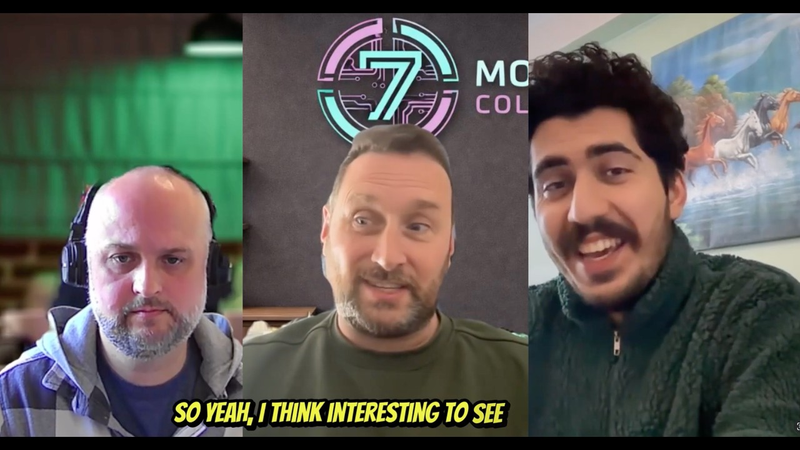
you start slow. For example, how we were starting was you would find self-s served platforms where you can spend without limitations on how much you want. So nothing like a plugin or something where you should have big budgets already or start with large amounts but something like Facebook, Google where you can spend 5 10 a day and this is something if you usually want to launch you would have some kind of savings to to go because you want to just quit your job with no savings nothing to start a company. Hi everyone, welcome to another episode of Tangent AI11. This is Roman from Tangent and today I'm joined by Gonai from Gamelight. Hey, good night. Hi, Roman. Great to be here. How are you? All good. All good. Exciting topic today. It's so hard to raise money especially now for mobile game. This is like I don't know how people do that now. And uh today we'll talk about how
to run a game studio without uh raising money. how to launch a gaming business without raising money. Um, Gunai, maybe a quick introduction about yourself first. Sure. Um, I'm Gunai. I am founder of Gamelight, uh, which is the largest rewarded marketing platform. Um, I am in mobile app and gaming industry since more than 10 years now. And, um, this is my third company. I also launched two other companies all still within the same app and gaming industries. Oh, I didn't know that. Yeah, the game is the third company that I launched now. What were the other companies? I mean just as a industries is it mobile app? Uh so they are not marketing related. Gamelight itself is also both B2B and B2C. So one side is B2B marketing platform, other side is B2C. So we have our own mobile apps that we
publish. Um, and the other two companies are just B2C, so it's mobile app companies, not super. Well, yeah, then you have a good track record to talk about this. Um, of course, Gunai prepared some slides for us. So, good night, please share your screen. Here we go. Okay. Should I start? Yeah. Yeah. Yeah. Do it. Okay, I mean I already introduced myself. Um I can skip this. Um this is the awards and recognitions we got as game light. Gamelight is the reward marketing platform. Um and this is just some of them. Some of them are not included the latest ones. Um it's primarily for best marketing platform or best use of data. Now how we did it? I will start with the idea. Okay. In general, I will talk about launching a company, launching a startup and step by step what you should
think about the from initial to the last stage of even scaling. So first starting with the right idea. I often also get asked if uh it should be something you have passion about or should you just choose what you know. I think the best is to mix those two things. So not just something you have passion but have no idea. is probably the biggest mistake I see that people would uh pick the industry they're interested in things they want to do but they have no idea what to do so they are learning on their own mistakes uh which is fine but it's better to do it while you work somewhere else while you're employed somewhere else then you can learn there and when you launch your own thing you already have insights of what to do what not to do how the industry works what players are there so you don't have to now start from the scratch because especially if you're bootstrapped you you are quite short on time to make it work you can't just take healthier one year now to learn the industry. So the best thing is to take where you have expertise but also some passion some interest because if you don't have this you will be bored afterwards short time because if you
just do what you know but you have no interest it will just become uh basically routine for you no fun to keep growing to keep learning in the in what you do. Um and in our case uh it showed that the best is solving your own problem so to say because if it's a problem for you personally too then you know what are the pain points what would be good what would solve the problem so you don't have to interview people learn from them but you firsthand experienced everything that this industry has and you know what needs to be changed which we did also with game light in this case. Um, so best thing passion plus skills. This is sustainable. This is long-term. You can continue growing. You can continue building without getting bored and without burning your company because you're just learning it. And if you have a choice, you should always choose painful problem over cool idea because cool idea might sound cool. You might have fun to share it with others. But painful problem has higher chance of success because it's more burning and more people would use your product in
this case. So perfect example would be I want to lose weight and I'm already working for a company that develops apps. So I know how this works and now I do my own app around uh losing weight. Yeah, that's a good example. That's a So you have interest in this topic and you also know how the product works. So you can combine this. Mhm. Gotcha. Now, um the next step would be finding a co-founder. I usually discourage anyone who wants to solo. Uh because I used to be a believer of solo founding but um my first company was soloounded and I learned on my mistakes that you should never do this. If you can, you should try to find a co-founder with whom you can cover all skill set that you need because you can outsource things uh be development or tech or
business side of it. But it will be slow. It will not be as good and your results you you are very likely then to fail because you'll have kind of MVP version of your product within 6 months that the outsourcing finished it and it will not be as good as if you would have something ongoing happening which I will come later to this topic. But in general if you can find a co-founder try to find one not more than three there will be a lot of arguments. two ideally maybe three if needed tech business combo you should have your skill set should cover everything that you need. So for example in our case it was u anything business related anything tech related back and front end and marketing BI design uh product finance this is like the core that you need initially because if you launch an app business you need to have some idea of this so you can't just launch having no clue about design or no clue about BI or no clue about sales or marketing or tech or how to build like you have to have those minimum and then afterwards come will come more like secondary things like admin things maybe
HR recruiting and so on. Um, so if you have those skill sets, you're probably good to go. And if you need to find a co-founder, I would encourage to look among your ex-colagues because you already worked with them, you know their style because often if you find among friends might be you get along good as friends, but once you launch the company, it might not work as well. So the best is to look among your colleagues. You already worked with them, you know their style, you know your style. Did you get along at work when you were doing projects together? And if the answer is yes, then this might be the right person. And the focus always and always should be that when you have uh disagreements with each other, it should always be around um what is the best solution not about who is right because you might feel that oh I can't be wrong. I have this is my opinion but you should have open mind. we argued. Okay, cool. But we should agree on who is uh which opinion is the best one and then go with this. So you
should be open to be wrong and you should be fine with this as long as the final result is correct. Makes sense. Um any other tips of actually finding outside of ex colleagues? So for example um like let's imagine I have a plenty of ex colleagues but I don't think they want to kind of risk it with a startup. Yeah. Um you could find from friends of friends like I had this case too. We didn't end up launching together. Um but um some years ago for example a friend who knew that I'm launching and he knew someone else who wants to launch and we got together we discussed things this could be an option. Um I don't know how it would have worked though because my co-founder is my ex-colague and I know for a fact that this is very good and I know other people who had co-founders of their ex-colagues for whom it worked. So you could find more like new people in
your surrounding in your circle but it might be a bit riskier. I don't believe in those platforms where you register. It's more of like not dating. Yeah, it might work, it might not work, but a big deal. You can't put so much effort and into someone you don't know. How important is it for you to find a person who live in the same city as you do? For me personally, it's quite important, but I've also noticed that with my co-founder, we don't have to be in the same city because sometimes, for example, it's also fine um between different cities as long as we have enough sync calls with each other. But if you're in the same city in the same office in the same room, the idea flow is way faster and way more efficient. So I see a huge difference if you are actually in the same place. Gotcha. Thanks. Then okay here about bootstrapping and investment. Okay, you have your idea, you have your founder. Now you decide um
do you get investment or do you want to be bootstrapped? I think this is probably one of the most important decisions after finding your co-founder. That's probably the number one decision. If you have the right co-ounder, you can build any product. If you don't have it, even the best idea and best products might fail. After this, if you bootstrap or invest, get investment will define how the your company is going to grow. Um all of my companies are bootstrapped. I never had investment. Initially I wanted to get investment uh with the first company but um with the latest ones we didn't want it anymore because we saw the benefits of bootstrapping. Um so first of all if you're bootstrapped you have complete freedom of what you want to do. You don't have to report to anyone. If you decided to completely change your product or completely change the direction you can decide it based on if you want it and if your founder wants it. You two agreed you're good to go. There's no need to explain any why why suddenly we are completely changing everything. There's no need to delay all of this process which is a huge speed
gaining process gaining point which I think is hyper important. Um initially so you will be very slow because there's no money there's no team there is no product. It's basically two to three people sitting grinding the work trying to get things uh going. So initially you will be slow and you will have less tests going on slower steps but afterwards after you reach certain point you will become much much faster than competitors because competitors are probably at the stage when they have much larger teams. Any decision making has to be aligned with different teams and leads and meetings and get approvals and the whole process is way way slower. And if you are bootstrapped you usually have smaller teams faster processes and you can make decisions much faster. So you gain speed way gain much faster speed in compared with computers and your process stay simpler too usually if you are bootstrapped. Um yep what about marketing budget when you are bootstrapped
you start slow for example how you were starting was you would find self-s serve platforms where you can spend without limitations on how much you want. So nothing like a plugin or something where you should have big budgets already or start with large amounts but something like Facebook, Google where you can spend 5 10 a day and this is something if you usually want to launch you would have some kind of savings to to go because you want to just quit your job with no savings nothing to start a company. If you can spend 510 if it works 10 15 20 100 500 1k 2K so you step by step start increasing this. Um but if you find those platforms there are like a lot of them right Facebook, Google um Snapchat, Tik Tok also I think allows no amm self-service you can start with those. Gotcha. Negative sides of bootstrapping. I think the most important is the mental pressure that you get from it because if you are you have an investment there is some bigger company who stands behind you there's you can have mentors you can
go for advice if something goes wrong maybe someone can support you and help you out if you are bootstrapped it's basically you and you alone so if something goes wrong it's just all on you and there's no one to help basically which is uh quite difficult I would say especially if you start growing the business and you start hiring people now you have this kind of responsibility because it's livelihood livelihood of people or if you have clients and now they invest their budgets in you so you can't there's a lot of pressure that you can't fail you can't do something wrong and can be very difficult on um mental well-being and I think for some people it not it might not be a good fit in general because if you are not ready for this you might fail um competitive disadvantage uh that if you don't have budgets you can't just uh go crazy in the beginning hire teams build you have to step by step and you might lose there initially for sure. um and you have limited opportunities to experiment because you can't if you have a good idea which needs thousands of
euros for investment it's very easy right what is thousands of euros if you have 500k 1 million 2 million budget but if you bootstrap you can't just now suddenly decide I will spend my 5k on this crazy idea and continue doing this for 10 of them so you have to be very careful um with investment so there are benefits that are faster scaling initially that you gain a lot of speed um because you have investment to finance your ideas and your um you have access to bigger resources and networks. Sometimes the companies that invest, they also would have things like finance team in place, recruiting team in place who would help you with this kind of stuff. Or if it's a company that always invests in app companies, they might have some creative team in place who might help you with first things. If you are bootstrapped, you don't have any of this, right? You you're basically doing your own finance, your own everything. Um and external external pressure and reporting is there too. So because you as I told you can't just spew from the idea and change something you can you always have to report and make sure investors are happy otherwise it's not going to work
basically it's their money that you're spending and you might have less control over decisions you might have an idea to do but um there might be an investor who might say no we are not doing this I don't approve that um so it's like all of this you should uh wait out and see what you prefer because for some it might be okay not to have 100% control over the decisions as long as they have stability they get from investment. For others, it might be that no, I don't want anyone to tell me what I'm doing. I better have this risk, but I want to do what I want to do. So, you have to think what would be the best for you personally. What would you recommend for the first time founder? Um, I think I'm a big believer in bootstrapping, but not for every idea. I will explain in a moment. Not every idea can be bootstrapped but I personally believe that if you bootstrapped your company you learn way more like for example me and my co-founder can cover every single skill in the company. So you become more independent and you
understand every single thing that's happening. There's no thing nothing like what's they are doing. I'm just overviewing you know you can understand everything happening. You know what is happening and if you know the details you have better vision on where to go because you understand the whole product and business better. Um I would say I mean for me personally bootstrapping is better and every next company I also bootstrapped but if you can get an investment it might bring more stability because I could also see how you might break under bootstrapping pressure because like how long like it's not like after one two months you're suddenly successful right it might take half year one year and it's uncertainty it's your own livelihood so I think it depends on the person and the in case of success at some point you decide to get an investment you might decide to find an investment even if you've started bootstrapping right yeah yeah I think this is kind of an also important decision to make because getting
investment always is kind of glorified that someone got 50 million so but you should think do you actually need it or will it slow you down potentially because now you have some third party there also potentially making decisions on you with you to whom you have to explain things or do you do you actually need this money or can you actually continue growing without that so this is kind of a decision to make in our case we decided that we don't want investment that we would rather continue growing bootstrapped without investment yeah but I think it's also tricky because yeah you might be feeling that getting investment is good but they should decide better Yeah. Okay. Um there are some easy questions to ask if you want to decide on bootstrapping. So this is not about how you personally feel or something. It's purely about your uh business. So first of all, you must have all the skill set. Uh I don't think you should bootstrap if
you and your co-founder don't cover all the skill set. So if you are business and there's some other business person and you don't have a tech person, you can't say I will outsource. I have enough savings and I will bootstrap. It's very likely to fail because you will just get one basic MVP and then each iteration will be weeks and months and you are not going to succeed with this. It's very long and it will not be optimized your product. So you and your co-founder must cover all the skill sets and then if you have a B2C platform you should ask the question are you going to be profitable with 300 users? Yes. No. Uh if it's a yes then you are more likely to be able to launch a a bootstrap business. If it's a no then you can't. The same with B2B. If you have if you can be successful with five clients is the yes you can bootstrap. Is it a no? If you need like dozens hundreds of clients to be successful to be profitable in this case you can't launch. So those are like simple easy questions to ask in the beginning when you look at your monetization model to understand that. Um give me a second.
Okay. here to also one thing to mention I think I'm missing the slide for monetization how you decide on your monetization model um so you you build everything what uh needs uh to be done within the app and so on and I see very often how people miss uh the point that um okay how they build it I will get 100 users they will tell us 50 users which will tell us 100 users and so on because my product is so amazing it's going to go viral and it will be great this is not a business model, right? This is just a hope that's going to go viral, but there are mill there are like five six million apps in the app store in Google Play and there are probably like 10 to 15 apps that will get viral without actually paid acquisition or so on. So, it's very very very unlikely it's going to work. And if your business model, if your monetization includes a virality element, you should completely remove it from there. There should be no virality element. No one is going to tell anyone anything. Remove completely all of it and look at the rest. Are you
still able to be profitable? If the answer is yes, then you can continue. Uh it's also for investment. So like if your investment business plan um monetization business plan includes virality element, it's probably very weak. It's not good. Remove that and look at the rest. And if you are still able to be profitable, then it's a good good business idea. But if it's not uh excluding the reality part then it's going to be something like okay LTV of the user is X and the cost of user is Y and here is a formal right and here is my profit the difference is my profits basically um yeah if you are doing the performance business base in this case I mean this would be good for bootstrapping if you're on low scale and LTV minus your cost and your margin is there then you can do it. Um but also in general um even if you are you need thousands and millions of users before before being profitable your business idea your monetization idea should be
specific about what kind of products will they be what kind of uh price I will ask users to pay me if it's for example if it's inapp purchases and or if it's a client base how much they going to pay me be realistic but don't include things like uh I don't know I don't need sales team because my product will be so great my part my clients will recommend me to each This is very unlikely to happen. It can happen that partner tells partner but this is not a business plan right this one of 10 maybe you'll tell someone else you will get 11s but this is not going to be yeah yeah um then um we focus a lot on lin startup methodology this starts from the MVP this is a common mistake I see with the first time founders too that they try to build an MVP that is uh very good that they have a vision for the app for example example and they see all the features how it's going to be and they build this perfectly and they spend like half year on this and then they launch and it fails because chances are very
low that this one specific product that you imagine is going to fit the market. That's why also outsourcing the tech doesn't work because they built one version of the product till the end but without any iterations. What you should do is that take your product remove every feature from it and think can I still launch it is it still usable at least initially. If the answer is yes, continue removing the features until there's basically bare bones left. If you you launch this, you get the very first initial feedback and then iterate the product. Go to the next at next feature. This is how the whole process should be. And step by step, one by one, small small steps, not one big project to go and you if you can launch your MVP within few weeks of non-stop coding, do this. Don't wait for half of perfect product. Um and the decisions you made should always be based on the data you get from users and not your opinion because your opinion is one single user. But the data you get is the opinion of all the users not not just one person. You can have direction, you can have vision but don't go into details of how
every single thing should be because this doesn't matter what you think here. It's about what users do and then you kill what doesn't work and what's the next idea and the next next. So you should iterate as much as you can with new product features. How do you get to like statistical significance when you test those things out? Yeah, initially it's a hit or miss to be honest. More you grow, more you're like, how was I making decisions based on this little data? Um, but it's better than nothing. I still think if you have only 100 200 users and some numbers that make sense, it's better to rely on them than okay them. Um because if there's a huge difference you will see if there's not huge difference maybe it doesn't matter than the next idea anyways. Gotcha. Um about datadriven approach so what I mentioned you're most probably going to be wrong and what you just think matters more and as a founder you should focus on the whole direction of the company
and the vision that you have not every small detail of the product that you do. Um I also often hear how you should listen to users and uh see what they are saying and so on which might be good but in my opinion this is extra noise um that is there because usually people that are louder it's just a minority. It's a smaller share of users that are very loud. So if you just listen to them you will think all of your users think this way but it might only be maybe 3 to 5% of the users. But if you look at data, you will see what all of your users actually do. So not what small minority is saying, but every what everyone else is doing. And your data, the decisions should be based on this, less about what everyone's saying, what reviews are saying, what they are writing you, and more about data. This might be a bit controversial. Uh some people say you should always read the reviews and do what they are saying, which I don't believe because I think this actually might take you in the wrong direction. You might end up building a product that's good for small loud small percent of loud users and
that would would actually be successful 100%. Um and one hot take I have here um me and my co-ounder don't really do calls. This was not an initial decision that we had but we just realized step by step that it's uh useless and it creates false sense of achievement and I think it's very important for founders to understand this feeling cuz what happens you are a new founder some other founder writes you hey let's discuss ideas I want to hear what you think I will share my ideas or some service providers or clients and everyone wants to have calls with you and you start feeling important because like most founders They have like higher level of ego. They want to feel good. They have their company and now they go to a call and everyone sees you know those people that you are successful and so on. But then you start focusing on those things how great you are and how cool you are and not actually doing the product.
Especially if you are bootstrapped you should focus on making your product better and growing your company not going to calls and feeling good about yourself. So after some time we decide with my founder that we will not have calls. We will actively reject calls. Try to be nice about it. You don't have to be rude, but uh don't have calls unless you personally think it's important and you can't uh easily do it over email that there's a lot of brainstorming involved, maybe discussion involved, then you do calls and u everything else you basically reject so that you can focus more on your actual goals and not what feels good so to say as a founder. Is it the rule for everyone in the company or between the co-founders? It is between the co-founders for sure. For the rest of the company, we discourage them to have many calls. Um, but for example, for some positions like business, business develop, business development, account management, they have to have calls because it's relationship work with partners. So for them, it's the opposite. Have as many calls as you can relationship. For the rest, um, we discourage, but they can have with each
other. We don't have calls. Neither team much needs no partners or clients or service providers. to be a devil's advocate uh you probably uh block out some time for focus work because the messaging can like last you know especially if said some sort of debate it will go for a whole day um do you kind of turn off your slack or I don't know the messenger that you use like between 9 to 12 and you do a focus work or uh yeah what Do you do for me it's the opposite. For me most time is focused work and then I designate couple of hours to answer messages. Mhm. Um I believe that in if you're bootstrapped founders are often the main force that are driving things and if you can't if you stop doing it's very easy to stop doing it because the other ones are also work right it's not like you don't work
when you answer messages or you don't work when you answer Slack and so on. This is also work. But if you start focusing too much on this, you will start losing the direction that you have. So what I do, I have focus work most of the time and then every day a couple of hours I designate to answer the chat, to answer Slack, emails that to get back to people that wrote and then this way I can align it better. Right. Makes sense. Yeah. Um yeah. And shortly about benefits of uh no calls. Um because this if you have calls, you have to schedule, hey, what time fits you at this time? do can can you do this and this and then schedule for like 3 4 days in the future um when it could have been now. So you actually been several days to get things done. Um it's also more precise and not memory based. For example, you might someone might say something, they might mean something differently or maybe they misspoke or they used a different word or you just remembered it wrong. Suddenly you have a wrong understanding of what you discussed which wouldn't happen in writing because it's right there and
people usually think a bit better before writing down that sentence are better structure that what they write they wrote what they meant. Um and you can always refer back to this like even if half year one year you need some details of that something that happened you can just Google and check it and uh find it which can't happen with notes like you will probably lose your notes after half one year after the call. Um, so all in all, I'm a strong believer that better not to have calls than have calls if you want to focus on growing. I I have one more question about your focus time. What have you worked on in game light uh let's say last week or whatever uh focus task that you've been doing like like the most recent one? Yeah, I don't know how much I can share. Um you say my focus tasks involves less partners and more product related because um data do you look into data or also data I'm responsible for the data but all also new product features that
we are building that's what we do a lot with my co-founder because we have to discuss all of this a lot and focus a lot so I can't just answer someone come back to this I need like 15 minutes to get my mindset back to this so it has to be like yes focus primarily I say product BI related things. Mhm. Gotcha. Yeah. It's actually I think so important because I feel like most people do what you mentioned is focus time. Um but if you do non-communications type of work, it should be the opposite. It should be everything is focused and you have few hours of communication time. Unless you do like partner relationship or something, then obviously it's vice versa. Yeah. And the time of the day matters a lot for me. Yeah. Is it mornings or evenings? Morning is the most productive time. Like when I'm really on to something, I would also check my messages very late and I work on the stuff just to get more because in the evening it's hard to be very
productive. for me it's I mean it's very early in the mornings or late evenings after like 9 8 900 p.m. sometimes I notice I start doing something and suddenly it's like 3:00 a.m. or something like I have to go to work in some hours where you completely get lost because there are no distractions, no one's calling, writing, nothing's happening. You can just focus on that. Okay, good point. Um, yeah, and to finalize all of this together, you should have Oops. Uh, you should have uh first the right idea that involves your interest and also expertise which is very important. Finding the right co-founder with whom you get along and also have complimentary skill sets. Build the right monetization model without virality but something that you can precisely evaluate if it it's going to work for you. Build l build a lean startup structure based on data and not the opinions. Launch your MVP as fast as you can without u and make iterations
afterwards without first building it for a very long time and make all of your decisions based on data. And then once you have all of this, if you have performance base, it's very easy to scale because you'll have the product that works. Gotcha. I have one uh final question. Um it's 2025 and their eye is changing like everything. What would you indicate that is changing for founders that are bootstrapping? It's amazing. I think it's uh going to replace a lot of people that you need to hire especially if you're bootstrapped you don't hire you know initially you outsource you try to get service providers and now you can probably pay like $15 $20 a month and get a creative production and uh someone who will write amazing text for you for your app maybe even start coding because they're like very good AI coders too. So it's I think so so good and it might enable more people to bootstrap their company. I
think if we would have all of those tools would probably be even way faster initially like I wouldn't for example I had to learn video editing skills because we needed video for our first creatives and none of us could do now you probably wouldn't need this you could do some videos with AI then I would do it myself with the tools that I learned initially so it would I think it would enable more people that could bootstrap nice yeah absolutely makes sense um Um yeah, I I wanted also to ask something about AI, but I forgot. Uh anyway, uh I will leave my question to Gonai in the comments once I remember. So I urge everyone to leave their questions in the comment section of this video. Uh thanks so much. And I will uh leave all of the links in the uh description of this video like a link to game light um your LinkedIn account I
guess if you're active on LinkedIn. Uh anything else that we want to mention before we wrap up? Not from my side. Talking to you. Yeah then. Thanks. Until next one. Thank you. Cheers. Ciao. Bye.
Auto-generated captions from YouTube — names and numbers may be misheard.
Key insights
Distilling the key insights…
Ask AI about this video
Cite this video
Citation
Generating citation…


















Comments