1 free read left. Create a free account for unlimited reading + AI research.
Create free account
How to build a community brand
Key insights
6 takeaways- 01Shift the studio strategy from traditional marketing to fostering direct, authentic relationships that treat the audience as partners rather than a customer base.
- 02Establish a consistent feedback loop that prioritizes player experience and emotional connection to ensure the game's 'soul' remains intact across product cycles.
- 03Orchestrate and empower communities rather than attempting to manage or control them, as brand identity is defined by the collective perception of the user base.
- 04Identify and leverage key community roles—such as storytellers, ambassadors, and connectors—to act as hubs for advocacy and organic word-of-mouth growth.
- 05Reward passionate community members for their social reach to transform players into long-term stakeholders in the studio’s success.
- 06Maintain transparency by providing the 'why' behind studio decisions, especially during periods of internal conflict or disagreement, to build long-term trust.
Ask AI about this video
Transcript
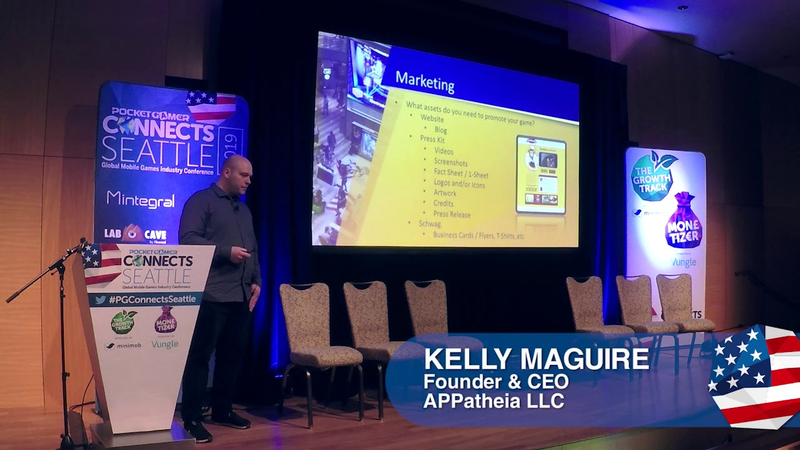
so first off I want to do just a little bit of market research myself before I bore you with who I am I want to hear a little bit about who's in the room and just exactly what you're doing in terms of building your own brand whether it be your studio or sometimes you have to actually focus down just to your game so how many people in here are actually developers of games okay and how many people are passionate about the fact that that brand that you're building right now is going to be a household name okay so we've got a couple of people are committed to so let's maybe lower the bar a little bit but it's going to be at least known in the industry and an award-winning brand okay so we've got we've got some conviction
how many people here are just trying to look at the game industry and figure out is this something that I can make a living at and and be effective at is and I get this a lot when I work with independence where they're actually not sure they are an entrepreneur yet how many people in the room they're still trying to cite if they want into this industry okay so the rest of you are probably in some level of support inside of either existing developers or within the within the game context what I work with when I work with studios is to understand where we're at in a market in terms of the moment that we have to take advantage of a change in consumer behavior that is systemic in the history of mankind and that's that the consumer wants to get directly connected to the Creator and it's something that i think if we understand that at a fundamental level will understand why community branding is such an important piece so
this is just a little bit about the fact that this is a business strategy not a marketing strategy and not specifically like a support the function that you're doing I'm going to make sure I hit the button here correctly nope next there we go so this is just a definition of terms I always do this because in good communication making sure that we're all talking about the same thing is important when I actually started to look at community branding it was after the opportunity I had to run what turned out to be one of the most successful community branded gaming companies that I've never been around or associated with was called garage games we had actually 200,000 passionate developers using our game engine and building their own games and creating what was to be the indie game movement we actually coined the term indie games con I could have trademarked it and
protected it back in the day when I went to the USPTO indie games had not been used yet so we were moment of truth in the 2000s when everybody was calling the shareware so definition community it's basically perceiving itself as a distinct and some respect from the larger society some group of people that actually have the same set of beliefs same sort of i think the word tribal is used a lot now i think that's an actually a somewhat better word one of the words that i use a lot these days is your crowd who are you bringing in terms of who your fans are and that makes up the people who are actually self-identifying as part of your brand and part of your organization and that's something that right now if you build your company correctly you can actually engage this group of people to be part of the brand and I think this again is
definition of terms when you're looking at brand there's lots of ways you can define it this is a definition that's you know used when you're talking about all the characteristics that a brand has but it has to do with the customer interactions the employee communications the corporate philosophy and everything you do in your advertising and marketing efforts and I think when your brand expends extends to your employees customers and the media it's the word of mouth that's what people are saying about you that what they're thinking about you and specifically how they feel about you that actually is important when you're talking about your games so perception is reality this is something that a lot of times when when we build companies we don't necessarily pay attention to the fact that consumers are actually defining what our brand is by the way that they talk about us and the way they think about us in the marketplace and that's why perception is reality and
it's how they perceive you and how they feel about and relate to as a company I think that's something that when you start to look at community branding and recognize that the it's not just the influencers and how your messaging a marketplace but it's how you're actually engaging people and how they're actually emotionally connected to you as a lifestyle part of their lifestyle you start to look at the power of having that direct consumer relationship that in most cases in the past has been somewhat disintermediated by publishers and a publishers can allow their developers to embrace that direct connection to their consumers they're going to build much stronger franchises much stronger loyalty the ability to sell more product and have more engagement in the mobile space we we think a lot in terms of lifetime value and frequently we get caught up in dialing the dials up to get the highest KPIs as we like to talk about them but
in many cases and you look at the long term life cycle of the Zynga's and some of the other brands that have have dialed those up very high they've atrophied their brand relationship and the way that the consumers feel about their the products that they've built and the companies that built them I think that's something that we really have to be paying attention to is really understanding how the consumer perceives us and exactly how they are engaged with the entertainment that we're creating so it's the essence or the soul of your game and I work a lot with Studios who are still early in the process of learning how to make fun and I worked with veteran fun makers for 25 years in the game space it's really easy to lose that x-factor what it is that differentiates that game and makes it special not just you know the feature set that makes it distinctive in terms of being one up on the on the competition but really makes it something that people are going to talk about in the marketplace something
that really when three other titles come out in the same space for the same genre that have very similar feature sets that makes that game the one everybody remembers five years from now and talks about as being something special and that that soul of the game that fun factor that X Factor is even easy to lose once you've captured it just by what I caulk roughing up you'll lose some of that experience by trying to tune the game or polish it out and I don't know how to explain how not to do that I mean great producers are really good at that but I think from a brand side in a consumer experience side the way that your best able to ensure that is you don't lose sight of getting that feedback from your consumer and right now I think we're seeing this in spades we're more and more not just data feedback but actually player experiences and consume and community feedback whether it's for the form of influencers on youtube or the kind of community hub
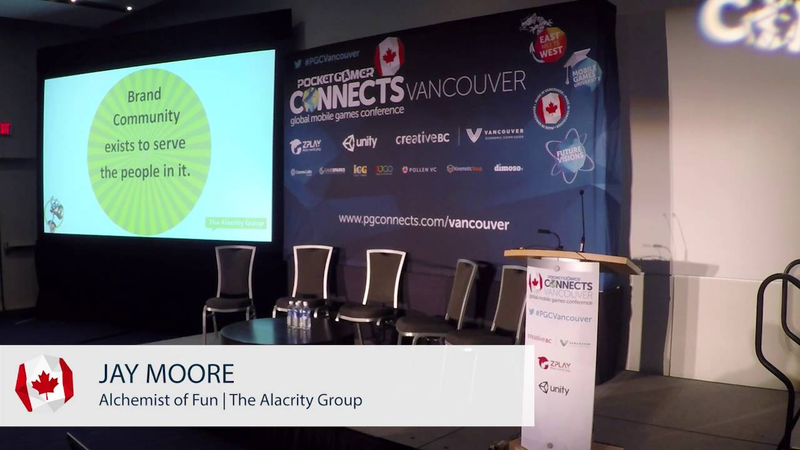
stuff we get on steam or even the reviews you get on the iOS store the Play Store are helping to form that feedback loop that allows us to pay attention to how people are perceiving in understanding our games I think that's something where if you pay attention to it correctly you respond and engage to those people that's where you can actually start to extend your play experience into your brand experience so brand community exists to serve the people in it now this is something that frequently as business owners we don't think we think about them as our community I think one of the biggest oxymorons that exists in in our language about how we're running our businesses right now is actually the word community manager communities actually I think are impossible to manage they can be orchestrated they can be facilitated
they can be empowered but communities are rarely going to be managed it's something that you until you give up control you won't actually be able to have one flourish and be able to come to its full potential because companies that try and deal with community especially as this cost center or something that they're trying to do underneath their support budget really don't get it they don't understand that that actually is their business the idea that the consumer and the relationship that they have extends beyond just the product that they're shipping right now but to all the products that they're going to ship one of the companies I was point to as Disney apples another great one one that's used in terms of community branding specifically in the case if you go read the the body of literature behind this actually it's a two week course I do and then I do a 40-minute one and this is the 15 minute version so I'm trying to cut it down to useful information but is that Harley Davidson they actually got the fact that they were producing product for a wrap for incredibly passionate group of
people that love their brand but they didn't know who they were and about eight nine years ago they reinvented their entire company by getting almost all of the senior executives out to into the end of the actual community and engaging with their biggest passionate champions they retooled the entire company changed how they how they build product and it's all now driven by their their fans they they have a competition internally to see who gets to go to sturgeon just because it's become such a passion for all the people inside the company to be engaged with the consumer not just being messaging or supporting or doing product support so the people in the community are the reason that a brand community exists it's not to support the company it's to support the community and I'm going to go really quick here and I apologize there's a lot of there's
a lot more depth here there are 18 roles within community that I think are really important if you can drill down on any one of these you can you can get a lot of learning in terms of who the different participants are any one person in your community could perform more than one of these roles but when we start talking about who the influencers are who are those broadcasters or youtubers or even you know who are the people that are actually engaging in the events when they're when your packs bringing in their friends or gauging with you as a passionate champion or a brand ambassador for your company these are some of the roles that I think it's important for developers to start thinking about and they're not any particular order I just highlighted the ones that I felt like we're ones that we needed to pay attention to the partner the one that encourages shares and motivates we heard a little bit about that I think when you think about a great publisher they're actually a partner who actually encourages the
community to be built up around a game and doesn't try and disintermediate that in order to control the email account or some level of some level of ability to reach that consumer and a lot of times in the past that's what publishers have done they tried to own the customer and I think you can lease one but you can't certainly own me very well and I think as a consumer I'm getting more and more religious about all the retargeting and the rest of it on my own personal data to feel like that I'm being message to or marketed at I think that's important when we think about how we talk to our community storytellers they spread the community story throughout the group these are people that may be blogging about you they may be just because they're they're out there giving you tons of feedback because they care about the game almost as much as the developers do or may in some cases more because they're that passion about that play experience it's
important to think about how you encourage that person to continue to tell stories even if it's not exactly the story you like them telling because it isn't perfectly on message for you celebrity is what down at the bottom I skipped mentor but I think we can all capture that it serves an icon of what community represents this is a case of how many people have went to twitchcon last year anybody okay what was your experience by the way were you surprised that why people came to twitchcon right yes the four half hour wait for for the hoodie was an interesting anomaly with only three point of purchase sales and the fact they couldn't do dredge fashion for twenty thousand hoodies to get sold that but you know everybody has a first year but yeah the the lines of people queuing up for the personalities when I
couldn't even recognize most of them and that shows you how things change from the actual product being the thing that everybody came to a trade event to see to the personalities that are part of the community and getting those storytellers and then specifically the celebrities that are serving as icons most of those guys were streaming either on illegal legends or there were a number of others but for the most part we were seeing you know what was blowing up in the e space I think audience and spectator aspect for every game is going to become an important piece of moving into popular culture it sounds like heretical information but if you look at the history of mankind there haven't been any culturally compelling play experiences where they don't have more spectators than they have players in the game itself so this is completing that 18 list so the catalyst introducing new people and new ideas I think that's
really important in that ambassador role and promotes the community to outsiders they think one of the things I did when I got to be part of the garage games is I put together our own event called indie games con and I didn't really even understand the power of the community we had until I think was in September we decided we're going to do it in the first week in november and we had a hundred people from around the planet flying in to be part of the first indie games con because they felt like it was a historical significant thing to be at the first event that was related to garage games and that was how much passion we had we actually flew in what we called our associates there were only about eight of them at the time but it was a big chunk of change for us as a small company and that's the same thing you have to start thinking about doing for the key people in your community how do you engage them do you fly them in how do they become part of your organization how did they become an extension CCP does a brilliant job of doing this every year with their
conference that they do in in Reykjavik they get people from all over the planet flying into that there are people elected to the Senate and I don't have a low rate vote nomenclature for it but they actually are not just cause playing they're actually part of that brand extension that happens and when you start thinking about that type of loyalty that type of engagement that can happen in any entertainment the ear building if you build it with the idea that you're going to engage consumers in a lifestyle that includes your entertainment and in making sure that they're part of your organization and how you build that so you know one of the there's some things like greeters and guides and those sort of things it could be highlighted in here because when you think about how they perform either in a heck as I used to call it slashed up because that's what we were on but shoot the the forums that are out there now that i reread it and how those moderators and those types of individuals there's still extensions of
your community even if they're not necessarily in your own forums or on your own communication platforms again the same type of thing that happens on steam or in the reviews that you have up on the app stores those types of influencers even at a small level you want to make sure you find a way to engage and it's not just the role one person who has you know community facilitator as their as their title it's part of the DNA of every company to pay attention to their customers at that level every CEO should be passionate about how people feel and relate to their brand and are engaged in their community I know they gave me all this stuff so I've got a couple of minutes here I just wanted to wrap this up so I could ask have people ask a few questions so I meant to do a little bit more QA during it but any questions about how you go about creating
community inside your game entertainment you kind of listed a lot of different people they should be in your community involved a lot of different those are just the from the study of all communities last all mankind the roles that exist so I me as a smaller kind developer indeed then you're not able to be a dedicated time to try and concentrate on fostering all of those people just forget anyway so what why is the what are the kind of the one or the couple of core community and sort of characters or people you should focus on what was your first thing you should do if you've not really done much so far I think that story teller is really important because people relate to stories and you want to engage in that group and sometimes you know when we think about those influences that are out there you know either broadcasting or telling some of those stories in the greater gaming world we think about how
much influence they have and with their reach and what their social media mix is but i think you know when you think about building your crowd building your community you want to think about those people who are in gages I I mean I describe myself on the planet my role is a connector and I think that role of identifying people who are willing to go out and recruit and the ambassador's all those things that I kind of highlighted those those same characteristics can be in the same person as I mentioned but look for those individuals who are most likely to be hubs as part of so if you read diffusion marketing and like the anatomy of buzz and a tipping point and blink all of those books have the same characteristics of identifying what makes word of mouth or social network marketing work you'll start to understand that those connectors those people that are are the diffusion points that that really get the word out are
really really mission critical as you're building out your community and enabling them feeling like they belong feeling like they're part of the organization and they're connected not just that they're being you know herded like cats they're they're actually participating in the success and there's lots of ways you can try and engage them and I think that in the future will even reward them fiscally for their reach that they have in the marketplace not just as like not just as broadcasters but his actual people that have social reach in a market will find a way to because we're spending money on marketing already why not do it through social media and in putting money into the pockets of the consumers that are actually making a successful one last question no question got 13 seconds so you oh great see you mentioned community management's a bit
of an oxymoron in that you can't really manage the community at best you can sort of try to help them I guess so let's say your community is for whatever reason there's maybe some internal fighting between that community or maybe they're displeased with the change you made in your game or something what's the best way once you're kind of in a situation like that to actually make it better I think you know there's a couple example Gabe Newell's a guy I look to who figures that stuff out when the thing blew up he just basically said sorry we broke the internet we're backing off they they rolled it back they're willing to own the fact that they weren't ready for launch yet that's not always the solution sometimes you have to say hey we're making tough decisions we appreciate everybody's feedback we're listening but this is the direction we're going with the game and we know if we have to lose some people it's going to be worth it in the long run because this is the and you give them the rationale you tell them the why if people understand the
why they'll respect the decision better even if they don't agree with it they'll at least feel like you respected them enough to communicate and that's a tough one sometimes when there's faction that's in like your PV and your pvp players I don't know you just have to learn fight it out you know I mean there's never always an easy answer but the community manager is living inside that group enough and I still use that as a title because there isn't a better one in the in the world right now but I still think cat herders probably more accurate great thank you thank you much cover a big round of applause to Jay please that was great good walking about while I was like a good a good Walker you're engaging into the audience's kid
Summary
Building a community brand is a fundamental business strategy that requires game studios to prioritize direct, authentic relationships with their audience over traditional marketing tactics. By shifting focus from mere product support to fostering a genuine, tribal connection, developers can transform their fan base into an extension of their organization. This approach recognizes that in the modern gaming landscape, consumers increasingly demand a direct link to creators, and studios that facilitate this connection build stronger, more resilient franchises.
The core of this strategy lies in understanding that communities cannot be managed in a traditional sense; they can only be orchestrated, facilitated, and empowered. A brand’s identity is defined by the collective perception of its users, shaped by every interaction, employee communication, and public-facing decision. To maintain the "soul" of a game, developers must establish a feedback loop that values player experience and emotional connection. When studios treat their audience as partners rather than just a customer base, they foster loyalty that transcends individual product cycles.
Effective community building involves identifying and engaging key roles within the fan base, such as storytellers, ambassadors, and connectors, who act as hubs for information and advocacy. Rather than attempting to control the narrative, successful studios provide the "why" behind their decisions, maintaining transparency even during periods of internal conflict or disagreement. By empowering these passionate individuals—and occasionally rewarding them for their social reach—studios can leverage word-of-mouth to drive long-term engagement. Ultimately, a successful community brand exists to serve its members, creating a lifestyle-oriented experience that turns players into long-term stakeholders in the studio’s success.












Comments