Transcript
[Music] welcome to the novic gaming podcast where it is our mission to explore the business and future of video games we bring together the industry's brightest Builders investors and thinkers to keep a pulse on current events dissect emerging Trends and games share Lessons Learned and have a great time this podcast is also part of novic growing ecosystem which ranges from free and premium research to Consulting and AD advisory services for more information visit [Music] www.nic.edu Europe and Asia with its dedicated gaming practice light speed gaming the firm is investing from over $7 billion in early and growth stage Capital making
it by far the largest fund focused on gaming and interactive technology Light speed's Team combines deep expertise in gaming with a global multi-stage investment platform and a culture that truly puts Founders first selected Investments include epic games snap and stability AI as well as game designers and producers who led the creation of titles like fortnite Call of Duty League of Legends valerant Starcraft 2 and many more for more information simply go to gaming. lsvp docomo everyone and welcome to the novic gaming podcast I'm your host Alex te and this is the interview and insight segment so at novic we are here to help folks Master the business of gaming and so we often spend a ton of time talking about markets genres platforms founder stories technological inflections and games and technologies that are on the frontier of the industry
the things that make those markets are companies and companies usually hold one or multiple organizations and organizations of people are modern corporate retelling of tribes develop cultures that either hinder or Aid them in their mission to create a business and in management folks are often trained on something akin to the following definition of an organizational culture a system of shared values defining what is important and Norms defining appropriate attitudes and behaviors that guide members attitudes and behaviors this is from a pager by Harvard Business School now that was very academic but regardless of the shades and the nuances of a formal definition culture is powerful because culture is about execution and executing is the building block of an organization's success towards their long-term vision and goals and so today we're going to spend some time talking about building a studio culture in the industry of video games what it is why it is important how to build it and the challenges in doing so and I'm lucky because today joining me in the studio is a Founder who's particularly passionate about this topic
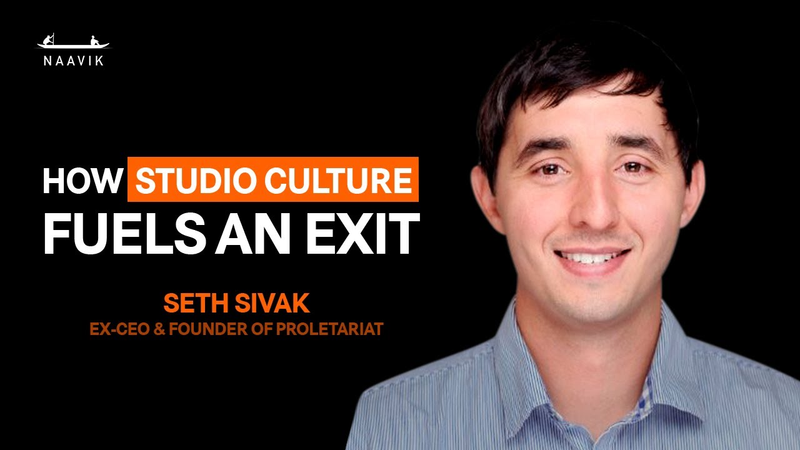
my guest is Seth civac founder and CEO of proletariat a studio officially acquired by blizzard in the summer of 2022 um their best known for their title called spellbreak and prior to founding proletariat Seth began his career as a gameplay engineer at conduit labs and then spent time as Zinga as a PM and an EP he also spent a few years teaching game design at North Eastern University and after selling proletariat to Blizzard he worked at blizzard HQ as VP of development on World of Warcraft and as a studio head for blizzard Boston he is now mentoring Founders and thinking about what is next welcome to the show Seth thank you for having me I'm so excited to talk about this yeah me too I am so pumped to have you on for this discussion um this is actually the first time we will cover this topic on air directly at navic and so I think there's none other um we'll talk about why you're best suited for this but this will be you'll be an excellent Steward of this conversation um and so before we dive into into our topic um I want to kick off uh with talking about some time
and some context setting for your unique perspective on culture um you've guided proletariat through almost 10 years before a successful exit to Blizzard and along the way you dealt with scaling a relatively large founding team I believe there were five Founders a pandemic shifting from inperson to remote and then back again and an acquisition into a huge AAA studio and having to integrate with the new culture so I'm curious can you tell me what your key chapters of proletariat were perhaps break them into eras and describe the biggest challenge faced for you guys in that era yeah I mean I think this is um to great it's a great topic to to start it on and to really look at because of the challenges as companies grow one of the things that's really unique about game studios is the type of work that we do means that that projects and teams are often shifting a lot you know when you start a project with a really small team and then grow it up into full production your culture can shift even just during that single project not even talking about the sort of parts of the
studio or the times in the studio so to talk a little bit about the different sort of eras I guess we can the earliest eras I think for most companies are when you're sub 20 people um for us when we were under 20 people it was a relatively flat structure everybody just reported to me directly we didn't really have any hierarchy it was very easy for me to communicate quickly with the whole team and for the other Founders um there were five of us uh to to all be able to talk quickly and that that era is really I think for all companies mostly defined by everyone is it's very easy to keep everyone on the same page it's very easy for you to have everyone Marching In The Same Direction um the next phase kind of going from 20 to 40 or 50 people I think cultures tend to change roughly every time you double them and so when you get to the 40 to 50 person that becomes now now you need actual hierarchy you need some amount of structure for most organizations um I would recommend some amount of structure and I think that
really breaks down how you would communicate and how important it is to start to consistently communicate vision and really start to Define how the culture exists it with 20 people it's easy enough I think for people to integrate in without needing um to be too defined because people are often you're you're a small team you're probably working with a lot of people that you've worked with before a lot of like referrals in the game industry especially people and that's very common when you start to get above 40 you know or at 40 or 50 you're often bringing people in you've never worked with before um and so they really need to learn how you work how how the team works and then I think going beyond that to 80 people that was roughly the time when we actually made the shift to Co in covid as well to remote so we were at the beginning of 20 or the early 2020 I think we were 55 people um and then we scaled to 130 by the end of that year so I think definitely doubling every faster than a year is really dangerous for any
culture but the biggest shifts there I think going to above 80 you're at this point now where not everyone knows everyone and it's very easy for people to not have any idea what other people are doing at 50 you still roughly can know everyone even know everyone by name but I think above that you really can't in the biggest changes for us in going remote ended up really being about how how much more conscious of our communication we needed to be and I think we'll talk about this a little bit later on but some realy lessons specifically on the types of channels for communication the best way to do it and and how to how to really Define that and train people on the culture and and when we talk about training people on the culture you mentioned this at the top that there's two major aspects there's the shared aspiration the direction you're you're kind of going and then there's the habits and the Norms to get there and I think really training people on both is is critical and especially at that stage that was really important for us at going fully remote it was it was about finding that communication piece um and then after
that it was it was really making the transition into blizzard which was the the sort of final step which was bringing together Blizzard's culture which was in a state of change at the time and still is uh along with our culture and really trying to pick and choose what's best but now you're bringing a 100ish people into a much larger organization of 4,000 okay so your key chapters are basically sub20 um 40 80 80 growing to 130 remote and then your fifth chapter is selling into blizzard um is that okay got it um in the beginning so you mentioned some of the challenges that were associated with the blizzard era and also some of the challenges on communication structure redefining that for you guys the shared aspirations and Norms going remote um and then you mentioned a little bit about the challenge of the at 80 you know even if you're in person not everybody knows each other right what were some of the challenges at the very early stage in the in the in the 20 and the 40 um or were the those to you kind of like the
golden days where things were easy I mean I think it is um it definitely feels in some ways easier because you don't have to have as much at least in in my experience you don't we didn't need as much like processor structure in place it was it was very easy in person you know when we went remote for example uh there was a handful of people who I never had standing meetings with because they would just swing by my desk or by my office and I think everyone is sort of exper that in what an iners culture can be versus a remote one where I then needed to actually schedule time with those people because there wasn't the ability to just swing by my office and have a five- minute conversation in the early days I think a lot of the challenge ends up um some of the challenges are the same no matter what which is have you really defined your shared aspiration as a team and what you're willing to do your core values um we definitely had our core values evolve I think early on we you know and this is this is I think true for for a lot of cultures maybe when they start out like
we we had much more of a focus on getting the work done and making sure that we um that we were delivering on what we needed to to stay alive as a company versus later on we put a little bit more emphasis on building an organization where people could really grow their careers and have their best work um getting done where that really wasn't an option at 20 people because we were we were too busy to trying to stay alive to be worrying about how we can create great careers for the employee because it was like we only have you know n months of Runway and we need to figure it out so I think a lot of the cultural challenges there end up being finding the balance right and that's one of the arguments I always hear against teams or leaders investing in some of this stuff of really thinking through their core values or you know it's always like hey that is that more important than me making sure that we can make payroll and it's like the answer is no but there's definitely a balance because the more you ignore it I think that you build up debt you build up cultural debt as you grow if you're not addressing this and you're not looking at it and you can really lead to
cultural drift and going in ways that you you wouldn't want as a leader yeah and I think you're you know you're actually jumping ahead to a little bit about why this matters so much and I think you actually shared a quote the other day that you know was like quote think about all the time you spend correcting the culture which is why you should invest in it now um because it helps guide the whole system to be moving in the right direction and I ask that question mostly because I want to before we move to the definition of culture and why it specifically matters um I want to ask you you know how much of proletariat success do you attribute to culture um and I think that's kind of a tricky question because it's something that is a bit more pervasive and it's a would call this an intangible in the balance sheet but um how much yeah if you had to say an answer what do you think so this it's it's funny I mean I think when you talk to most people that have run um companies at at a large scale or had a successful outcome like proletariat's acquisition and it's the very common
answer when people ask why a lot of folks point to we had a great team and that that is 100% true at proletariat as well I think but what the the deeper side of that is is what that having the culture around that team what it allowed us to do which was we were able to punch above our weight class like we delivered something like spellbreak with a much smaller team than probably should have been able to do it a lot faster and we were able to do that because of some of the culture we had built um and I think the talent the level of talent we were able to attract was because we had built a great culture and it became a self-fulfilling prophecy that we would we would attract great people we would treat them really well they would have there would be a great culture and then they would invite their friends to come join and that was really what drove our growth you know with the team and that's a so I think when you look at success um uh the culture is a huge Factor um because it was a reflection of the team and what we were able to do uh and I think you know the the whenever I I really want to like get asked about what made proletarian successful the the
sort of real answer is we survived long enough to get lucky and that's true for every business but we able to do that because of the the aspects of the culture that made that possible the grittiness to survive almost 10 years in this industry through ups and downs and you know we did not have every every game was not successful up and to the right and I think you only do that with a strong culture yeah well I think that's very well said and I think um that is actually I want to break that down you know when we say culture what does it mean specifically like when you say grittiness what does that mean um and in the beginning of this episode I I shared a definition of culture from HBS but another definition would be a basic set of assumptions that a given group has invented and discovered or developed in learning to cope with its problems of external adaptation and internal integration um and I think that's a bunch of other fancy fancy academic jargon but I would want to kind of pin it to you what do you think is your definition of culture especially in the video game industry I mean when I when I really think about
culture I think it's it's the the two things we talked about a little bit before it's that shared aspirational vision and I think that that's really about what are we trying to do as a team what's the destination we're going for I mean like there are lots of ways to make money but if you're a video game company you're not drilling for oil um and what types of games do you want to make what what is the thing that you want to all build to to do together and the other aspect of that is the the habits and norms and a lot of I think one of the good ways to one way to consider culture is a culture is the the type of behavior that you allow to happen and so that is really one of the ways that defines culture like are you a culture that respects um deadlines well people are allowed to miss deadlines what does that mean about your culture and how do you how do you manage that how do you deal with people missing deadlines is it okay to miss a deadline once is it not okay to miss a deadline three times and I think that's often the the the sort of
cultural aspects I mean a lot of people talk about it as how how the team acts when the when the leader is not in the room and I think that's a little bit unfair because then that's putting a lot of the onus on the leader to be the one enforcing the rules but that's not the way it should actually work um and I think so by definition it's it's really about what are you trying to build where are you trying to go and what are you willing to do to get there and yeah we're going to break that down a little bit more later about you know how to cultivate the specific culture so what are the strategies and ta tactics to build shared aspiration and build what you call Habits norms and standards but you actually just mentioned something you said culture is um you know how people behave when the leader is not in the room um when it comes to obviously we broke down the definition of culture shared aspirations and then habits norms and standards but who sets that culture from the beginning um and who defines it is it is it the founders is it just leaders um who in your mind is responsible for building the culture or establishing it in the
beginning yeah I mean I think the way it the way it worked at at proletariat is it was definitely like a Founder driven company so we would start by figuring out you know when you look at the Shared aspiration that's made up of vision mission values and we would we would start there by creating what do we where do we want to go and then we would always get feedback from The Wider team and especially later on the team was much more involved in it including you know we we went from four core values to adding a fifth explicitly based on the team's feedback outside of like the founding team so I think in some ways the onuses on leadership or the founders or or um whoever is in in the sort of in charge role to start by helping to Define what that's going to be but they shouldn't do it in a vacuum because it these rules only work if people adhere to them so if you create a Mission Vision set of values that your team is just not interested or not capable of of of um applying then it doesn't matter like what you've created so I think the
onus is not necessarily only on the leadership I think it's often their job to start um and then but then it's it's a I think it's a it's a communal um responsibility to ensure that that really works and when that especially comes into play with the habits I think really strong cultures don't rely on leadership to be the ones enforcing the rules it's actually something that everyone enforces where it's like hey you know we don't we don't do that here doesn't mean that you know people get away with it because you know the boss is not in the room it's just no the whole culture is like no we just we don't do that here that's not what we do um it's not like you know that that I think Pro points to the strength of a culture is if the if everyone on the team really believes those habits and behaviors are important enough to then enforce it when they see something go against that yeah yeah and I think that actually steps into some of the key attributes of a healthy culture but you know you said that you mentioned you had these four core values um that you and the F other founders uh presumably or
other leaders had determined you know very early in the exception of proletariat's era um do you mind sharing what those four car values were and why did you select those as the kind of the anchors for your culture yeah so we had um you know our our core values evolved a bunch from when we kind of initially started to where we ended up um and originally and we went through a couple of different phases we went from four then down to three then back up to four and then to five and so the five that we ended up settling on um the first one is understand why which was really important for us to drive this idea that you would um everyone on the team would be able to ask a question as to why something was important we really valued transparency at proletariat and we wanted to put it on every individual that if they felt like they were doing something that they didn't understand why they were doing it they should ask and the onus was on then you know leadership or the other person to explain why and this was decision
transparency these were this was all the way up and down um the second one was decide fast and iterate and this is just a matter of like you know there's there's lots of core values that are about this but it's very easy to design on a whiteboard forever and and not make a decision we wanted to be more action oriented we wanted to have more agency and say hey good decisions uh you know like like um fast decisions are good so go ahead and make them and then it's very rare that a decision can't be can't be changed or reoriented so so we should make calls quickly test them and go forward um the third one was really interesting because we went back and forth on um on on the right way to frame it up and originally it was do more with less and the core idea behind do more with less which like some of us really liked and this is this gets to some of the some of the feedback um we had this uh the the do more with less idea was was really based around um we're a small team we have to Scrappy we have to you know we want to throw out playbooks and
write our own we need to be we want to like make big bold bets and go after them in ways that um that would allow us to to punch above our weight class to do things that we didn't think we'd be able to do um and so that was uh that was something that the team felt that the way we defined that felt a little bit like we were asking people to you know to Crunch we were asking people to do things that they wouldn't be able to do they were going to extend beyond what was possible and that was obviously never the intent um so we ended up changing it uh and and so um you know we just we ended up changing the title um and and so then the um the next one was uh to take responsibility and responsibility uh this was really about um being responsible for your team in terms of the way you do anything is the way you do everything kind of idea of like hey you're responsible for if you if you say You're going to do something do it and and you know do what you say
um and that's I think a really important aspect of just being a good team member and communicating that and so those were original four and the way we wrote them is we'd write them as like original kind of titles followed by a paragraph that would really explain it in detail we would very heavily Wordsmith this stuff and share it with the team because we wanted this to be stuff you would say in a meeting like we wanted people to say like we need to decide fast and iterate itate I see iterate and so and then we would say hey like I need to understand why like we wanted those titles to be something we would hear in the in the hallway in the in the office and you know and and and the feedback we got from the team was they wanted us to add a fifth one which was to be respectful um and that was interesting to us because we had weaved that kind of throughout the entire thing of course we wanted to have respect be really critical but they felt it was important to call it out and we built the the last one to really be focused on the respect not only for each other of course but for the the company like how are you respecting the company and the decisions you make whether those be you know how
you're handling your expenses or how you're talking about the team respect for our players like not only for when you're interacting with them directly we would let our team just directly interact with the community and we felt like that was really important but also just respect for them in terms of the decisions you make the design decisions about their time and their money um so we we really wanted to have the respect go beyond just the interpersonal interactions on the team but be wider than that and so we ended up making that the fifth one I see got it and you kind of answered one of my other questions which was how important is it that these were written down um and you wrote them down it sounds like you actually have done several drafts of writing them down how frequently and where were these values where did they sit um you know I think uh you know for some companies they put the values on the wall um you know if for in a virtual environment when you guys went remote where did you put those values so that people could constantly be reminded about them yeah I mean so part it um we obviously uh one
of the things we would do is every every time a new employee would join we would do a new higher orientation it's like very common obviously and we would talk a lot about the core values um but I think the way we never really put them on the wall I think that's that's something that can feel really corporate and and you know it's very easy to kind of sneer at at core values like this um but one of the reasons why we wanted to make them be titles that you know words that people would use is that these things only work if you use you're if they're just core values that are sitting on you know that are sitting on a on a poster on a wall or or whatever then I think they they have no meaning um but I do think it's really important to write them down I think it's important to talk about them I think it's important to use them like if you're not using the core values whether you're using them day-to-day whether you're using them to Define how you're you're looking at your performance reviews like looking at like hey does this person adhere to our cultural values then I think you're you're then then don't don't do them um you know like there it's it's worse to like I
think every team should have them every team should talk about them and you should use them should you use them for absolutely everything should it be the only defining factor of the way you do performance reviews of course not but I think they're a really useful tool to easily communicate what's important and I think you know and what's expected and what the standards are um and what what we allow what we're allowed to do and what what we want to do and I mean a lot of a lot of core values are about being aspirational because you don't do them all the time you know like there's the occasional time where I didn't do what I said I was going to do there's the occasional time where we didn't decide fast and iterate like that stuff is going to happen but do we want to do that all the time yes that's the idealized future that's what we're all trying to Aspire to be yeah yeah that makes sense and I think one of the other things that I'm picking up on this is I think your core values the fifth one that your employees added was be respectful to each other to your players to the company your first core value was about asking why your second core value was about moving fast and iterating your third core value was remind me again
what was it where we side fast and iterate uh do more with less do more with less and then your fourth core value was uh take responsibility take responsibility so I want to point out that I think that there is this kind of dis or you know kind of maybe a discussion or a bias in video games that this is like too to the deciding core values is like too corporate um and I want to point out that none of those values that you have said um are unique to being in a creative organization um or in the video game organization specifically um I think all of those core values probably could have been in another company um versus a video game startup uh do you think that there's anything different about the game development industry that would change the way that you would formulate your values and your C your values or are those values that you just said um you know potentially something that could only exist at proletariat and not another company oh no I don't think that there's any you know I think 100% those
values you know we're probably not the first people to come up with those I think um so so I do think they could work in other um in other instances at other companies uh as far as being unique about the game industry I think one of the biggest factors that's different in games versus some other Industries is you're in a really passion-driven industry and for a lot of people their hobby is their job and I think that there's reasons to speak to the core like in your core values about those types of things where you know and I think some of it is also there there is there is an um uh some establishment norms and things like that that have happened in the industry over time I think things like um you know traditionally game companies are not very transparent so the idea of understanding why is like you know oftentimes teams can be very compartmentalized and so then you don't know um and so I think that uh I think all of all of the core values that we chose for for proletariat uh you know I don't I think that there they would be
they would be they would work in other organizations they would work in things that are not game companies and you know we tried to write some specific parts of this like more in our in our like mission and vision um as to what was specific for game company which is really about building Innovative games that we felt were on the frontier of gaming and allowing the team to do their best work and that was especially at the bigger scale when we were above the 80 people that became really important to to us was how do we how do we get the best team together and create an environment where they can do their best work but also making it clear that what we're going after are things that are really hard like Innovation on the frontier of gaming is not easy yeah and I think that's for you guys cultivating that specific culture at your studio is something I want to talk about the strategies and the tactics that you used to do that um and so we've discussed again your habits norms and standards and your core values and those things being shared aspirations your shared aspiration being we want to create something great on the frontier and innovation of gaming um how
did you get everybody aligned on that um did you write a vision statement um how often did you share that vision statement who was sharing that vision statement how often were you sharing it um I'm curious to know you know in terms of like that shared Vision what the actual methodology was for inculcating that into the DNA of the company yeah I mean I think if uh um if I if I could do it again I would have maybe more um uh I we would have been more rigorous on the timing the exact timing we did it it was actually a mix of basically major Milestones that forced big pivots in the culture just either that would be number of people or a project comes out and it works or a project comes out and it totally fails that gives us a moment of reflection of like hey is this is this culture working for us still because I can tell you when we did that big the sort of like larger reset when we were really growing the team to grow to the five core values it
was just very obvious that so many of the cultural you know the core values plus the the behaviors the norms and and values there the norms and behaviors were just they were just bursting at the seams like the stuff that had worked for 40 people just didn't work at 85 and and so we we felt we we needed to readdress this and and um in some cases we would just do it once a year basically as part of like a like leadership offsite we would really discuss it and we're just like is this culture working for us still and would have the conversation which I think is really important to just have when When leaders are talking about their future strategy which is just hey these are the things these are our goals this is what we want to do have an honest conversation of do you have the culture to do that like what is working in your culture what is working on your team to make you think you can do that and what are the challenges the team's going to face to be able to deliver those goals and I think sometimes it's easy for people to just ignore that or not really think about it but I think spending a little bit of time you know there's certainly diminishing returns the deeper
you you know spend tons of time at this because again you're a small company you need to be moving fast I understand that but I think there's some minimum amount of work that you can do that actually really provides a lot of value to thinking about what what is working for your culture what worked last year like postmortem your culture once a year and saying hey what what what what do we still like about our culture what do we not like what do we need to change and and knowing that you can change it yeah how do you I guess I'm curious is to say like you know when it gets to the boots on the ground tactics about how you actually change it um and you know that we've you've discussed shared aspirations habits and norms and standards and Norms are not necessarily the same as rules rules are very enforceable Norms are maybe something that just uh emerge um and and Norms are maybe things that are not necessarily like this was illegal or something like that but a norm would be like hey when we when this happens we do a versus B um can you give an example of something that you guys were trying to change um that wasn't working contributing towards
that shared aspiration and then how did you actually get it there um over time so I think one of the I think with the more so on the behaviors um it's a little bit easier to talk about like what are what are some things that we actually really shifted I think with the shared aspiration you know that's that's all about moving towards where the the mission and vision is going and I think the way you know if you're if you're not headed in the right direction for that strategically I think that that's like a deeper conversation on where the company's going I think culturally on the behavior side an example I can give you is especially during covid we ended up in a situation where we just our communication was just insane we were and and the example I'll give you is we weren't really we were using uh email and slack and Discord for people that would send me stuff for approval and that was just like this is this is not working like you know I was losing stuff things were you know and this is one of
those challenges of scale right like we were just we were bursting at the seams like that we were we were things were slipping through the cracks and so what we did is we we created a new we we created a cultural communication document that outlined exactly like how we communicate here at proletariat what is a good email what goes into a good email what's a good email structure what's a good meeting what goes into a good meeting how do we use slack like what is acceptable in slack what's not acceptable in slack what are the expectations and then every time we had a new employee join we would give them that document and that was part of their onboarding and it was just a like it was like a user manual for how we communicate on this team and it was incredibly valuable to fix some of this stuff and I think you know we started to use people everyone's probably this is something that everyone's probably experienced some people on their team use threads in slack some people do not yeah and and I'm sure people have done this and so what we did is we we defined very clearly what you know there was one channel that we had that was just industry news and the whole idea for the for the structure was you would post the you know the link link and then all discussion would be threatened and it
was funny that anytime someone would break that Norm I didn't need to step in and fix it someone else on the team would and oftentimes it wasn't leadership but this is one of those things when you talk about like I think if I could give like two I guess examples for you as concrete things one is to just Define this stuff like don't be bashful about it just Define what you want like what behaviors you want to see what is good here what is a good meeting because it can be so so often people don't Define that and then it's not clear um and you know and and it's not that hard to do I and you know this is when we got to that conversation that you mentioned earlier about like how much time do you spend correcting this stuff like how often do you correct people on the way that they're writing an email of like hey this needs to be more clear or you know whatever please don't send me please don't send me approval requests in slack and instead just Define that but then the other side of it is you really need to not only you know a lot of this is leadership I think needs to really embody this because you you lead by example so you really need to hold yourselves to the standards of the behaviors that you want to see and I
think that's really critical but the other side of that is you need to identify people on the team and everyone knows that these people exist and they may not always be leaders that are just the centers of gravity of the culture there are people that that are on the team that other folks look up to or that other people emulate and those are the types of people you want to make sure are deputized and trained up on how the PE how the culture should interact and how people should how people should act in you know in their day-to-day work and then those are the people that you can really rely on to have the gravity and the ability to help to help enforce the culture across the entire team and so you should identify those people you should talk to them about it you should you know and you and it's not you're not like you know um uh uh doing anything special here it's just like hey people seem to really look up to you I want to make sure you're aware of like the best way you know that you running your meetings really well because everyone's going to look to you on how you're doing it or everyone's going to look to you on how you write your emails and and that's like you know finding those people espe outside of leadership really help strengthen the culture because then it
makes it okay for everyone else because it is a cultural behavior on whether or not can someone else enforce a rule or they have to wait for a leader to do it because some cultures would say only leaders can do it and I would think like no you want everyone to I see yeah you talked a lot about the communication and establishing that structure and then you know you're talking here about finding I guess what I would call like uh early evangelists of the culture as well like people that that can uh prti the culture for fear of being too religious sounding but essentially that um you know be the take take take the thing that has been designated by leaders and then embody it and then also enforce it Norm it habituate it themselves um and you know actually we chatted a little bit about you know you saying like hey like I needed to create this structure in slack to get approval um were there any times where and that sounds like it had an effective outcome it resulted in the behavior that you wanted um we had a brief chat a little bit about how sometimes you want something you want a
but then B happens instead of a were there any times at proletariat where you tried to get people to do a certain thing because this is the outcome you wanted but the thing and the way that you decide to do it the tactic back fired try to think of a good example for this one I don't um uh I think I think oftentimes something this is something that can be this is often can be a trap with um with the way teams Define their sort of career ladders and growth where there can be parts of this that may not be aligned with what the company really needs but people want to do they want to adhere to what their you know growth trajectory tells them is possible and this is one of those things where we move to having a you know as we grew we wanted to create a more defined um ladder structure for careers uh and that's I think important to make sure there's internal equity and that you're communicating that but one of the challenges of that be the more detailed this becomes it becomes a real issue
where someone's like hey I want to become senior but in order to do that I need to be able to do X and so therefore it starts to like really create I think incentives that may not be intended um and so that was something that we tried to combat by balancing both like internal Equity with some amount of personalization and I think that that's one of the risks that you can run into with looking at how you would a lot of this ends up being you know how are you incentivizing and making the choices that you'd want to make um for you know for individuals versus teams I think that's often where this stuff starts to um diverge is that individuals are maybe incentivized in a certain way but the team or the organization is actually incentivized in a different way interesting yeah and that's definitely a um that's a very good example of having those things be kind of not those things I feel like at most a lot of companies easily slip out of lockstep um and so I think that a lot of companies battle with the um you know setting up an
incentive structure that rewards team play as well as individual and IC contributions um and I was just curious to see whether or not those you had any had had any had any of those problems at proletariat um so we talked a little bit about communication structure and putting some structure at your company um at proletariat around it um I want to ask you about a quote that I read the other day in um creativity Inc which is a book read written by Ed kmill the CEO and founder Pixar and he said that communication should not mirror organizational structure um obviously in a physical office place you know it's very easy for everybody to talk to everybody but that that even more multiplies I think in a remote environment what do you think about that quote and did you say something that you also believe I mean I yes I mean I I think from my experience that's definitely the the challenge of hierarchy and a way a lot of this structure works there's there's um I think as as you we talked
about the different phases that companies go through and I think as companies grow leadership is needing to shift away from focusing on like making a great product to making teams that can create great products to building an organization that can hold a team that can make a great product and I think all of those end up having unique challenges in balancing specifically like the way teams communicate I think the biggest thing with um the this is one of the reasons why we had to understand why being a core value at proletarian is we wanted to make it that you know even the most Junior person on the team could could go ask a question about whatever whatever was interesting to them or someone on a different team because as you as you grow we talked about the 80 person you don't know what other people are doing and I think on some level there you know it can be really valuable where information is power there to make better decisions and it can often be really difficult from the top level to
know who should know what to make a better decision because if they don't have the context it can be really difficult to know where where the seams are um so I do think you know with having having this is where transparency becomes incredibly important and I think the real value behind building a culture that is okay with this um and that is transparent really allows for and and it and I think it sort of becomes something that cultures end up relying really heavily on the fact that things are transparent in order to have the best information it's like their their whole decision-making structure changes because they want to know hey I want to know the metrics and the results of the last thing before I make the next decision and that changes the whole ritual of how they make the you know road map process or whatever it might be interesting got it um in that tactic in that vein of transparency um and you you you've mentioned this earlier that the game industry is atively secret and that's a mistake um and you guys Pride
yourselves or or a culture that Pride themselves on a high level of transparency um what is a good level of transparency to you and how did you decide the line here you know is there such a thing as being overly transparent yeah I mean um uh this is definitely an interesting balance and and I think um not every team has the luxury being able to be incredibly transparent right because I think you know or or as transparent as they may want to be and some of that is defined by like obviously if you're a public company there's certain information you can't disclose um uh but I think for most organizations that are smaller or especially the ones that are maybe private um uh I think they can be pretty transparent and I think the balance and the trade-off ends up being how much do you want to exposed to the team in terms of their own ability to manage the ups and downs of the roller coaster itself and you know
as we were going through uh you know we went through two different acquisition processes at proletariat um and I tried to be as transparent with the team as I could on the status of those and you know so an example I'll give you is when we were talking through potential options um I we we used code names and we wouldn't I wouldn't tell the team who exactly we were talking to because we were really worried that you know I I trusted the team completely but we also just didn't want to make it too easy for someone to accidentally like say the name of a company we were talking to which could really hurt a process like that in process but I was willing to tell them you know here the that we're talking to four different companies this is the status of it and and you know those types of details and I think that that was really helpful for them to just know because I would also show them how much runway we had um you know and like where where we were at with how long we would have until uh you know until we would need you know the next round of funding or publishing deal or whatever it might be and so I think from a transparency standpoint it's it I think
teams need to decide what what they're comfortable with my my general rule on this is to try and share as much as possible that I think allows people to make the best decisions um for people that want to know more I would often you know there were there were some folks whether they be junior or senior on the team that would occasionally come up to me after a meeting or ping me on slack or whatever and they would be like hey Seth I'd really love to know more about X Y or Z and I would often just like ask them you know what why do they want to know more like what do they want to know about this because there is some risk you know there is something nice um about like out of sight out of mind like how much do you want to know about how you know how much Whiplash we have in talking with these teams because everyone that's worked in a startup knows that like you know the like you know you come out of a pitch you're like we totally nailed it it's amazing and then you get an email the next day and you're like oh we're you know we're screwed um and so how exposed the people want to be to that um and and I think I would let people make that decision for
themselves like if they wanted to get on the roller coaster with the leadership team they could do that if they didn't then that's totally understandable as well because they also trusted us to make the decisions um so I think you know the best things to do to be transparent you know the core I guess two core things I could say is you really need to build credibility in order to have transparency and so I think leadership you know one of the biggest things that leadership can do is to deliver bad news is to like deliver results whether they be good or bad and not try to like sweep them under the rug or be like hey guys like you know we celebrate the win we we hit our goal and then like say nothing when it doesn't happen I think being able to deliver both of those is really important and the other factor is just making it really clear that you shouldn't surprise your team if your team is being surprised for whatever reason your transparency has probably failed like obviously there's there's you know crazy events that occur where you know you had you no one saw it coming and a publisher cancels your deal or whatever but if you saw this coming and your team is going to be surprised there's probably a way
to communicate some of this to set the expectation as to what's going to happen and so I think those are two really critical ways that people can can build that transparency yeah that makes sense and I think you also made the case for the other point which is the other question was what are the good Arguments for secrecy um and I think in some of those things you mentioned um you know having people accidentally have a conversation about a deal in a coffee shop and having that run risk of that is a very legitimate concern um or you know making sure that they want to be on the emotional Whiplash in the same way that maybe the founders of the leadership have the responsibility to be um and you know wanting to protect and shield them from that um and so I think that that's actually really an interesting line and I'm curious to see how you decided to tow it um as it's something that I think all startups regardless of whether or not you're in the video game industry or not really have to navigate in terms of like how much do I tell the company about um you know the business how the business is performing deals that are happening Etc um and so I think that
we've started talking about some of the challenges to building culture and you talked about some of the challenges of building culture on a growing team in terms of headcount um and you've told us a couple stories about you know when you went remote when you got bigger you put all this new communication structure in place um but earlyer you mentioned something fairly interesting which was um you know you had said at some point there was definitely times where I didn't do what I was said I was going to do um which was against one of your core values um and I guess what should you do if you have key leadership that doesn't follow the cultural norms um and you know a also over time that obviously makes your employees think that that leadership team isn't walking the talk um has that did that ever happen at proletariat and how did you handle it we were we were pretty lucky that that wasn't too much of an issue for us at at um at proletariat on the leadership side because I think the leadership mostly all um we're all pretty pretty strongly aligned um with the culture and what we liked about the
culture I think the um I think it's definitely a challenge though on the leadership side um to make sure like it's very easy for a single leader if they are not leading by example or they are not enforcing some parts of the culture um the way they should to really cause strong cultural drift because all it takes is a few examples of this to then set a new Norm um and so I think it's very easy you know one of the one of the key things I think is important when hiring um is to you know a lot of uh I I get I get annoyed when people say like oh we're gonna you know we want to have an interview for culture fit um and it's it's like not really what you want I think what you're really looking for is is Vision fit and you're hoping that they'll add to your culture um and I think I find that it's you know very common that you would you know people
will totally align with the shared aspiration you know they want to make the same amazing games you want to make and so that could be a good reason to hire them and bring them in but if they can't adhere to the Norms um whether that be because of skill or other behaviors like they can't you know your your part of the norm is at your at your company is like we hit our deadlines and and if they can't adhere to that then I think you you they can't stay because it's any time that you allow for this sort of thing even if it is like this is this is one of the challenges that people have all the time with like the you know you you hear about the um you know the like Rockstar you know whatever it is engineer artist who's also an and it's like okay well with that in that case which I'm sorry can we swear on this podcast I apologize if we can't but you can um uh uh but people know that you know the challenge with accepting that is you're making an exception to your rule and you have to be really careful about that and like you know was
proletarian 100% great on this like no like I don't think anyone is perfect but when you think about the challenges here it's like well if you if you know that that's the archetype if you know that that's expected and you don't attempt to work with that person to address their behavior to make sure they're adhering to your Norms it's a new Norm like you're just like your culture is just not what you say it is right and and I think that's true up and down the board and and that's that's something this is why I think it's really important to to have honest conversations on a regular not like you know every week or every month but maybe once a year on the leadership side of like hey you know we would talk about this I would send out a um a form to the leadership team before we do our offsite to like planning offsite and I would just put up the core values and we would ask a couple of questions and the first question would just be like you know like do you still like this core value and it would just be like on a one to one to you know would be like yes I do I don't care no I don't and we would get that feedback and all of this stuff was used just for discussion but we'd ask that question we'd also ask like do you think we
adhere to this value or how well do you think we adhere to this value on like a one to five scale and that was always really valuable to be like hey like we you know we feel like we hit the understand why all the way up we feel like we're about like a three on toci side fast and iterate we feel like we're you know like and and seeing the values that people would put in on each one of those was a really useful way to be like hey is this value still working for us or if we're not able to hit this value like why are we still why are we still doing it should it still matter and so I think reevaluating those and having an honest conversation of just what are the strengths and weaknesses of your culture are a really important part of any strategy discussion yeah and that's actually like a very like tactical and excellent example of of how to evaluate it and measure it over time I think um actually like I took a course called uh lead Labs during my MBA and we did something very similar where we were tasked as a group of 10 to create and cultivate a specific culture for an entire semester so we sat down at the beginning on day two and came up with I think five to
seven probably too long but five to seven core values that we wanted to adhere to and every week we would pull the team to see whether or not like we were actually doing those things um and one of ours was we want this to feel like a safe space for everybody to share their ideas um and we would get feedback back and you're like oh one on safety oh no um that's not good right and then we would recalibrate to see like what are we doing in the room what norms and behavior are we displaying that make so and so person feel unsafe and so that actually goes to my next question it sounds like you sent this kind of document to your to the leadership team before going on an offsite did you ever pull your employees on this culture and did you ever solicit feedback I think you mentioned that there you add the fifth value because your employees uh requested it um how did you do that and was that through a similar polling process that you discovered that there was a valuee that might have been missing yeah absolutely I mean we we would defin pull the whole team on this like we would we would send out surveys that would talk about this um when we
would when we would um look at just feedback from the team on the on the values because again we only wanted to do the values if people were using them right this wasn't just like a performative thing this was just like hey is this valuable like is this useful for us to have these things to have these things defined so everyone understands it and I think it is I think it is valuable um and so we would definitely send out forms the way we would go through the process is typically we would do the offsite and we only did this like you know two or three times this way because we were sort of always evolving the process and when we were much smaller it wasn't this scale right because it was 20 people was much easier to have a conversation um than it was to do you know we didn't need like Google forms um but we would we would come back and present to the team be like hey this is what we think the mission mission and vision is right now these are our goals for the next year here's our core values and here's how we're sort of changing them and we would basically ask for feedback and we'd have people kind of solicited like both verbatim and directly then we would actually put all the words into a doc and we would let people basically make recommendations and so there would be a
lot of like a whole like word smithing phase where people would go back and forth and we would discuss it and we would have conversations and that's where you get changes like the you know the real deep conversation about like do more with less um and we would talk about this on a leadership level which was like hey we really like this we like what this what this communicates but we also understood how some people interpreted that and so we tried to find a middle ground that would get both what we liked about it and make sure that we were covering what the concerns were from other people on the team we would often ask like you know on teams of just hey like you know what do people think about these core values do you feel like you're adhering to these and you know I think we we put more emphasis on pulling the leadership on some of that and actually having like hey as a leader do you think your team embodies this thing that was mostly just for like a logistics and scale reason more so than any specific choice but I do think that information you know I wouldn't just like use that information like a algorithm to then decide what your culture is like that's just seeds for a conversation and I think you know the example you gave of the NBA one is a really interesting one that proves how difficult and how important it is to
have some of these conversations so say your team's getting a one on safety but yet like you're looking at your results and you're looking at how the team's working together and it's actually like working better than it ever has before so then I think you need to have this really uncomfortable conversation of like is safety really that important is there some perception here where we are you know we're having this in some way like what's happening so that's why I think you have to look at both culture and strategy performance at the same time like they're they're they're you can't just they're not in a vacuum you can't decouple them you have to look at them together and I think that's why there's value in kind of doing all this at once when you're doing your strategy session come up with your goals and what you want next for the year then look at your culture and be like what like what like try to predict in the future like what is really working in our culture like hey we want to do something really Innovative talk deeply like is our culture that pliable like are we in a place culturally where we can accept that level of innovation or disruption or or you know we expect that there's going to be a lot of a lot of kind of uh
you know this is going to be a chaotic year there's going to be a bunch of changes we're gonna like move people around we want and like are we ready for that and if not how do we get ready for that how do we establish that culture yeah I think that's a very aute point to to get you cannot evaluate in a vacuum because that's exactly I think one of the predicaments is that the performance of the company and the performance of the team could be totally fine even when you're not adhering to a specific value and I think it's very interesting that you mentioned this concept of we did pull a lot of our employees and we did have group conversations about it but we also did this mostly through leaders leadership do you think your team exhibits these values for the sake of scale um and I wanted to kind of ask you maybe like an elephant in the room question that I think a lot of people are afraid of um and this is also maybe prompted by my recent reading of creativity Inc but at point in time when the company was huge I mean like thousands right um they ran this thing called notes day um and notes day what the Inception of notes day came about because key leadership at Pixar
was like we want to keep the quality of our movies the way that they are to keep you know our to to your saying to our our um shared aspiration but the budget is too big we need to bring the budgets of these movies down and they just didn't know what to do they were like we don't know how to lower the budget but then someone was like why don't we ask the company and all the people that work here about how we can make this process more efficient and how we can lower the budget so they had this huge thing called notes day where every single employee like got to participate in like giving feedback on how to solve this problem about lowering the budget that obviously rolled into discovering lots of other cultural problems lots of different challenges operating and efficiencies between different teams animation and storyboarding and a bunch of others right and I think one of the challenges was that once they had notes day every employee expected that the company would change everything that they gave feedback on um so how do you balance tapping your employees and asking them for their
honest feedback in the expectation that they might have after having one of those kinds of conversations which is I expect leadership to change all the things I gave feedback on yeah I mean it's a great question this is a this is one of those things that is really important I think in a in any game company outside of like even just talking about the culture but often people are working in games because they really love games and you need to figure out a process that people can give back on your game as well and how do you do that and I think the expectation though is if you're you know if your role on the team is you are you know um uh you know I'm trying to think of like maybe like a a front-end engineer but you're giving feedback um on the the balance of the RPG system the expectation is like you're sending that feedback over and that the you know the designer that's in charge of that will take a look at that feedback and potentially address it but potentially not but like the person who the their the responsibility of actually making the final decision is on that
like you know that system designer and I think with something like you mentioned there a big part of this is setting the expectation when we did this with the team where it was like hey we want to get everyone's feedback but we can't take it all because even within the team there's going to be contradiction and ultimately like my role is in the CEO role was to be the final decider now ideally you're in a position where like everyone understands the decision and and you know and I don't even really need to decide the decision kind of made for me but if there was a decision that had to be made it was like mine to make and so I think part of it is just setting the expectation of like hey we want you all involved but also you're all giving your own sort of personal um uh decis like feedback which you absolutely should because your perspective especially in an 80 plus person organization 100 150 you know at blizzard 4,000 right like you're in a position where you should speak for yourself but your your perspective your position your day-to-day all of those things are going to be very different from many other people inside the organization and it's leadership's job
to attempt to look at all of that and try to find the compromise and this is one of the biggest challenges in doing that and like that's where you know the team needs to trust the leadership that they're making the best decision that is trying to balance all of those factors and so I think for something like you know for any of these cultural pieces it's really about understanding that like hey there is a balance here of not only what's best for the team but also like what was best for the business like what are we you like how can we make sure that we we continue to operate as a company which I think is some of the argument that people have on not investing in their culture is like oh well you know they think about it in a silo like you know that cultural stuff is like trust Falls and what you do on corporate Retreats and what big companies do with big budgets and it's like no these are deeply tied together and you shouldn't really you know but there's there's but there's a reality here that like if the company goes out of business it doesn't matter what the culture was because it can't exist without the company working so you have to have that balance of like we have to have the strategy and this is where the challenges of compromising you know your
values of like hey sometimes like you know unfortunately we missed the deadline we we had to Crunch like we want to make sure that we never you know we try as hard as we can to never crunch but if the option is crunch to make sure we don't go out of business or or crunch like I think most teams are going to say we we have to make the hard decision here and we'll do everything we can to try and never make that happen again but those things occur that's just like the nature of the way games are built they're very unpredictable and challenging H yeah that I mean that I think that's very well said again um and I think you're right there will be no culture if there is no business um and so we're running up on time here and I kind of want to conclude with some key takeaways and words of advice um so a lot of our examples today came from your proletariat era um and I'm wondering and curious is there is something that you wish you had done you know when it comes to culture specifically in the early early stages of proletariat that would have future proofed problems down the road and if so what is it I think
um some of the the best things we could have done early on is I think we we were always operating on just like you know because the nature of the organization was we were betting the company on every on on like the next game it wasn't we weren't thinking ahead I think if you asked any of the founders if we thought we would be um still a company and you know almost 10 years in right before we sold the blizzard everyone would have been like no way we maybe make it four years um so we just weren't planning ahead at all like you know the idea that we like it was never in the plans to be 130 people making basically like you know effectively a a double A bridging to triaa game with spell break like that was never we we never thought we'd get there so we never planned or made any intentional choices around that and so we were often constantly going back and being like Oh I think if I was going to do it all again you know changes to how we did like a lot of these things are logistical in nature but they really matter somewhat culturally like even even going down to how you do titles
right how you doing compensation how you are looking at like the structure of these teams because all of those pieces factor in to the way people look at like how they communicate and I think if there's something I could have done very early on it's just like we should have done that like cultural communication document on day one that should have just been like hey if there's anything that I learned much later on is just like I should have been really explicit when people joined the organization even if you were employee number eight um versus employee number 88 like I want to train you on how things get done here I want to spend explicit time investing in you so that you are trained up on doing that and so you don't have those awkward moments or those embarrassing moments where you send the wrong email or you do the wrong thing and instead you are onboarded much faster not only into like your job of closing bugs or or whatever whatever it might be um but you are you are onboarded into being part of this organization culturally and I think that that's something that we didn't realize until we were kind of forced into it um by going remote while we were still
scaling really rapidly got it and yeah I think that that also probably lends to my next question which is if you had to tell the audience three pieces of advice when it comes to building a video game studios culture what would those three things be I mean I think the first piece of advice is like like care about your culture like talk about it realize that you you know if you if you aren't doing anything about your culture it's going to grow you know you need actively prune and cultivate it if not it's going to grow wild and it's on you to really do that I think the the second piece of advice is to just be really explicit like like be explicit about your culture about what you want and and really be um be exacting about it um and I think the third piece is is make enroll everybody in the process and make sure that everyone is bought in because a culture only works if it's actually being used if you have you know we've talked about this a couple times now but just having a culture having core values that sit on a poster that are never brought up it's
just going to weaken things and if you don't Define your culture and have actually talked about it explicitly it's going to be hidden and that only not only does that make it much harder for people to onboard and to join your organization effectively it means you could have wildly different cultures across wildly different parts of your organization which could lead to all sorts of difficult challenges okay and then finally how do you how how do teams get better at building culture given the three pieces of advice you just gave if they're bad at it um what resources can they utilize um or if their culture is hidden how do they bring light to it yeah I mean I think um the the best thing to to do is to just start now and just be like hey can you not only you as a leader but can your team is your team able to articulate what are the important parts about this culture um and and by asking it more conversationally I think you might get better responses of like what
are the real strengths of our culture and I think if you want to get better about this one is to just talk about it um and really just have it be hey like what like let's really talk about how we behave how we act um and how we could improve that and I think just by talking about it means you can now more easily measure it and discuss it and improve it so I think that's my biggest piece of advice if you're if you're a leader in an organization whether you be the CEO or just like a brand new manager I think start talking to your team about the culture of your team the culture of The Wider organization and just if they can articulate it then you need there's some work you need to do to really Define that and I think that that's step one step one is defining you know both what the culture is today and then two what you want the culture to be awesome well these are excellent parting words of advice Seth um and I really appreciate this conversation and learning about all the different erors of proletariat you know as I said before you are the perfect guest for this type of topic given there's just so many stages of proletariat that you guided it through from being a super small company to
being remote to being remote a big remote company to being bringing it back in person again and then also selling to a very large company um it was amazing to have you on air and we're unfortunately up on time but thank you so much for coming on yeah no thank you for letting me soapbox culture for you know an hour or whatever it was um I really I really appreciate it I think it's an important topic that we should talk about more in the industry so yeah well said um well as always friends if you have any feedback or ideas hit me up at alexandrovic doco I'm always open and with that that's our episode see you next time if you enjoyed today's episode whether on YouTube or your favorite podcast app make sure to like subscribe comment or give a fstar review and if you want to reach out or provide feedback shoot us a note at podcast nov. or find us on Twitter and Linkedin plus if you want to learn more about what NAIC has to offer make sure to check out our website
www.nic.edu and advisory Services again that is www.nic.edu [Music]
Auto-generated captions from YouTube — names and numbers may be misheard.



















Comments