ArticleVideo Games Industry Memo
How Steam Censors LGBTQ+ Content on Behalf of the Russian Government
27 Nov 20251 page~14 min full read
Key insights
4 slides
The request
Valve removes LGBTQ+ content from the Russian Steam storefront.
Valve is actively complying with Russian regulator Roskomnadzor by removing LGBTQ+ content from the Russian Steam storefront to maintain market access.
The case
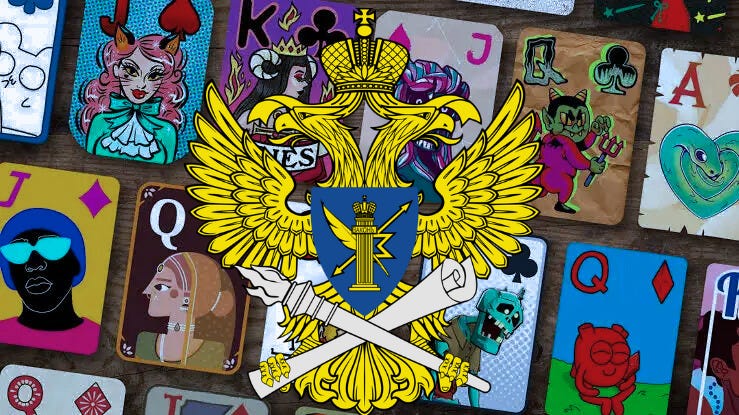
Flick Solitaire was removed from the Russian Steam store in October 2025.
Valve unilaterally restricted the UK-based developer Flick Games' title 'Flick Solitaire' in Russia, despite other mobile storefronts refusing to comply with similar takedown demands.
The gap
Steam lacks a transparent appeals process for government-mandated takedowns.
Steam lacks a transparent appeals process or a robust policy for challenging government-mandated takedowns, leaving developers without formal recourse when their content is targeted.
The pattern
Steam's hands-off moderation is being weaponized by autocratic regimes.
The platform's hands-off moderation approach is being weaponized by autocratic regimes to suppress freedom of expression, prioritizing regional market access over the protection of creative freedom.
1 / 4
Ask AI about this report